Why Some AAA Games Flop Despite Big Marketing
14 July 2026
If you’ve ever waited months—maybe even years—for a shiny new AAA game to hit the shelves, only to feel let down within the first hour of gameplay, you’re not alone. It's like buying a ticket to the most hyped movie of the year, only to find out the trailer was the best part. So, what’s really going on here? Why do some AAA games, with multimillion-dollar budgets and flashy ad campaigns, crash and burn faster than a buggy jetpack in a futuristic shooter?
In this article, we’re diving deep into the mysterious and frustrating world of game flops. Not just any flops—AAA game flops. These are the big guys. The ones that had the world’s eyes on them… and then faceplanted harder than a speed-runner missing a jump.
Let’s unravel this digital mystery.
The Illusion of Hype: When Marketing Outshines the Game
Smoke and Mirrors
Modern marketing can be like a magician: it dazzles you with flashy trailers, cinematic cutscenes, and promises that make you think this game could change your life. But sometimes, all that smoke and all those mirrors hide a hollow experience underneath.Hype sells. And publishers know it. They drop teaser videos that show mechanics that aren't even in the final game. Remember when people flipped over that vertical slice demo and pre-ordered instantly? Yeah, turns out that piece of gameplay was more of a scripted illusion than the real deal.
Setting Expectations Sky-High
When you spend millions hyping a game, expectations skyrocket. And let’s be honest—expectations are a double-edged sword. If a game is even 10% less than what was promised, gamers notice. And they talk. Loudly. On Reddit. On YouTube. On Twitter. Everywhere.That wave of disappointment? It hits harder than a Dark Souls boss.
The Curse of Rushed Development
Deadlines Over Design
AAA publishers often aim for a holiday release window. Why? Because that’s prime time for sales, right? The problem? The game might not be ready. But that doesn’t stop the suits from pushing it out the door.Developers get stuck between a rock and a hard place—either crunch like crazy to meet deadlines or release an unfinished product. And guess what usually happens? Yup. A buggy mess that gets patched months later—after the damage is already done.
Crunch Culture Is Killing Games
Behind-the-scenes stories often reveal a sad truth: dev teams are exhausted, burned out, and scrambling to meet impossible goals. No passion project thrives under stress. And when the soul gets squeezed out of the game, it shows.You can’t fake heart. Not even with ray tracing.
Design by Committee: The Creative Tug-of-War
Too Many Cooks in the Code
When you’ve got hundreds of people working on a game, and even more stakeholders trying to steer the ship, things can spiral. You end up with a Frankenstein’s monster of ideas that don’t quite gel. One exec wants more cinematics. Another wants battle royale. The devs want to innovate, but the publishers want to play it safe.The result? A game that checks all the boxes on paper but feels… empty. Like a meal with all the right ingredients, but no flavor.
Playing It Safe Kills Innovation
Ever notice how some flops feel eerily similar to one another? That’s because many AAA titles try to replicate what’s already been successful. But gamers aren’t robots. We crave novelty. We want to be surprised.When a AAA game feels like a remix of everything we’ve already played, we tune out. Fast.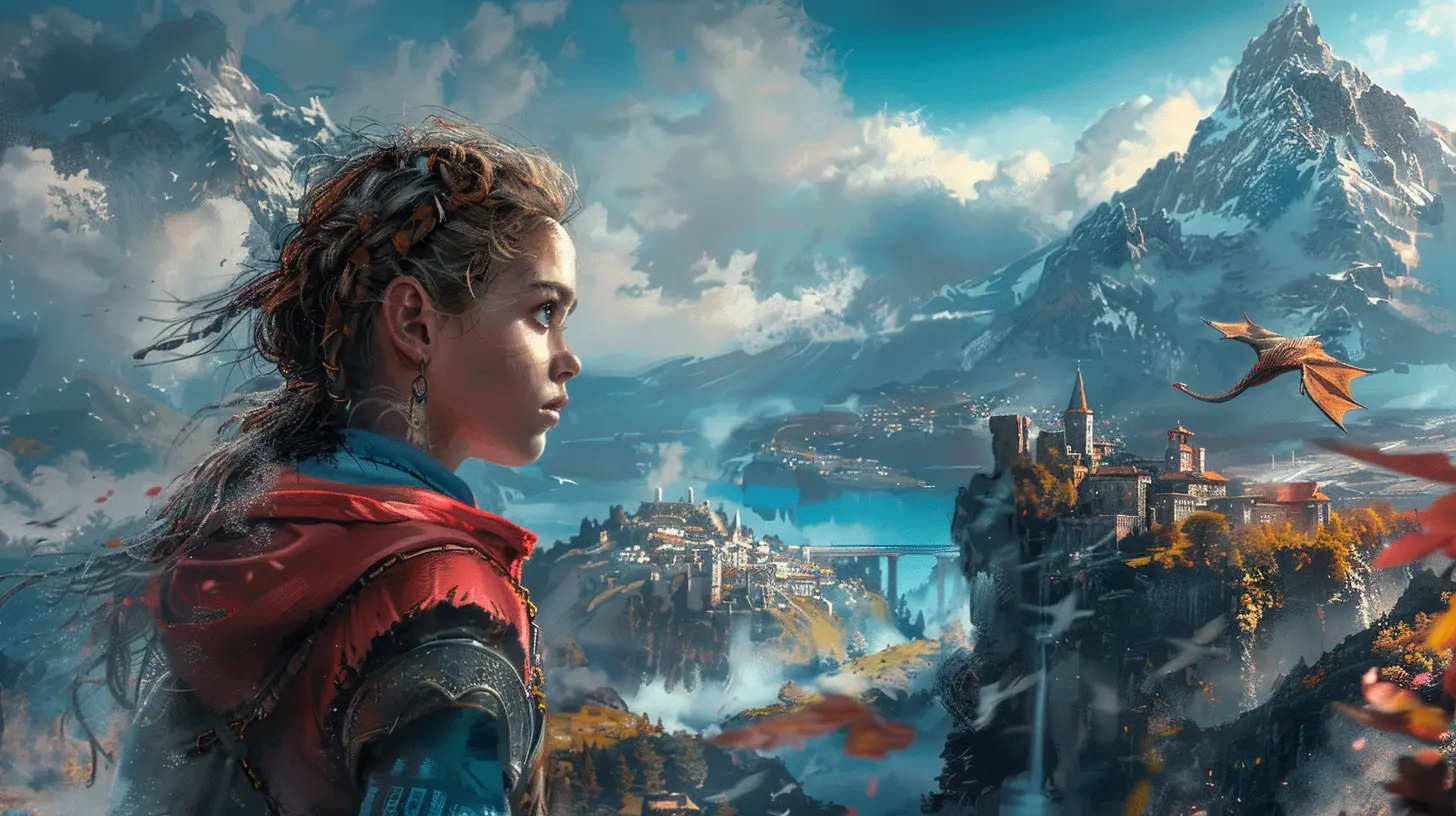
Misreading the Audience: Who Is This Game Even For?
Confusing Core Fans and Casual Players
Sometimes, developers try to please everyone—and end up pleasing no one. They water down mechanics for newcomers while tossing aside the hardcore community that supported them from day one.You can’t be all things to all gamers. Trying to do so is like mixing every genre into one game—it just becomes a confused mess.
Misjudging Market Trends
Chasing trends is risky business. Just because battle royales are hot doesn’t mean your medieval fantasy RPG needs one. And just because microtransactions rake in cash doesn’t mean players won’t rage quit over them.Gamers are smart. They can smell desperation from a mile away.
Technical Woes: Glitches, Bugs, and Broken Promises
The Infamous Day-One Patch
Let’s be real—no one expects a 100% bug-free experience. But if your game can’t even run properly on launch day, it’s a problem. A big one.Many AAA flops launch with serious technical issues: crashes, save data corruption, disappearing NPCs, and frame rates that tumble like Jenga towers. First impressions matter, and in gaming, you don’t get many second chances.
The Danger of Overpromising Features
How many times have we seen a trailer that showcases mind-blowing mechanics, only to find out they were cut due to “technical limitations”? When studios don't deliver on what was advertised, trust is broken. And once trust is gone, so are the fans.The Post-Launch Letdown
Live Service Fatigue
Some AAA games launch with barebones content, promising that “the good stuff” will come later through updates. But here’s the deal—we paid full price today. Not six months from now.If a game's launch feels more like early access than a full release, it’s going to fail to win hearts, regardless of how good it might eventually become.
Player Retention Nightmares
Even when a game is technically fine, it might just not be fun. We’ve all played those games that look amazing, feel smooth, offer tons of bells and whistles… but still feel boring. If a game doesn’t hook players from the get-go, the player base drops. Fast. And when that happens, multiplayer games die. Live services crumble. And the game gets tossed aside.Case Studies: Flops That Made Headlines
Anthem: The Loot Shooter That Couldn’t
BioWare’s “Anthem” was marketed as the next big thing. Flying suits, lush worlds, co-op action? Sign us up! But then came the reality: shallow gameplay, endless loading screens, and a progression system that felt more like a chore than a reward.Despite a strong marketing push, Anthem didn’t last long. And its post-launch rework efforts fizzled out like a low-budget fireworks show.
Cyberpunk 2077: Hype to Horror Show
Here’s a game that had everything going for it: a beloved studio, mind-blowing trailers, a cyberpunk world that screamed potential. But at launch? Bugs galore. On consoles, the game was barely playable. Refunds were issued. Sony even pulled it from the PlayStation Store.The game eventually improved after patches, but the damage to its reputation? That’s a scar that won’t fade overnight.
When Big Budgets Become a Burden
More Money, More Problems
Ironically, the huge budgets themselves can be part of the problem. With so much at stake, publishers become risk-averse. They focus on proven formulas and market-tested mechanics. Creativity takes a back seat. Innovation? That’s too risky.It’s like trying to paint a masterpiece while ten people shout at you from each corner of the room, telling you what colors to use and what not to do. You can’t make magic in those conditions.
The Real Golden Ticket: Passion Over Profit
Look, we all know making games costs money. But the best games, the ones we remember for years, are made by teams who are genuinely passionate about the world they’re building. They’re not driven by spreadsheets—they’re driven by love.When a game is made purely to hit quotas and maximize microtransactions, we feel it. And we reject it.
Final Thoughts: What Can Change?
So, how do we fix the AAA flop formula? For starters:- Stop overhyping unfinished games
- Give developers time to actually finish their vision
- Trim the micromanagement and let creatives lead
- Prioritize gameplay over monetization
- Respect the players—don’t mislead, don’t overpromise
Gaming is one of the greatest art forms of our time. But when greed, mismanagement, and marketing take the wheel, we lose what made it magical in the first place.
So next time you see a game with a trailer that looks too good to be true… maybe pause before pre-ordering. Just maybe.
all images in this post were generated using AI tools
Category:
Aaa GamesAuthor:

Avril McDowney
Discussion
rate this article
1 comments
Ramona Ford
It's tough to see highly anticipated games miss the mark. Behind the big budgets and marketing, there are passionate teams pouring their hearts into these projects. Sometimes, it just doesn't resonate, and that can be disheartening for everyone involved.
July 14, 2026 at 5:09 AM