The Role of Nostalgia in Modern AAA Sequels
14 June 2026
Let’s be real—when a new game trailer drops and it kicks off with that iconic theme music or a familiar setting from your childhood favorite, there’s a weird tingle that hits, right? Like a warm blanket of memories wrapping around your gaming soul. That’s nostalgia at work. But here’s the big question: is it just a clever marketing trick, or does it genuinely add value to modern AAA game sequels?
In this article, we’re diving deep—real deep—into the role nostalgia plays in shaping modern sequels from big-name studios. Are developers playing to your heartstrings, or are they expanding on legacies in meaningful ways? And maybe, just maybe, is nostalgia the secret weapon behind the success (or failure) of your most anticipated games?
What Exactly Is Nostalgia in Gaming?
Before anything else, let’s clear the table. Nostalgia in gaming isn’t just about remakes or remasters. It’s that emotional dopamine hit from hearing a sound, revisiting a location, or seeing a beloved character again—like bumping into a childhood friend at a coffee shop, but digitally.It’s that moment when the Final Fantasy VII Remake plays “Aerith’s Theme.” It’s when the camera pans across Hyrule in Breath of the Wild and your brain screams, “I’ve been here before.” Sometimes, even the UI or a classic HUD can trigger it.
But why does that matter in modern gaming—especially with the budgets and stakes of AAA titles?
AAA Games and the Power of Emotional Investment
AAA games cost a fortune to make. We’re talking blockbuster-level budgets, massive teams, and ridiculous marketing campaigns. So leaving emotional connection—like nostalgia—on the table would be a missed opportunity.Let’s talk about a few key reasons why nostalgia is golden:
- Emotional Trust: If you loved a character or storyline 10 years ago, your brain is more likely to forgive flaws in modern iterations. (Yes, looking at you Mass Effect Legendary Edition.)
- Brand Loyalty: Nostalgia transforms casual fans into lifelong evangelists. It’s more than playing a game—it’s coming back to something you once loved.
- Built-in Hype: When people already know your story or world, you don’t need to reinvent the wheel. Instead, you just polish it with next-gen visuals and new mechanics.
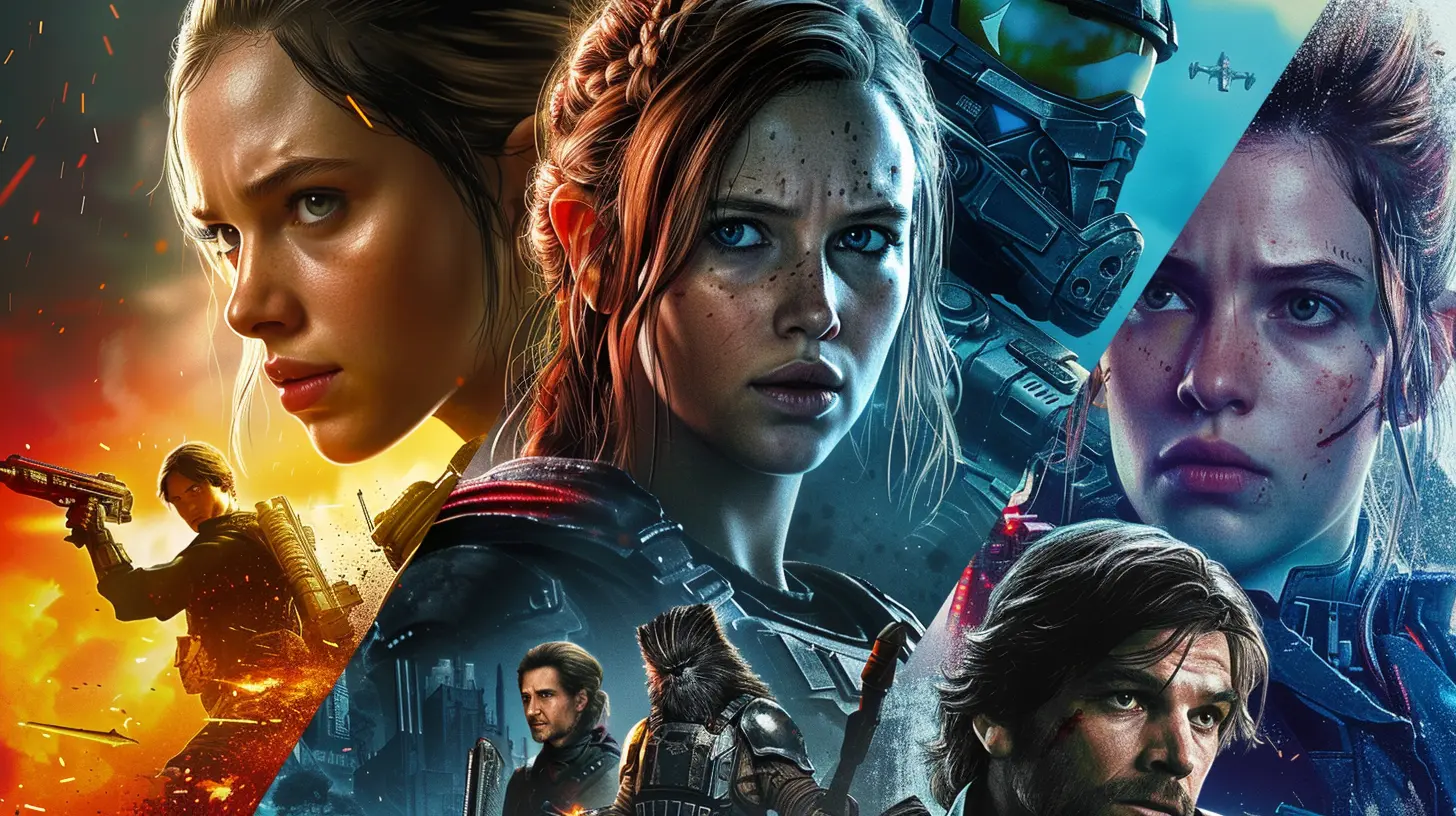
Nostalgia as a Design Philosophy
This isn’t just about marketing smoke and mirrors. Game design now actively bakes nostalgia into its DNA. Developers aren’t just remastering textures—they’re recapturing feelings.Let’s Break It Down:
- Visual Callbacks: Ever notice how Halo Infinite’s environments scream “Combat Evolved”? That’s not accidental. Art teams go out of their way to pay homage without copying.- Legacy Mechanics: Even new engines keep old quirks intact. Resident Evil 2 Remake kept the inventory Tetris-style you knew and loved.
- Narrative Mirrors: Sequels often parallel their predecessors. God of War (2018) subtly mirrors Kratos’s journey from rage-filled killer to reluctant father figure, just like how players have grown up with him.
Let’s face it: modern players are different from those in the 90s. But many of them are the same people—older, busier, but still carrying that childhood spark. And devs know it.
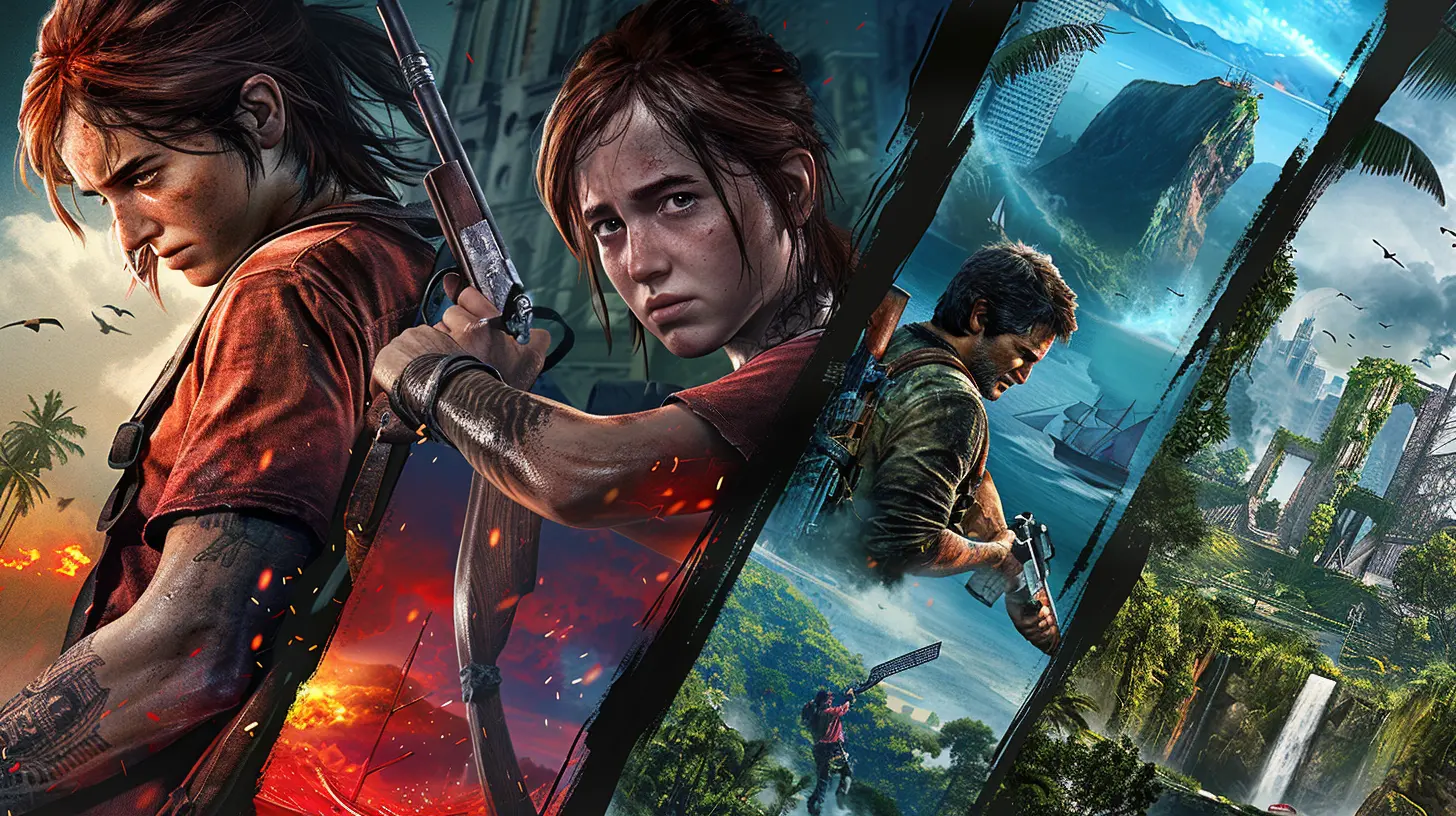
The Good: When Nostalgia Hits Just Right
Some AAA sequels absolutely nail it. They use nostalgia as a foundation, not a crutch. They don’t just recycle content—they reimagine it.Examples Worth Applauding:
1. Final Fantasy VII Remake
This isn’t just a prettier version of the original. Square Enix twisted the story, bent fan expectations, and used our nostalgia to pull off a bold narrative surprise. It’s nostalgia weaponized, and it worked.2. God of War (2018)
The earlier games were testosterone-fueled spectacles. The reboot gave us a more mature Kratos, but with nods to the past (Blades of Chaos reveal, anyone?). It makes old fans emotional without leaving new players in the dust.3. Doom (2016)
This wasn’t some museum piece. id Software gave us blazing speed, killer music, and a full-throttle tribute to the original’s chaos. It felt right, like slipping on an old glove—if that glove shot demons in the face.These games remind us that nostalgia isn’t about going backwards. It’s about recognizing the past while sprinting into the future with rocket boots.
The Bad: When Nostalgia Becomes a Shortcut
But nostalgia’s a double-edged sword, right?Some studios lean too hard on it. Instead of offering something new, they slap a nostalgic coat of paint on outdated mechanics or empty worlds. And when the magic wears off, all that’s left is a hollow husk.
Offenders We Can’t Ignore:
1. Tony Hawk’s Pro Skater 5
Remember the classics? The tight controls, the insane soundtrack, the joy of grinding into oblivion? Well, THPS5 managed to strip away all of that—and still had the gall to ride the nostalgia train straight to Disappointmentville.2. Medal of Honor: Warfighter
Trying to recapture early 2000s shooter glory, it ended up as a generic mess. Nostalgia couldn’t save flat characters and uninspired missions.3. Warcraft III: Reforged
This one hurt. Blizzard had a legacy masterpiece and a loyal fanbase. But bad visual updates, lost features, and broken promises poisoned the nostalgia well.See the pattern? Without authenticity or innovation, nostalgia collapses like a house of digital cards.
Why Players Fall for Nostalgia (Over and Over Again)
Let’s pause and get meta for a second. Why do we keep falling for nostalgic content?It’s simple: humans crave meaning. And games are more than just fun—they’re memories. We remember booting up a GameCube in our childhood bedroom or having sleepovers with that one friend who always picked Oddjob in GoldenEye.
When a game taps into that, it feels like recapturing a lost piece of ourselves.
Psychologically, nostalgia is proven to reduce stress, increase optimism, and reinforce social bonds. Pair that with your favorite hobby—gaming—and boom… you’ve got endorphins on tap.
The Business of Nostalgia: A Profitable Emotion
Think nostalgia can’t be monetized? Oh, buddy—you’re in for a ride.AAA studios love it because it’s low-risk, high-reward. They’ve already got market data, existing characters, and generations of fans. Why build a new franchise from scratch when you can cash in on past glories?
How Publishers Use It:
- Collector’s Editions: Loaded with retro skins, soundtracks, art from the original games.- Pre-Order Bonuses: Remember that N64-style shotgun skin you had to get?
- Trailers and Marketing: There’s a reason they start a new Gears of War trailer with a haunting piano version of the original theme.
Cynical? Maybe. Effective? Absolutely.
But is it bad? Not necessarily. As long as fan service is balanced with actual substance, it’s a win-win.
Nostalgia and the Future of AAA Games
Here’s the real twist: nostalgia isn’t going anywhere. In fact, it’s becoming a core pillar of future game development.The 2020s will see sequels to games from the 2000s and 2010s. That means younger Millennials and Gen Z will soon feel the same nostalgic tugs we felt for 8-bit graphics and MIDI soundtracks.
What We Might See Soon:
- A Red Dead Redemption 2 sequel that echoes RDR1’s legendary finale.- A new Mass Effect that reflects the original trilogy’s soul.
- The return of older franchises like Jak and Daxter or Silent Hill—tailored for a new generation but baked with old-school spice.
The key? Balance. Respect the past, but don’t worship it. Frame it, don’t freeze it. Otherwise, you’re just riffing on old tunes with no new melody.
Closing Thoughts: Nostalgia as a Time Machine
Nostalgia isn’t just a tool. It’s a time machine—one that, when used right, bridges generations of gamers. AAA developers know this. That’s why they insert legacy features, familiar storytelling, or iconic soundtracks not just to fill space but to fill hearts.But like any powerful force, it needs to be used carefully. Manipulate it, and fans revolt. Respect it, and you’ve got gold in your hands.
So next time you hear that familiar chime or catch a glimpse of a pixel-perfect retro Easter egg, ask yourself: am I just remembering the past… or am I being invited to continue the story?
Because in gaming, nostalgia isn’t the end of the road—it’s the checkpoint before the next adventure.
all images in this post were generated using AI tools
Category:
Aaa GamesAuthor:

Avril McDowney
Discussion
rate this article
1 comments
Astranor Russell
This article captures the essence of how nostalgia shapes modern AAA sequels. It's fascinating to see how developers blend old favorites with fresh ideas to satisfy both new and returning players. Your insights on balancing nostalgia with innovation are spot on. Looking forward to more discussions on this topic!
June 14, 2026 at 3:09 PM
Avril McDowney
Thank you for your thoughtful comment! I'm glad you enjoyed the article and found the balance between nostalgia and innovation interesting. I appreciate your engagement and look forward to more discussions!