The Influence of Hollywood on AAA Game Production
24 June 2026
Ever noticed how some video games these days feel more like blockbuster movies than, well, actual games? You’re not alone. The lines between the glitz of Hollywood and the immersive worlds of AAA gaming are blurrier than ever. Over the past couple of decades, Tinseltown has had a massive influence on the way big-budget games are made, marketed, and experienced.
From cinematic cutscenes and celebrity cameos to narrative arcs that could rival Oscar-nominated scripts, Hollywood’s impact on the gaming industry is real, loud, and seriously dramatic. So, grab some popcorn (or a controller) and let’s dive into how this crossover came to be—and why it’s completely reshaping the way we play.
What Exactly Are AAA Games, Anyway?
Before we start linking Hollywood and Halo, let’s quickly define what we mean by "AAA games." These are the high-budget, high-profile blockbuster titles of the gaming world. Think of them like the Marvel movies of gaming: polished, expensive, and loaded with marketing hype.Titles like Red Dead Redemption 2, God of War, The Last of Us, and Call of Duty fall into this category. They often involve massive development teams, multi-year production cycles, and budgets that rival—or sometimes exceed—those of major films.
The Hollywood Invasion: When Did It Start?
Hollywood didn’t just stroll into the gaming world overnight. The flirtation started way back in the 90s. Remember GoldenEye 007 on the Nintendo 64? That was an early success story where a movie tie-in game actually worked (which honestly was rare back then).But the real turning point came in the 2000s, when storytelling in games got way more sophisticated. Games like Metal Gear Solid, Mass Effect, and Bioshock showed that players wanted more than just shooting and looting—they craved emotional depth, compelling narratives, and memorable characters. Hollywood scriptwriters, actors, and directors started to take notice.
And once the money started rolling in? Boom. They were all in.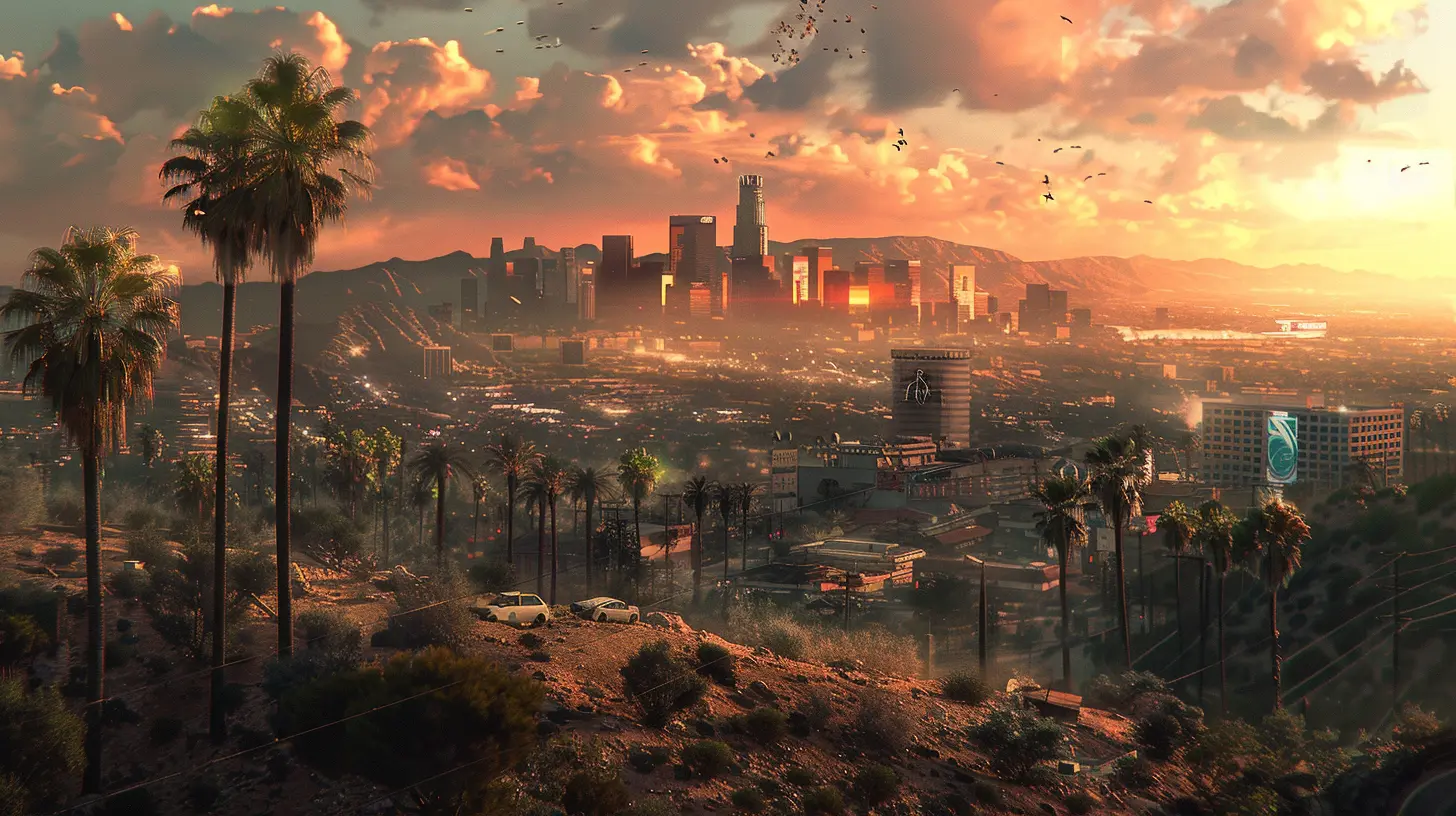
Cinematic Storytelling: Lights, Camera, Controller!
One of the biggest impacts Hollywood’s had on AAA game production is the evolution of storytelling. Today’s major titles don’t just have a storyline—they have full-blown cinematic narratives with plot twists, character arcs, emotional beats, and expertly crafted scripts.Take The Last of Us, for example. That game feels like a post-apocalyptic drama straight out of HBO—and well, now it is, thanks to the live-action series! But before the TV show, the game itself already delivered emotional gut-punches worthy of an Emmy.
Games now use:
- Motion capture: Just like actors wear suits to animate characters in films like Avatar, the same tech is used in games to bring characters to life.
- Professional voice acting: Gone are the days of cheesy lines delivered by the intern. Now, we've got the likes of Troy Baker, Laura Bailey, and even Keanu Reeves rocking the mic.
- Cinematic direction: AAA games are leaning on traditional film direction techniques—camera angles, lighting, pacing, and even scriptwriting consultants are being brought in from Hollywood.
You’re not just playing the game—you’re starring in it.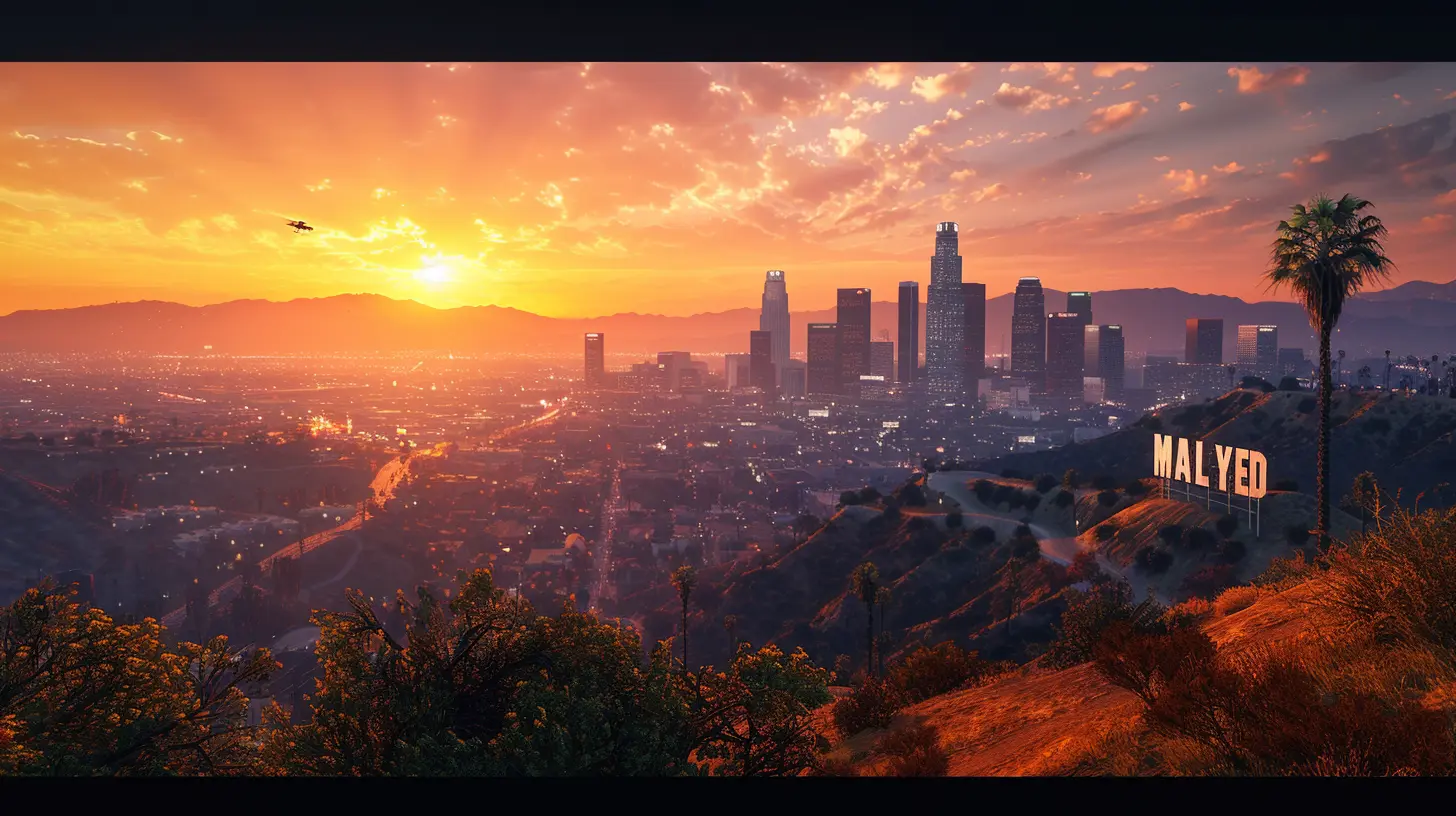
Star Power: Celebrities in Video Games
Speaking of Keanu Reeves—yes, let’s talk about that. The casting of Keanu in Cyberpunk 2077 was a game-changer (pun intended). It wasn't just a fun surprise; it was a full-blown media moment. The “You’re breathtaking!” moment at E3 became instantly iconic.And Keanu’s not alone. We've seen:
- Norman Reedus and Mads Mikkelsen in Death Stranding
- Elliot Page and Willem Dafoe in Beyond: Two Souls
- Giancarlo Esposito as the big bad in Far Cry 6
- Even Kit Harington as a villain in Call of Duty: Infinite Warfare
These days, casting a known face and voice in AAA games is as common as loot boxes in a mobile game.
Why do it? Simple—it sells. Star power draws attention, grabs headlines, and adds instant credibility. You're much more likely to check out a game with an actor you like, right?
Visual FX and Game Engines: Pushing Pixels Like Hollywood
Hollywood’s obsessions with CGI and special effects have rubbed off on game developers, big time. Let’s face it, today's AAA games look ridiculously good. Those hyper-realistic landscapes? The subtle emotions on a character’s face? That’s not accidental.It’s the result of game developers adopting Hollywood-grade CGI, VFX techniques, and fancy software like Unreal Engine 5, which honestly could be used to make movies. In fact, it already is! Shows like The Mandalorian have used Unreal Engine for virtual sets.
Gaming and film tech are merging like peanut butter and jelly—and the result is delicious.
Writing and Directing: From Screenplay to Game Script
Let's talk about the folks behind the scenes—the writers and directors who are driving this Hollywood-to-gaming pipeline.More and more screenwriters are crossing over to gaming, bringing with them storytelling chops from years in the film industry. Studios are hiring actual screenwriters to pen game scripts, which results in characters that feel authentic and plots that leave you emotionally invested.
And directors? They're not just overseeing motion capture—they're constructing entire visual narratives. Hideo Kojima (the mind behind Metal Gear and Death Stranding) is basically a film director working in the gaming world. His games are known for long, dramatic cutscenes and layered storytelling that's just... cinematic to the core.
Soundtracks That Belong on a Hollywood Score
Never underestimate the power of a good soundtrack. Hollywood’s influence on game music has been enormous. Big-budget games now feature orchestral scores composed by the same people who create movie soundtracks.Think of the haunting melodies in The Last of Us, the epic scores in God of War, or the pulse-pounding beats of Doom Eternal. These aren’t just sounds, they’re emotional drivers. They’re what make your heart race during a boss fight or bring a tear to your eye in a heartfelt goodbye scene.
Music is no longer an afterthought—it’s a core part of the experience, and it’s straight outta Hollywood’s playbook.
The Rise of Transmedia: Games Turned Movies, Movies Turned Games
The relationship between games and Hollywood goes both ways. We've seen major franchises like Assassin's Creed, Tomb Raider, and Resident Evil transition to the big screen with varying degrees of success. And now with the Super Mario Bros. Movie pulling in big bucks, the trend is only accelerating.On the flip side, we also get games based on movies—sometimes good (Spider-Man PS4), sometimes less so (E.T. the Extra-Terrestrial, anyone?).
But what’s really exciting is how games themselves are becoming platforms for storytelling that can expand into other media. Take Cyberpunk 2077 and its spin-off anime Edgerunners. Or Arcane, the League of Legends show that ended up being a massive hit.
It’s all about building universes now, not just titles. And that’s straight out of the Marvel Cinematic Universe playbook.
Marketing Madness: Trailers, Teasers, and Red Carpets?
Marketing a AAA game today looks a lot like launching a film. You get:- Teaser trailers years before release
- Glitzy launch events
- E3 press conferences that feel like Oscar reveals
- Pre-order bonuses and collector’s editions with real-world merch
Studios like Rockstar and Naughty Dog hire entire marketing teams that think like movie studios. They create hype not just for the game, but for the experience. They release cinematic trailers that get millions of views, building up anticipation like it’s the next Avengers movie.
And you know what? It works.
Are Games Losing Their Soul?
With all this Hollywood razzle-dazzle, some purists argue that games are becoming too much like movies and not enough like, well, games.There’s a fear that gameplay is taking a backseat to flashy graphics and emotional narratives. Less control, more watching. Sometimes it feels like you’re just pushing “Forward” and watching the next cutscene unfold.
But honestly? It’s about balance. For every cinematic epic like The Last of Us, there’s gameplay-rich titles like Elden Ring or Zelda: Tears of the Kingdom that prove you can have both heart and hands-on action.
So, Is Hollywood’s Influence a Good Thing?
Short answer: mostly, yep.Hollywood has elevated the production quality of AAA games. It’s brought in new audiences, new talent, and raised the bar for storytelling and visual excellence. Games are no longer just play—they’re experiences.
Sure, there’s a risk that gameplay could get overshadowed, but the best developers are the ones who find the sweet spot. They merge Hollywood storytelling with interactive magic, giving us something movies never could: choice.
Because in a game, you’re not just watching the story unfold. You’re living it.
Final Thoughts: The Future of Games Looks Like a Film Set
As we move into the future, expect the bonds between Hollywood and AAA games to tighten even more. With the rise of VR, AR, and AI-driven storytelling, we’re heading toward fully immersive, interactive cinema.Imagine a future where you not only watch a movie but play it. Where you're not just cheering for the hero—you are the hero. That’s where gaming is headed, and Hollywood is strapping in for the ride.
Whether you’re a film buff, a gamer, or both, there’s never been a better time to lose yourself in a story—controller in hand, popcorn nearby.
all images in this post were generated using AI tools
Category:
Aaa GamesAuthor:

Avril McDowney
Discussion
rate this article
1 comments
Anisa Daniels
Hollywood's touch adds magic!
July 5, 2026 at 3:58 PM
Avril McDowney
Absolutely, Hollywood's storytelling and production values can elevate gaming experiences to new heights.