What Defines a Next-Gen Experience in AAA Gaming
19 June 2026
Let’s be honest — the term “next-gen” gets thrown around a lot in the gaming industry. Almost every new game is marketed as the next big evolution. But what exactly defines a truly next-gen experience in AAA gaming? Is it just about pushing more polygons and ray tracing everything? Or is there something deeper going on?
In this article, we’re diving head-first into what makes a game feel truly “next-gen.” Not just in looks, but in the way it plays, feels, and sticks in our memory long after the credits roll. Whether you're a hardcore gamer or someone just trying to understand why folks are paying top dollar for consoles and graphics cards, I’ve got you covered. Let’s break this down.
The Visual Upgrade: More Than Just Pretty Pixels
Alright, let’s start with the obvious — graphics.Next-gen visuals are the first thing that hits you. We're talking mind-blowing realism, lighting effects that mimic real life, and character animations that make you forget you’re playing a game. But here’s the catch: better visuals alone don’t make an experience next-gen.
For example, think about how lighting works in today’s AAA games. Ray tracing simulates how light behaves in real life — bouncing, diffusing, reflecting. Shadows are more natural. You walk into a cave, and the way your torch flickers off the walls feels real. That’s next-gen immersion.
But developers are going beyond just looking good. Visuals are becoming a core part of storytelling and atmosphere. Rain isn't just a texture overlay anymore — it affects the mood, the soundscape, even the gameplay.
Quick Comparison:
| Feature | Old Gen | Next-Gen ||--------|---------|----------|
| Lighting | Pre-baked shadows | Real-time ray tracing |
| Animations | Scripted | Motion captured, fluid |
| Crowds | 10-20 NPCs | Hundreds of AI-controlled characters |
So yes, visuals matter. But next-gen graphics are about immersion, not just screen candy.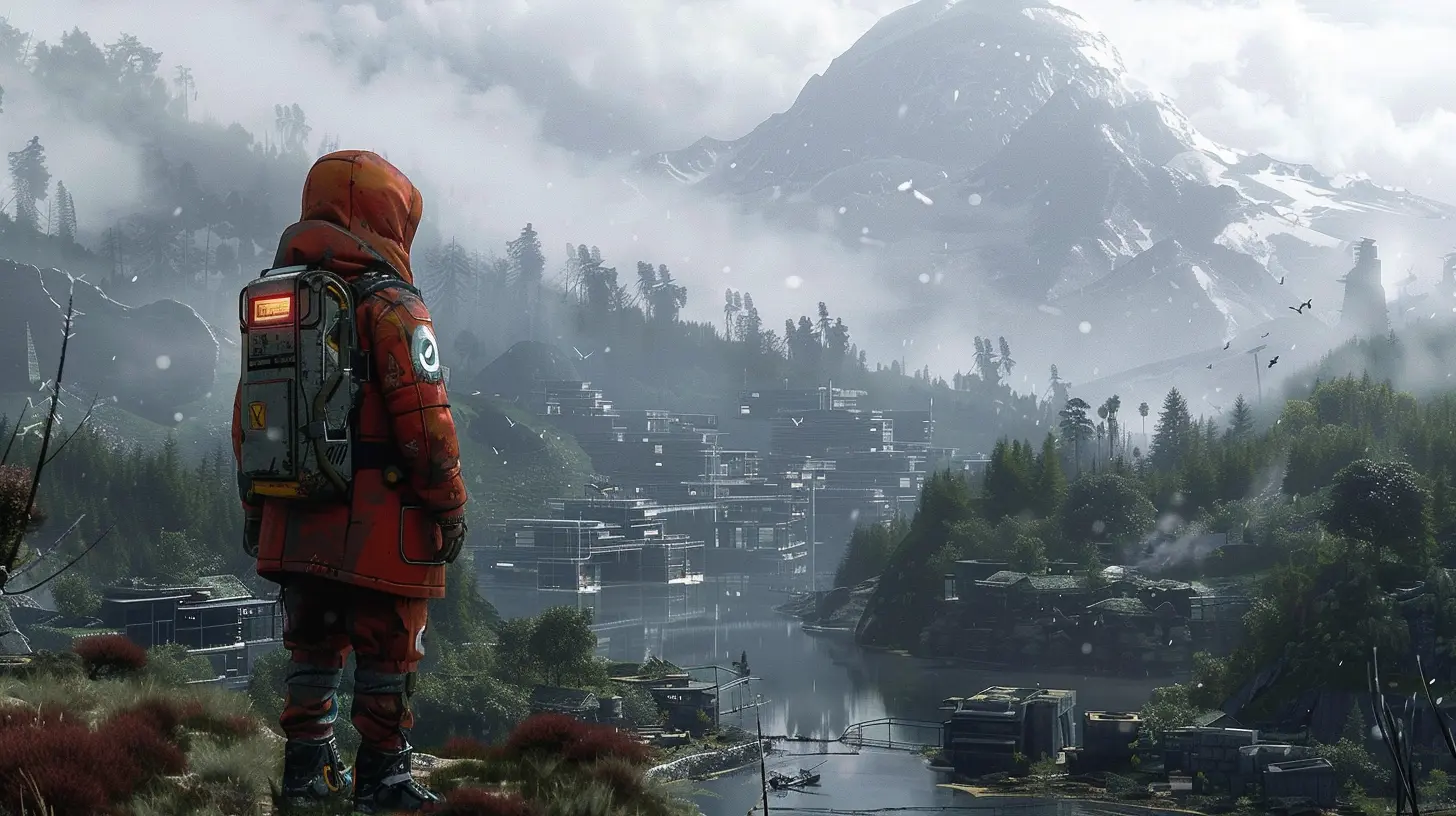
Immersive Worlds That Feel Alive
You ever walked through a game world and felt like it was actually breathing? That’s what next-gen aims for.Open worlds today aren’t just big — they’re dense and alive. NPCs go about their daily routines. Wildlife behaves naturally. Cities feel like ecosystems instead of cardboard sets. All of this creates the illusion that the world exists whether you’re playing or not.
Let’s take a look at some examples:
- Red Dead Redemption 2: Animals hunt each other, NPCs have conversations independent of you, weather changes everything.
- Hogwarts Legacy: You roam the Hogwarts castle, and there’s always something happening — students practicing spells, ghosts floating through walls, suits of armor shifting around.
This level of world-building isn’t just a technical feat — it's emotional. It draws you in. You’re not just watching a story — you’re living in it.
Fast Load Times: Goodbye, Loading Screens
Remember those long loading screens with tips that looped three times before the game started? Yeah, next-gen is killing that off.Thanks to SSDs in the PS5, Xbox Series X, and high-end PCs, boot-up times are almost instant. You click "Continue Game" and boom — you're back in the world. Fast travel truly becomes “fast.”
But it’s not just about convenience. It changes how developers build their games. They’re no longer forced to hide load times in elevators, walking sequences, or long hallway crawls. This opens up room for more dynamic levels and uninterrupted experiences.
In essence, fast loading is like teleportation — it keeps you in the moment instead of pulling you away from it.
Adaptive AI Makes Every Encounter Unique
Let’s talk about one of the most underrated next-gen improvements: smarter AI.Gone are the days when enemies would charge at you in a straight line like they were begging to be taken out. Next-gen AI adapts. They flank. They coordinate. They even learn your tactics and adjust.
Take The Last of Us Part II — some enemies call each other by name. Others cry out when you eliminate their comrades. It feels personal. Creepy? Maybe. But deeply immersive? 100%.
Better AI doesn’t just make enemies harder — it makes the game world feel smarter. It’s the difference between fighting bots and battling living, breathing opponents.
Haptic Feedback & Adaptive Triggers: Feeling the Game
If you’ve got a PlayStation 5, you know what I’m talking about here.The DualSense controller isn’t just a gimmick — it changes how you experience games. Haptic feedback lets you feel the texture of different surfaces — from trudging through mud to sprinting on sand. Adaptive triggers change resistance based on what you're doing. A bowstring pulls tight before release. A gun jams and catches under your finger.
It’s pure magic.
This isn’t just a cool feature — it's a cornerstone of next-gen immersion. Input devices are finally catching up to visuals when it comes to realism.
Audio Design: The Silent Star of Next-Gen
We don’t talk enough about audio. Seriously.3D audio is one of the biggest unsung heroes of next-gen gaming. With a good headset or speaker setup, you can hear footsteps behind you, distant thunder to your left, or a whisper up ahead. It’s like sonar for your brain.
Games like Returnal and Hellblade: Senua’s Sacrifice use audio in masterful ways — making you feel uneasy, alert, or completely lost, depending on the situation.
High-quality environmental audio, directional cues, and spatial awareness add depth to gameplay in a way visuals never could.
Evolving Game Mechanics: Beyond Press X to Win
In next-gen gaming, mechanics evolve. It’s not just about pressing buttons anymore — it’s about the systems under the hood.Developers are blending genres more than ever. You might find RPG elements in shooters, narrative storytelling in sandbox games, or puzzle dynamics in action RPGs. It's like game design has finally shaken off its training wheels.
And let’s not forget procedural generation and dynamic storytelling. AI-driven narratives can now evolve based on what you do (or don't do). That mission you ignored three hours ago? It may come back to bite you — and not in a scripted way.
Games are becoming less predictable and more personal. The story becomes yours, not just the developer’s.
Player Choice & Emotional Impact
You know what really separates a good game from a great one? How it makes you feel.Next-gen doesn't just look better — it hits harder emotionally. Choices matter. Characters remember what you say. Your actions ripple through the world.
Think about Cyberpunk 2077, Mass Effect, or Detroit: Become Human. Whether you’re making a moral decision or choosing who to save, the weight of your choices sticks with you. New-gen consoles and engines allow for complex branching narratives, multiple endings, and cinematic storytelling on a whole new level.
Games aren't just fun now — they’re thought-provoking.
Seamless Multiplayer & Cross-Platform Play
Goodbye, console wars. Hello, crossplay.Next-gen technology makes it easier to connect with friends, no matter what platform they’re on. Multiplayer lobbies load faster, matchmaking is smarter, and lag is reduced with better servers and netcode.
Games like Fortnite, Call of Duty: Warzone, and Apex Legends are already ahead of the curve on this. Cross-platform is no longer a pipe dream — it's expected.
Multiplayer is becoming more about the experience and less about the platform. That’s the future.
Next-Gen Is Also About Accessibility
This one’s important, and it often doesn’t get the spotlight it deserves.Next-gen AAA games are paying serious attention to accessibility. We’re talking about:
- Fully customizable controls
- Colorblind modes
- Subtitles and text resizing
- Audio cues for the hearing-impaired
- Visual assistance for low-vision players
Games like The Last of Us Part II have set a new industry standard for inclusivity. Next-gen means everyone can play — and enjoy — games, no matter their physical limitations.
Cloud Integration and AI Support
Gaming is slowly shifting from local hardware to the cloud. Services like Xbox Cloud Gaming (Game Pass), GeForce NOW, and PlayStation Plus Premium are bringing next-gen experiences to devices that don’t even have a console or beefy PC.Imagine playing a full AAA game on your phone or tablet with minimal latency. That’s not sci-fi anymore. That’s next-gen convenience.
And let’s not overlook AI. Some games are using AI to generate content on the fly — side quests, dialogue, environments. It keeps things fresh and pushes boundaries on how games are made.
So… What Really Defines a Next-Gen Experience?
It’s not just the graphics. Not just faster load times. It’s all of it — working in harmony.A next-gen AAA game is about total immersion. It's a combination of:
- Realistic visuals and sound
- Intelligent, adaptive gameplay
- Deep, meaningful worlds
- Seamless connectivity
- Emotional engagement
- And above all — player freedom
It’s a step closer to living the game, not just playing it.
Final Thoughts
If you’re wondering whether you're playing a true next-gen experience, ask yourself: Am I feeling things? Am I forgetting that I’m holding a controller? Do my choices matter? If the answer’s yes, then congrats — you’ve stepped into the future of gaming.Next-gen isn't a buzzword anymore. It’s an ever-evolving promise. And guess what? The best part is, we’re just getting started.
all images in this post were generated using AI tools
Category:
Aaa GamesAuthor:

Avril McDowney
Discussion
rate this article
1 comments
Kova McKay
Next-gen means immersive worlds and unforgettable moments!
June 21, 2026 at 4:45 PM
Avril McDowney
Absolutely! Next-gen experiences are all about creating deep connections with players through stunning environments and memorable storytelling.