Why Worldbuilding Is the Backbone of Memorable AAA Games
30 January 2026
Gaming has come a long way since pixelated plumbers and blocky battlefields. Today, gamers aren't just looking for flashy graphics or fast-paced action — they crave immersion. You know that feeling when you step into a game and feel like you’re part of a living, breathing world? That’s no accident. It’s worldbuilding. And in the realm of AAA games — those big-budget blockbusters — worldbuilding isn't just a nice touch. It's the secret sauce that makes everything else click.
Let’s dive into why worldbuilding is the backbone of memorable AAA games and how it transforms mere gameplay into unforgettable experiences.
What Exactly Is Worldbuilding?
Before we go any further, let’s break it down: What is worldbuilding?Worldbuilding is the process of crafting a fictional universe that feels authentic and alive. It’s more than just maps and landmarks — it’s cultures, politics, history, societal norms, religions, languages, and even weather systems. It’s the difference between a generic dungeon crawler and a title like The Witcher 3, where every village tells a story and every NPC has a purpose.
Basically, it’s everything behind the scenes that convinces you this world could actually exist — and that you’re part of it.
Why Worldbuilding Matters in AAA Games
So, why is worldbuilding so critical for AAA titles? Let’s be real — when you’re spending millions (sometimes hundreds of millions) on a game, players expect more than cool mechanics and pretty visuals. They want depth. Emotion. Consistency. And that’s exactly what worldbuilding brings to the table.1. Immersion Is Everything
Think about your favorite AAA game. Got it? Now, ask yourself why you love it so much. Chances are, it made you feel like you were truly inside that game world.Games like Red Dead Redemption 2, Horizon Zero Dawn, or The Legend of Zelda: Breath of the Wild are prime examples. Their worldbuilding is so rich you can practically smell the campfire smoke or feel the tension in a post-apocalyptic ruin. The environments, the lore, the dialogue — they all work together to make you forget there’s a real world outside your screen.
2. Consistent Lore = Believability
Good worldbuilding creates consistency. You can’t have a quest about an ancient god if the game’s lore never mentions divine history. If your game doesn’t follow its own internal rules, players will notice — and they’ll feel cheated. Story inconsistencies shatter immersion like a broken window.Worldbuilding gives developers a rulebook — a foundational guide that ensures the world stays logical and believable. When done right, players won’t question why the lava-drenched dungeon exists in the snowy mountains — because the lore already told them about volcanic activity hidden beneath the ice.
3. Encourages Exploration and Curiosity
Let’s be honest, we gamers love to snoop around. It’s deeply satisfying to stumble upon a hidden cave or unearth a dusty note that adds depth to the central plot.Well-built worlds encourage curiosity. They reward you for paying attention. Remember finding those mysterious glyphs in Assassin’s Creed or tracking down forgotten journals in Skyrim? You weren’t just grinding XP — you were uncovering secrets that made the world feel richer and more real.
4. Strengthens Emotional Connections
You get attached to the world when it’s detailed and thoughtfully built. You care about the cities under siege in Mass Effect. You fight harder to protect the people of Midgar in Final Fantasy VII because the stakes feel personal.When a game’s world has culture, history, and character, it becomes more than digital scenery — it becomes a place you want to defend (or conquer). And that’s powerful storytelling.
Elements of Strong Worldbuilding in AAA Games
Alright, so what actually goes into worldbuilding? Let's pick it apart. Here's what top-tier AAA titles are doing behind the scenes.1. History and Lore
Every world needs a backstory. Who lived here first? What ancient wars shaped the current political landscape? Great games sprinkle bits of lore throughout the environment — books on shelves, murals on walls, ghost stories from old NPCs.A deep lore isn’t just fluff — it explains why the world is the way it is. It builds context that helps players make sense of everything, from the economy to the enemies they’re fighting.
2. Politics and Power Structures
No world feels real without some form of governance or conflict. Kingdoms at war, rebellious factions, greedy corporations — the more tangled the power dynamics, the more engaging the story.Look at Cyberpunk 2077. Love it or hate it, Night City is bursting with political tension, shady deals, and powerful influences. That’s what makes it feel eerily lifelike.
3. Geography and Environment
Unique landscapes spark player curiosity. Is the desert hiding buried ruins? Does the snowy tundra have a village that survives off ice fishing?Geography shapes the society that lives there. A mountain town will be different from a coastal city — in architecture, cuisine, economy, even personality. Strong worldbuilding links environment to culture seamlessly.
4. Culture, Religion, and Language
This one’s big. Culture makes a world feel lived-in. Think about the Khajiit in Elder Scrolls or the Turians in Mass Effect. They have customs, dialects, even philosophies that differ from others.When religions and languages are built from scratch — and influence gameplay — players dive deeper. It’s these touches that make you feel like you’ve entered a real civilization, not just hit “Start Game.”
5. Everyday Life
What do people do when they’re not fighting or dying? Do they farm? Go to school? Worship old gods? Host gladiatorial games?Seeing normal life happening in the background — like NPCs gossiping, marketplaces bustling, or children playing — adds authenticity. It reminds players that the world exists even when the main character isn’t looking.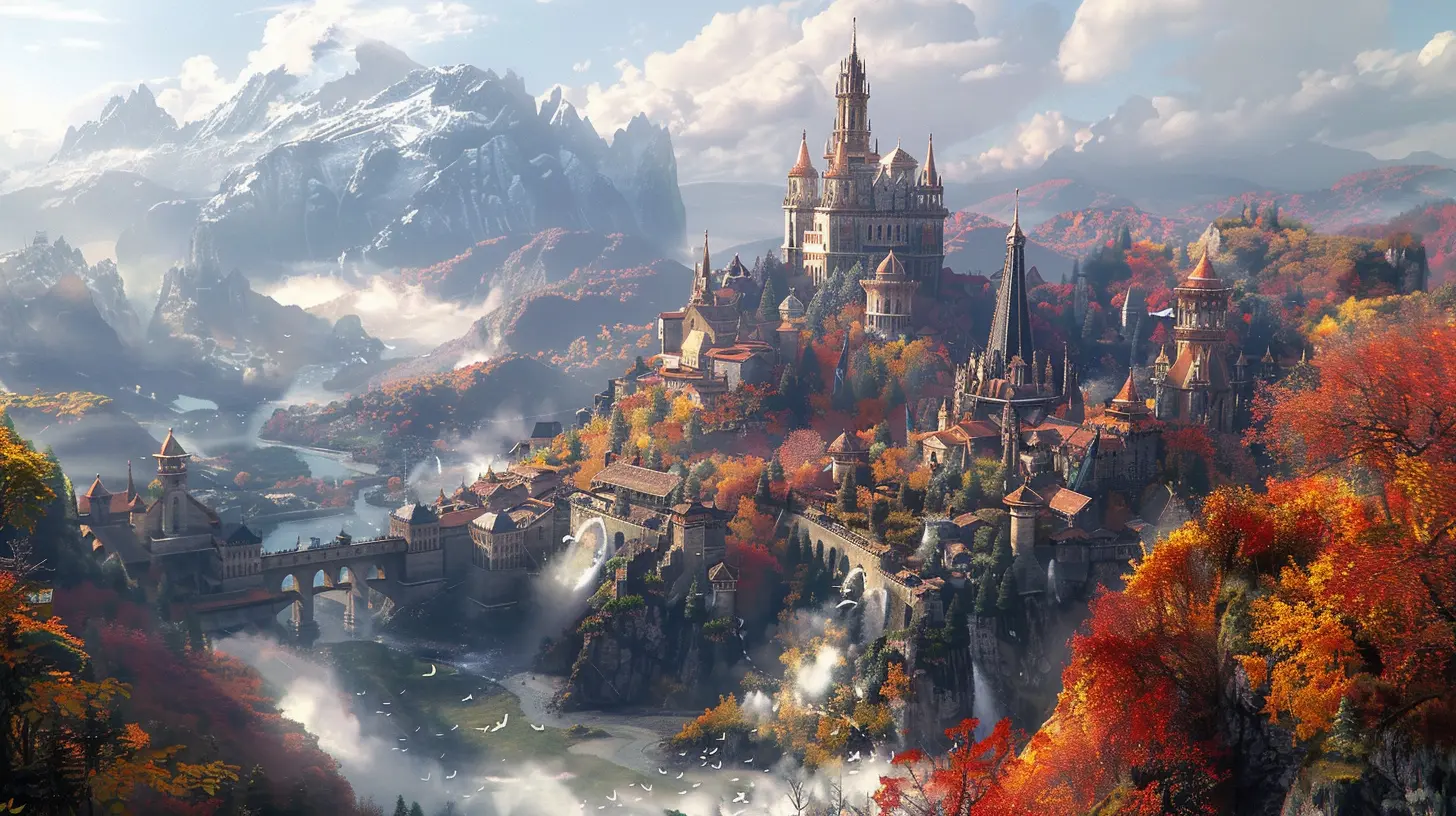
The Role of Technology in Worldbuilding
Today’s tech makes robust worldbuilding not just possible, but breathtaking.1. Powerful Engines, Infinite Possibilities
With engines like Unreal Engine 5 and proprietary engines from studios like Rockstar and Naughty Dog, developers can render hyper-detailed environments with dynamic lighting, fluid weather systems, and lifelike animations.It’s not just pretty — these tools help weave the worldbuilding into the game itself. Clues in weather patterns, character expressions, and environmental changes all serve to flesh out the game’s universe.
2. AI and Procedural Generation
AI scripts and procedural generation make game worlds feel alive — even when the player’s doing nothing. NPCs interact with each other autonomously. Wildlife follows believable behavior patterns. The world keeps spinning, even without you.That’s next-level immersion.
Memorable Worlds That Set the Standard
Let’s highlight a few AAA games that nailed worldbuilding so well, they basically wrote the playbook.The Witcher 3: Wild Hunt
This game is worldbuilding royalty. From the war-torn Northern Realms to the Skellige Isles steeped in Viking culture, every corner is drenched in history, folklore, and regional flavor. Even side quests are infused with lore.Red Dead Redemption 2
You don’t just play as an outlaw — you live like one. Mundane activities like shaving, eating, or bonding with your horse build immersion. Towns evolve over time. People remember your actions. It’s wild.Elden Ring
Mystery is the name of the game here. Elden Ring invites players to piece together its incredibly deep lore through cryptic descriptions, environmental storytelling, and community theories. It doesn’t hold your hand — and that’s part of the magic.Why Gamers Crave Well-Built Worlds
Let’s face it — we play games to escape. To lose ourselves in places we’ll never visit in real life. The better the worldbuilding, the deeper that escape.AAA players are looking for more than just a good time. They want stories that matter, stakes that feel real, and worlds that stick with them long after the credits roll. Worldbuilding makes that possible.
It’s what transforms a fun game into a legendary one. It turns casual players into superfans. Forums buzz for years. Fan fiction exists because the world is just that engaging.
Worldbuilding = Long-Term Success
Here’s something many devs overlook — worldbuilding isn’t just great for launch day. It creates longevity.Think about franchises like Fallout, Dragon Age, Final Fantasy, or even Halo. Their worlds are so fleshed out that sequels, spin-offs, novels, and TV shows can build upon the foundation. That’s intellectual property gold.
If your world is compelling, fans will keep coming back. And that’s the dream, right?
Final Thoughts: Build the World, and They Will Come
Worldbuilding isn’t an add-on — it’s the heart of what makes a game unforgettable. For AAA developers, it’s the foundation that supports design, narrative, art, and even gameplay.If you want players to fall in love with your world, give them a reason to care. Make it feel real. Make it live and breathe.
Because the difference between a fun game and a legendary one? It’s all in the world you build.
all images in this post were generated using AI tools
Category:
Aaa GamesAuthor:

Avril McDowney
Discussion
rate this article
2 comments
Elowyn McEachern
Worldbuilding is crucial for AAA games, as it creates immersive worlds that resonate with players. A well-crafted universe enhances storytelling, character development, and player engagement. Without a strong foundation, even the most impressive graphics and mechanics can fall flat. It’s the depth of the world that leaves a lasting impression.
February 2, 2026 at 5:18 AM
Avril McDowney
Absolutely! Strong worldbuilding is essential; it enriches narratives and deepens player connections, making the gaming experience truly unforgettable.
Reid Palmer
Worldbuilding indeed plays a crucial role in shaping immersive experiences in AAA games. A well-crafted universe not only enhances storytelling but also fosters player engagement, making it a vital aspect of game design.
January 31, 2026 at 3:50 PM
Avril McDowney
Absolutely! A strong world enhances narrative and player connection, making it essential for unforgettable AAA experiences.