Why Storytelling in AAA Games Has Never Been Better
14 December 2025
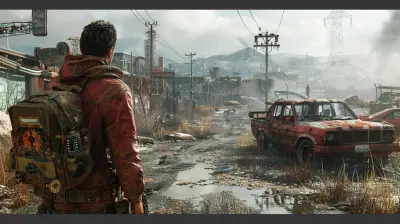
Let’s be honest—modern AAA games are doing something spectacular. Not just in graphics or sound design (though those are obviously jaw-dropping), but in how they tell stories. We’re not just playing games anymore; we’re living them. Whether it’s surviving a post-apocalyptic wasteland, exploring ancient ruins, or unraveling a deep character drama, today’s AAA titles make us feel like we’re part of something epic.
So, what's changed? Why is storytelling in AAA games reaching levels we've never seen before? Buckle up, because we’re about to dive deep into the glorious rise of narrative brilliance in our favorite big-budget games.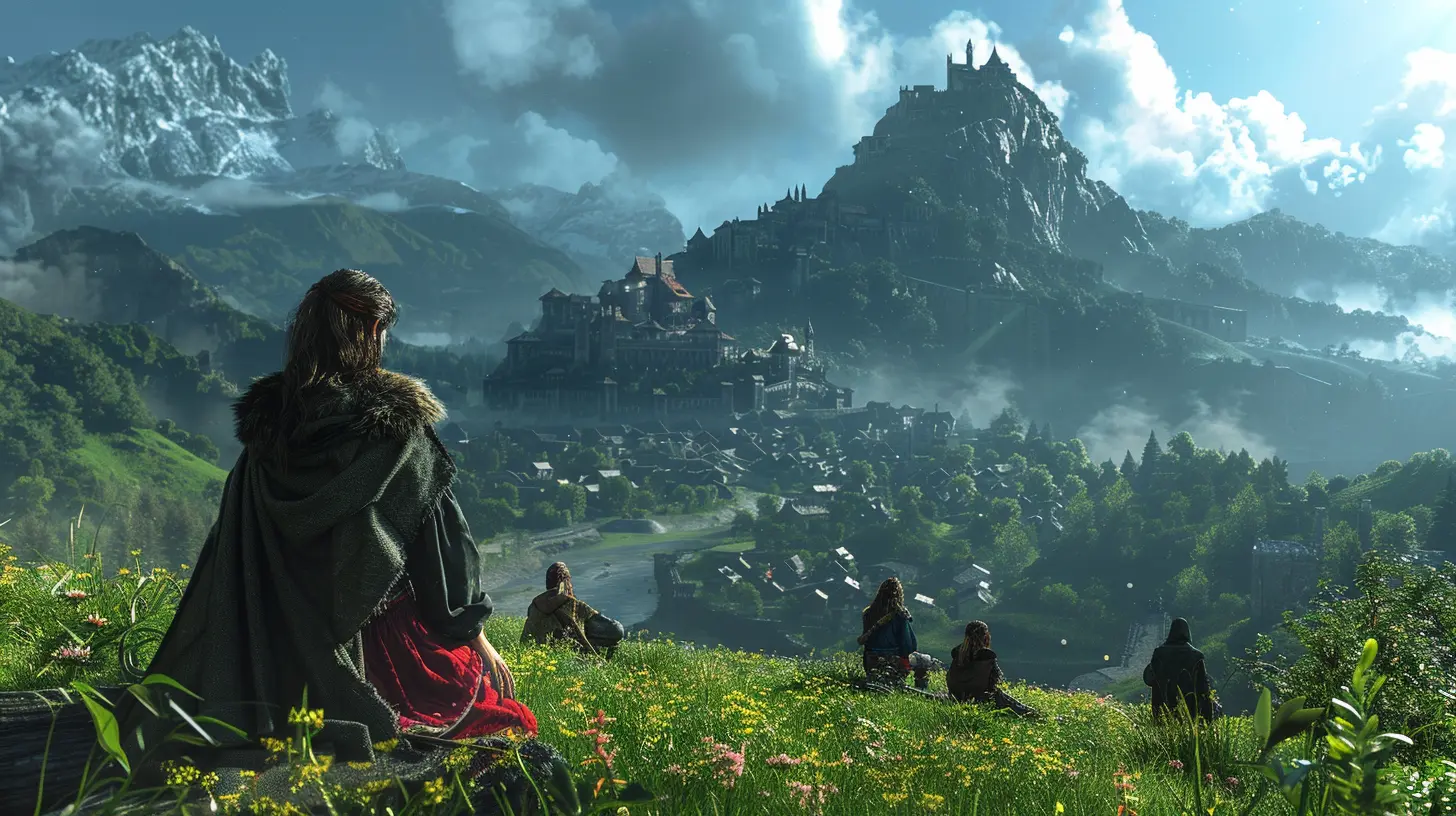
The Evolution of Video Game Storytelling
Once upon a time, video game stories were pretty basic. Think about the classics—jump on platforms, save the princess, beat the boss. Fun? Absolutely. Deep and emotional? Not so much.Fast forward to today, and you're playing a game like The Last of Us Part II and suddenly questioning the morality of every choice, or you're crying over pixelated companions like in Red Dead Redemption 2. Something clicked in the industry—and it’s magical.
From Pixels to Prose
Graphics weren’t the only thing that evolved. As developers gained more tools and creative space, their ability to tell nuanced, layered stories grew too. Now, games aren’t limited by technology—they’re fueled by it. Full motion capture, realistic facial expressions, and voice acting from Hollywood-level talent mean characters feel real.And when characters feel real, the stakes feel real. You’re not just pressing buttons—you’re making decisions, choosing sides, and sometimes… just sitting in silence, soaking in the emotional impact of a perfectly delivered scene.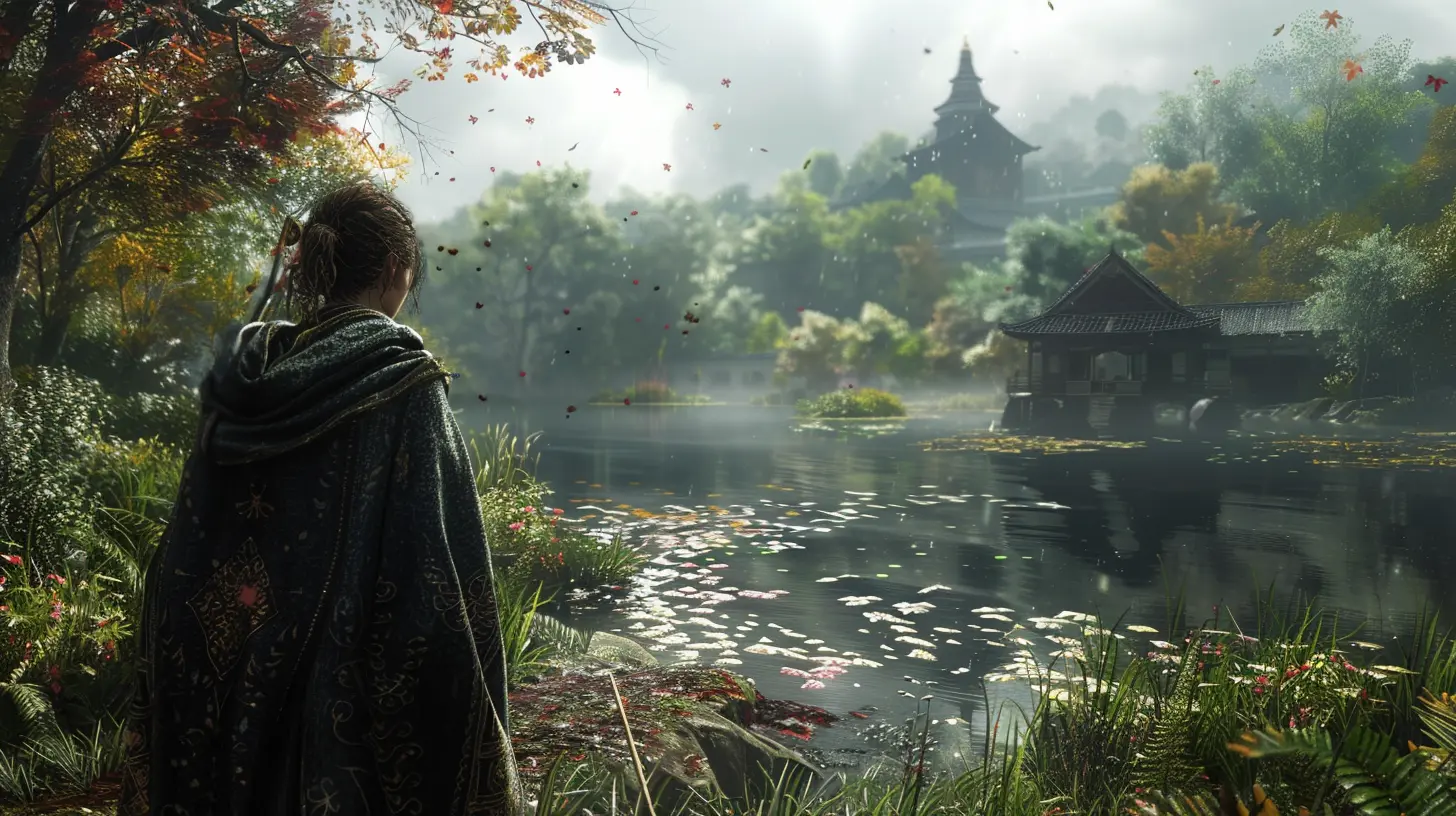
Cinematic Quality? We’re Already There
Ever played a AAA game and felt like you were inside a movie? That’s no accident. Game studios take inspiration from cinema, hiring screenwriters, motion capture actors, and top-tier composers to flesh out their worlds.Think of God of War (2018). It’s not just about smashing monsters—though, yeah, that’s fun too—it’s about a father and son learning to understand one another. The camera keeps tight, immersive, and intimate, never cutting away. It’s all intentional. It makes every moment feel like it matters.
The Power of Performance
Modern titles regularly feature performances by actors who treat the role like theater or film, not just a gig. You can see the emotion in their eyes, hear it in their voice. Characters like Arthur Morgan (Red Dead Redemption 2) or Ellie (The Last of Us) aren’t just avatars—they’re people we come to care about deeply.
Interactivity Boosts Emotional Impact
Alright, here’s where games blow movies out of the water: interactivity. You’re not just watching the story unfold—you’re part of it.Unlike a film where you're a passive viewer, narrative-driven games ask you to make choices, explore, and even question your own morals. Games like Mass Effect or Detroit: Become Human put you in the driver’s seat. What you choose impacts the story’s direction—and that makes everything feel incredibly personal.
Player Agency: The Secret Sauce
When games let you choose how the story unfolds, you feel ownership. That victory? Yours. That tragic ending? Also yours. It’s this emotional connection, mixed with decision-making, that makes modern storytelling soar.It’s no longer just about what happens. It’s about what you choose to make happen.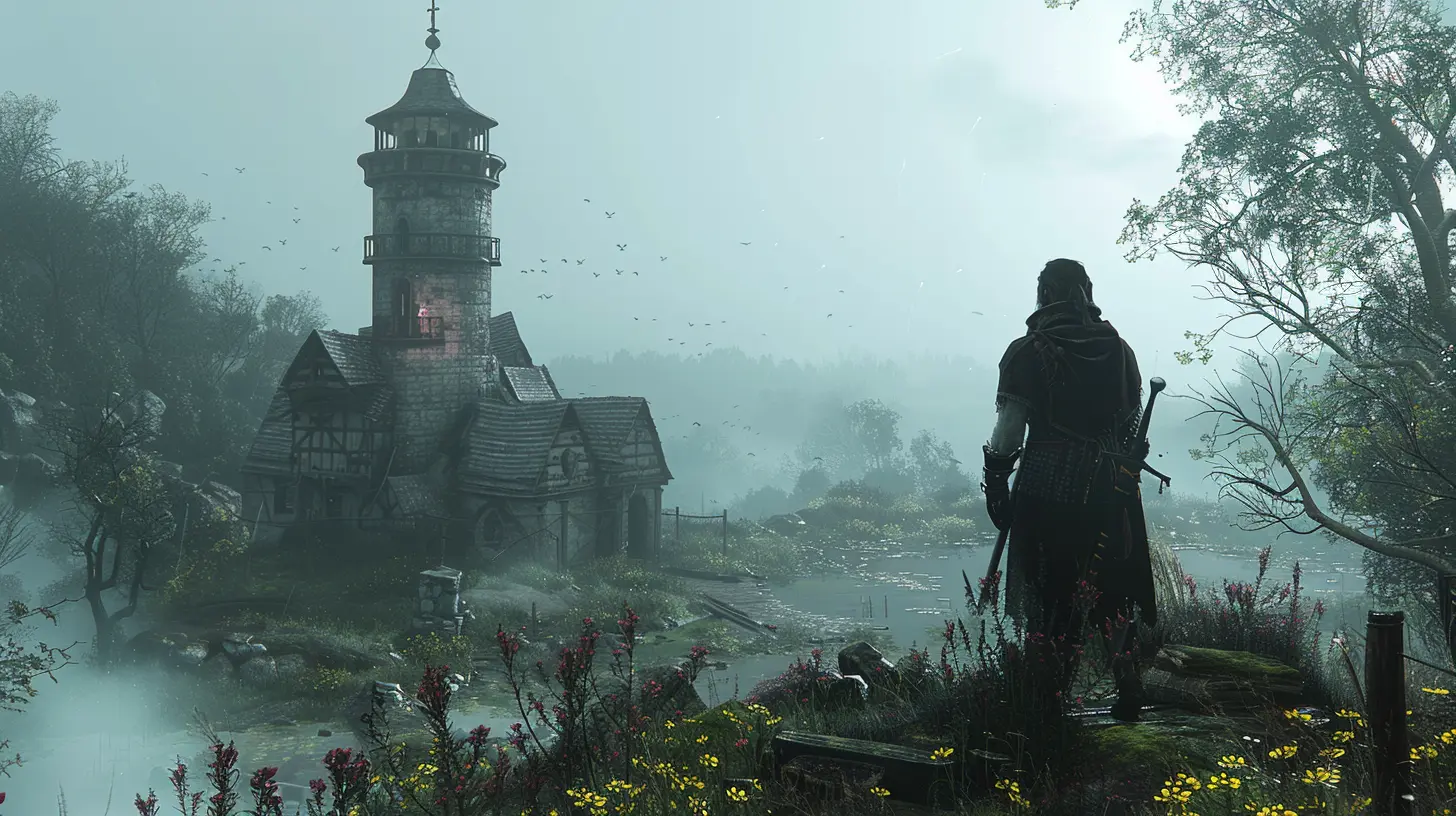
Writing That Competes with Hollywood
Let’s talk writing. AAA games have way stepped up their script game. Dialogue feels genuine, characters have depth, and plot twists? Chef’s kiss.Gone are the days of clunky, awkward lines. Now, you have complex narratives with themes of loss, love, revenge, redemption, and everything in between. Games like Horizon Forbidden West delicately tackle topics like environmentalism and identity without feeling preachy.
Themes That Matter
Games aren’t afraid to get deep. They’ll ask tough questions. They’ll stir debate. And the best part? You get to ponder all of it while exploring vast worlds, solving puzzles, or engaging in epic battles. It’s like reading a novel, watching a blockbuster, and living through it—all at once.Worlds That Feel Alive
One huge reason storytelling shines today? World-building. AAA developers go above and beyond to craft detailed, believable environments that help tell the story without a single line of dialogue.Sneaking through the overgrown ruins of Seattle in The Last of Us Part II, or walking the bustling cobblestone streets of Novigrad in The Witcher 3, tells you so much about the world, the politics, the people living there. It’s storytelling through design.
Environmental Storytelling FTW 🎮
Sometimes, a broken toy in a corner, a scribbled note on a corpse, or a deserted town says more than a cutscene ever could. It’s subtle, but powerful. And it makes you want to seek out every hidden detail.Technology Is the Storyteller’s Best Friend
Modern tech has leveled up what’s possible in a big way. We’re talking about massive open worlds, real-time decision systems, AI-driven characters, and photorealistic graphics.With the power of next-gen consoles and high-performance PCs, developers can fully realize the stories they want to tell. No more cutting corners. No more sacrificing emotion for performance. Now, both walk hand-in-hand.
Real-Time Reactions, Real Emotions
New engines let characters react dynamically to your choices. This adds another layer of realism. Instead of a binary outcome—good ending or bad ending—you get a range of consequences that reflect you. It’s storytelling that adapts, reacts, evolves.Diverse Voices, Diverse Stories
Let’s give a round of applause for the increasing diversity in game development. As more voices enter the scene—writers from different backgrounds, cultures, and experiences—the stories get richer and more authentic.Games today explore perspectives we rarely saw before. Titles like Ghost of Tsushima, Assassin’s Creed Valhalla, and Life is Strange: True Colors highlight different voices and don’t shy away from emotional depth.
Representation Matters
When people see themselves reflected in stories, it’s powerful. Whether it's gender identity, race, culture, or personal struggle, modern AAA games are starting to tell everyone's story—not just a select few. And that makes the entire experience feel more inclusive and genuine.The Rise of Narrative-Driven Franchises
Some franchises are built entirely around their stories—and fans eat it up. Think about how hyped everyone is for the next installment of Final Fantasy, or the emotional investment players have in Dragon Age or The Last of Us series.Story isn’t an afterthought anymore—it’s the main event.
Long-Term Emotional Investment
When a game makes players care about its characters over multiple titles, that’s loyalty. That’s good storytelling. It turns casual fans into lifelong die-hards, eagerly waiting for the next emotional rollercoaster.Multiplayer Games? Yep, They’re Getting Narrative, Too!
You might think storytelling is just for single-player games, right? Not anymore. Even multiplayer-focused titles are introducing rich lore, compelling characters, and seasonal storylines.Fortnite, Apex Legends, and Destiny 2 constantly drop narrative bombs that keep players talking. You may be battling it out in real-time, but you're also following a story arc that evolves over time. Dynamic storytelling, meet online mayhem.
Shared Worlds, Shared Stories
When thousands of players experience the same story simultaneously—but in different ways—it creates a shared community narrative. It’s like being part of a massive, ongoing TV series… only you’re in it.Storytelling Isn’t Just Better—It’s Essential
Here’s the thing: storytelling in AAA games isn’t just better—it’s crucial. In a world full of endless entertainment choices, games need to stand out. A gripping story does exactly that.Those emotional highs and lows? The unforgettable characters? The plot twist you didn’t see coming? They’re why you keep playing. Why you recommend the game to your friends. Why you reflect on it weeks after finishing.
What’s Next? The Future Looks Bright
We’re just scratching the surface. With tech advancing, storytelling techniques getting sharper, and developers constantly pushing boundaries, the next wave of AAA games is poised to be even more immersive, emotional, and unforgettable.Imagine branching narratives powered by AI, VR adventures with story-rich experiences, or fully voice-reactive NPCs that feel like living beings. It's all on the horizon.
Final Thoughts
AAA games have come a long way—and storytelling is now at the heart of the experience. Thanks to cinematic techniques, powerful writing, rich world-building, inclusive voices, and game-changing technology, we’re living through a golden age of narrative-driven gaming.And honestly? It’s never felt better to pick up the controller, press start, and lose yourself in a beautifully told video game story.
So, whether you're hunting Norse gods, surviving zombies, or navigating alien politics, just know: you're not just playing a game—you're living a masterpiece.
all images in this post were generated using AI tools
Category:
Aaa GamesAuthor:

Avril McDowney
Discussion
rate this article
2 comments
Lys McHugh
AAA games are like my grandma's lasagna—layered, rich, and always full of surprises! Who knew saving the world could come with plot twists sharper than my uncle's jokes? If only they could fix my real-life quest for snacks during cutscenes!
December 22, 2025 at 6:00 PM
Avril McDowney
Haha, love that comparison! Just like grandma's lasagna, AAA games definitely know how to keep us engaged and craving more—snacks included!
Petra Sharpe
Great insights! Storytelling truly elevates AAA games to new heights.
December 21, 2025 at 3:57 PM
Avril McDowney
Thank you! I completely agree—compelling narratives are essential to the immersive experience of AAA games.