Why Performance Optimization Matters More Than Ever
18 December 2025
Let’s be real for a second—nobody wants to play a game that stutters, lags, or takes forever to load. We’ve all been there: you're deep into an intense boss fight or exploring a stunning open world, and suddenly, your frame rate tanks. It’s like hitting a pothole doing 80 mph. Not only does it kill immersion, but it can literally ruin a gameplay experience that otherwise had so much potential.
In the fast-paced, high-expectation gaming world we live in today, performance isn't just a bonus—it's a deal-breaker. So, let's dive into the very real, very pressing reason why performance optimization matters more than ever. Whether you're a developer crafting the next big hit, a publisher pushing for maximum engagement, or a gamer who just wants their machine to run buttery smooth, this is for you.
What is Performance Optimization Anyway?
Before we deep-dive, let’s break this down. Performance optimization in gaming is all about fine-tuning the game’s code and assets to ensure everything runs efficiently. We're talking better frame rates, faster loading times, fewer crashes, reduced input lag—you name it. Basically, it’s the behind-the-scenes magic that makes games feel smooth, responsive, and seamless.These optimizations impact how well a game runs on a wide range of hardware, from next-gen consoles to your 5-year-old gaming PC. It’s the difference between playing a cinematic masterpiece or staring at a PowerPoint presentation with a fancy skin.
The Modern Gamer Has Zero Patience
Let's face it: gamers today have more choices than ever. Thousands of titles drop each year, and most people don’t stick around for a game that underdelivers—even if the story is fire or the graphics are stunning.If a game stumbles out of the gate with performance issues, it gets roasted on social media, tanks on Steam reviews, and is quickly forgotten. First impressions aren’t just important; they're everything. Ask anyone who played Cyberpunk 2077 at launch.
Gamers want high performance out of the box. We're talking consistent 60+ FPS, minimal bugs, and fast load times. If your game can’t meet that bar, good luck keeping players invested.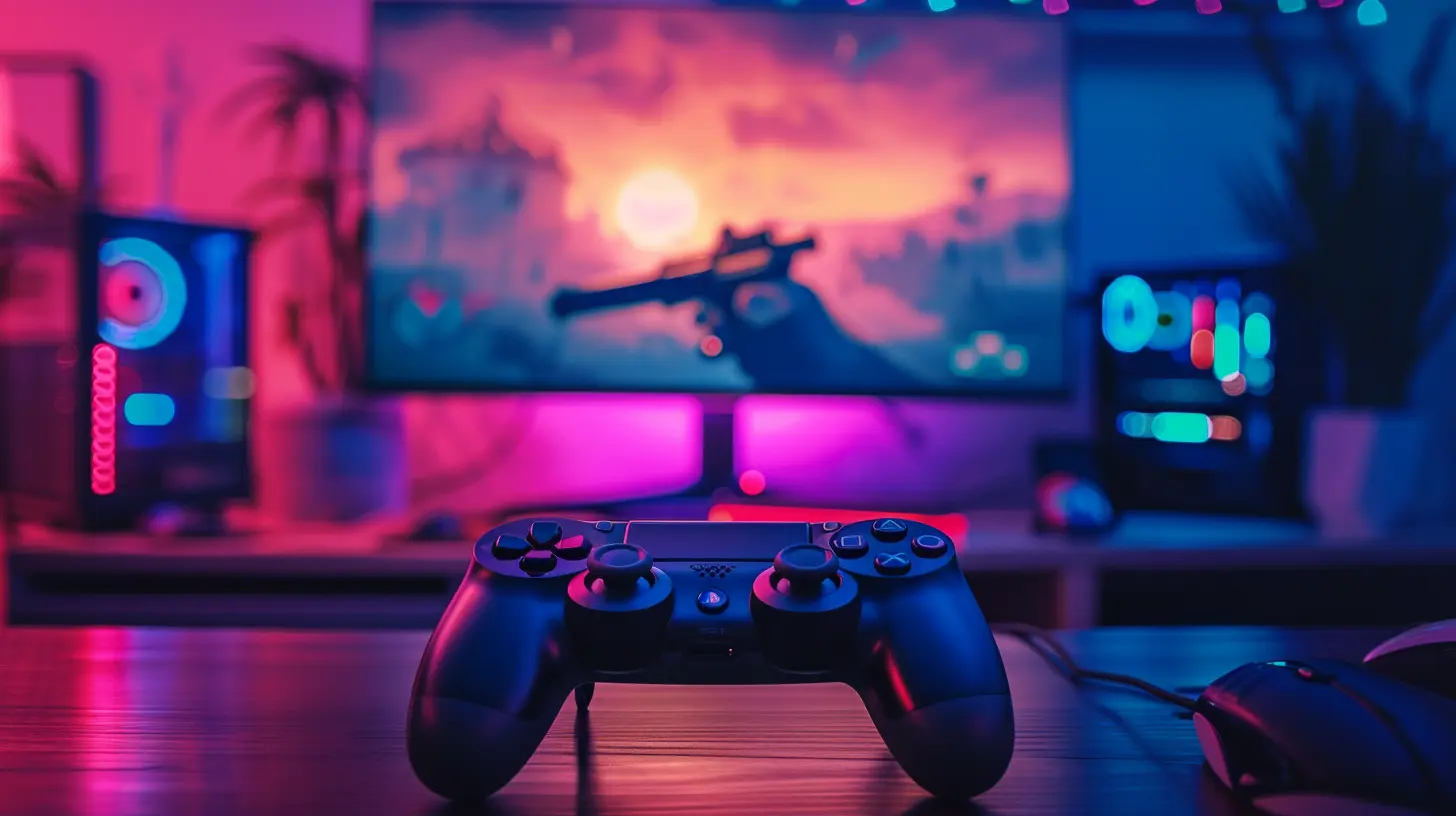
Why Performance Optimization Isn’t Optional Anymore
1. Hardware Diversity is Massive Now
Once upon a time, you could optimize a game for just one or two platforms. Maybe a console and a mid-range PC build. Those days are long gone.Today, games launch across dozens of GPU and CPU combinations, multiple consoles (with very different specs), and even mobile devices in many cases. And let’s not forget cloud platforms like GeForce NOW or Xbox Cloud Gaming.
That’s a lot of ground to cover. Performance optimization ensures your game doesn’t fall flat when someone plays on a less-than-optimal setup.
2. Game Sizes Are Ballooning
Games used to be small—heck, Doom 1993 was less than 3MB! Now? You’re lucky to get a AAA title under 80GB. With massive open worlds, high-resolution textures, real-time physics, ray tracing, and dynamic weather systems, games are pushing limits like never before.All that tech comes at a price. Without smart optimization, even the most powerful rigs can choke. Optimization is essential if you want all that visual candy without sacrificing gameplay.
3. Streaming and Esports Make Performance Public
Think about it: if a game runs poorly, everyone sees it. Streamers with thousands (or millions) of followers broadcast every glitch, stutter, and lag spike in real time.In the esports world, performance isn’t just about aesthetics—it’s about fairness. Frame drops or lag can literally cost someone a tournament. The stakes are higher, and performance issues are more visible than ever.
Optimizing performance isn’t just for the user’s benefit; it’s about brand reputation and competitive integrity too.
Players Expect Quality, Period.
Remember when we used to make excuses for games? “Oh, it’s just early access,” or “they’ll patch it later.” Yeah, not anymore. Players expect polished products. If it's on the shelf, it's fair game for criticism, no matter how small the studio is.When expectations are sky-high, performance bugs and technical hiccups come off as laziness—or worse, incompetence. Optimization tells your audience, “Hey, we care about your experience.”
Bad Performance Kills Engagement
Here’s a hard truth: it doesn’t matter how good your storyline is or how innovative your gameplay might be. If your game barely runs, players will bounce.Human brains hate friction. If something slows us down, especially something that’s supposed to be fun, we just move on. Optimizing performance removes that friction, making play smooth, intuitive, and addictive.
That’s the holy trinity of engagement: no lag, no interruptions, no excuses.
Optimization = Accessibility
We often talk about accessibility in terms of UI design, colorblind modes, or controller remapping. But performance optimization is a massive part of making games more accessible too.A well-optimized game runs decently on lower-end systems. That means more people can play who might not have the latest hardware.
Don’t have a $2000 gaming PC? No problem—if the devs did their job, you can still enjoy the game. That’s inclusivity. That’s making gaming better for everyone.
Longer Shelf Life = More Revenue
Here’s a direct link: the better a game runs, the longer people play it. The longer people play a game, the more opportunities for monetization—whether that's DLCs, cosmetics, season passes, or in-game currency.By keeping players engaged longer, performance optimization indirectly boosts your bottom line. Think of it as long-term investment vs. short-term flash.
A game that performs well at launch can keep performing—literally and financially—for years.
Dev Studios Save Time and Money in the Long Run
Ironically, a lot of studios avoid deep optimization during development because it “takes too much time.” But that’s missing the big picture.Optimized code is easier to patch, easier to port, and easier to debug. It reduces the risk of shipping a broken product, which saves you from the PR nightmares, refund waves, and late-night hotfix marathons.
Spending a little more time on optimization early on can save months of headaches post-launch. It’s like flossing—you might not see the benefit right away, but you'll thank yourself later.
Best Practices for Performance Optimization
Okay, let’s get practical. How do devs actually improve performance?- Profile Early and Often: Use profiling tools to find performance bottlenecks while you build the game, not after.
- Level of Detail (LOD) Systems: Dynamically reduce model complexity based on distance from the camera.
- Texture Streaming: Only load HD textures when necessary.
- Object Pooling: Reuse memory objects instead of constantly allocating new ones.
- Multithreading: Spread the work across multiple cores for faster, more efficient processing.
- Code Refactoring: Clean, modular code runs better and is easier to optimize.
- Asset Optimization: Compress audio files, reduce polygon counts, and bake lighting where possible.
These aren’t optional anymore—they’re the baseline for a solid, scalable game.
The Future is Demanding—Stay Ahead
Virtual reality, augmented reality, real-time ray tracing—these aren’t concepts from a sci-fi novel. They’re happening now. And they require even more performance overhead.Games are getting bigger, smarter, and more connected. If your backend can’t keep up, you're going to fall behind.
Performance optimization isn’t just a technical checkbox. It’s a survival requirement in today’s ultra-competitive, hyper-visible, always-online gaming ecosystem.
Final Thoughts: Performance is the New Playground
At the end of the day, here's the deal: games are more than just pretty pictures and epic stories. They're experiences. And bad performance wrecks those experiences faster than you can alt+F4.Whether you're building a cozy indie sim or a jaw-dropping AAA multiplayer shooter, optimization needs to be part of your DNA. It’s not just about making games run—it's about making them feel alive, responsive, and unforgettable.
So the next time you boot up a well-polished game that loads in seconds, runs at 120 FPS, and never crashes, take a moment to appreciate the silent heroes behind the scenes. Optimization is performance art. And in 2024, it's more important than ever.
all images in this post were generated using AI tools
Category:
Aaa GamesAuthor:

Avril McDowney
Discussion
rate this article
2 comments
Lanae McDermott
Smooth gameplay, endless joy blooms.
December 21, 2025 at 3:57 PM
Avril McDowney
Thank you! Smooth gameplay truly enhances the overall experience, highlighting the importance of performance optimization.
Elara Carr
Neglecting performance optimization risks alienating players; smooth experiences are essential for engagement.
December 19, 2025 at 3:42 PM
Avril McDowney
Absolutely, performance optimization is crucial for maintaining player engagement and satisfaction. A smooth experience directly impacts enjoyment and retention.