Why Classic Games Are Still Popular Among New Gamers
4 March 2026
Let’s face it—video games have come a long way. We've got lifelike graphics, expansive open worlds, and physics engines that can simulate reality better than most budget movies. So, why in the world are younger gamers still firing up pixelated 8-bit titles from the '80s and '90s?
That’s the question, isn’t it? With all the bells and whistles in the modern gaming world, classic games are still holding their ground. In fact, they're more than holding it—they’re thriving. Whether it’s through retro consoles, remastered editions, or emulators, old-school games are connecting with new generations in ways nobody really expected.
Let’s break down exactly why classic games are still a hit with today’s gamers.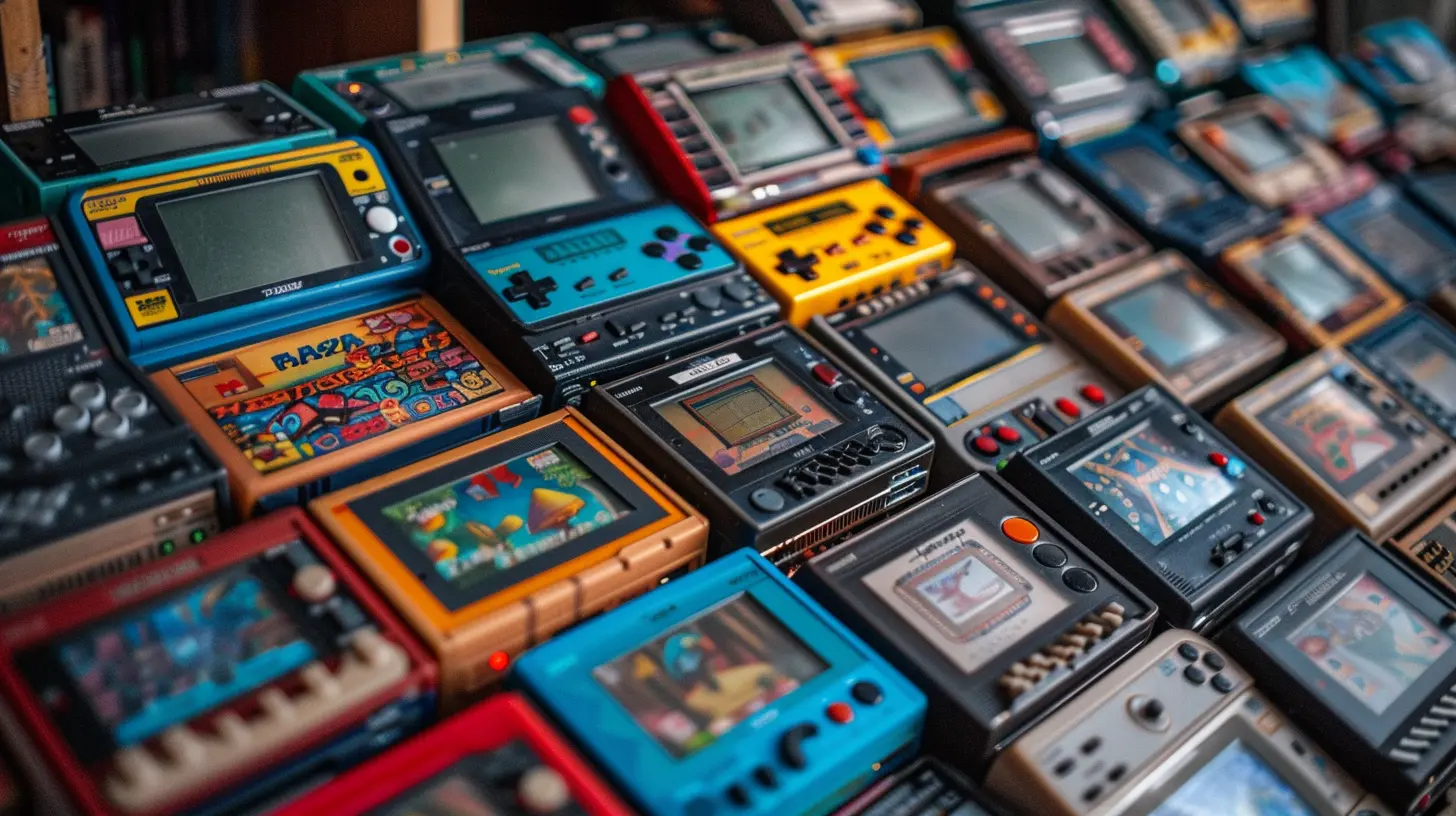
Nostalgia’s Not Just for the Old Folks
Okay, yes—nostalgia plays a big role for people who grew up with these games. But here’s what most people miss: even young players feel nostalgia for a time they didn’t live through.That sounds weird, right?
But think about it—retro aesthetics have made a massive comeback. Pixel art, chiptune music, even the old-school UI design—it’s everywhere. New gamers are drawn to that style like bees to honey. Games like Shovel Knight or Celeste wear their old-school inspirations like a badge of honor, and they’re loved for it.
It’s almost like classic games have become their own kind of hip vintage—like vinyl records or Polaroid cameras.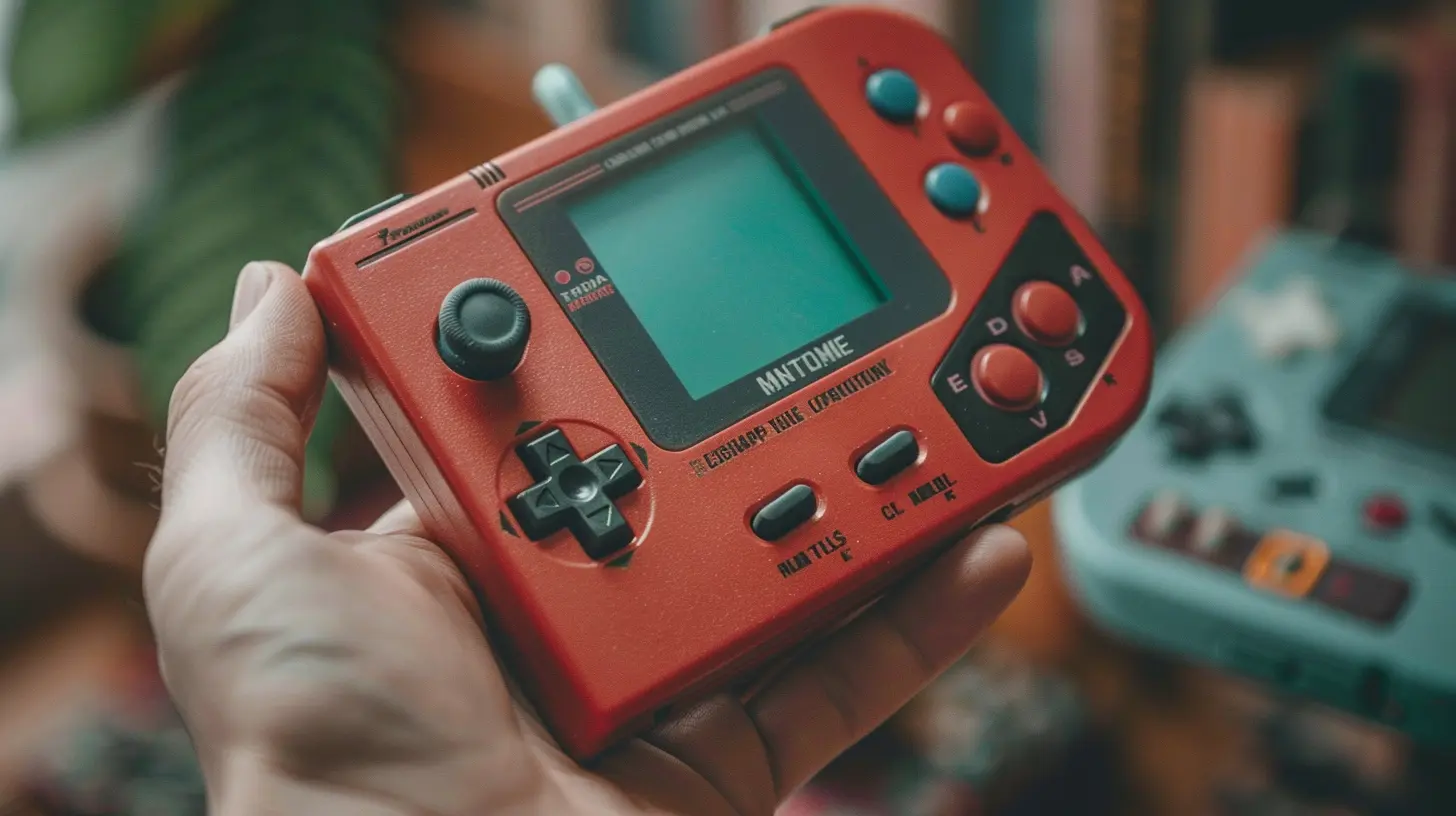
Simplicity That Just Works
Modern games are great, but sometimes they feel... overwhelming.Long tutorials, massive open worlds, endless side quests, complex controls—it can be a lot. Honestly, sometimes you just want to press “Start” and play, without watching an hour of cutscenes or learning ten new button combos.
Classic games offer instant gameplay.
You turn it on, and boom—you’re jumping over bottomless pits or dodging aliens. No fluff. Pure fun. That simplicity is refreshing to new gamers who’ve been drenched in complexity their entire gaming lives.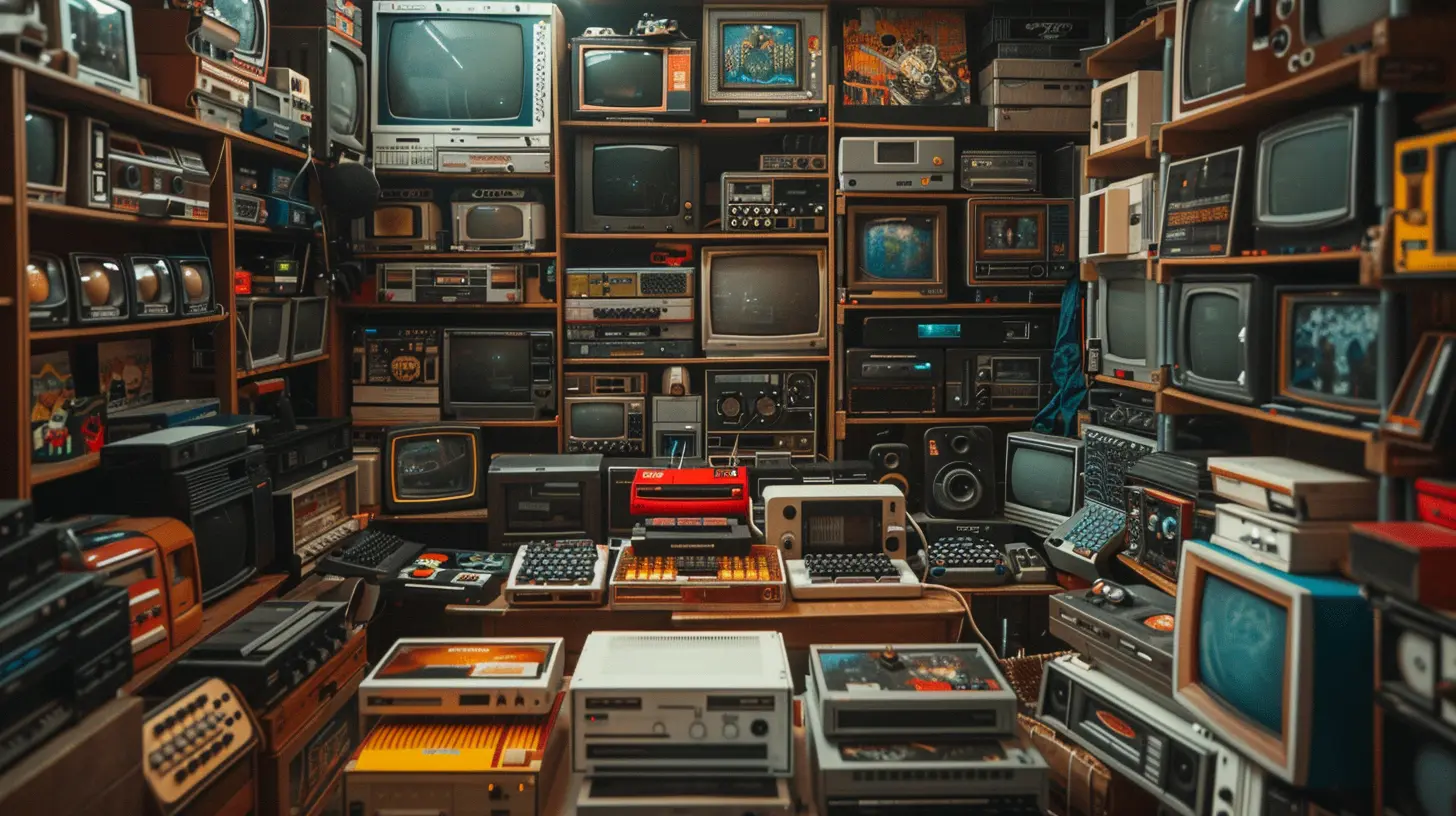
Timeless Gameplay Mechanics
Let’s make one thing clear—gameplay doesn’t age when it’s done right.Think about Tetris, Super Mario Bros., Street Fighter II, or The Legend of Zelda. These games have mechanics that are still solid decades later. They’re intuitive, challenging, and satisfying. That kind of quality sticks.
You know how your grandma’s homemade cookies still taste better than anything store-bought? Yeah, classic gameplay is like that. It’s not flashy, but it’s made with care and it just works. That’s something new gamers are learning firsthand.
Accessibility and Affordability
Here’s a big one—classic games are easy to get and cheap to play.With platforms like Nintendo Switch Online, Xbox Game Pass, or even simple emulators, younger players don’t need to spend hundreds to dive into legendary titles. A quick download and they’re off to explore Metroid, Mega Man, or Chrono Trigger.
And get this—many indie developers are releasing games inspired by classic design at lower price points, making it even easier for budget-conscious gamers to enjoy that old-school vibe.
Let’s be real: not every teenager has $70 to drop on the latest AAA release. But they can fire up ten classic games for a fraction of the cost.
The Rise of Indie Games with Retro Roots
If you’ve been cruising through Steam or Nintendo eShop lately, you’ve probably noticed a trend. Indie developers are obsessed with classic games—but in the best way possible.Games like:
- Hollow Knight (Metroidvania-style exploration)
- Stardew Valley (inspired by Harvest Moon)
- Undertale (classic RPG vibes with a twist)
All of these borrow heavily from the games of the past, but they modernize the approach. For young players, these indie hits act as a bridge. They get a “modern-retro” experience that’s both familiar and fresh.
And here’s the kicker—once they love those games, curiosity drives them back to the originals. Suddenly, a teenager who’s obsessed with Hollow Knight is diving into Super Metroid. That’s the power of retro-inspired design.
The Culture of Streaming and YouTube
Let’s talk about content creators for a second.Twitch streamers and YouTubers have done wonders for bringing classic games back into the spotlight. Whether it’s speedruns of Super Mario 64, deep-dive retrospectives on the Final Fantasy series, or “first time playing” reaction videos—classic games are trending again.
For new gamers watching these videos, there’s a powerful sense of community. They’re not just watching gameplay, they’re joining a shared experience. It creates buzz, builds hype, and suddenly a 30-year-old title becomes the hot new thing on social media.
Challenge and Reward—The “Git Gud” Mentality
Let’s be honest—older games don’t hold your hand.Games like Ninja Gaiden or Contra are brutally hard, and they don’t come with safety nets. That’s actually a selling point. Classic games reward skill and persistence. You either “git gud” or you go home.
And guess what? That challenge is attractive to a lot of new players who are tired of overly forgiving modern titles. There’s pride in beating a hard game the old-fashioned way—no auto-saves, no infinite lives, just you and the game going head-to-head.
It’s a rite of passage. It’s proof you’ve got the skills to hang with the best. That kind of challenge creates loyal fans.
Authenticity Over Hype
Let’s be real—modern gaming can get bloated.Massive marketing campaigns, endless updates, day-one patches, broken launches... it can be a mess. Classic games, on the other hand, are straight-up finished products. What you see is what you get.
New gamers are smart. They can spot authenticity when they see it. They know when a game is made with love versus one pumped out for profit. Classic titles were often made by small teams with a clear vision, and that genuine passion still shines through.
That kind of authenticity resonates, even across generations.
Legacy and Influence
Today’s gamers stand on the shoulders of giants. Every modern masterpiece owes something to the classics.Understanding where games came from is part of loving where they are now. When a new gamer plays Castlevania, they get a glimpse of the DNA behind Dark Souls. When they play DOOM, they see the ancestor of every FPS out today.
It’s like a history lesson that’s actually fun.
And let’s not forget—some classic franchises are still active. Zelda, Mario, Final Fantasy, Street Fighter—they’ve evolved, sure, but the roots go deep. Playing the originals gives new fans a deeper appreciation of how their favorite series started.
The Retro Revival Is Real
Retro gaming isn’t a niche anymore—it’s mainstream. Companies are re-releasing old consoles (hello, NES Classic), creating remasters, and porting legacy titles to modern systems.That means classic games are more accessible and more polished than ever before. It’s easier to play old games on modern tech without all the headaches (like blowing on cartridges).
This revival isn’t just about nostalgia—it’s about celebrating what made games timeless in the first place.
Social Sharing and Retro Bragging Rights
Gamers love flexing their skills—and what better way to flex than beating a legendary hard-as-nails classic?Posting a screenshot of a Castlevania boss defeat or a perfect Pac-Man score earns serious clout. It's like wearing a vintage band T-shirt. People respect the grind.
Classic games are the ultimate test of gaming cred, and younger gamers want in on that.
Final Thoughts: Classics Aren’t Old, They’re Timeless
Let’s put it all together.Classic games are more than just relics—they’re legends. They hit the sweet spot between challenge and fun, simplicity and depth, nostalgia and novelty. New gamers aren’t just tolerating them—they’re embracing them.
Maybe it's because they want to know where gaming started. Maybe it's the charm, the challenge, or just the curiosity. Whatever the reason, one thing's for sure:
Classic games aren’t going anywhere.
They’re not just popular with new gamers—they’re shaping how the next generation plays, thinks, and creates. And honestly? That’s pretty awesome.
all images in this post were generated using AI tools
Category:
Classic GamesAuthor:

Avril McDowney
Discussion
rate this article
2 comments
Sloan Wallace
Great article! It’s fascinating to see how classic games continue to captivate new gamers with their timeless charm and engaging gameplay. Nostalgia never fades!
March 14, 2026 at 3:32 PM
Avril McDowney
Thank you! I’m glad you enjoyed the article. Nostalgia truly plays a significant role in bridging generations of gamers!
Ashley Kline
Classic games transcend time, proving that timeless gameplay, nostalgia, and creativity resonate with all generations. Embrace the past to inspire the future of gaming!
March 4, 2026 at 4:55 AM
Avril McDowney
Absolutely! Classic games embody timeless gameplay and creativity, bridging generations and inspiring new innovations in gaming.