How Open World Design Is Changing AAA Experiences
20 May 2026
The gaming world is constantly evolving, but if there’s one trend that’s completely reshaped how we experience AAA titles—it’s open world design. The shift from linear storytelling to expansive, player-driven universes has cracked open a new era of immersion. Whether you’re hunting robotic dinosaurs in Horizon Zero Dawn or cruising through Night City in Cyberpunk 2077, the open world format is rewriting the rules.
But how exactly is this design choice changing the face of high-budget gaming? And what does it mean for the future of AAA development? Grab your controller (or mouse), and let's dive deep into this digital frontier.
What Even Is an Open World Game?
Let’s keep it simple. An open world game gives you freedom—freedom to roam, make choices, and interact with the game world at your own pace. Unlike linear games that funnel you from point A to B, open world titles let you go from A to Z, stop at M, take a scenic detour to Q, and completely ignore B if you want.Think Skyrim, GTA V, The Legend of Zelda: Breath of the Wild. These games give you a massive digital playground and whisper, “Go nuts.”
Why AAA Studios Can’t Get Enough of Open Worlds
So why are so many AAA developers going open world lately? The answer is layered, much like a well-designed world itself.1. Immersion on Steroids
Open world design offers an unmatched level of immersion. When developers craft a believable and intricate world, players start to feel like they're living inside it rather than just playing a game. You’re not just controlling a character—you are the character.You don't just visit a city in a cutscene. You walk its streets, hear the gossip, interact with NPCs, and maybe even buy real estate there (looking at you, GTA V).
2. Extended Playtime = More Bang for Your Buck
Let’s get real. AAA games are expensive—for both developers and players. By expanding the game world and offering tons of side quests, collectibles, and secrets, open world games give players more content for their money. A meaty 60-hour journey feels a lot more justifiable than a 6-hour campaign, right?This also keeps players sticking around longer, which is exactly what studios want—especially when you factor in DLCs and microtransactions.
3. Richer Storytelling Potential
Contrary to the belief that open world games sacrifice narrative, many recent titles prove the opposite. Games like Red Dead Redemption 2 use the open world framework to build layered, personal stories. It’s not just about the main quest—the world breathes with tiny stories told through environmental details, character interactions, and emergent gameplay.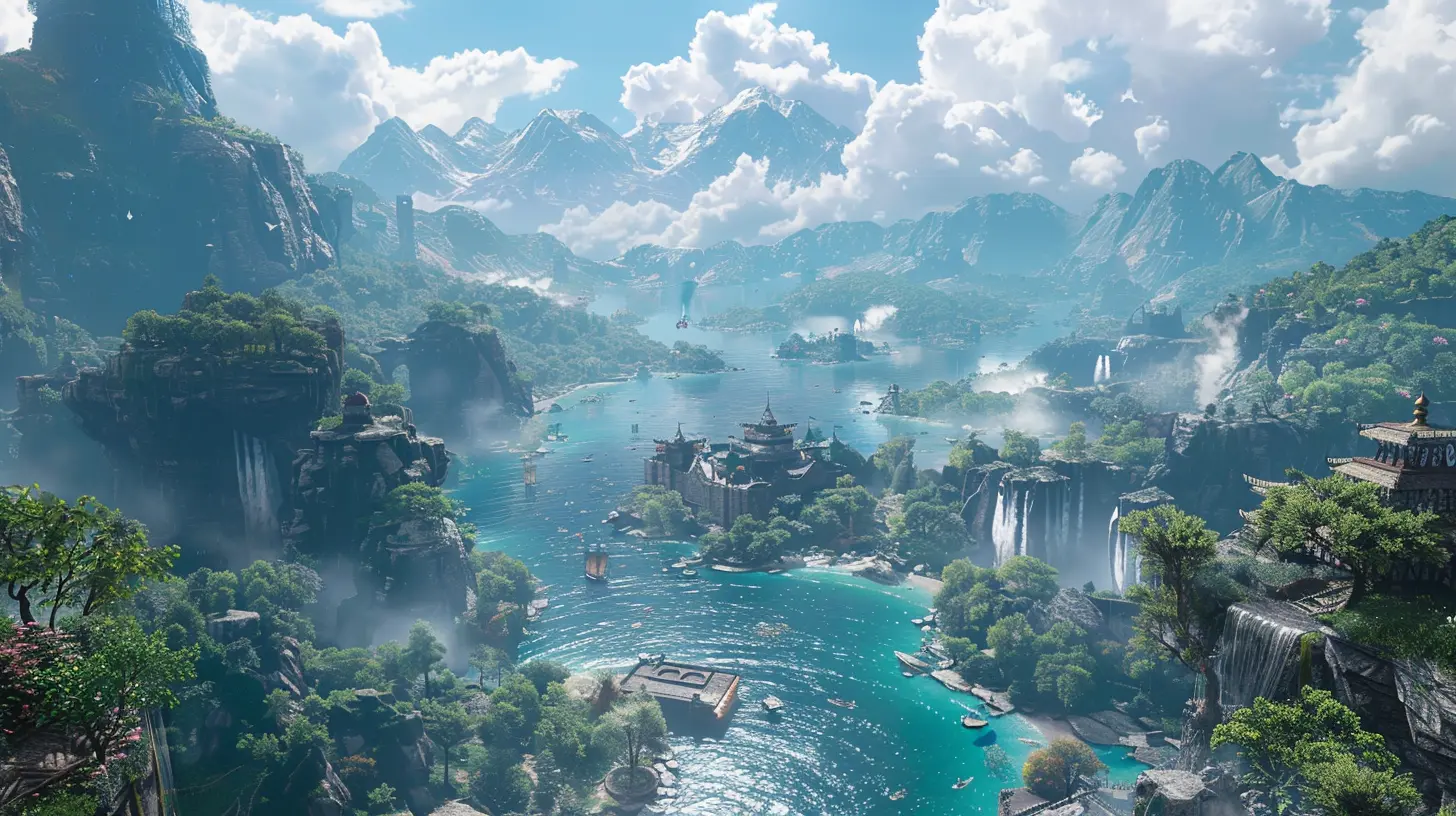
The Technical Challenges Behind the Magic
Let’s not sugarcoat it—building an open world is hard. Like, really hard.Creating a massive, explorable environment loaded with interactive elements, dynamic weather, realistic AI, and seamless transitions takes an enormous amount of resources. It’s like building your own little planet.
And that comes with its own set of headaches:
1. Performance Optimization
Bigger worlds need more processing power. That’s why we often see open world games plagued with bugs, frame rate drops, or long load times. Remember Cyberpunk 2077’s rough launch? Yep, that’s the price of ambition.2. Content Bloat
Sometimes more isn’t better. To stretch the playtime, some open world games pack in repetitive fetch quests and underdeveloped mechanics. Gamers don’t want to be glorified delivery boys—we want engaging experiences, not filler.3. Balancing Narrative and Freedom
Giving players total freedom can hurt pacing. If someone spends 10 hours picking herbs or hunting animals before returning to the main quest, the story can lose momentum. Figuring out how to keep narrative tension alive in a nonlinear world? That’s still an art AAA devs are refining.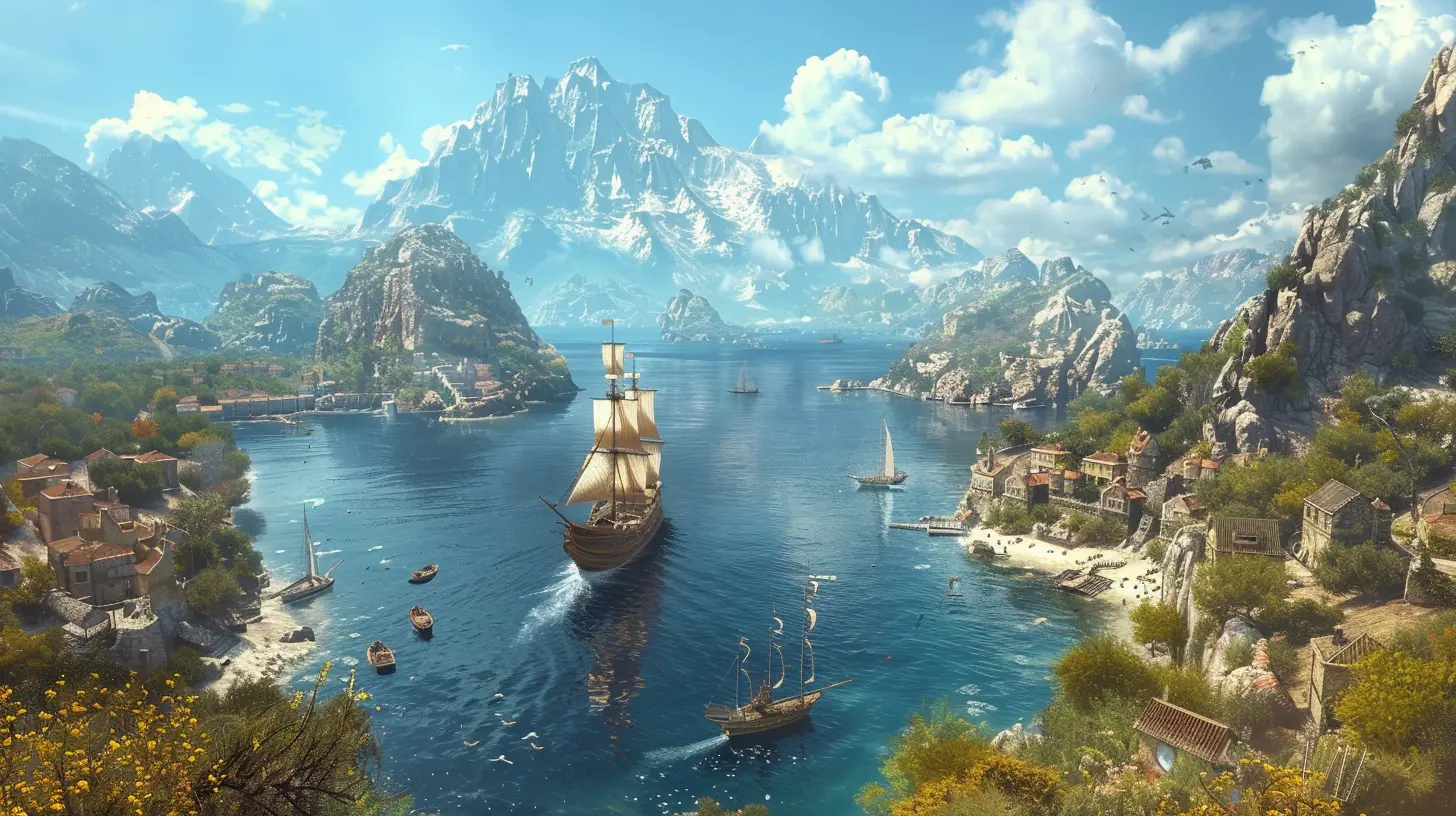
How Open Worlds Are Changing Genre Expectations
Open world design used to be a genre in itself. Now? It’s seeping into all kinds of AAA titles.1. Action Games Aren’t Just About Intensity Anymore
Take God of War (2018). While not fully open world, its semi-open structure allowed players to explore realms, solve puzzles, and uncover lore at their own pace. It gave the brutal combat a broader context—and fans loved it.2. RPGs Have Raised the Bar
Gone are the days of small towns and overworld maps. Now, if an RPG doesn’t have a sprawling, interconnected world, people start asking questions.Look at The Witcher 3. It's the blueprint of what modern RPG fans expect—deep quests, meaningful choices, and a world that reacts to your actions.
3. Even Racing and Sports Genres Are Taking Notes
Yep, even these genres are feeling the open world wave. Forza Horizon turned driving into an exploration-filled adventure. Players don’t just race—they cruise, find secret cars, and challenge themselves in an ever-evolving map.The Influence of Player Demand
Let’s be honest. Developers didn’t just wake up one day and say, “Let’s build massive game worlds for fun!” Players demanded it.Gamers crave agency, exploration, and personal storytelling. We want to shape our journeys, not be passengers in someone else’s ride. Open worlds put us in the driver’s seat. And once players get a taste of that, there’s no going back.
It’s like eating a three-course meal every night—hard to return to plain old microwave dinners.
Procedural Worlds vs Handcrafted Worlds
As more devs chase the open world dream, two major approaches have emerged:1. Procedural Generation
These are worlds built by algorithms. Think Minecraft or No Man’s Sky. The scale is mind-blowing, but the downside? Things can feel generic or lack personality.2. Handcrafted Worlds
These are painstakingly designed by humans. Every rock, every NPC conversation, every hidden cave is placed with intent. The Witcher 3, Assassin’s Creed Odyssey, and Ghost of Tsushima fall into this category.While handcrafted worlds tend to feel more authentic and lived-in, they take years to make. It’s a trade-off between scale and soul.
The Role of AI and Next-Gen Tech
Thanks to AI and next-gen consoles, open worlds are only getting bigger—and smarter.Dynamic NPCs who react to your actions? Real-time weather that affects gameplay? AI-powered quest generation based on your playstyle? These aren’t sci-fi dreams anymore. They're becoming reality.
With the power of the PS5 and Xbox Series X, developers can now blur the line between game and reality even further.
The Downsides We Can’t Ignore
Open world games are amazing, but they’re not perfect. Here are some pitfalls:- Overwhelming Players: Ever opened up the map in a new game and just stared, paralyzed by icons? Yeah, too much freedom can be stressful.
- Burnout: When everything is optional, some players feel aimless or bored. The magic can wear off fast if the world doesn’t keep evolving.
- Homogenization: If every AAA game is an open world RPG-lite with quests, crafting, and skill trees, things start feeling...samey.
We don’t want every game to be another Ubisoft-style formula, right?
The Future—Bigger, Smarter, More Personal?
So where does the open world revolution go from here?We’re probably looking at smarter, more reactive game worlds. Think fewer artificial barriers and more "live" environments. Games might start using machine learning to craft quests based on your playstyle or even procedural storytelling that actually makes sense.
Also, the rise of cloud gaming and streaming might give us even more expansive worlds, accessible on the go. Imagine playing an open world MMO with millions of players, all influencing a dynamic, co-evolving world. Wild, right?
Final Thoughts: Open Worlds Are Here to Stay
The open world format isn't just a trend—it’s a fundamental shift in how games are made and played. It enhances immersion, empowers players, and stretches the limits of what digital storytelling can be.Sure, it's a challenge to pull off, but when it's done right? There's nothing else quite like it. As tech improves and creative boundaries keep expanding, open world design will continue to push AAA experiences into new, mind-blowing territory.
So fire up your favorite world, pick a direction, and just start walking—you never know what you'll find around the corner.
all images in this post were generated using AI tools
Category:
Aaa GamesAuthor:

Avril McDowney
Discussion
rate this article
2 comments
Holly Vaughn
Open world design really shifts how we engage with games. It gives players freedom to explore and experiment, making experiences feel more personal and immersive. However, it also raises expectations for depth and storytelling that developers must meet to succeed.
June 28, 2026 at 4:07 PM
Avril McDowney
I completely agree. Open world design creates unique player experiences, but it also challenges developers to deliver rich narratives and meaningful content. Balancing freedom with depth is key to creating memorable journeys.
Naya McConkey
Open world design has truly transformed the AAA landscape. It's like stepping into a living, breathing universe where every choice feels impactful. I love how these games offer endless exploration and story possibilities, making each adventure uniquely mine.
May 20, 2026 at 4:18 AM
Avril McDowney
Absolutely! Open world design adds depth and personal connection, allowing players to shape their own journeys in ways that resonate. It's exciting to see how this approach continues to evolve.