What Role Grinding Plays in Game Progression
2 June 2026
If you’ve ever found yourself repeating the same activity in a game over and over just to level up, get better loot, or unlock a new ability — congratulations, you’ve experienced grinding. It’s one of the most debated aspects of modern gaming. For some, it’s therapeutic and satisfying. For others, it’s one of the most frustrating walls between them and real progress.
But what role does grinding actually play in game progression? Is it necessary, or just a time-wasting mechanic designed to keep us glued to our screens? Let's dive deep into this controversial concept and break it all down.
What is Grinding in Games?
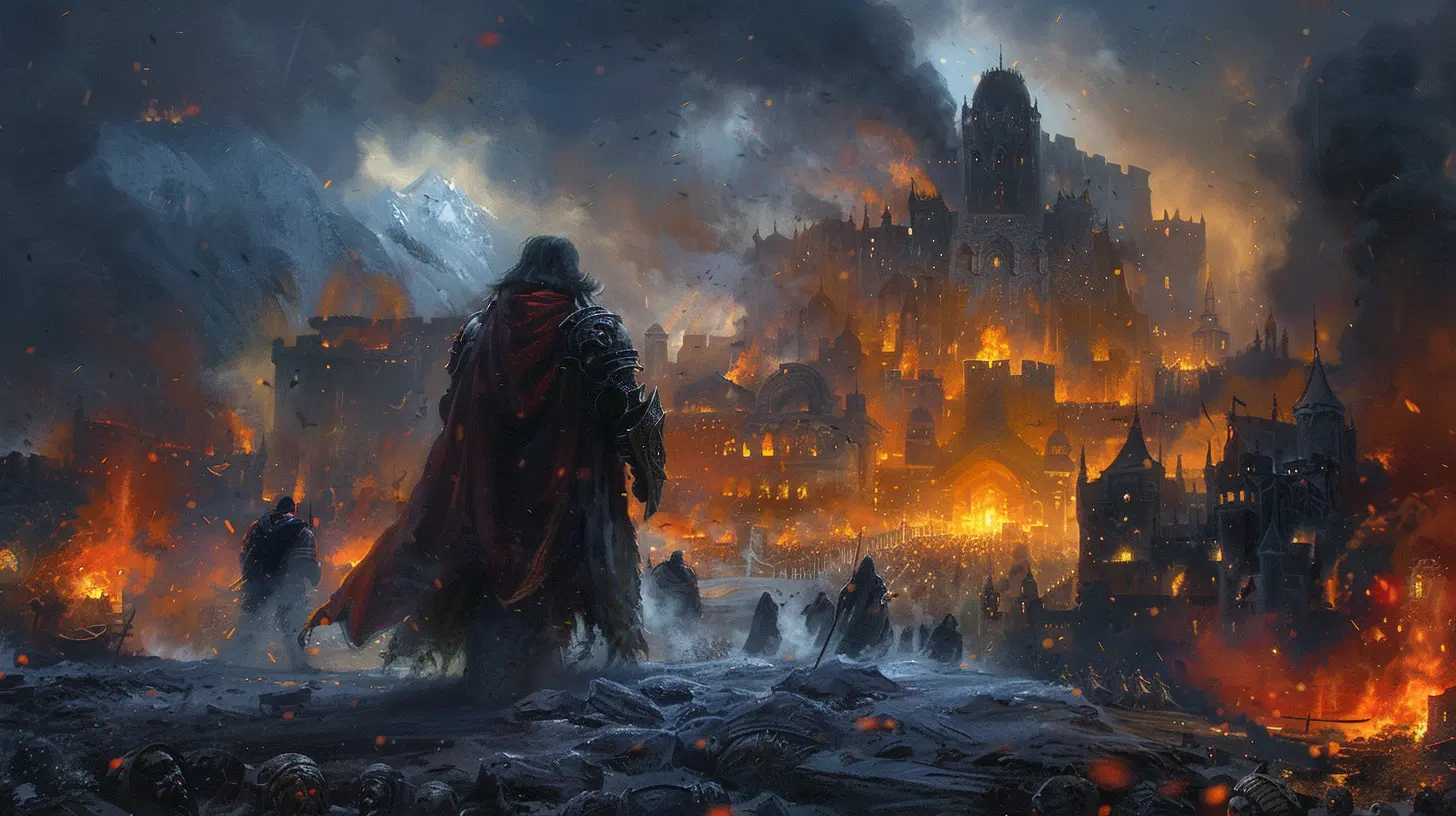
Let’s start with the basics. Grinding is the repetitive performance of a task within a game — think killing the same enemies, doing the same quests, or farming identical resources — with the goal of leveling up or obtaining better gear.While the term "grind" might sound like a chore, in the world of gaming, it's often the backbone that supports the entire progression system. That said, the effectiveness and enjoyment of grinding can vary wildly from game to game.
Why Do Game Developers Include Grinding?
Ever wonder why grinding even exists? Are devs just trying to waste our time?Not quite. Most developers use grinding as a way to:
- Extend Gameplay Time: Let's be honest — if a game lasted only 4 hours and you paid $60 for it, you’d be a little disappointed. Grinding stretches out the experience.
- Encourage Skill Mastery: Repeating a task can help players master game mechanics. For example, hitting the same dungeon repeatedly teaches you enemy patterns and the best ways to defeat them.
- Reward Commitment: Grinding is a way for games to reward loyal players. Those shiny legendary weapons? Yeah, they’re for the folks who put in the hours.
- Balance Progression: It creates a gap between casual and hardcore players, offering scalability. If you want to breeze through tough bosses, grinding can give you that extra edge.
The Psychology Behind Grinding
Let’s get into your brain for a second — not literally, of course.Games often use grinding as a psychological hook. Here are a few reasons why it works:
- The Dopamine Hit: Every time you level up or get rare loot, your brain releases dopamine. That’s the same chemical that makes you feel good when you eat chocolate. So yeah, games make you feel awesome for doing repetitive tasks.
- Progression Feels Good: Humans love progress, no matter how small. Grinding gives a constant sense of advancement. Even if you’re not advancing the story, you’re still getting stronger.
- Fear of Missing Out (FOMO): Limited-time events, exclusive items, or seasonal rewards push players to grind before they’re gone forever.
Grinding is a carefully built system that taps into our basic instincts. It’s not just a mechanic; it’s brain science.
The Good Side of Grinding
Believe it or not, grinding isn’t all bad. In fact, in many games, it’s downright enjoyable. Here’s why:1. Builds Investment
Grinding often creates a stronger bond between the player and the game. When you’ve spent hours collecting materials or leveling up, you’re more attached to your character and your progress. It’s like putting sweat equity into your house — it just feels more yours.2. Creates Community and Cooperation
In multiplayer games, grinding can foster teamwork. MMORPGs like World of Warcraft or Final Fantasy XIV rely heavily on grinding, but doing it with friends or your guild can turn it into a social event. You’re not just farming mobs — you’re bonding.3. Offers a Chill, Low-Stress Way to Play
Sometimes, you don’t want intense boss fights or complex puzzles. You just want to kick back, listen to a podcast, and do something repetitive. Grinding becomes almost meditative in those moments. Dare I say — relaxing?4. Lets You Play at Your Own Pace
Grinding accommodates different playstyles. Some players want to rush through the story. Others want to take their time, explore, and enjoy the world. Grinding provides a way to play without pressure.The Ugly Side of Grinding
Of course, it’s not all sunshine and loot boxes. Grinding has its dark side, and gamers aren’t shy about calling it out. Let’s break down the rough parts.1. Artificial Game Lengthening
Many games pad their length with unnecessary grinding. Instead of designing rich content, they throw in activities that force you to repeat the same thing over and over. It’s quantity over quality, and it can feel like a lazy design choice.2. Pay-to-Win (or Pay-to-Skip)
Mobile and free-to-play games often push grinding to an extreme, then offer an easy way out — your wallet. “Tired of grinding? Buy this XP booster!” It leaves a bad taste in your mouth, especially when real money starts to outweigh skill.3. Dulls Player Engagement
When grinding takes over the entire game, it can turn fun into a chore. What was once exciting now feels like a second job. Players start asking themselves, “Why am I even doing this?”4. Creates Burnout
Too much grinding can lead to burnout. Gamers might quit halfway through a title because they just can’t keep up with the demands. That’s especially true for seasonal or live-service games where the grind never truly ends.
Games That Get Grinding Right
Now for the good stuff — let’s give a shout-out to some games that do grinding right.1. Monster Hunter Series
These games are basically built around grinding, but it's fun because every hunt is different. The monsters are challenging, the loot is satisfying, and the grind leads to seriously cool gear.2. Stardew Valley
Grinding in Stardew doesn’t feel like grinding at all. Whether you’re farming, mining, or fishing, progress is steady and peaceful. Plus, it’s just so dang wholesome.3. Diablo Franchise
Loot-based RPGs like Diablo are masters of the grind. The game is structured around farming better gear, but the combat is so fast and flashy that the repetition feels rewarding, not tedious.4. Pokémon Series
Let’s be real — grinding has been a key part of Pokémon since Red and Blue. But because you’re constantly catching new Pokémon and building your dream team, it never gets boring (well, mostly never).Strategies to Make Grinding Less Tedious
Feel like you’re stuck in an endless loop? Here are some personal tips to make grinding more bearable — maybe even enjoyable:- Break Tasks Into Smaller Goals: Instead of thinking, “I need to get to level 50,” say, “Let me get to level 35 today.” It’s less overwhelming.
- Switch Up Your Environment: Many games offer different zones or dungeons to grind in. Change the scenery now and then.
- Grind With Friends: Playing with others can turn even the dullest tasks into something fun. Misery loves company, right?
- Listen to Music, Podcasts, or Audiobooks: Multitasking while grinding can make the time fly.
- Take Breaks: Seriously, stepping away from the screen for a few minutes can keep your brain refreshed.
Can Games Survive Without Grinding?
It’s a valid question. Do all games need to include grinding to be successful? Short answer: nope. Plenty of games minimize or eliminate grinding altogether.Narrative-driven games like The Last of Us or God of War focus on story and gameplay rather than repetition. Puzzle games, rhythm games, and many indie titles avoid grind entirely.
But in RPGs, MMOs, and simulation games, grinding still serves a purpose. It’s part of their DNA. Remove it completely, and you risk losing a key element of challenge and satisfaction.
Balancing Grinding in Game Design
Ultimately, the best games strike a balance. They make grinding optional, not mandatory. They respect your time, but reward your dedication. They keep the grind meaningful, not mindless.Some strategies that developers are using to balance grind include:
- Dynamic Drop Rates: Rewarding more rare items over time.
- Progressive Systems: Where grind becomes easier the more you play.
- Auto-Grind Features: Letting systems handle repetitive tasks with minimal input (love it or hate it).
- Meaningful Milestones: Celebrating player progress with more than just +1 stats.
Final Thoughts
Like it or not, grinding plays a huge role in how we progress through games. It can be a blessing or a curse, depending on how it's implemented and how we approach it. When done right, grinding enhances our connection to the game, gives us a sense of achievement, and spices up our builds with epic rewards. When done wrong, it feels like a trap — a never-ending treadmill with no real finish line.Whether you’re farming in a fantasy realm or fishing in a pixelated pond, grinding is here to stay. The key is to find games that respect your time, and to grind in a way that feels rewarding — not soul-sucking.
So next time you're knee-deep in goblin guts for the 100th time, ask yourself: am I enjoying this? If yes, congratulations — you're doing the grind right.
all images in this post were generated using AI tools
Category:
Game ProgressionAuthor:

Avril McDowney
Discussion
rate this article
1 comments
Christina Wallace
Great article! You really captured the essence of role grinding in games. It adds depth and can make achievements feel more rewarding. I love how you've highlighted the balance between fun and challenge. Looking forward to more discussions on how grinding shapes our gaming experiences... Keep up the great work!
June 25, 2026 at 3:41 AM