The Legendary Soundtracks That Defined Classic Gaming
26 June 2026
Let’s be honest—gaming wouldn’t be the same without the music. Whether you grew up with a controller in hand or just recently ventured into the retro scene, the soundtracks from classic video games have probably stuck with you longer than the levels themselves. Why? Because music has a magical way of connecting us to emotions, and in the gaming world, it’s what gave pixels their soul.
In this nostalgic deep dive, we're cranking up the volume on legendary soundtracks that defined classic gaming. We’re talking about the tunes that not only filled our ears but tattooed themselves into our hearts. So grab your headphones, and let’s go on a journey through the iconic 8-bit, 16-bit, and early digital masterpieces that shaped an entire culture.
Why Game Music Resonates So Deeply
Before we start unleashing wave after wave of nostalgia, let’s talk about the why. Why are these old-school soundtracks so memorable?Well, first off, they had to be. Back in the day, consoles like the NES and Sega Genesis had serious hardware limitations. Composers only had a few sound channels and simple waveforms to work with—but boy, did they make it count. It was kind of like painting a masterpiece with only three colors: not easy, but incredibly rewarding when done right.
And because these weren’t just background tracks—you’d hear them on loop for hours—they had to be catchy without becoming annoying. That fine line between repetition and addiction? Classic game music walked it like a tightrope artist.
1. Super Mario Bros. – Koji Kondo’s Catchy Genius
Ah, the Super Mario Bros. theme. You know it. Your dog probably knows it. Heck, your neighbor who's never touched a video game knows it.Created by Koji Kondo, this upbeat and playful track defined what a platformer should sound like. It was whimsical, it was adventurous—it literally told you with every note, “This is going to be fun.”
But here’s the kicker: Kondo didn't just write one catchy tune. He scored the entire game, with specific music for underground levels, water worlds, and boss fights, all of which carried a unique style while maintaining that signature Mario feel.
It was like having a full orchestra in your living room, except it came from an 8-bit system. Talk about magic.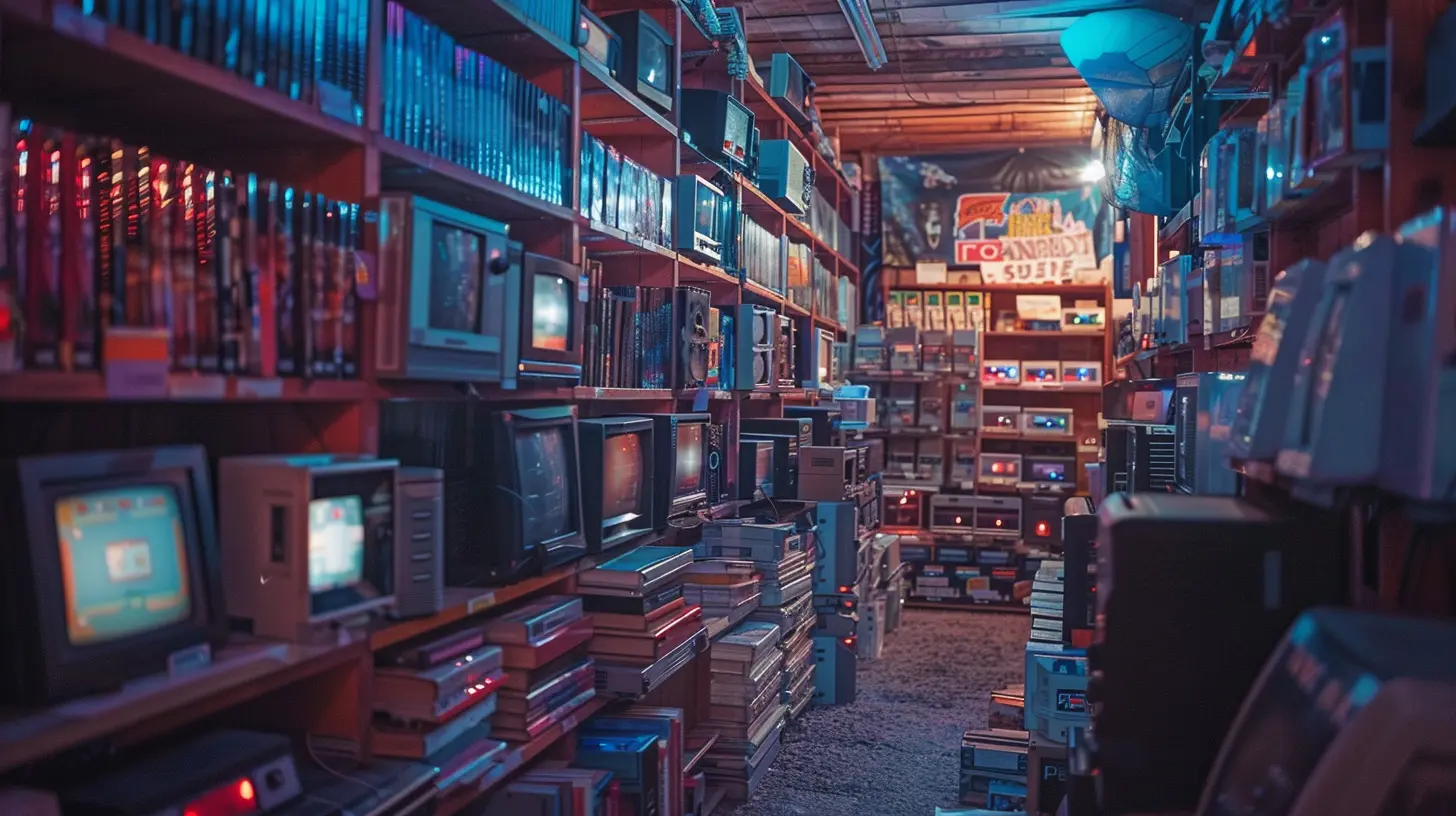
2. The Legend of Zelda – A Quest Wrapped in Melody
Another Koji Kondo masterpiece. When you talk about legendary soundtracks, it’s impossible not to mention The Legend of Zelda. The overworld theme is a perfect blend of heroic energy and mysterious undertones. You hear it once, and suddenly you’re off on a quest, even if it’s just to the fridge.What made Zelda’s music stand out was how it matched the game’s sense of scale and wonder. Even with simple melodies, it made you feel like you were wandering through forests, battling monsters, and uncovering ancient secrets.
And let’s not forget the dungeon theme—dark, moody, and just the right kind of creepy. It’s like John Williams met 8-bit technology and decided to write a symphony.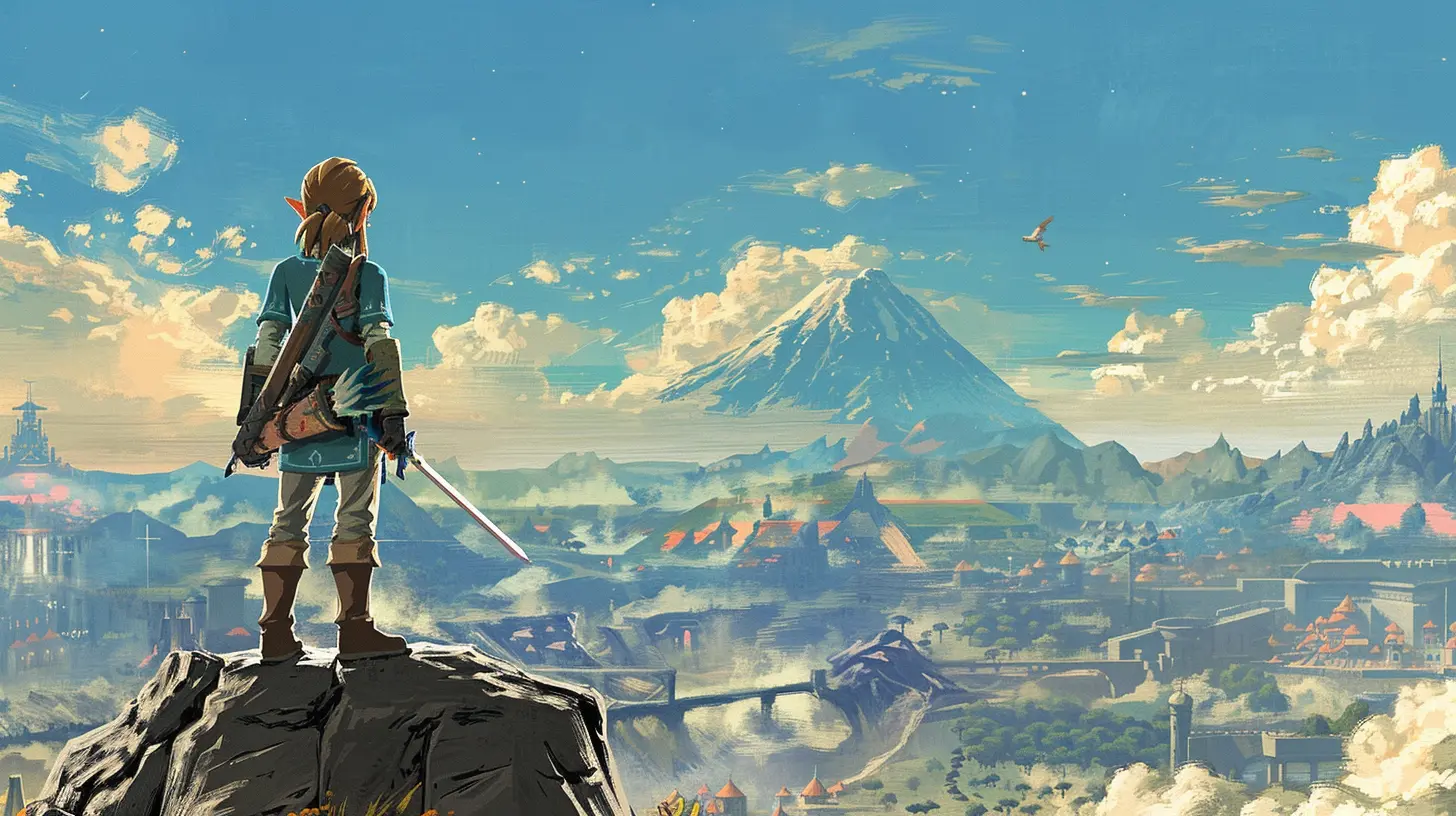
3. Final Fantasy Series – Nobuo Uematsu’s Orchestral Influence
Nobuo Uematsu is basically the Beethoven of video game music. The Final Fantasy series, especially early titles like Final Fantasy IV, V, and VI, are filled with emotional, epic tracks that feel way too sophisticated for the humble hardware they were played on.Take “Prelude,” for example. That delicate arpeggio almost whispers dreams into your ears. Then there’s “Battle Theme,” a pulse-pounding rhythm that makes every encounter feel like a boss fight. And who could forget “Terra’s Theme” from Final Fantasy VI? It has an emotional depth that could rival Hollywood scores.
Uematsu didn’t just compose music—you felt like you were living inside of it.
4. Mega Man Series – Rock ‘n’ Roll Meets Pixel Power
Picture this: you’re sprinting through a robot-infested level, dodging death traps, and blasting enemies with perfectly timed shots. What’s fueling you? That relentless, energetic soundtrack, baby!The Mega Man series, especially entries from the NES era like Mega Man 2 and 3, featured fast-paced, adrenaline-pumping music that felt ripped from a futuristic rock concert. Tracks like “Dr. Wily Stage 1” are so iconic, they’ve been remixed dozens (maybe hundreds) of times.
These tunes turned a difficult game into a full-on jam session. Miss a jump? Get hit by a flamethrower? Doesn't matter—you’re head-bobbing the whole way through.
5. Castlevania – Gothic Vibes with a Tech Twist
Let’s switch gears. If Mario was all sunshine and mushrooms, Castlevania was its brooding, gothic cousin hanging out in a haunted castle. And the soundtrack? Pure fire.From “Vampire Killer” to “Bloody Tears,” Castlevania gave us fierce, high-energy compositions filled with minor chords and haunting melodies. It was like Dracula threw a rave in his crypt and invited every Belmont.
Even though the early games were restricted by 8-bit limits, the soundtracks managed to blend classical, rock, and baroque vibes into something totally unique.
6. Chrono Trigger – Timeless Music for a Timeless Game
Yasunori Mitsuda and Nobuo Uematsu teamed up to produce one of the most beautiful game scores of the SNES era. Chrono Trigger’s music is practically legendary status among RPG fans.Tracks like “Corridors of Time” and “Frog’s Theme” go beyond their time, using ambiance and layered melodies to create emotional arcs. This was one of the first times a game made you stop and just listen.
The game deals with time travel, and the music? It travels right with you—shifting styles for every era, every emotion. It’s not just a soundtrack; it’s a story itself.
7. Sonic the Hedgehog – Speed and Style in Stereo
With its edgy style and fast-paced gameplay, the blue blur needed a soundtrack that could keep up. And oh boy, did it deliver.The Sonic series—especially the first few titles on the Sega Genesis—boasted music that was funky, bouncy, and full of attitude. “Green Hill Zone” is basically the “Bohemian Rhapsody” of platformers: timeless and universally loved.
With a little help from the Genesis’ advanced audio chip (and even Michael Jackson's rumored involvement in Sonic 3), Sonic’s tracks had a rhythmic complexity that made every loop and spin feel like a performance.
8. Donkey Kong Country – Atmospheric Brilliance
You might not expect a game about a tie-wearing gorilla to have one of the most ambient, emotional soundtracks ever—but it absolutely does.David Wise composed the music for Donkey Kong Country, and let me tell you—he didn’t hold back. “Aquatic Ambience” is a fan-favorite that sounds more like a relaxing indie film score than something from a platform game.
This soundtrack was revolutionary. It used atmospheric sounds, layered melodies, and chilled-out beats that pulled you into the jungle with a vibe you could feel. DKC wasn’t just fun to play—it was a mood.
9. Street Fighter II – Fighting Spirit in Every Note
Ready? Fight!Even now, hearing the theme for Ryu’s stage gives me goosebumps. Street Fighter II didn’t just give us iconic characters and flashy moves—the music was top-tier. Each stage had its own theme that reflected the character’s home country and personality.
What made it amazing was how it hyped you up. After the first few notes, your hands were sweaty and your fight-or-flight instincts were kicking in. Game on.
10. Tetris – A Russian Tune That Took Over the World
We couldn’t finish this list without giving a nod to one of the most globally recognizable video game themes ever: Tetris.Specifically, the “Type A” theme based on the Russian folk tune “Korobeiniki.” It’s simple, catchy, and becomes borderline hypnotic when paired with the game’s fast-paced puzzle madness.
Tetris proved that the right music can become as addictive as the gameplay itself. And let’s face it—when the blocks start speeding up, it's basically digital panic with a soundtrack.
Honorable Mentions (Because 10 Just Isn’t Enough)
There’s just too much greatness to not mention a few more:- EarthBound – Weird, wacky, and wonderful.
- Metroid – Dark, atmospheric, and ahead of its time.
- DuckTales (NES) – “Moon Theme.” Enough said.
- Secret of Mana – Dreamlike orchestral melodies that still hit hard.
- Kirby’s Dream Land – Pure sugar-rush happiness.
The Legacy Lives On
These classic soundtracks aren’t just old tunes—they're cultural landmarks in gaming history. Today’s game composers stand on the shoulders of these 8-bit and 16-bit giants. Remixes, orchestrated versions, and even live concerts celebrate their impact.And here’s the best part: this music still holds up. Fire up any of these tracks on YouTube or Spotify, and it instantly takes you back—to your childhood, your first boss fight, your after-school game marathons.
These aren’t just soundtracks. They’re snapshots of our gaming souls.
Final Thoughts: More Than Just Background Noise
Music in classic games wasn’t just filler. It was character. It was emotion. It was everything.These legendary soundtracks helped define what made gaming special during its golden age. And honestly? They're still inspiring a whole new generation of gamers and musicians alike.
So the next time you're revisiting Hyrule, Zebes, or Green Hill Zone, close your eyes and listen. Chances are, you'll remember why you fell in love with gaming in the first place.
all images in this post were generated using AI tools
Category:
Classic GamesAuthor:

Avril McDowney
Discussion
rate this article
1 comments
Brigitte Sanders
Classic soundtracks truly elevated gaming experiences to unforgettable heights.
June 30, 2026 at 3:12 AM
Avril McDowney
Absolutely! The right music can turn a good game into an unforgettable journey.