What Developers Today Can Learn From Retro Titles
6 July 2026
Let’s face it—modern games are breathtaking. Stunning graphics, immersive sound design, and open worlds so big you may never see the edge. But for all their polish, there's something undeniably magical about retro games. You know, the ones we grew up with—the pixelated gems that shaped the industry.
But here's the kicker: many of those old-school games were built under tight constraints. Limited memory, basic hardware, almost no storage. And yet… they were fun—really fun. So, what gives? What secret sauce did developers back then stir into their games that made them timeless?
Let’s hit the reset button and take a deep dive into what developers today can learn from retro titles—and why going back to basics might actually push the future of gaming forward.
1. Simplicity is Powerful
Ever boot up an NES game and start playing within five seconds? No 20-minute cutscenes. No 30GB day-one patches. Just boom—game on.Why Simple Works
Retro games nailed simplicity. No over-complicated mechanics or bloated UI. "Pick up and play" wasn’t a marketing slogan—it was a necessity. Games like Tetris, Super Mario Bros., and Pac-Man had straightforward mechanics that anyone could grasp but mastering them? That was a different beast.Modern developers can benefit from this by remembering: it’s not about how many features your game has. It’s about how engaging those features are.
Think about it—what's more memorable? A cooking mini-game inside a 100-hour RPG? Or jumping over the first Goomba in Super Mario Bros.?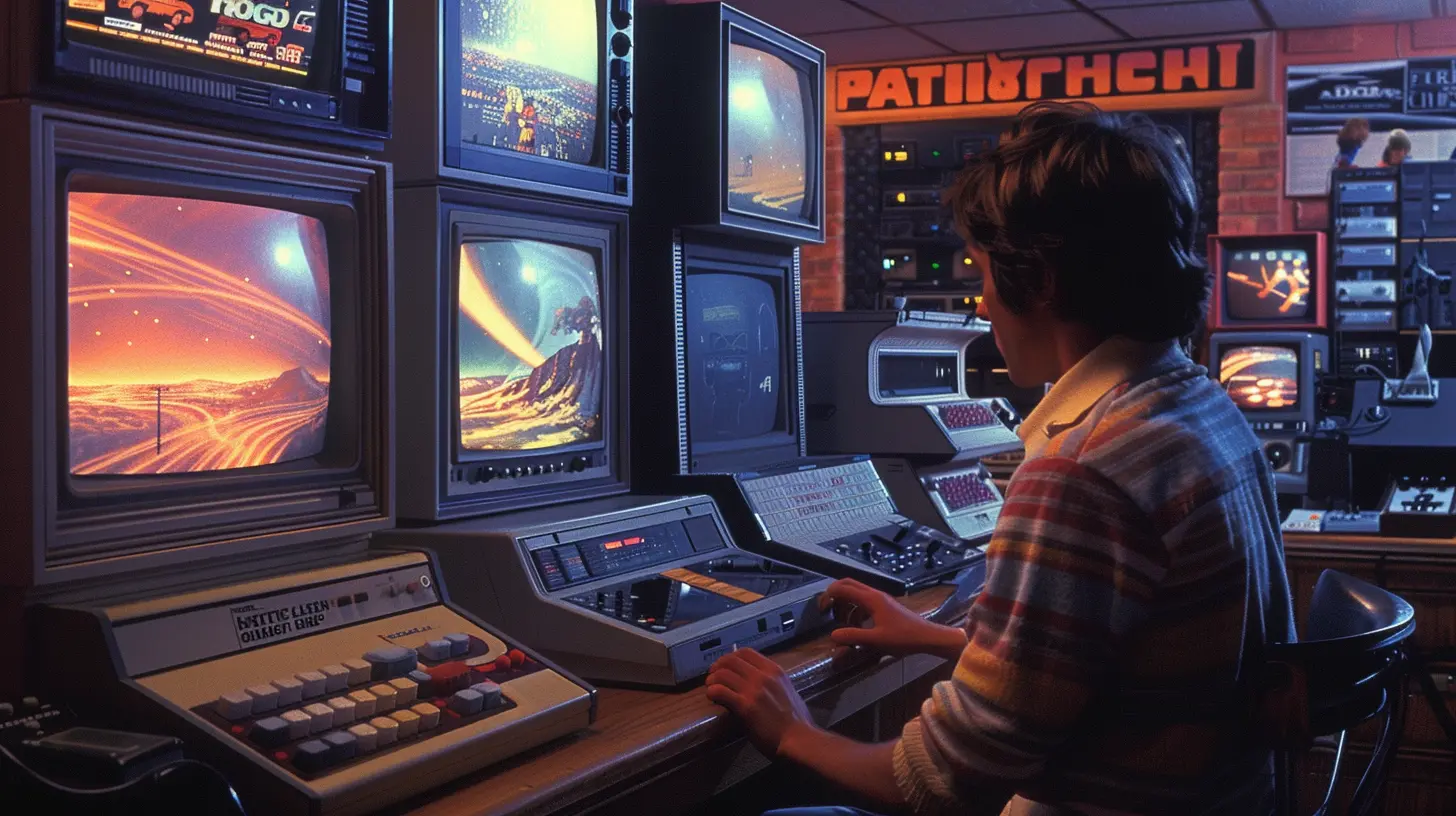
2. Fun First, Everything Else Second
Back in the day, dev teams didn’t have motion capture studios or photorealistic shaders. Their main focus? Making the game... fun.Gameplay Was King
Retro titles were built around a central mechanic. Sonic the Hedgehog was all about speed. Metroid? Exploration. These core ideas were refined to perfection. Not layered with 12 different crafting systems and procedurally generated fetch quests.Today, too many games feel like they’re checking boxes: Open world? ✔️ Multiplayer? ✔️ Battle pass system? ✔️
But games from the ‘80s and ‘90s had one big checkbox: Is it fun to play?
If the answer was no, it didn’t ship.
3. Constraints Breed Creativity
Here’s the thing: modern devs have powerful engines, millions of dollars, and entire studios at their disposal. Yet, some of the most innovative games were made by teams of five people stuck with 8-bit hardware.Think Inside the Box
Retro developers couldn’t rely on flashy visuals or surround sound—they had to outsmart the system to make great games. They used tile-based maps to save memory. Background music had to be catchy because it looped forever. Glitches? Often turned into features.Remember the “Minus World” in Super Mario Bros.? That glitch became legendary.
Constraints forced creativity. Artistically. Technically. Even narratively. Modern devs can take a page from that book: Limitations aren’t always roadblocks—they can be launchpads.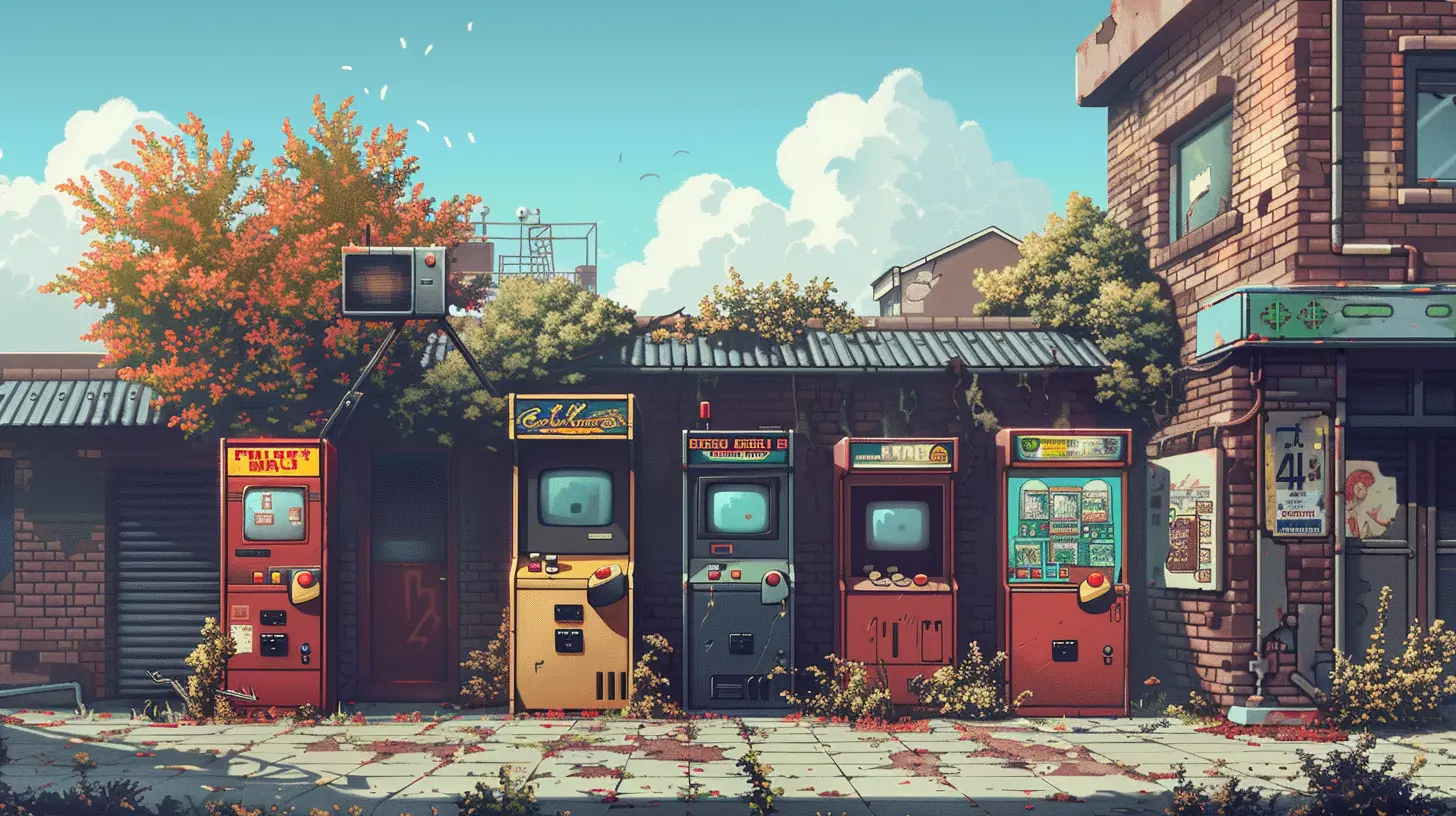
4. Rewarding Player Skill
Retro games didn’t hold your hand. No auto-aim. No quest markers. No “Press F to Pay Respects.”You Got Good… or You Didn’t Get Far
Games like Mega Man, Contra, or Castlevania were hard—sometimes unfairly so—but fair enough that players kept coming back. Why? Because success meant something. If you beat a level, you earned it.Modern titles often shower players with participation awards. Which, hey, feels nice for five minutes. But it rarely leaves a lasting impression.
When games challenge players to improve, they stick in people's minds. They spark that “one more try” mindset. That’s the magic formula that gives a game longevity.
5. Memorable Aesthetics Over Hyperrealism
Let’s be honest: Retro graphics had limits. But those limitations gave us style.Pixel Art Isn't Just Nostalgia
Some of the most recognizable characters ever—Mario, Link, Samus—were designed with only a handful of pixels. Yet they’re iconic. Why? Because limitations forced clarity. Devs had to make every pixel count.Contrast that with some modern characters who look impressive but instantly forgettable. Sometimes less really is more.
Games like Celeste or Shovel Knight prove that pixel art isn't dated—it's timeless. It communicates faster, pops visually, and often ages better than cutting-edge realism.
6. Soundtracks That Stuck in Your Head
You ever find yourself humming Green Hill Zone out of nowhere? Or the Zelda overworld theme? That’s because retro sound design had to do a lot with very little.Chip Tunes, Big Feels
Limited audio channels meant composers had to be melody masters. They focused on hooks, rhythm, and loopable design. The result? Bangers that slap to this day.Today’s orchestral scores are beautiful, sure. But they often fade into the background. Retro tunes did the opposite—they became part of the game’s personality.
Modern devs could benefit from treating music not just as a mood setter, but as a storytelling device.
7. Build for Replayability, Not Just Playtime
Back in the cartridge days, you couldn’t rely on DLC or updates. The game had to hook you enough to replay it. Over. And over. And over.High Score Chases & Secret Paths
Games like Donkey Kong or Galaga had one goal: beat your own score. That competitive loop was addictive. Other games hid secrets and alternate endings (Chrono Trigger, anyone?), giving players reason to return.Modern devs should think about this: Instead of focusing on how long a player can stay, think about what makes them return.
8. Embrace Quirky Ideas
Retro titles weren’t afraid to get weird. A plumber jumping on turtles? A knight battling fruit in space? It didn’t have to make sense—it just had to be fun.Weird is Wonderful
Quirky ideas gave us gems like EarthBound, Katamari Damacy, and ToeJam & Earl. Today, games often play it safe, chasing trends instead of taking risks.But risk means opportunity. Unique ideas might not appeal to everyone, but when they hit—they really hit. (Looking at you, Undertale*.)
Retro devs didn’t poll-test every pixel. They just made stuff they liked—and that authenticity shined through.
9. Smaller Teams, Bigger Vision
Many of the classics were made by tiny teams. Sometimes one or two people. That meant clearer communication and tighter focus.Passion Projects Hit Different
When the same mind designs the mechanics, writes the dialogue, and codes the gameplay—you get cohesion. The game feels like one clear vision, not a Frankenstein’s monster of a committee.We’re seeing this today with indie devs. Passion can outshine polish. Players can feel when a game was built with love, not just revenue goals.
10. Let Players Use Their Imagination
Let’s not forget how much you brought to the game as a player. Retro games left gaps. Gaps in story, visuals, even mechanics. And those gaps? They pulled you in.Less is More
With minimal graphics and text, your brain filled in the blanks. That’s why The Legend of Zelda felt epic—even though it had no dialogue. You weren’t told you were the hero. You just… became one.Modern devs sometimes over-explain. Every story beat, every lore entry, every NPC line. But mystery can be more compelling than exposition.
Leave space. Let players wonder.
Final Thoughts: Retro Doesn’t Mean Obsolete
We’re not saying developers should ditch cutting-edge tech or HD graphics. But there’s gold in those old-school methods—design philosophies that still hold up, and in many ways, outshine today’s bloated blockbusters.Retro games were raw, scrappy, and driven by pure creativity. And despite their age, they’ve aged like fine pixelated wine.
So to every modern game developer out there: next time you’re stuck on a design decision, maybe boot up Castlevania or Duck Hunt. The past just might hold the cheat code for the future.
all images in this post were generated using AI tools
Category:
Classic GamesAuthor:

Avril McDowney
Discussion
rate this article
1 comments
Delia Morgan
Retro titles taught us the importance of creativity and simplicity. In an era of complex graphics and intricate mechanics, developers should focus on strong storytelling and engaging gameplay. Nostalgia can inspire innovation, reminding us that compelling experiences often stem from passion and a deep understanding of players' desires.
July 6, 2026 at 3:00 PM