The Role of Quests in Structuring Progress
7 July 2026
Quests. They're the heartbeat of almost every game you've played, right? From slaying fiery dragons in fantasy epics to fetching obscure items in modern RPGs, quests guide us through a game's world. But beyond just giving us something to do, they play a much bigger role. Quests are masterfully designed systems that structure progress, offering players direction, motivation, and a sense of accomplishment.
In this post, we’re diving deep into how quests shape the player experience, how they keep us hooked, and why they’re so crucial to game design. So, buckle in, grab your imaginary sword (or laser gun, no judgment), and let’s break it all down.
What Are Quests, Really?
First things first—what exactly is a quest?At its core, a quest is just a task. It’s a goal set by the game, usually tied to a narrative or gameplay mechanic. Maybe you need to rescue a princess, defeat a boss, or collect 10 herbs. Simple? Yeah. But when done right, a quest does way more than assign chores. It creates purpose.
Quests are the breadcrumbs that lead us through a game’s forest. Without them, we’d just be wandering aimlessly, unsure of what to do next.
The Blueprint for Player Progression
Let’s talk structure. Quests are not random—they’re carefully placed milestones that help players grow and evolve throughout a game. Think of them like stepping stones across a wide river. Each one gets you closer to the other side.1. Introducing Game Mechanics
Remember the first few missions in any game? They’re usually simple. That’s not a coincidence—it’s intentional. Early quests teach you the ropes. They slowly introduce mechanics like combat, crafting, or dialogue.Take “The Witcher 3” for example. Early quests ease you into Geralt’s world. You’re not just tossed a sword and expected to slay monsters—you get context, guidance, and even bite-sized tutorials wrapped up in story.
Without quests to slowly unlock features, new players could easily get overwhelmed. It’s like learning to drive by being thrown into a Formula 1 race. Nobody wants that.
2. Setting the Pace
Not all players move at the same speed. Some like to explore every nook and cranny; others want to barrel straight through. Quests cater to both.Main story quests often drive the central narrative forward (the gas pedal), while side quests give you space to breathe, explore, and level up at your own pace (the scenic route).
Both types work together to establish rhythm. Main quests push you onward; side quests let you meander. It’s a delicate dance, and when it’s done right, you never feel rushed or bored.
Motivation: Giving Players a Reason to Keep Going
What makes you keep playing a game?Let’s be honest—it’s not always about the gameplay. Sometimes, it’s the mystery of what happens next. Sometimes, it’s because you want that shiny new weapon. And sometimes, it’s just to hear a character say, “Thanks, hero!”
Quests tap into different kinds of motivation, and that’s where their magic lies.
1. Narrative Drive
Story-driven quests are all about emotional investment. You want to solve the mystery, avenge a fallen friend, or stop the end of the world. These quests pull at your heartstrings and keep you glued to the screen.Games like “Mass Effect” do this exceptionally well. Each quest feels personal, like your decisions actually matter. That emotional weight? That’s what keeps players coming back.
2. Rewards and Loot
Let’s not kid ourselves—sometimes quests are all about the loot. And that’s okay!Quest rewards keep the dopamine flowing. Whether it’s gold, gear, skill points, or just some sweet XP, rewards act like tiny “thank yous” for your time and effort.
The trick is balance. If every quest flooded you with overpowered weapons, you'd get bored fast. But sprinkle in just enough goodies, and it keeps things exciting.
3. Player Agency
Quests also give us choices—and gamers love choices.Branching quests or moral dilemmas make us feel like we’re shaping the world. Did you choose to save the village or let it burn? These moments give weight to our actions and make the game feel alive.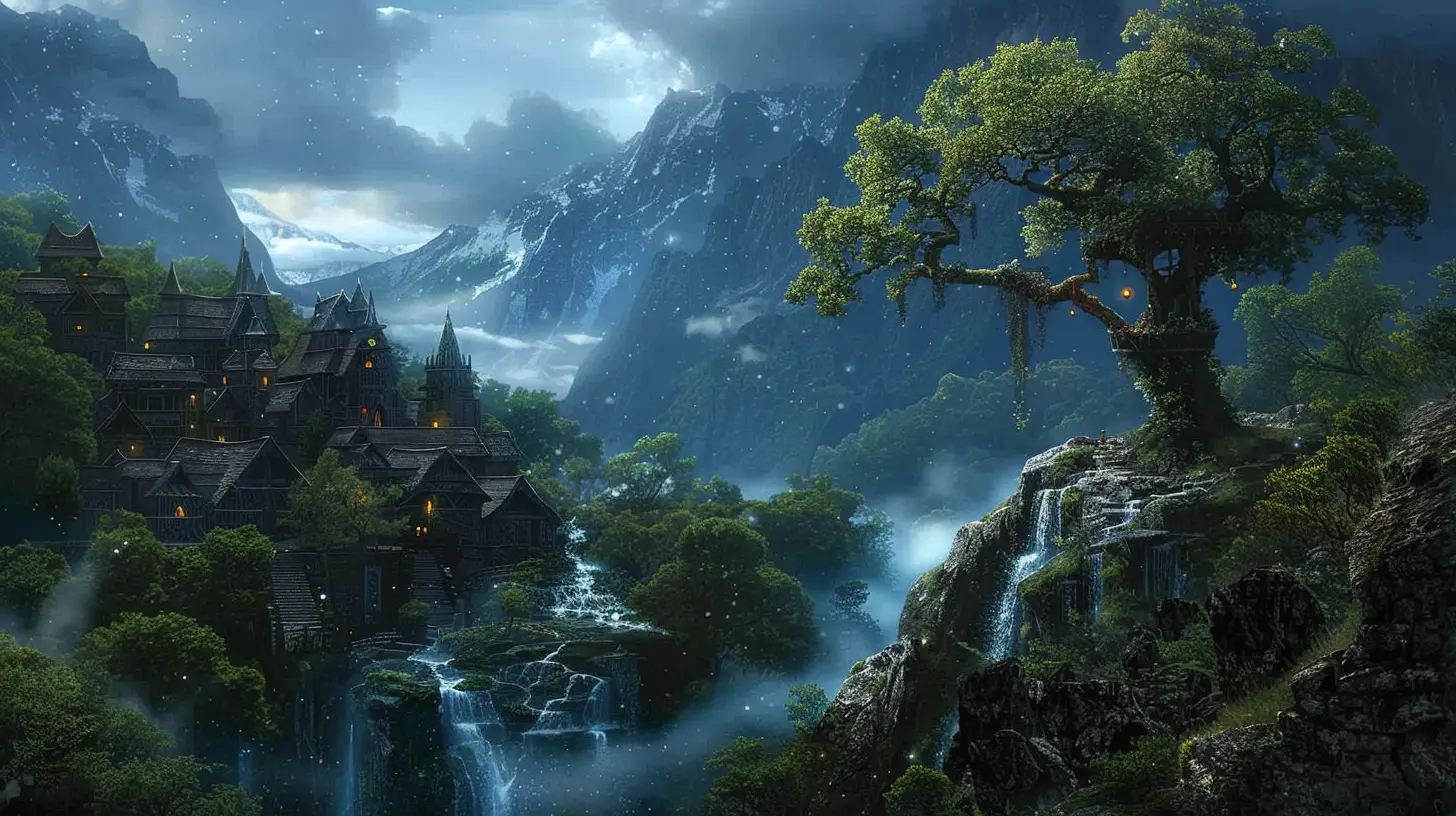
Quests as Storytelling Tools
Some of the best stories in gaming aren’t told through cutscenes—they're told through quests.Think about “Red Dead Redemption 2.” Every quest isn’t just a task, it’s a story. Whether it’s helping a widow rebuild her life or tracking down a lost kid, these aren’t just side missions—they’re world-building gold.
Environmental Storytelling
Some quests use the environment to tell their stories. You might find a journal in a ruined house, leading you on a quest to uncover what happened. It’s subtle but powerful.Games like “Dark Souls” master this. They drop cryptic lore bits in item descriptions or through NPC dialogue. The quests don’t hand-hold—you piece the puzzle together yourself. It’s storytelling for the curious.
Structuring Progression Through Quest Design
Let’s look at how quest types structure the overall flow of a game. Each type serves a different purpose, and together, they create a robust player journey.1. Main Quests (The Backbone)
This is the central storyline—the big picture. These quests take you from Point A to Point B through the game’s narrative arc.They’re often where you’ll face major challenges, unlock new areas, and uncover the game’s deeper themes. They’re also usually linear to keep the story grounded.
2. Side Quests (The Flavor)
These are the "optional" bits… but let's be real, they’re usually the most fun.Side quests add depth and diversity. Maybe you’re helping a farmer fend off wolves or investigating a haunted house. While they might not push the main story forward, they enrich the world around it.
Plus, they often introduce quirky characters and unique rewards you wouldn’t find elsewhere.
3. Repeatable/Daily Quests (The Grinding Loop)
Found in many MMOs and service games, these quests exist to keep you coming back.They’re short, repeatable tasks that offer small but consistent rewards. Think “kill 10 goblins” or “deliver these supplies.” Not the most glamorous, but they serve a purpose—maintaining engagement and pacing progression.
4. Hidden/Secret Quests (The Easter Eggs)
Oh, the joy of stumbling upon a hidden quest!These are for the explorers—the ones who check every cave, talk to every NPC, or follow their gut when something feels… off.
Secret quests add layers of mystery and reward curious players with unique experiences or lore tidbits.
The Psychology Behind Quests
Why are quests so addictive?It all boils down to how our brains process goals and rewards. Completing a quest gives you a hit of dopamine—it feels good! And that feeling makes you want to do more.
The Zeigarnik Effect
Ever heard of this? It’s a psychological principle where people remember uncompleted tasks better than completed ones. That’s why seeing an unfinished quest log makes you itch to finish it. Your brain doesn’t like loose ends.Game designers know this and use it to their advantage. Cliffhanger quest endings? To-be-continued objectives? All tools to keep you playing.
Quests in Multiplayer and Open World Games
Quests aren’t just for solo adventurers—they’re crucial in multiplayer settings too.In MMOs
In games like “World of Warcraft,” quests are foundational. They guide player progression, foster collaboration, and deliver the lore of massive worlds.They’re also how players level up, gear up, and sometimes even PvP. Structured quest hubs create natural gathering points for players to interact.
In Open Worlds
In games like “Skyrim” or “Breath of the Wild,” quests give you direction in overwhelmingly large maps.They provide structure without feeling restrictive. Go anywhere, do anything—but here’s a quest marker if you need it.
The Future of Quests: Where Are We Headed?
Game developers are constantly evolving how they design quests. The future looks exciting.Dynamic Quests
We’re seeing more procedurally generated or dynamic quests that react to your actions. These quests aren’t static—they change based on your playstyle or choices.Imagine a game where a village grows or falls based on quests you complete (or ignore). That level of immersion is the next frontier.
AI-Driven Narrative
With advancements in AI, future quests might be more adaptive than ever.Think smarter NPCs who remember your past actions, offering quests that feel deeply personal. The possibilities are endless (and slightly terrifying, let’s be honest).
Final Thoughts: Why Quests Matter, Always
Quests are more than just checklists. They’re the glue that holds a game together. They guide us, challenge us, reward us, and—most importantly—they tell stories.Without quests, games lose purpose. With them, we get an incredible mixture of exploration, narrative, and achievement. Whether you’re a casual player or a hardcore completionist, quests make the journey worth taking.
So next time you accept a quest to collect mushrooms or slay a demon lord, take a second to appreciate the design behind it—it’s more than just a to-do list. It’s the invisible hand steering your adventure.
all images in this post were generated using AI tools
Category:
Game ProgressionAuthor:

Avril McDowney
Discussion
rate this article
1 comments
Faelith Bowman
Quests are like treasure maps for gamers, guiding us through epic adventures and keeping us hooked. Who doesn't love a good challenge on the journey?
July 8, 2026 at 4:29 AM
Avril McDowney
Absolutely! Quests really do shape our experiences and make every achievement feel rewarding. They're the heartbeat of adventure.