The Rise of Randomizer Speedruns: Adding Unpredictability to the Mix
3 December 2025
Speedrunning is already a wild ride — a blend of intense focus, muscle memory, and unshakable determination. But just when you thought these digital races couldn’t get any crazier, enter the chaotic thrill of randomizer speedruns.
Imagine you're zipping through your favorite classic game — except now, none of the items are where they’re supposed to be, the dungeons are scrambled, and bosses may show up at the most inconvenient spots. That’s the magic (and madness) of the randomizer scene. Let’s dive headfirst into why this niche, yet rapidly growing subset of speedrunning is taking the gaming world by storm.
What Is a Randomizer Speedrun Anyway?
Before we get too carried away, let's break it down. A randomizer is a mod or tool that takes a game's original code and shuffles elements like item placements, enemy locations, dungeon layouts, and sometimes even story progression. The core idea? Keep things unpredictable.Now slap that on top of a speedrun — where the objective is to finish a game as fast as possible — and you've got a combo that's equal parts chaotic and captivating.
Why Gamers Are Hooked
So, why are seasoned speedrunners and casual gamers alike flocking to randomizer runs? Two words: fresh challenge.Let’s be real, traditional speedrunning can get repetitive. You can only run the same route so many times before it starts to feel like clockwork. But with randomizers, no two runs are the same. It redefines the experience — turning a well-loved game into a strategic puzzle that demands adaptability, quick thinking, and deep game knowledge.
The Origins: Zelda and Beyond
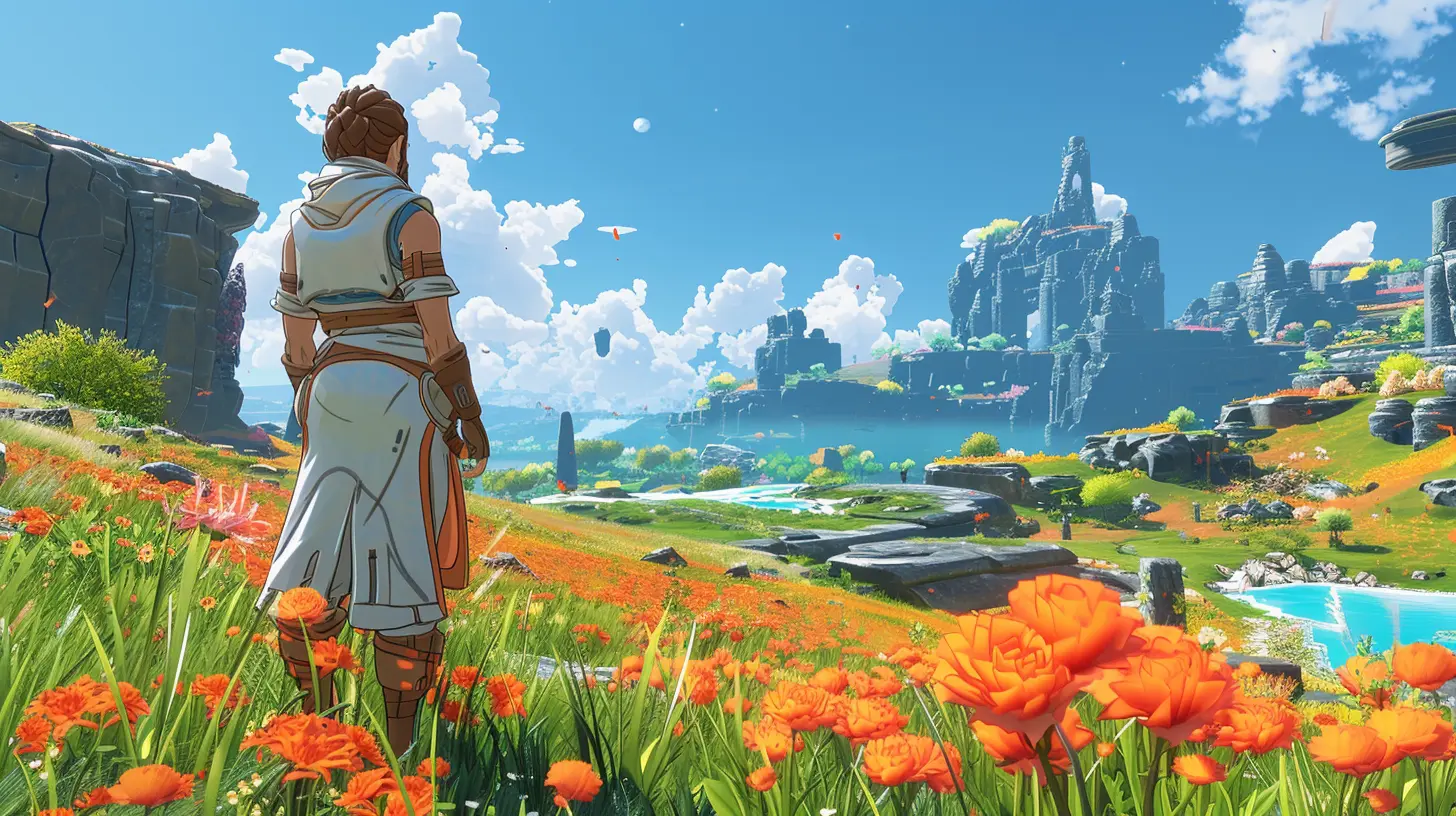
Randomizer speedruns didn’t just pop out of nowhere — they evolved from the thriving communities around retro games. One of the earliest and most iconic examples? The Legend of Zelda: A Link to the Past Randomizer.This fan-made mod exploded in popularity thanks to a perfect formula: a beloved classic, a rich world design, and enough items and dungeons to shuffle around for days. Players needed to not only be fast but also smart — figuring out new routes on the fly based on what they found and where. It was part logic puzzle, part scavenger hunt, and all adrenaline.
Since then, the randomizer trend has spread like wildfire. Now, games like:
- Super Metroid
- Final Fantasy VI
- Pokémon Red/Blue
- Dark Souls
- Resident Evil
- Hollow Knight
…all have randomizers with thriving communities and competitive leaderboards.
The Twitch Effect: How Streaming Fueled the Trend
If you’ve been hanging around Twitch or YouTube Gaming, chances are you’ve stumbled upon a randomizer run. Streamers love them — and for good reason.For content creators, randomizers are a goldmine. They offer:
- Unpredictable moments that make for great reactions.
- More interaction with chat (viewers love guessing where items will show up).
- Fresh, replayable content from old games.
You know that feeling when a streamer opens a chest expecting a key item and pulls out... nothing but a useless boomerang? The chat loses it. That stuff is pure entertainment.
Charity Marathons and Randomizer Tournaments
Randomizer runs have also carved out their space in charity events like Games Done Quick (GDQ). These runs are not just fun; they’re hilarious, intense, and downright jaw-dropping. Plus, the community has embraced competitive formats — entire tournaments are now built around randomizer matchups, where runners race head-to-head to figure out the fastest path to the finish line mid-run! Talk about intense.
How Randomizers Actually Work (Without Getting Too Nerdy)
Alright, let's geek out for just a sec — but I promise to keep it simple.Most randomizer tools work by scanning the game’s code and identifying where it stores key items, enemy spawns, or location data. Then it uses randomized seed values to reshuffle everything while keeping the game beatable.
That’s the tricky part. You can’t just throw Mario’s power-ups into a blender and hope it works. Randomizers have logic systems that ensure the game is still possible to finish — even if it’s tough as nails.
Some randomizers even feature logic-based difficulty settings, letting players choose how wild they want their experience to be. Want a gentle remix? Go for it. Want to cry in a corner because the fire arrows are locked behind a puzzle that needs the fire arrows? You do you.
Skill Over Memorization
Here’s where things get interesting. Most traditional speedrunning relies heavily on muscle memory and perfectly executed routes. You practice the same segment over and over until it’s second nature.Randomizer speedrunning throws that out the window.
Sure, you still need tight movement and game knowledge, but now it’s about reading the game’s clues, figuring out progression on the fly, and making snap decisions. You’ve got to be strategic, flexible, and a little bit lucky, too.
In a way, it’s like chess meets improv comedy — you’re constantly adapting to a new board, and sometimes it’s just pure chaos. But man, is it fun.
The Community Behind the Madness
None of this would exist without the passionate communities that build, maintain, and improve these randomizers. These folks are coding wizards, puzzle masters, and game historians rolled into one.They’re the ones fine-tuning the logic, fixing glitches, and adding new features like:
- Multiworld Randomizers – Yep, multiple players in different game instances sharing one randomized world.
- Co-op Randomizers – Work together to win, trading hints and items.
- Cross-game Randomizers – Imagine finding a Metroid beam in a Zelda dungeon. Yep, it’s real.
Seriously, some of these ideas feel like science fiction, and yet they’re very much playable — and a total blast.
Getting Into Randomizer Speedrunning
Thinking of trying your hand at a randomizer run? You don’t need to be a pro speedrunner. In fact, randomizers are a great entry point for newcomers. You get to know the game deeply, explore new strategies, and you’re not locked into mimicking someone else’s blueprint.Here’s how to get started:
1. Pick a game you love – Familiarity helps a ton.
2. Join the community – Discord servers, Reddit threads, or Twitch streams are great places to learn.
3. Download the randomizer tool – Most are free and easy to set up.
4. Start practicing – No need to race yet. Just have fun solving the puzzle.
And don’t worry about being slow at first. Even the top runners took time to master the art of adapting on the fly.
Randomizer Speedruns vs Traditional Speedruns
Let’s stack the two side by side and see how they compare:| Feature | Traditional Speedrun | Randomizer Speedrun |
|--------|-----------------------|---------------------|
| Route Knowledge | Fixed, highly optimized | Dynamic & flexible |
| Replay Value | Lower (same path every time) | Extremely high |
| Challenge Type | Execution-heavy | Strategic & adaptive |
| Viewer Entertainment | High for skilled play | High for surprise factor |
| Community Events | Individual record-focused | Head-to-head races & co-op |
One’s not better than the other — they’re just different flavors of fun. If speedrunning is like a Formula 1 track, randomizer runs are a Mad Max desert race with random obstacles and secret shortcuts.
The Future of Randomizer Speedruns
Looking ahead, randomizers are only getting bigger and weirder — in the best way. With more games being cracked open and more tools being developed, this trend shows no signs of slowing down.We’re already seeing:
- Randomizer Leaderboards — So you can compete even in randomized chaos.
- AI-generated Seeds — Using machine learning to create the “perfect” random game.
- Integrated Streaming Tools — Watching a randomizer run is becoming even more interactive.
One of the most exciting innovations? Crowd Control Modes, where viewers actually influence the game live — giving the runner an item, scrambling the world, or even flipping the screen upside-down. Yup, total mayhem.
Final Thoughts: Chaos Is the New Meta
At the end of the day, randomizer speedruns are a love letter to gaming. They celebrate exploration, critical thinking, and the weird joy of not knowing what’s around the next corner.It’s like being a kid again, blowing into your cartridge, hitting start, and having no idea what’s coming — except now, you’re racing the clock and 1,000 people on Twitch are watching with popcorn in hand.
So, whether you’re a seasoned speed demon or just someone who loves a good twist on old-school games, give a randomizer a spin. You might just find yourself addicted to the beautiful chaos.
all images in this post were generated using AI tools
Category:
SpeedrunningAuthor:

Avril McDowney
Discussion
rate this article
2 comments
Azriel Reilly
The article brilliantly highlights how randomizer speedruns rejuvenate classic games by injecting unpredictability. This innovative twist not only challenges seasoned players but also attracts newcomers, fostering a vibrant community. Excited to see how this trend evolves in the gaming landscape!
December 7, 2025 at 4:51 PM
Avril McDowney
Thank you for your insightful comment! I'm glad you enjoyed the article and see the exciting potential of randomizer speedruns in bringing new life to classic games.
Rebecca Evans
Randomizer speedruns introduce fresh challenges and excitement, redefining gameplay dynamics and pushing the boundaries of traditional speedrun strategies.
December 5, 2025 at 5:03 PM
Avril McDowney
Thank you! Randomizer speedruns truly transform gameplay by adding unpredictability, enhancing the challenge and excitement for players.