The Rise of Cinematic Gameplay in Blockbuster Titles
19 July 2026
When you hear “cinematic,” your mind might jump straight to Hollywood blockbusters, popcorn, and edge-of-your-seat storytelling. But what if I told you that the gaming world has stolen a few pages from the movie playbook—and then added its own cheat codes? That's right, welcome to the golden age of cinematic gameplay in blockbuster titles! ??
These days, firing up your console or PC can feel like stepping into an interactive movie. With jaw-dropping visuals, emotionally charged narratives, and gameplay that blurs the line between film and game, players aren’t just playing anymore—they’re starring in full-blown epics.
So, buckle up, because we’re diving deep into this dazzling trend, why it’s sweeping the gaming world, and how it’s changing the way we play.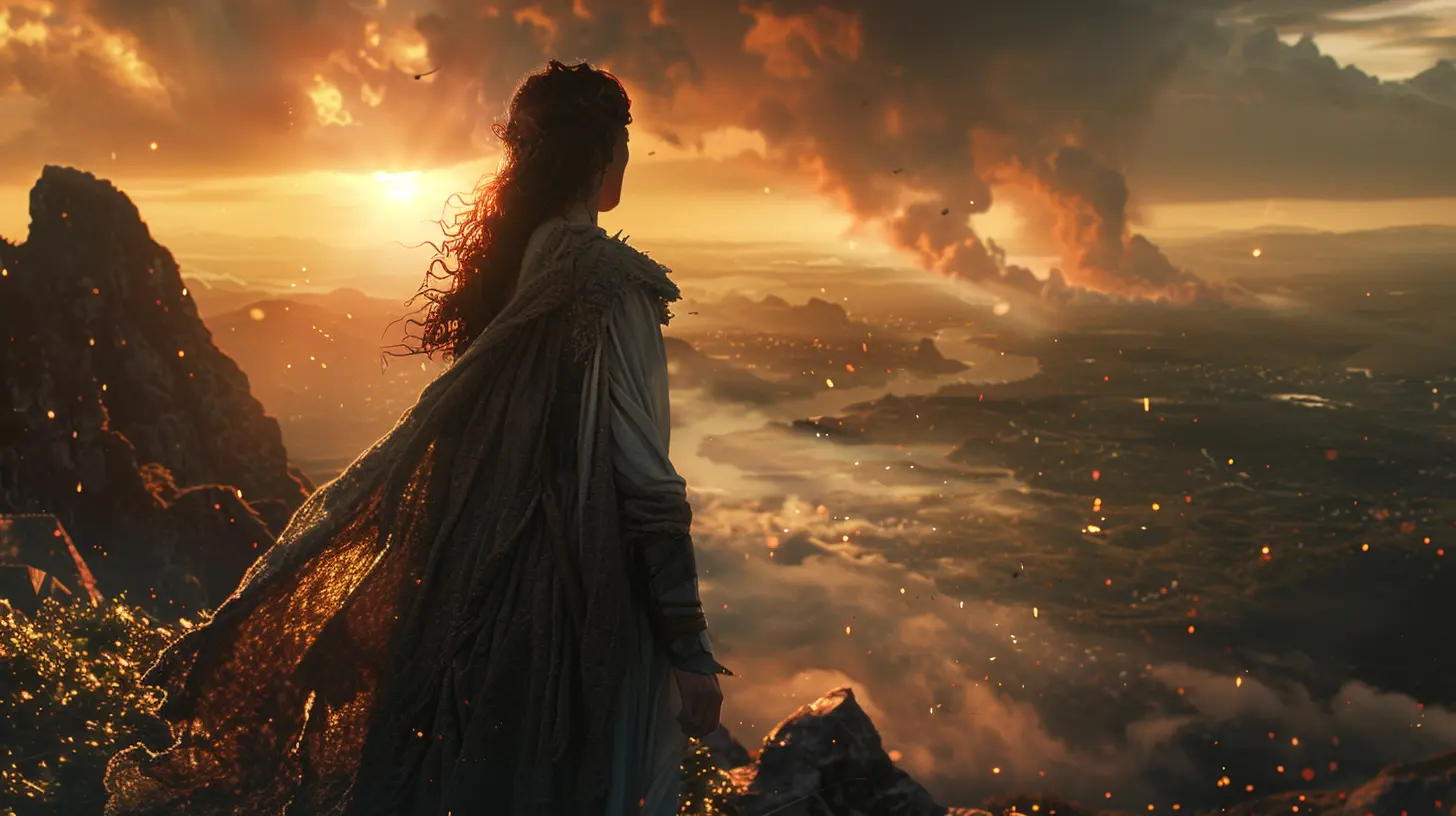
What Exactly is Cinematic Gameplay?
Alright, let’s clear the air: cinematic gameplay isn’t just about pretty cutscenes or slick animations. Nope, it’s way more than that.Cinematic gameplay is about merging storytelling and visual spectacle with player interaction. It’s about storytelling that doesn't interrupt the game but becomes one with it. Think meaningful camera angles, seamless transitions between gameplay and cutscene, emotive performances, sweeping orchestral scores, and gameplay that feels like you’re living a script—but with your choices steering the ship.
It's like being the director and the star of your own blockbuster movie.
Key Features of Cinematic Gameplay:
- Story-driven narratives that make you feel all the feels ???- Motion capture performances that bring characters to life
- High-end visuals and lighting effects straight outta Hollywood
- Dynamic camera work that adds flair and drama
- Audio-visual storytelling that’s synced to the heartbeat of the action
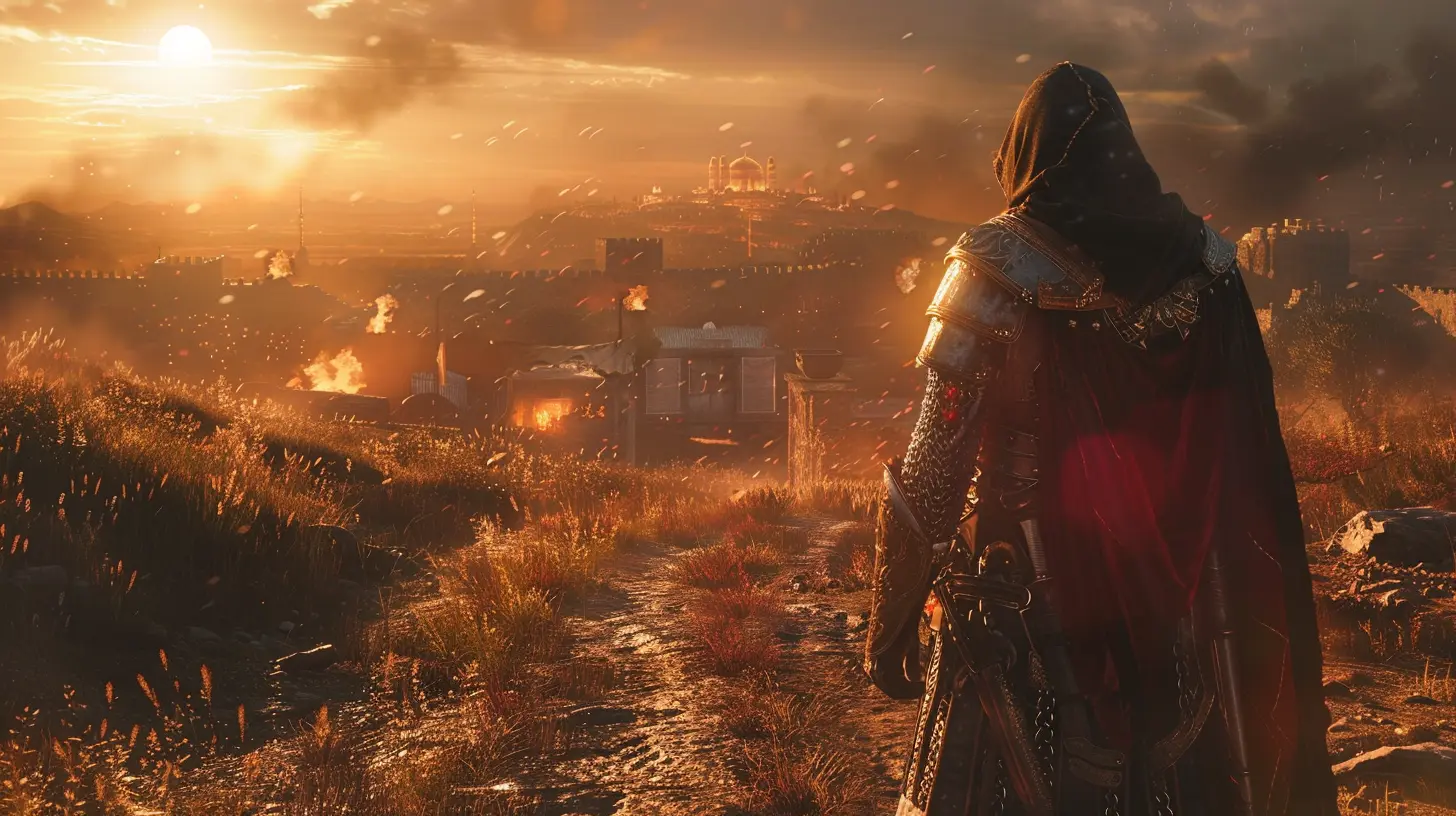
The Evolution: From Pixels to Performances
Let’s rewind a bit, shall we?Once upon a time, games were all about mechanics: jumping over pits, collecting coins, racking up high scores. Story? Optional. Cinematics? Maybe a title screen and a “Game Over” message.
But somewhere between the 2000s and now, something magical happened. Technology leveled up big time. Developers realized they could tell deep, emotionally layered stories, and players were totally here for it.
Games like Metal Gear Solid, Final Fantasy X, and Half-Life 2 started to push the envelope. They set the stage for today’s big hitters like The Last of Us, God of War, and Red Dead Redemption 2—which feel more like blockbusters than traditional games.
And let’s not forget the impact of Naughty Dog—a studio that practically pioneered the modern cinematic game experience.
The Heavy Hitters of Cinematic Gaming
There are a handful of titles that really defined (and refined) what cinematic gameplay means today. Let’s hit a few of the highlights.? The Last of Us Series
If you’ve played it, you probably cried at least once. (No shame. We all did.)The Last of Us by Naughty Dog is a masterclass in cinematic storytelling. The character development? Chef’s kiss. The environments? Apocalyptic poetry. The seamless transitions between cutscenes and gameplay? You barely notice the shift.
It’s gritty, emotional, and totally unforgettable.
⚔️ God of War (2018) & Ragnarök
Kratos went from an angry god to a complex, tragic dad with a beard. And we’re glad he did.Santa Monica Studio took God of War in a whole new direction—one continuous camera shot from start to finish, no loading screens, no scene cuts. It’s like a single-take movie where YOU control the star.
Throw in Norse mythology, stunning voice acting, and some of the best boss battles ever, and you’ve got a cinematic gem.
? Red Dead Redemption 2
If Clint Eastwood made a game, this would be it.Rockstar packed Red Dead Redemption 2 with cinematic flair—from its slow burns and sweeping vistas to moments of raw, human emotion. It’s a western epic where you’re the cowboy, and your decisions write the ending.
The game lets you soak in the world, like a painter stepping back to admire their canvas. It’s slow-paced, yes—but every second is dripping with narrative juice.
? Cyberpunk 2077 (Post-Patch, of course!)
Okay, so it had a rocky launch. But let’s be fair—it’s polished up nicely.CD Projekt Red created a neon-drenched, Blade Runner-esque world where every character feels like they should have their own spin-off movie. Add Keanu Reeves to the mix, and boom—you’ve got a cinematic experience built in a sandbox of chaos.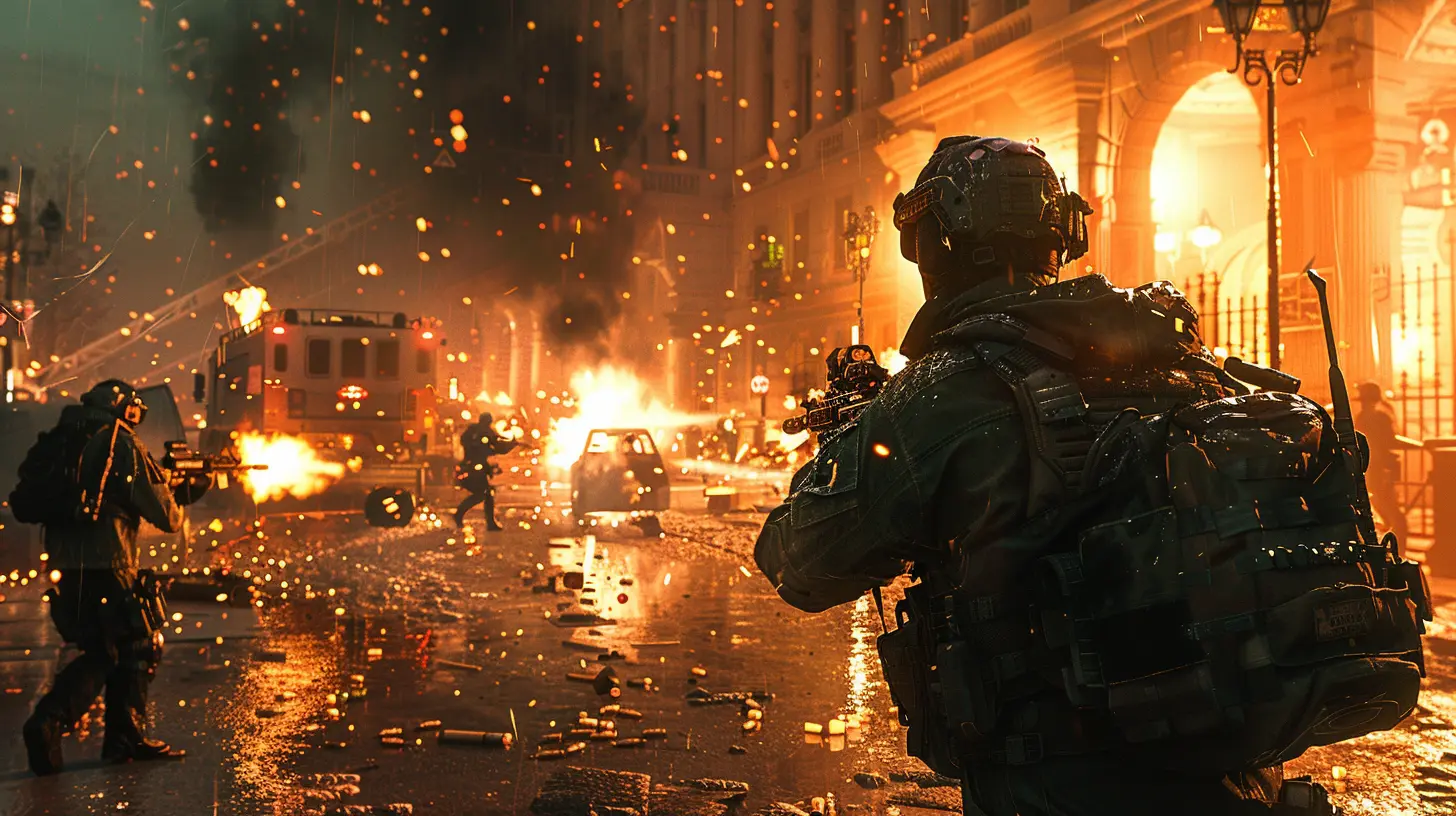
Why Are Devs Obsessed With Cinematic Gameplay?
Great question.First, cinematic gameplay is a powerful way to connect players with characters and worlds. When you care about what happens next, you're more likely to keep playing (and ya know, tell your friends, buy the sequel, maybe grab that sweet collector's edition).
Second, it’s all about standing out. In a sea of games, cinematic storytelling is like a bold neon sign that screams: “Hey, we’ve got something special.”
And third? Well, players want it. Gamers have evolved. We've gone from “just one more level” to “what happens to Ellie next?” or “will Arthur Morgan find redemption?” The line between gamer and viewer is blurring—and we’re loving it.
The Role of Technology: Lights, Motion Capture, Action
None of this would be possible without some serious tech wizardry.Motion Capture Magic
Mo-cap brings an actor’s full performance into the game—facial expressions, subtle movements, even the way they blink. It’s how Joel and Ellie feel like real people. It's the secret sauce that makes scenes hit you right in the feels.Graphics Engines Like Unreal and Decima
Engines like Unreal 5 allow for photorealistic environments, ray tracing, dynamic lighting, and animation blending that looks smoother than ever.Want to see a character’s tear roll down their cheek as they whisper their final words? Current-gen consoles are like, “Say less.”
Is All Cinematic Gameplay... Good?
Okay, now for some real talk.Not all attempts at cinematic gameplay land a bullseye. Sometimes, things get a little too...movie-ish. You know what I’m talking about—long unskippable cutscenes, minimal actual gameplay, or worse, fake choices that don’t matter in the end.
When cinematic ambition overshadows player agency, it can feel more like watching a game than playing one.
The best titles strike a balance—offering meaningful interactivity while telling a gripping story.
The Future: Are We Headed to Full-On Playable Films?
Let’s gaze into the gamer crystal ball for a second, yeah?With advancements in AI, real-time rendering, and interactive storytelling, it's not crazy to imagine games becoming fully immersive, player-driven narratives that rival the best movies. Imagine being able to speak to in-game characters naturally or alter endings based on your tone of voice. Wild stuff, huh?
And with VR and AR picking up steam, those cinematic moments might soon be happening around you, not just on a screen.
Indie Games Are Doing It Too!
Let’s not sleep on the indie scene.Titles like Firewatch, What Remains of Edith Finch, and Oxenfree are smaller in scale but massive in heart. These games prove you don’t need a hundred million dollars to tell a cinematic story—just creativity, passion, and great direction.
Sometimes, it’s the quiet, introspective moments in these games that leave the biggest impressions.
A New Era of Gaming Storytellers
Game directors are the new auteurs. Cory Barlog, Neil Druckmann, Hideo Kojima—they’re the Spielbergs and Tarantinos of our digital age.They’re crafting stories that stick with players long after the credits roll. And much like great filmmakers, their signature styles and storytelling chops are becoming legendary in gaming circles.
Final Thoughts: Why We Love the Cinematic Experience
Let’s face it—games aren’t what they used to be. And that’s a good thing.We now get to live in the stories we used to just watch, making choices, building relationships, and forging paths in worlds that feel alive. Cinematic gameplay is helping games reach new emotional heights—and honestly? It’s making us fall in love with gaming all over again.
So, whether you’re wielding an axe alongside Kratos, sneaking through clickers with Ellie, or wandering the wild west with Arthur Morgan—you’re not just playing a game. You’re part of something epic.
all images in this post were generated using AI tools
Category:
Aaa GamesAuthor:

Avril McDowney