How Environmental Storytelling Elevates Game Worlds
9 July 2026
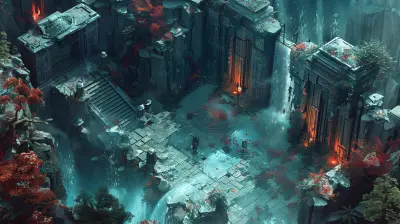
Ever stumbled into a dusty, abandoned cabin in a game, where the furniture is toppled, blood stains the floor, and a single diary page lies open on a desk? No enemies. No narration. Just the scene—and yet you know something bad happened there. That, my friend, is environmental storytelling at work.
Environmental storytelling is more than just a buzzword for game developers. It’s the secret sauce that adds depth, emotion, and immersion to virtual worlds. It doesn’t hit you over the head with exposition. Instead, it whispers tales through crumbling walls, scattered notes, and eerie silence.
In this article, we’ll dive deep into how environmental storytelling elevates game worlds, why it resonates so strongly with players, and how some of today’s most iconic titles use it to craft unforgettable experiences.
What Is Environmental Storytelling?
Let’s break it down. Environmental storytelling is the subtle art of using the world itself—its environments, objects, and architecture—to tell a story. It's the narrative you absorb without a single line of dialogue or cutscene.At its core, it's about world-building through visual cues. Whether it's a worn-down path suggesting frequent travel, or a fortress in ruins hinting at a long-forgotten battle, the environment tells stories outside the main plot.
Think of it as reading a room. Imagine entering someone's bedroom. You see posters on the wall, clothes on the floor, books on the shelf. You start to piece together their personality. That’s environmental storytelling in its simplest form.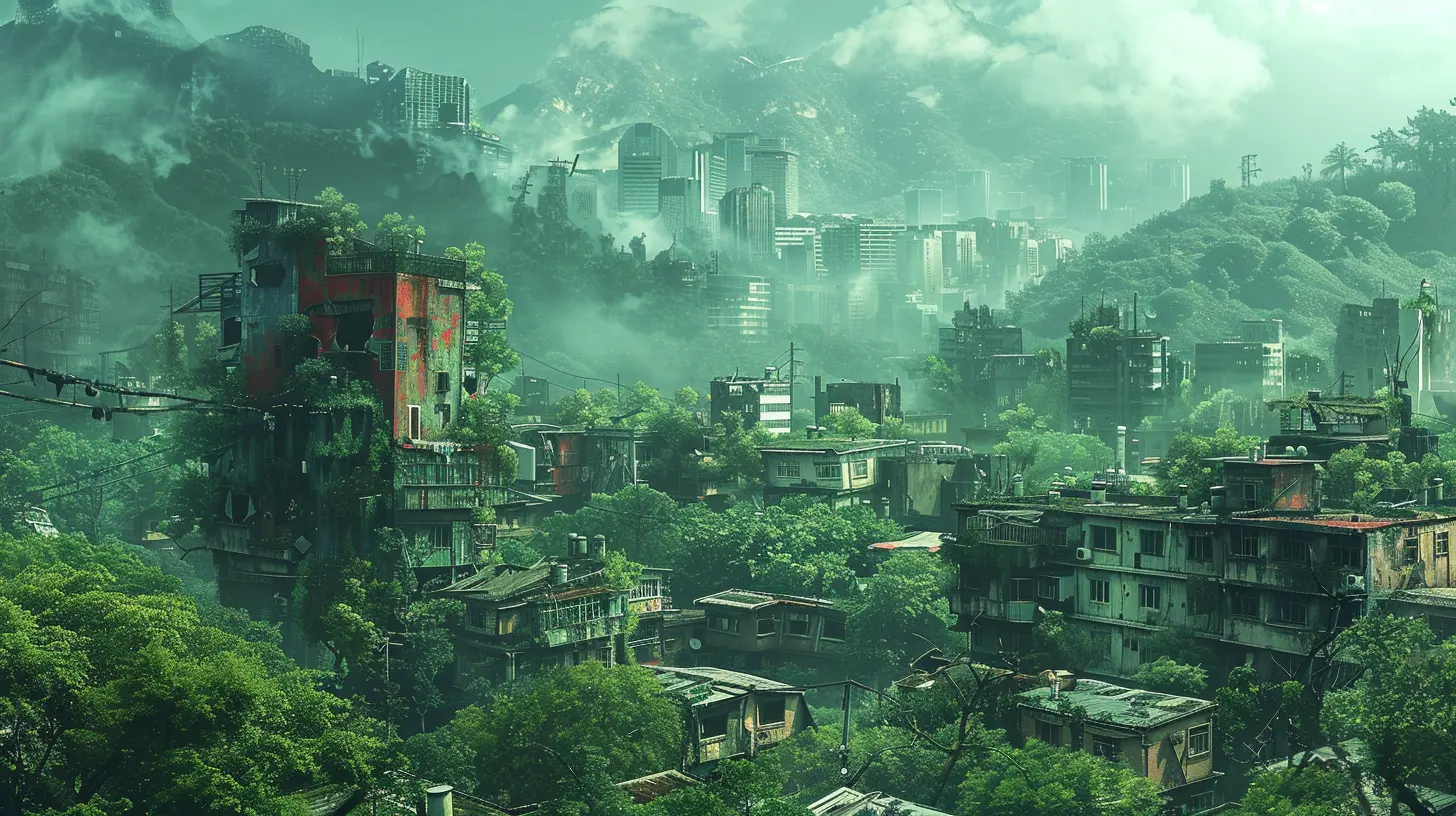
Why Environmental Storytelling Hits Different
Let’s face it—players are tired of info-dumps and long-winded cutscenes. They want to experience the story, not just be told what’s happening. And that’s where environmental storytelling shines.Here’s why it works so well:
1. It Makes You Feel Like a Detective
You’re not just playing the game—you’re piecing together clues. It’s like taking on the role of an investigator. You notice the broken chains, the escape tunnel, the graffiti on the wall, and boom—the puzzle pieces start falling into place. It makes players feel smart and engaged.2. It Creates Organic World-Building
Instead of bogging players down with endless lore dumps, environmental storytelling lets the world speak for itself. You learn history through ruins, culture through art, and tragedy through what’s left behind.3. It Strengthens Immersion
You’re not just watching the aftermath—you feel it. When done right, environmental storytelling sucks you into the world and makes everything feel more alive, more real.4. It Sparks Imagination
The stories aren’t always obvious. Sometimes, they’re just hints—breadcrumbs that lead your mind to fill in the blanks. That sense of mystery? That’s gold for player engagement.
Iconic Examples That Get It Right
Let’s look at some games that absolutely nail environmental storytelling. You’ll probably nod along because these are the moments that stick with you long after the credits roll.? The Last of Us Series
If you’ve played The Last of Us, you already know what I’m talking about. Naughty Dog’s post-apocalyptic series is littered with stories told through environments.Think of the quarantined houses, the cribs with stuffed animals long untouched, the infected slumped against walls next to empty pill bottles. You feel the heartbreak, the fear, the hopelessness—all without a word being spoken.
One standout example? Ish’s story. A complete, gut-wrenching subplot told entirely through notes and environmental clues. It’s a story of family, survival, and tragedy—and it unfolds as you explore the game world.
? Bioshock
Rapture is a masterclass in environmental storytelling. The underwater city isn’t just a backdrop—it is the story. The art deco interiors, propaganda posters, and audio logs create a narrative soaked in ideology, decay, and human ambition gone terribly wrong.Even the splicers, the enemies you fight, wear their desperation like a badge of honor. It’s creepy, it’s immersive, and it’s unforgettable.
? Red Dead Redemption 2
Rockstar’s wild west epic doesn’t shove stories in your face. Instead, it invites you to look around. A broken-down wagon might lead you to a skeleton clutching a photograph, hinting at a sad tale of loss. A ghost town may whisper of a long-abandoned mining operation turned deadly.Every inch of the map has something to say—you just have to listen.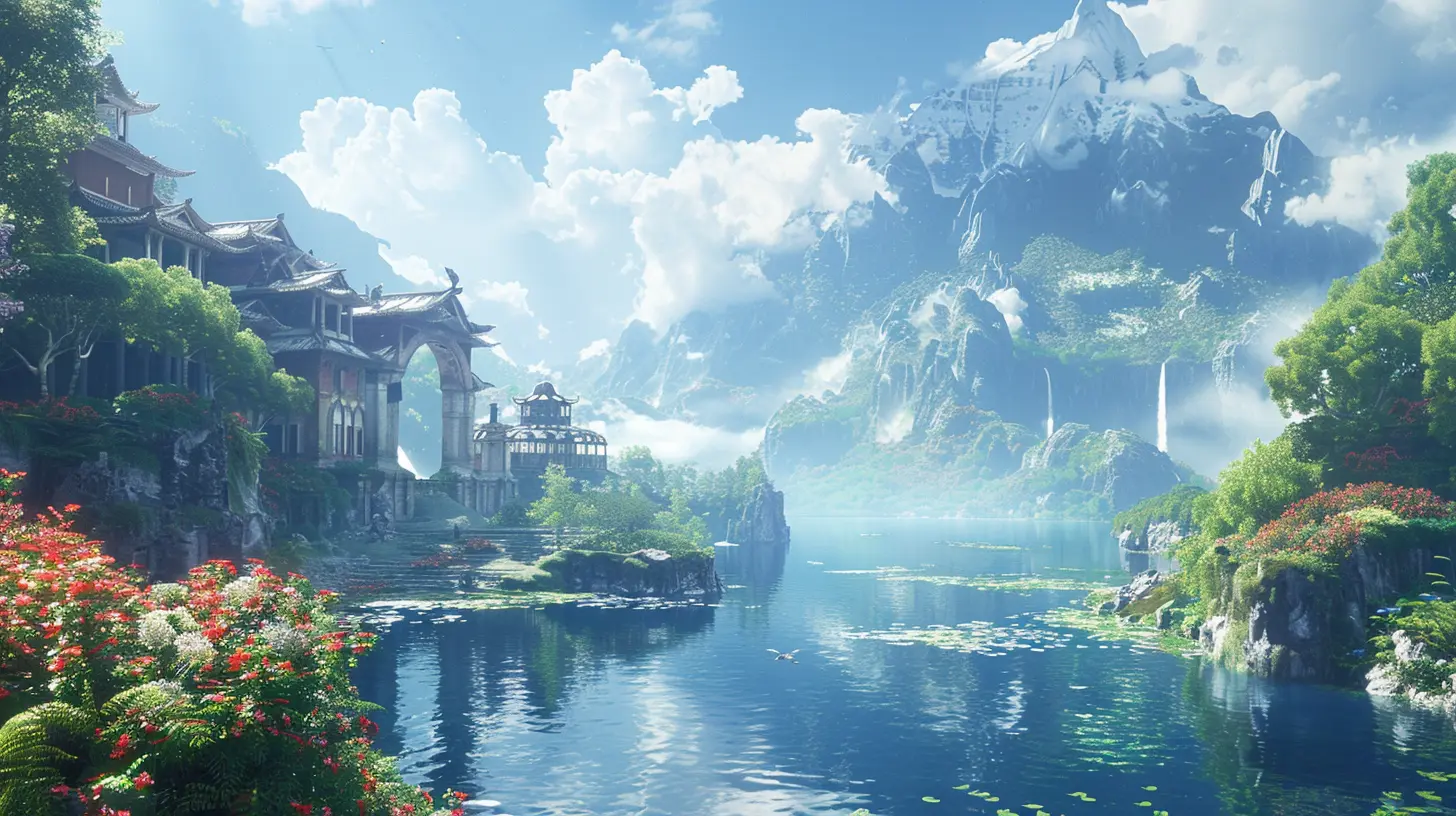
How Developers Craft Great Environmental Storytelling
Now you're probably wondering—how do developers pull this off? It’s no accident. It’s meticulous design, blended with a whole lot of creativity.1. Visual Language Is Key
Developers use textures, lighting, and layout to guide the player without them even realizing it. A blood trail? You’ll follow it. A flickering light? It’ll draw your eye. This visual language tells you where to look, and often, what to feel.2. Layering Details
The best environmental storytelling doesn’t rely on a single object. It layers multiple clues to tell a deeper story. A destroyed children’s room with a bunker hidden underneath tells you more than words ever could. It’s about creating emotional texture.3. Environmental Pacing
Timing matters, too. Developers strategically place environmental stories in quiet moments, letting players breathe and soak in the world. These pauses from action let the narrative resonate more deeply.4. Player Agency
Good environmental storytelling respects the player's freedom. You're not forced to engage with every detail, but those who do are richly rewarded. It’s storytelling for the curious.Why It Stays With You
Sure, epic boss battles and sweeping scores are memorable. But those quiet moments—when you find a child’s drawing in a fallout shelter, or a message scrawled on a prison wall—those are the ones that hit hardest.Here's why they linger:
- They’re Personal – You discovered them. Not through a cutscene, but through your own exploration.
- They Add Emotional Weight – They turn generic locations into places with soul and history.
- They Reward Curiosity – You earned that story because you paid attention.
It’s the difference between hearing someone’s story and reading their diary. One tells, the other shows.
The Psychological Hook
Let’s go a little deeper. Why do we crave this kind of storytelling?It taps into our natural curiosity. Humans are hardwired to connect dots, to make sense of chaos, to find patterns. Environmental storytelling leans into this. It gives us enough to start asking questions, but not enough to give clear answers. That gap? That’s where imagination steps in.
It turns players into co-authors. You don’t just play the game; you help write its story in your mind.
Future of Environmental Storytelling in Games
As tech moves forward—better graphics, more realistic physics, smarter AI—the possibilities for environmental storytelling explode.Imagine AI-driven environments that respond to your choices silently and symbolically… or VR worlds that hide context-sensitive stories behind every corner.
We’re just scratching the surface of what’s possible. But one thing’s clear: the future of game narratives isn’t just in dialogue or plot twists—it’s in the worlds themselves.
Final Thoughts
Environmental storytelling isn’t just a nice bonus in game design—it’s a powerful tool. It can shape mood, build lore, guide players, and make virtual worlds feel heartbreakingly real.It’s the difference between watching a movie and walking through one.
So next time you boot up a game, slow down. Look around. Read the graffiti, peek inside that shack, examine the battlefield. You might just uncover a story no one else noticed. And in doing so, you’ll realize just how powerful this form of storytelling can be.
all images in this post were generated using AI tools
Category:
Aaa GamesAuthor:

Avril McDowney