The Power of Sound Design in AAA Gaming Immersion
4 June 2026
When it comes to AAA video games, we often talk about eye-popping graphics, fluid animations, or jaw-dropping storylines. But there’s something else lurking quietly behind the scenes—something that hits you right in the feels yet easily goes unnoticed: sound design. Yep, those eerie whispers in horror games or that thud of a heavy footstep—pure audio magic.
Let’s pull back the curtain on why sound design isn’t just an accessory—it's one of the secret weapons behind immersive gaming experiences.
Why Sound Design Matters More Than You Think
Let’s be real for a second—how often do you consciously notice the sound design in your favorite game? Probably not as much as you should. And that’s kind of the point. Great sound design doesn’t scream for attention; it simply pulls you deeper into the game world like an invisible force.From the rustle of leaves in the wind to the echoing gunshots in a canyon, sound design is what makes virtual worlds feel real. It’s not just about background noise—it's emotional glue.
Immersion 101: How Sound Hooks You In
You know when you're walking through a dark, abandoned hallway in a game, and every creak and drop of water makes you second-guess your life choices? That’s sound playing mind games with you—and it's brilliant.Three key things sound design nails in AAA games:
1. Emotional Manipulation (In the Best Way)
Ever cried during a game scene just because the music hit right? Or felt your pulse spike when the combat soundtrack kicked in? That’s sound doing its job.? Think: The Last of Us’ haunting guitar pieces or the thunderous orchestras in God of War. These aren’t just tunes; they’re mood setters.
2. Environmental Storytelling
Sound tells its own story. The hum of machinery, the distant cries, or the silence of a snow-covered forest—it all paints a picture.? Think: Red Dead Redemption 2. Step into Valentine and listen. You’ll hear townsfolk chatting, horses neighing, and old saloons buzzing with life. You're not just playing; you're living it.
3. Spatial Awareness
Audio isn’t just about mood, it’s functional too. Need to know if an enemy’s sneaking up behind you? 3D spatial sound’s got your back—literally.? Think: Call of Duty’s footsteps or the directional roars in Monster Hunter. You’re not just hearing—you’re reacting.
The Magic Behind the Mic: How Sound Designers Work Their Craft
Creating killer sound design isn’t about slapping in random sound effects. It's a science, an art, and maybe even a little black magic.Here’s a breakdown of what goes into it:
Foley: The Unsung Heroes of Game Audio
Foley artists recreate everyday sounds in high fidelity. Picture someone stepping on gravel in a sound studio with a handful of rice under their boots. Ridiculous? Yes. Effective? Absolutely.Ambient Soundscapes: Setting the Stage
These are the subtle loops—breeze, rustling trees, distant sirens—that make a world feel alive. You may not notice them, but you'd definitely notice if they were missing.Dynamic Audio Systems: Sound That Adapts
Modern AAA games employ adaptive sound engines. Music and effects shift based on player actions. A calm melody turns frantic as enemies close in. It’s like the game is reading your mind.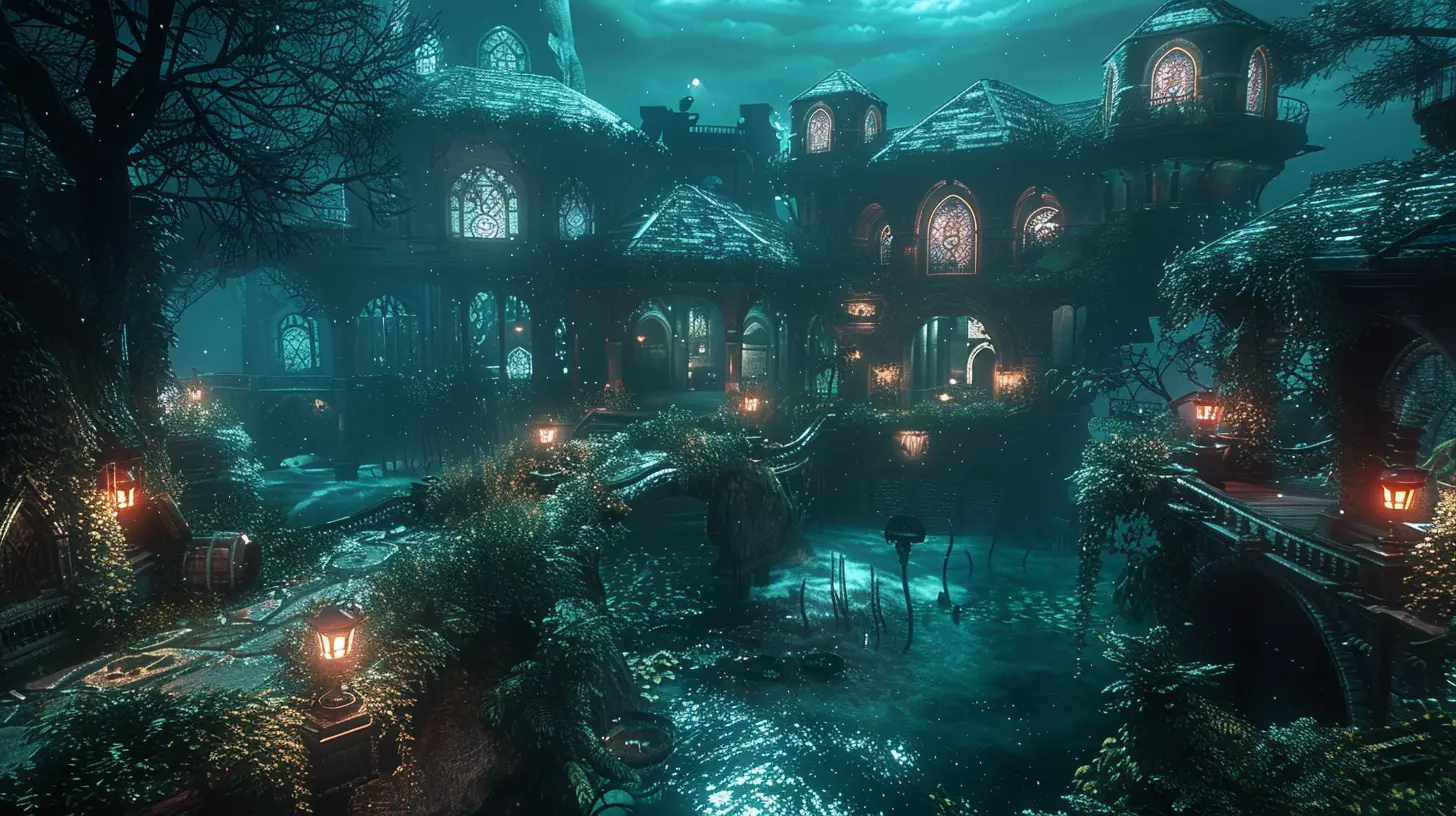
Sound vs. Music: Who Wins?
Let’s clear up a common mix-up: sound design is not just the soundtrack. Music is part of it, sure, but sound design is the whole sonic package—sound effects, ambient noises, dialogue, and yes, the score too.Think of music as the seasoning and sound design as the whole meal. One enhances the other, but you need all the ingredients working together to make it truly unforgettable.
? Case in point: In Hellblade: Senua’s Sacrifice, binaural audio creates whispering voices inside your head, making you feel what the character feels. That’s not music—that’s psychological sound design at its finest.
Iconic Moments Made by Sound
Some of gaming’s most iconic moments get stuck in our heads not just because of what we saw, but because of what we heard.Jump Scares That Worked Because of Sound
Resident Evil and Dead Space thrive on audio cues. That blood-curdling shriek or the sudden silence before a scare? That’s audio setting you up…and slapping you with fear.Epic Battles Fueled by Audio
Imagine battling a dragon in Skyrim without the booming soundtrack or explosive roars. It’d feel empty. Great audio pumps adrenaline right into your veins.Quiet Moments That Broke Us
The silence in Journey as your character trudges through a snowstorm, or the melancholic notes in Ori and the Blind Forest—those quiet moments? That’s where sound design shines the most.The Tech Side: Tools of the Trade
Behind every perfect sound lies an army of tools and tech. Here's what sound designers are packing in their digital toolkits:- Middleware Tools: Software like FMOD and Wwise lets audio react to gameplay in real-time.
- DAWs (Digital Audio Workstations): Think Pro Tools, Ableton Live, or Logic Pro.
- Field Recorders: Sometimes, you need real-world sounds. So designers go out with mics to capture wind, rain, or even a car crash.
Add to that a deep understanding of acoustics, mixing, and psychology, and you've got an intense production process that rivals Hollywood.
3D Audio & Beyond: The Future Is Even More Immersive
With the rise of technologies like Dolby Atmos, Tempest Engine (shoutout to the PS5), and spatial audio, the future of sound in gaming is next-level immersive.Imagine hearing a whisper behind you in VR that literally makes you turn your head. We're crossing into full sensory territory, where sound is no longer just heard—it's experienced.
And with AI-driven audio tools on the horizon, reactive environments may become smarter, adding more unpredictability and realism to games.
Game Devs Who Nail Sound Every Time
Want to hear (literally) some of the best in the biz?Naughty Dog
From Uncharted’s epic set pieces to the emotional rollercoaster of The Last of Us series, these folks are the gold standard in dynamic sound design.CD Projekt Red
Say what you will about Cyberpunk 2077’s launch, but its soundscape—cars, chatter, ambient city noise—is immersive as heck.Rockstar Games
Every detail in their sound is purposeful. GTA V and Red Dead 2 aren’t just visual masterpieces; they sound like living, breathing worlds.Tips for Gamers: How to Truly Appreciate Game Audio
Let’s be honest—most of us don’t play games in audio-ideal conditions. Maybe you’ve got cheap headphones or just use your TV speakers. Totally fine! But if you want to level-up your audio experience, consider this:- Wear decent headphones. Even mid-range ones will boost immersion.
- Play in a quiet space. Background noise kills atmosphere.
- Go back to games you love and just listen. You’ll catch details you missed the first time.
Trust me, once you start paying attention to sound, there’s no going back.
Final Thoughts: Sound Is the Soul of Gaming
In a world obsessed with visuals, it’s easy to underestimate the power of sound in AAA gaming. But strip away the music, the effects, the dialogue, and what you’re left with is a shell of an experience.Sound is what breathes life into pixels. It’s the whisper in the shadows, the thunder in the distance, and the heartbeat that matches your own during boss fights. It’s what makes games unforgettable.
Next time you boot up your favorite AAA title, close your eyes for a moment, and just listen. You’ll hear a whole new world.
all images in this post were generated using AI tools
Category:
Aaa GamesAuthor:

Avril McDowney
Discussion
rate this article
1 comments
Amelia McTavish
Sound design in AAA gaming is the unseen force that pulls players deeper into worlds. Every note and whisper holds secrets waiting to be uncovered...
June 8, 2026 at 3:02 AM
Avril McDowney
Absolutely, sound design is crucial. It shapes the atmosphere and guides the player's emotions, enhancing the overall experience in ways that often go unnoticed.