The Joy of Replayability in Timeless Games
12 May 2026
Let’s face it — some games just pull us back in time and time again. You know the ones I’m talking about. You’ve beaten the final boss, seen the credits roll, maybe even unlocked every achievement... yet somehow, you’re booting it back up two weeks later. Why? Because it's a timeless game, and more importantly, it has replayability that keeps on giving.
In this article, we're diving deep into the delight that is replayability in timeless games. We're going to explore why we get addicted to playing them again (and again), what makes them so enduring, and which games absolutely nailed this magic formula.
What Is Replayability, Really?
First off, let’s break it down. What exactly is replayability? In simple terms, replayability is a game’s ability to remain enjoyable after it’s been completed once — or twice, or ten times.But it’s more than just being fun the second go-around. It’s about offering new experiences, fresh challenges, or alternate paths that make you feel like you’re playing something familiar... yet totally new.
Think of it like your favorite pizza joint. You’ve tried all the toppings, but you still come back because they’ve figured out how to make every bite feel special.
Why Replayability Matters
So, why do gamers (like us) care about replayability so much?Value for Your Money
Let’s be real — games aren't cheap. When we drop hard-earned cash on a game, we want it to last. A game with high replayability gives you more bang for your buck. You aren’t just spending on one story or experience; you’re investing in endless hours of entertainment.Emotional Attachment
Games we replay often hold some kind of emotional weight. Maybe it’s nostalgia, comfort, or just that feeling of “one more run.” You connect with the world, the characters, or even the mechanics. That emotional bond keeps us engaged, and keeps us coming back.Gameplay Depth and Mastery
Ever played a game where every time you boot it up, you discover something new? That’s gameplay depth. Games rich with mechanics make you feel like you’re always learning — and mastering a new skill is seriously addictive.Different Outcomes, Same Joy
Replayable games often have branching paths, moral choices, or varying endings. This not only builds curiosity (what if I made a different choice?) but also allows us to craft our own journey. It’s basically a "choose your adventure" book made digital — and who doesn’t love those?
Elements That Make a Game Replayable
So, what are the secret ingredients that make a game infinitely replayable?1. Multiple Endings and Choices
Games like The Witcher 3, Mass Effect, and Detroit: Become Human offer consequences for your actions. Your choices matter, and the endings reflect that. Want to see what happens if you save the villain instead of slaying them? Hit "New Game" and find out!2. Randomized Elements
Ever heard of roguelikes? These babies thrive on randomness. Games like Hades, The Binding of Isaac, and Slay the Spire change up levels, enemies, and item drops each playthrough. It keeps the experience fresh and unpredictable.3. Expansive Mods and Community Content
Open-world games or PC-based titles like Skyrim, Minecraft, and Stardew Valley are shining examples of how mods can breathe new life into old content. When the community continuously pumps out new quests, items, or even entire worlds, the replayability skyrockets.4. Unlockables and Achievement Systems
Let’s not forget the collectors and completionists among us. Unlockable content, bonus characters, and achievements give us a reason to dive back in. It’s like hunting treasure — who can resist?5. Perfectly Balanced Gameplay Loops
Sometimes, it’s not even about new content or choices. It’s just the core loop that’s so satisfying. Tetris, Rocket League, and Super Mario Bros. all have simple yet addictive loops that make every play session thrilling.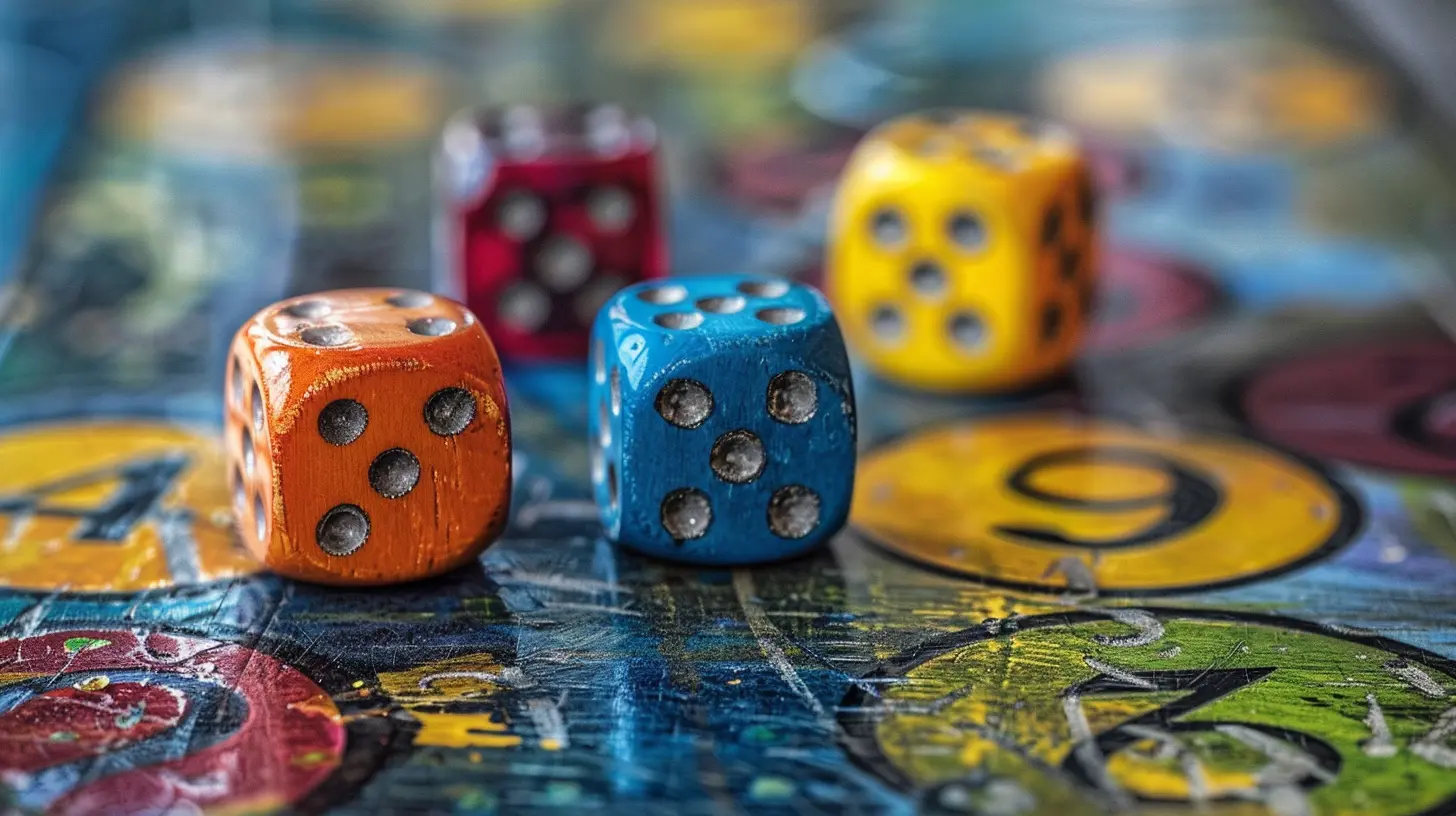
Why Timeless Games Keep Winning
Alright, so we’ve talked about replayability. Now let’s tackle “timelessness” — what makes certain replayable games stand the test of time?Iconic Art and Sound Design
Timeless games often have a look and sound that sticks with you. Think The Legend of Zelda: Ocarina of Time’s haunting melodies or the pixel-perfect charm of Chrono Trigger. It’s not just style — it’s soul.Universally Relatable Themes
Games that explore core human emotions — love, loss, adventure, redemption — tend to age well. No matter how old you get, Shadow of the Colossus hits just as hard.Community and Legacy
Games like Counter-Strike, World of Warcraft, and Super Smash Bros. are still alive and kicking thanks to vibrant communities and continued support. These titles evolve with their players. That sense of timelessness is built on shared memories, in-jokes, and epic moments.Games That Define Replayability and Timelessness
Let’s shine a spotlight on some games that totally crushed it in both areas.The Elder Scrolls V: Skyrim
This game is basically the poster child for replayability. Whether it’s joining a new guild, roleplaying a pacifist monk, or just chasing butterflies in the woods — there's endless ways to play. Add mods into the mix, and it's like having a new game every time.Dark Souls Series
Sure, it’s tough. But that’s the point. Whether you're mastering boss patterns, trying a new build, or exploring lore in New Game+, Dark Souls demands and rewards replaying.Stardew Valley
It’s cozy, it’s cute, and somehow you’re still farming strawberries at 2am. Each replay opens up a new relationship, a new style of farm, or a different way to live your small-town dream.Hades
This game was designed with replayability at its heart. Every run is different. Different weapons, boons, paths — and the narrative actually progresses each time. You’re not just dying; you’re dying with progress.The Legend of Zelda: Breath of the Wild
Even years after release, players are still charting new routes, tackling shrines creatively, and discovering secrets. It's a playground of possibilities.
Why You Should Revisit Old Favorites
There’s a unique joy in returning to games you know and love. It’s like catching up with a friend you haven’t seen in years — there's familiarity, but also discovery.Perspective Changes
You’re not the same person you were five years ago. Replay your favorite RPG now and you might empathize with different characters or choose different paths. It’s wild how much storytelling hits differently with time.Comfort and Escapism
Life’s hectic, and sometimes you just need something familiar. Pop in Super Mario 64, hum along to the theme, and let your inner child kick back and relax.Nostalgia That Hits Just Right
Sometimes, all it takes is a song, a loading screen, or a button combo to send you back in time. Nostalgia isn't just emotional — it’s powerful. And replaying old titles is the perfect way to time travel.Replayability in the Modern Era
With live-service games, updates, and DLCs, developers are finding new ways to keep games replayable without reboots or sequels.Games like Fortnite, Genshin Impact, and Apex Legends thrive on constant evolution. While they’re different from traditional replayable titles, they prove that dynamic content keeps players engaged for years.
But it’s not all about constantly “adding more.” Some of the most replayable games rely on solid foundations. Celeste, for example, doesn’t need updates to stay relevant. Its precision platforming and emotional core are enough to keep players hooked.
The Takeaway: Replayability is Gaming’s Secret Sauce
Here’s the deal — replayability turns a good game into a great one. It gives you memories, challenges, and adventures that last far beyond the end credits.Timeless games excel because they understand something fundamental: great mechanics, emotional stories, and strong communities don’t age. Whether you're revisiting childhood favorites, diving into indie gems, or cycling through roguelikes, there’s always joy in replaying a great game.
So go ahead. Pick up that controller. Boot up that dusty old save file. Relive the magic, rewrite your journey, or just play for the sheer fun of it. Because in the end, that’s what games are all about — joy, discovery, and coming back for more.
all images in this post were generated using AI tools
Category:
Classic GamesAuthor:

Avril McDowney
Discussion
rate this article
2 comments
Thor McIlwain
Great read! Replayability really highlights the depth of classic games. It's fascinating how they continue to offer new experiences, drawing players back in time and time again. Looking forward to more discussions on this topic!
June 18, 2026 at 2:55 AM
Avril McDowney
I'm glad you enjoyed it! Replayability truly keeps classic games alive and engaging. I'm excited to dive deeper into this topic with you and others.
Phoebe McQuillen
Replayability breathes life into classics, inviting us to rediscover joy each time.
May 12, 2026 at 4:53 AM
Avril McDowney
Absolutely! The beauty of replayability lies in how it lets us experience the magic of these classics anew, finding fresh joy each time we play.