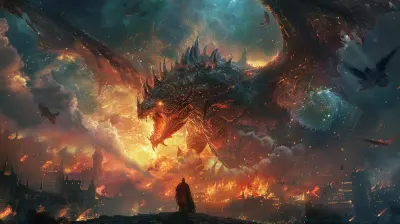
The Impact of Story Arcs on Gameplay Progression
20 April 2026
Alright, gamers and game devs, grab your digital swords and potions—you’re about to embark on a storytelling journey where plot twists and character arcs aren’t just fluff. They’re game-changers (literally). Today we’re diving deep into the glorious, dramatic, pixel-infused world of story arcs and their sneaky, yet oh-so-satisfying, influence on gameplay progression.
Yes, we're talking about those epic moments where the main character goes from a clueless nobody with a wooden sword to the chosen one rocking enchanted armor and a backstory full of trauma. So buckle up—this isn’t your average “press X to skip cutscene” discussion. Let’s talk storytelling and how it can make or break a video game’s soul.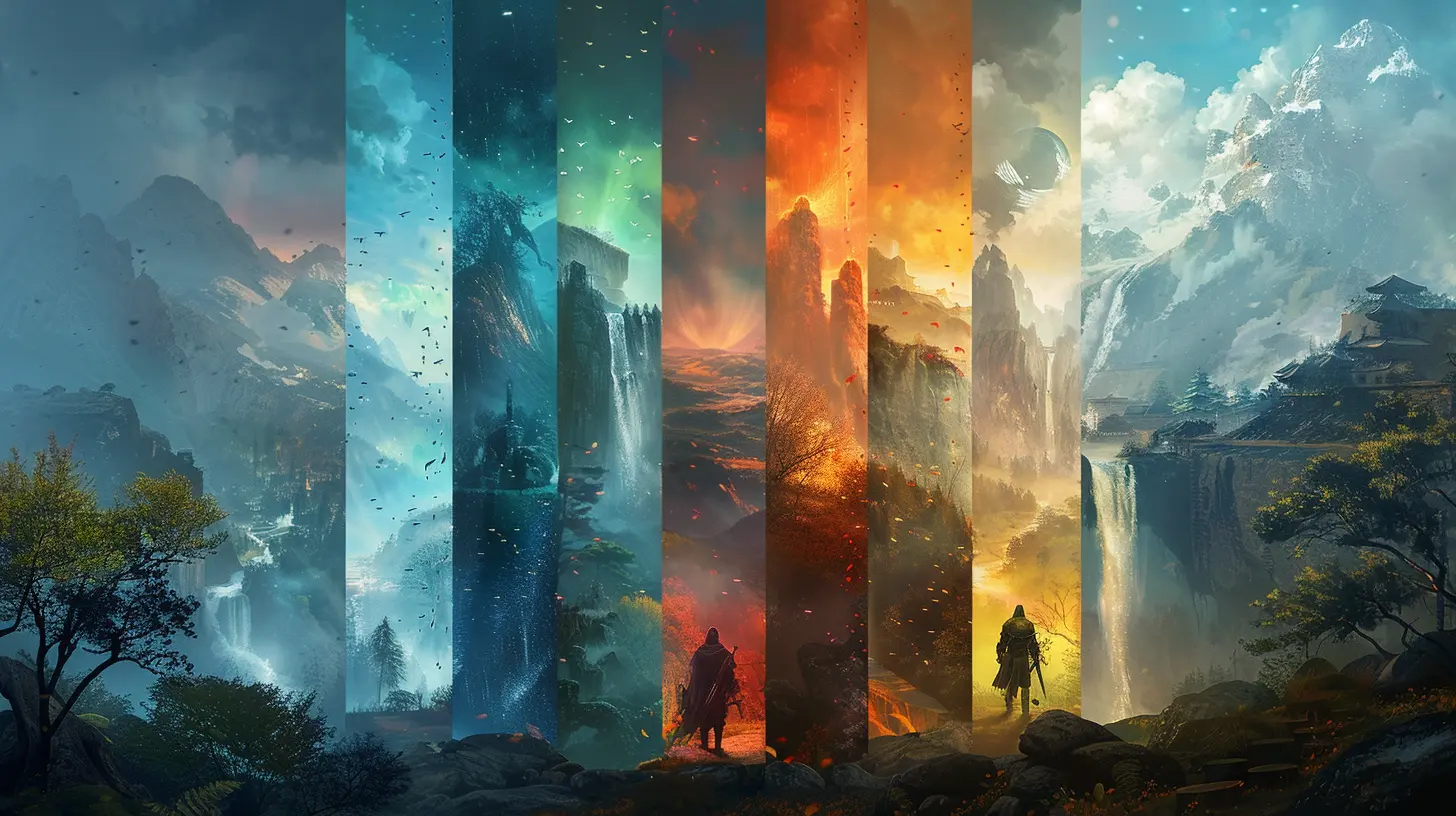
What Are Story Arcs? And Why Should I Care?
Story arcs are the narrative equivalent of that embarrassing glow-up you had between middle school and your first real job. They take a player (and the characters) on a rollercoaster—from the “everything sucks” beginning, through trials and tribulations, to that sweet victory lap at the end.Think of it like a sandwich: you’ve got your beginning (two slices of bread), your juicy conflict in the middle (hello pickles of doom), and then a resolution (maybe even dessert!). A solid story arc keeps players emotionally hooked. Without it, your game is just a sandbox with no castle.
Quick Sidebar: NOT All Games Need a Story Arc... But Most Should
Sure, Tetris doesn't need a tragic backstory about square-shaped alien refugees. But if your game has a protagonist, enemies, and a goal? A story arc is your golden ticket to making players care.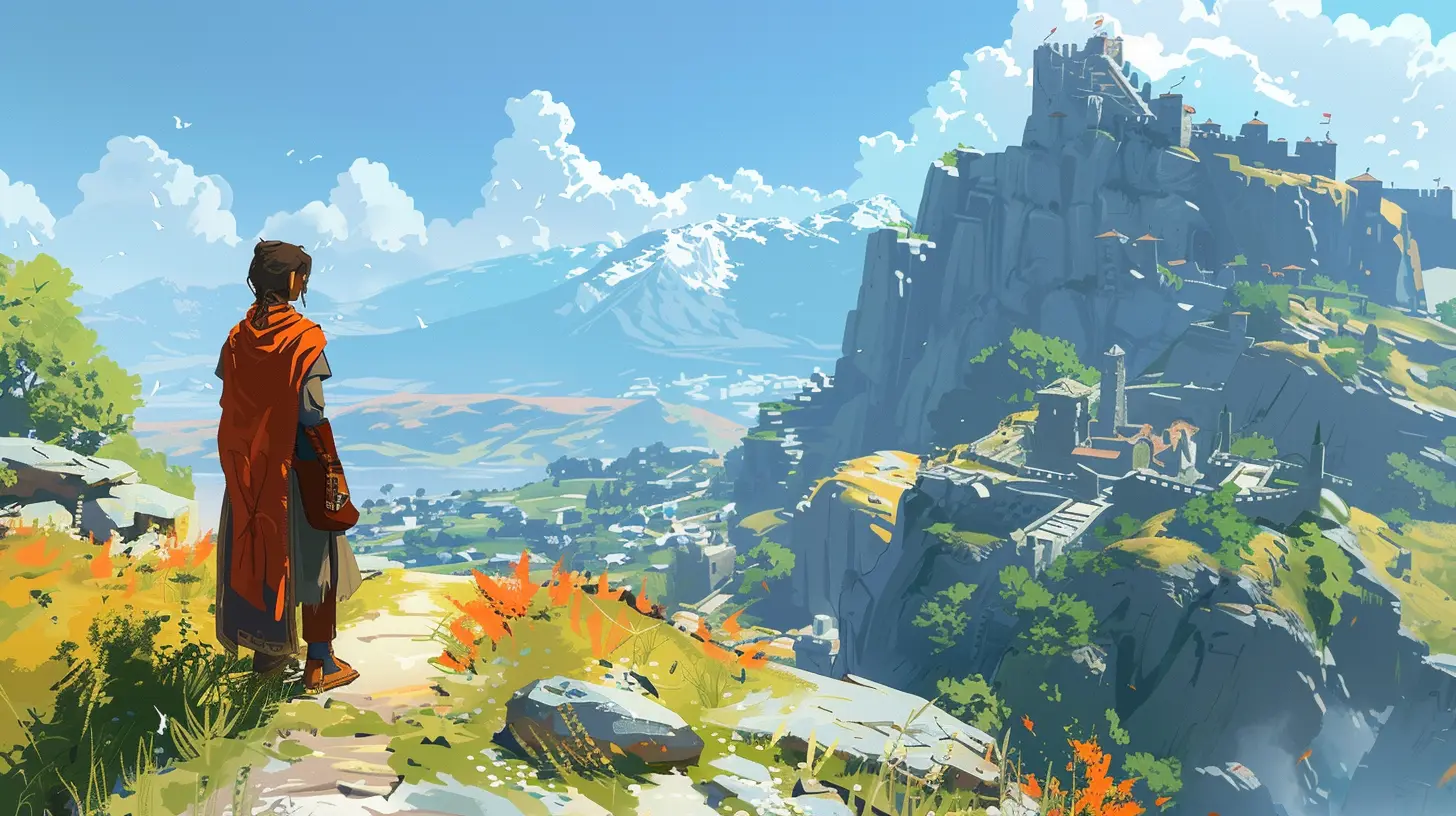
How Story Arcs Fuel Gameplay Progression
Okay, now we’re getting to the good stuff. You might be wondering, “How DOES the story actually affect my gameplay?” Great question, my skeptical friend.1. Motivating the Player (aka Why You’re Actually Fighting That Giant Spider)
Imagine you’re playing a game. You’ve just entered Level 10. A voice says: “Defeat the spider queen.” You’re like, “Okay… why though?”But now imagine this: In Level 1, you learned that the spider queen cursed your village. At Level 5, she kidnapped your pixelated sister. And now, in Level 10, it’s personal.
BOOM. Motivation unlocked.
?️ Killing spiders is fun. Revenge-killing spiders with a backstory? Chef’s kiss.
The story arc gives meaning to the gameplay. It fuels your rage, your joy, and your desperate button smashing. Suddenly, progress isn’t just about XP—it’s about vengeance, love, destiny, or all three.
2. Unlocking New Abilities in Sync With Character Development
Here’s the kicker: as your character evolves through the story, they start unlocking cooler gear or abilities. But plot twist—it’s not just because your XP bar hit 1,000.It feels like they earned it.
Example? Kratos in God of War doesn’t just upgrade his weapons with XP. His story forces him to confront his past, learn new values (like, y’know, parenting), and that’s what opens up new gameplay possibilities.
It’s emotional progression syncing up with mechanical progression. Like two sides of the same, sweaty controller.
3. Pacing: Because No One Wants All the Good Stuff in Level 1
Story arcs lend themselves to natural pacing. You don’t get Excalibur two minutes in. You get a stick. Maybe a rock. Okay, some pants if you’re lucky.As the stakes rise in the story, so do the challenges and rewards. It’s the narrative breadcrumb trail that keeps you moving forward.
Trying to achieve that perfect difficulty curve without story? Good luck. It’s like baking a cake without measuring—sure, you might get something edible, but it ain’t gonna rise.
4. Adding Variety Without Feeling Random
Ever have a game where new stuff just... shows up? “Congrats! It’s a flamethrower now!” Wait, why am I using a flamethrower in a stealth mission?That’s what happens when your gameplay evolves without the story giving it context.
A well-written story arc allows developers to introduce new weapons, abilities, mechanics, and enemies in ways that make sense. The storyline becomes the “why” behind the “what the heck?”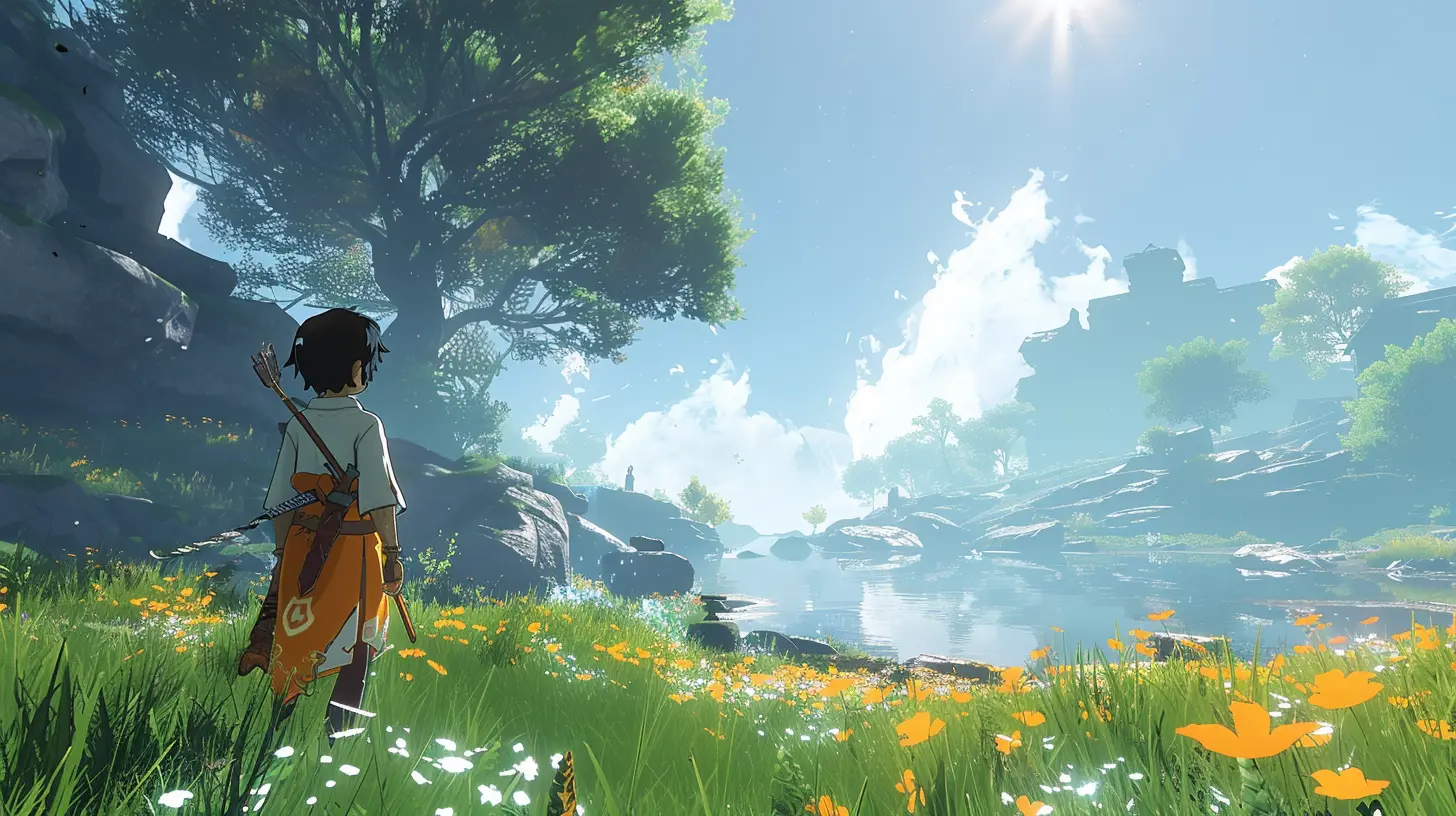
Real-World Examples: Yes, We're Naming Names
Let’s give credit where credit’s due. These games nailed the harmony between narrative arcs and gameplay evolution:? The Witcher 3: Wild Hunt
Geralt’s journey isn't just about swinging swords and downing potions. It's about finding Ciri, dealing with political chaos, and growing as a grumpy-yet-lovable dad-figure.Every quest and character choice reflects his personal arc—and that progression is closely tied to the gameplay. Darker choices lead to darker endings. And each new place brings new mechanics rooted in the ongoing story. That’s narrative progression done right.
? Red Dead Redemption 2
Arthur Morgan’s slow realization that he might not be the hero—combined with the decline of the Van der Linde gang—is heartbreaking. And guess what? The gameplay starts changing too. Missions become more desperate. The tone darkens. Even Arthur’s animations subtly slow down as his condition worsens.You’re not just seeing the story happen—you’re playing it.
? Hollow Knight
Ah yes, the indie king of “Why am I crying over a bug?”You start off small and clueless. But as you explore, you uncover a deep, tragic story. Each new area isn’t just different—it’s more complex, reflecting the deeper truths you’re uncovering. The difficulty curve? Tied nicely to the narrative scale. Chef. Kiss.
Why It Works: Our Brains Love a Good Arc
Let’s get pseudo-scientific for a sec. Our monkey brains adore patterns, goals, and dopamine hits. A story arc gives all three.- There’s a beginning: “What’s going on?”
- A middle: “Oh snap, things are escalating!”
- And an end: “VICTORY IS MINE.”
This emotional rhythm helps players stay invested longer—and makes the highs hit harder. You’re not just beating a boss. You’re finishing a chapter of your saga.
Common Pitfalls (And Hilarious Fails)
Now, before we wrap our narrative blanket around gameplay progression and sing kumbaya, let’s talk about when it doesn’t work.? Tacked-On Lore
You know the types. Games where the devs clearly finished the mechanics and slapped on a story afterward like a sticker on a laptop. “Uh, yeah, the evil AI controls the toaster now, so go punch it.”No thanks.
? Story Overload
On the flip side, don’t give us five hours of cutscenes before we even swing a sword. If we wanted to watch a movie, we’d be on Netflix. Let us play the arc, don’t just tell it.Balance, young padawan. Balance.
So, What’s the Takeaway?
A game without a story arc is like a pizza with no cheese—sure, some psychopaths might still like it, but the rest of us are just confused and sad.When done right, the narrative doesn’t just parallel the gameplay—it fuels it. It motivates us, gives context, paces the experience, and makes every level, every item, and every boss fight feel earned.
If you’re a developer, care about your story arc. If you’re a player, appreciate the ride. And if you’re a sentient toaster controlled by an evil AI—uh, sorry ‘bout that last part.
TL;DR: Story Arcs = Gameplay Glow-Up
Let’s wrap this up like a loot chest:- Story arcs turn basic button-mashing into emotional journeys.
- They help gameplay progression feel earned and meaningful.
- They act as a guide for pacing, variety, and motivation.
- And done well? They make you cry, cheer, and maybe text your ex about the meaning of life after finishing the final boss.
In conclusion: Play the story, live the journey, and never trust a villain named “The Architect.
all images in this post were generated using AI tools
Category:
Game ProgressionAuthor:

Avril McDowney
Discussion
rate this article
2 comments
Elora O'Brien
Story arcs enhance emotional engagement, but can hinder gameplay pacing if poorly designed.
April 23, 2026 at 3:11 AM
Avril McDowney
That's a great point. Balancing story and gameplay is crucial; a well-crafted arc can deepen immersion without slowing down the action.
Kathleen Phelps
This article insightfully explores how story arcs enhance gameplay progression by creating emotional investment and motivation. Engaging narratives can transform player experiences, making challenges feel more significant and rewarding, ultimately leading to deeper immersion in the game.
April 20, 2026 at 4:51 AM
Avril McDowney
Thank you! I'm glad the article resonated with you. You've perfectly captured the core idea—story arcs are the emotional engine that turns gameplay into a meaningful journey.