The Evolution of AAA Games and What It Means for Gamers
10 May 2026
Grab your favorite gaming snack, plug in that controller (or mouse and keyboard), and get comfy. We’re diving deep into the wild, chaotic, and sometimes wallet-punching world of AAA games. That’s right — the games that often come with cinematic trailers, massive budgets, and the hopes and dreams of millions of gamers hanging in the balance like it’s the final boss battle.
From pixelated plumbers to open-world odysseys, AAA games have come a long way. But with great budgets come great responsibilities... or at least they should. So what’s changed over the years? Are we better off now, or are we just paying more for shinier pixels and loot boxes? Let’s break down the evolution of AAA games — and what it really means for us, the pixel-pushing, XP-grinding, RAM-loving crowd.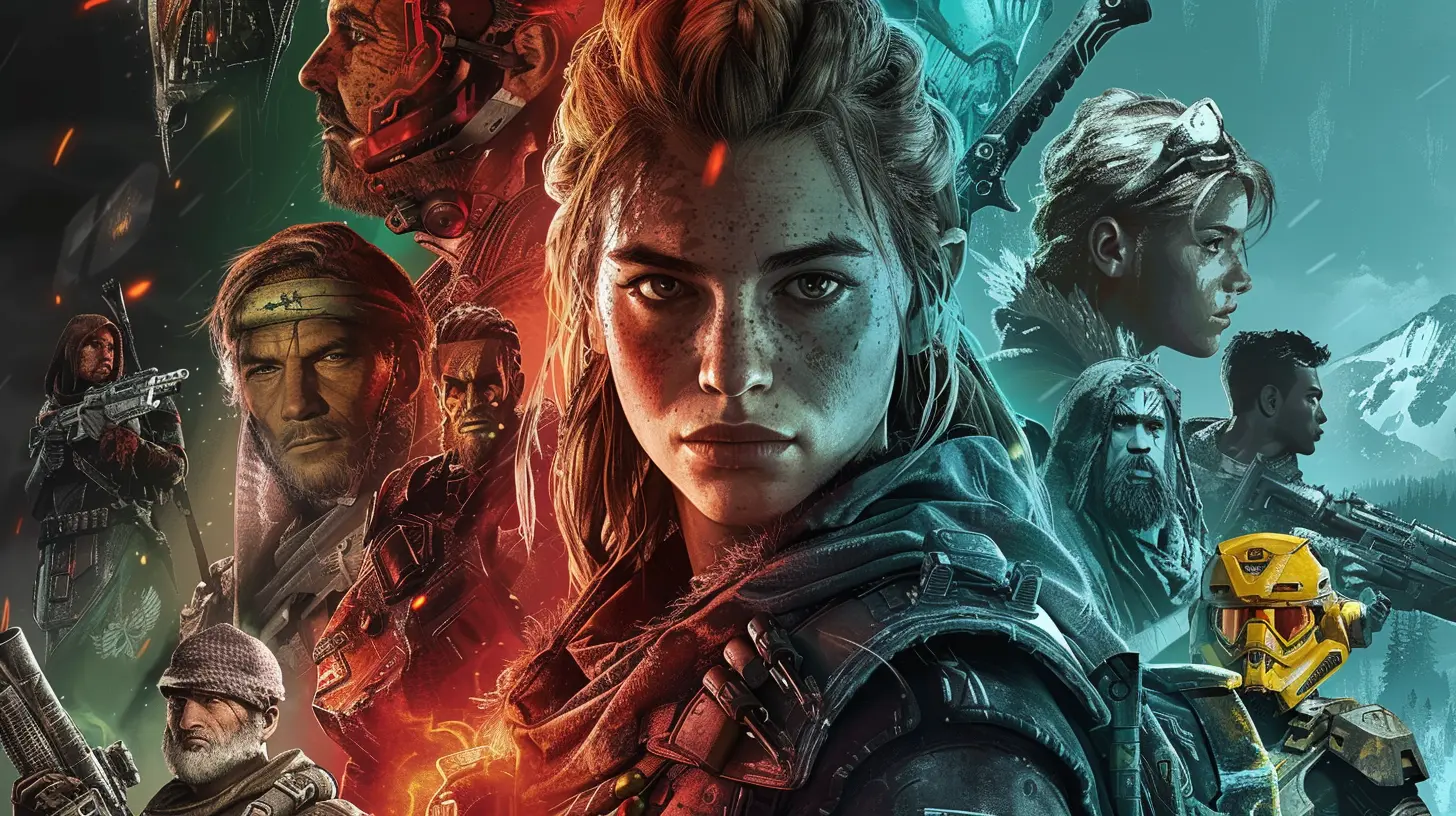
What the Heck Is a “AAA” Game Anyway?
Before we hop in the time machine, let’s get our terminology right. “AAA” (pronounced “Triple-A,” not “A-A-A” like your car broke down) refers to video games with the biggest budgets, biggest teams, and often the biggest expectations. Think of them as the Hollywood blockbusters of gaming. We're talking games like The Last of Us, Red Dead Redemption 2, Halo, and basically anything Ubisoft pushes out every fiscal quarter.AAA games are the cream of the crop — or at least, that's what they’re supposed to be. But sometimes that cream curdles. More on that later.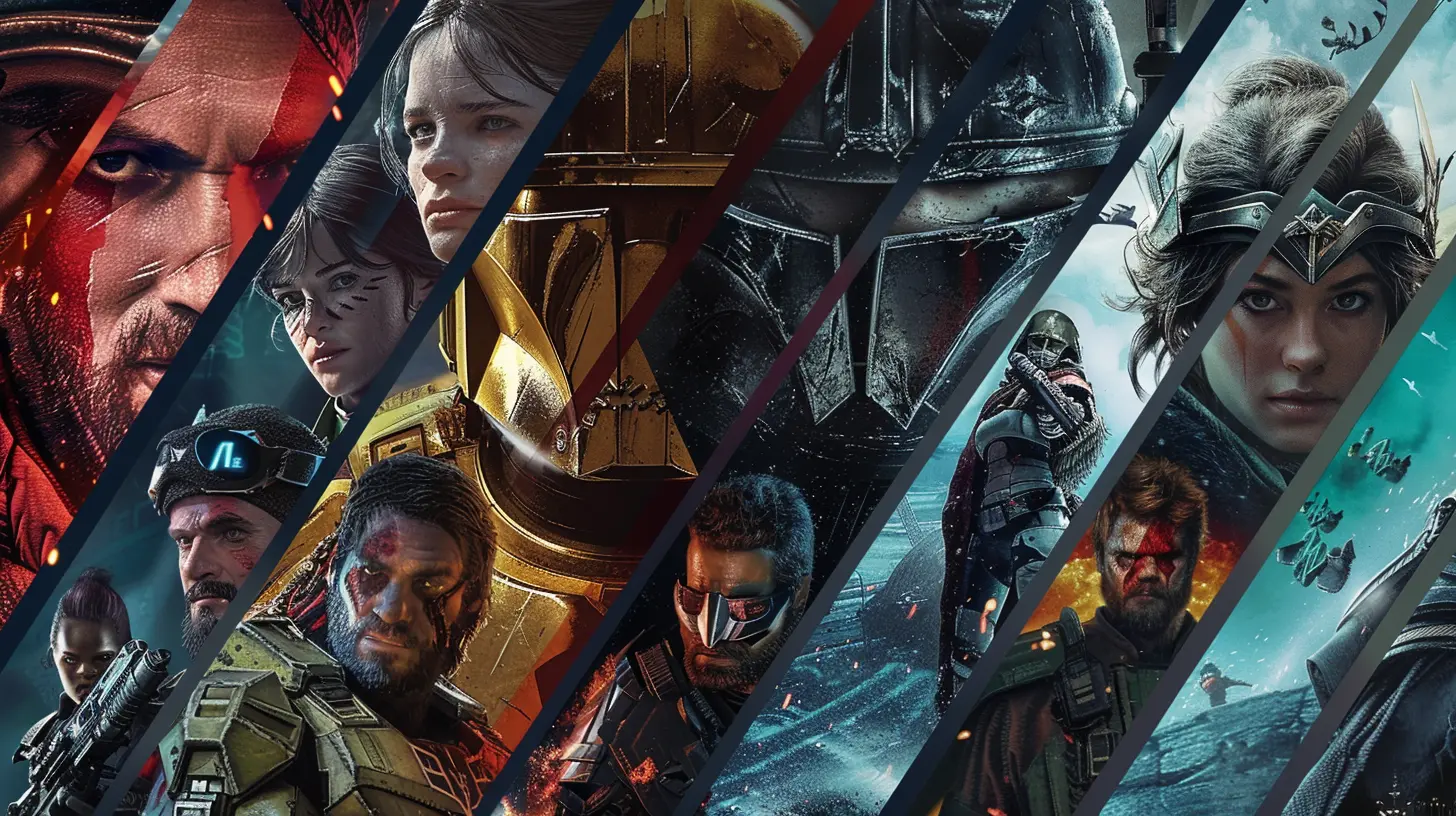
Back in My Day: The Humble Beginnings
Let's rewind to the ‘90s and early 2000s. You remember — back when internet was dial-up and memory cards were worth their weight in gold. Back then, a AAA game meant something different. Games like Final Fantasy VII, Metal Gear Solid, and Half-Life shattered the mold with innovative gameplay and storytelling.Graphics weren't 4K, but the experience? Pure gold. Plus, games often released as finished products (imagine that!), not as “early access” or “live service” digital guinea pigs. You bought the disc, you played the game, you cried during Aerith's death scene — life was simple.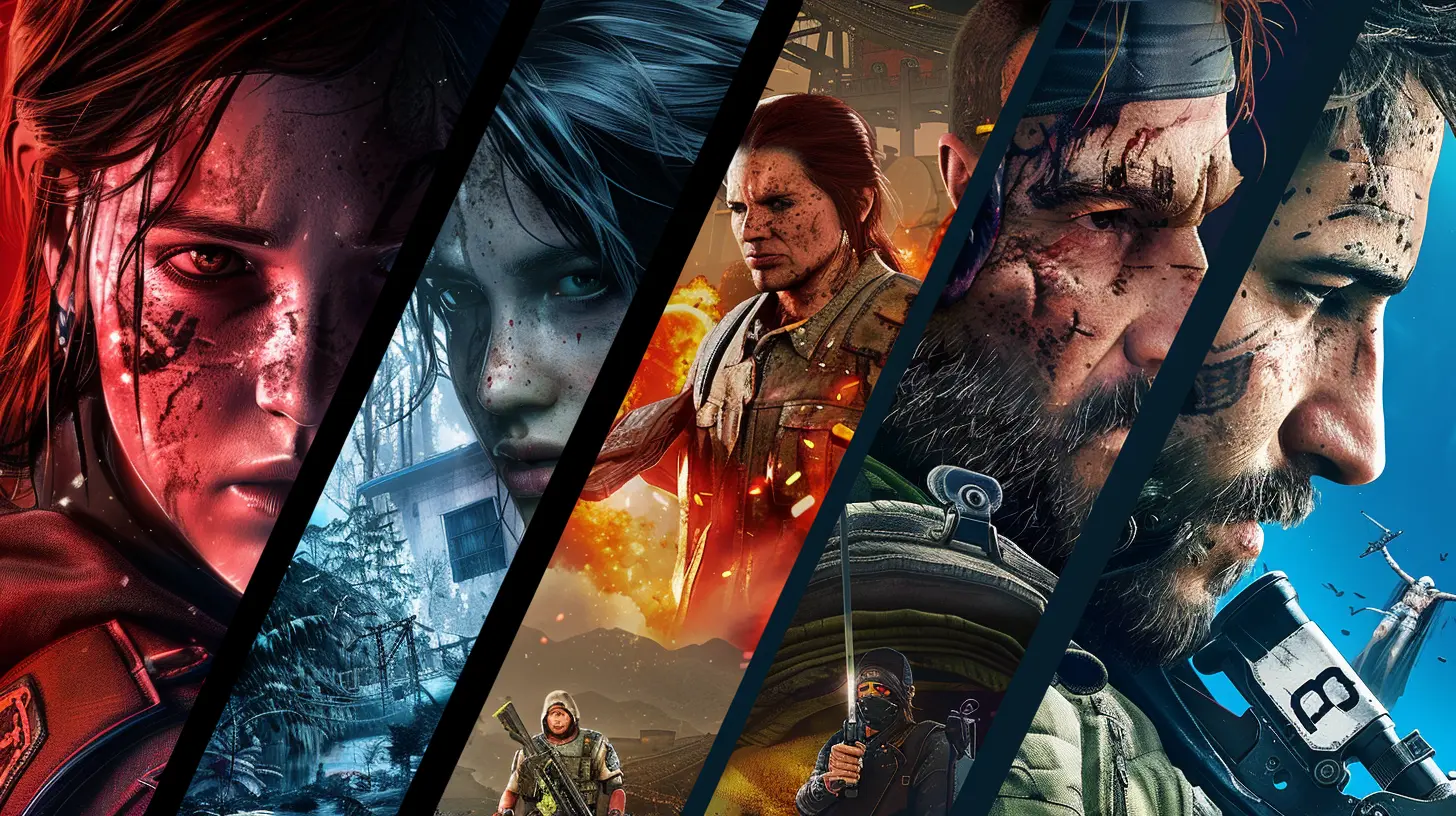
The Rise of the Mega-Franchises
Fast forward to the late 2000s and early 2010s. Call of Duty was printing money like it was a side hustle. Assassin’s Creed was scaling more buildings than your local Spider-Man fan club. AAA gaming officially went mainstream. Budgets skyrocketed. Studios ballooned. Marketing campaigns came with trailers that looked like Oscar-winning films.The upside? Games started feeling bigger, better, more immersive.
The downside? Originality started packing its bags and heading elsewhere — usually to indie game studios.
Game publishers began chasing trends like a caffeinated cat chasing a laser pointer. Zombies are hot? Let’s add them! Battle royale blowing up? Patch it in! Multiplayer live services? Oh baby, here comes the monetization!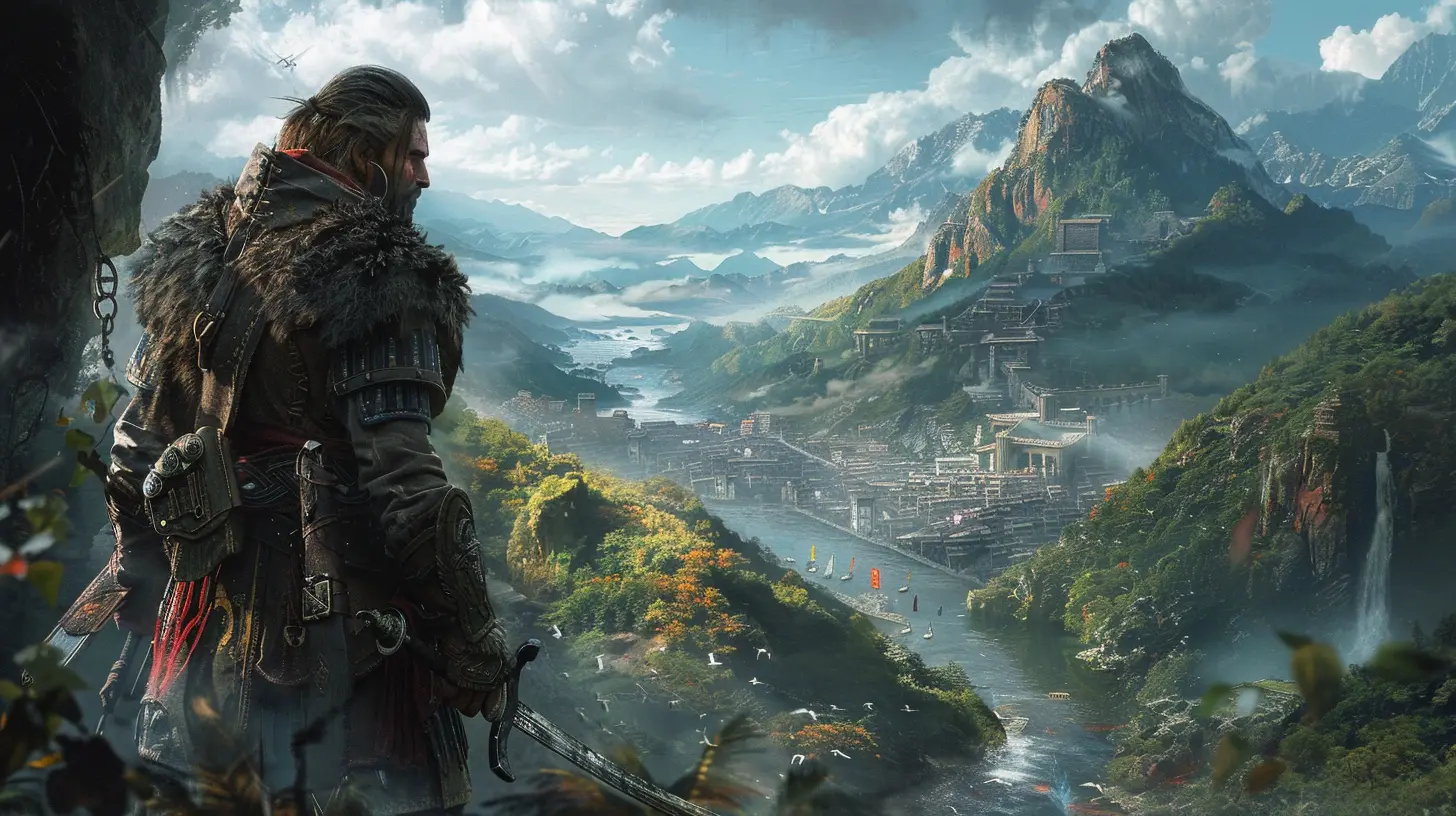
Budgets That Could Fund Small Countries
Modern AAA games come with budget figures that’ll make your bank account cry. For example, Grand Theft Auto V reportedly cost about $265 million. That’s more than some Marvel movies!And sure, the game was incredible — it smashed records and continues to make bank through GTA Online. But here’s the thing: the higher the budget, the higher the pressure to sell millions of copies. This often leads to safer gameplay decisions, fewer risks, and a whole lot more pre-order bonuses.
Because let’s be real — nothing says “immersive fantasy world” like 6 different versions of a game and a season pass longer than your to-do list.
Microtransactions and Loot Boxes: The Plot Twist We Didn’t Ask For
Remember when you unlocked cool weapons and outfits by playing the game?Pepperidge Farm remembers.
The modern AAA era brought with it the financial Frankenstein known as microtransactions. Skins, XP boosts, pay-to-win mechanics, and the dreaded loot box — that mysterious digital slot machine of disappointment.
Gaming companies will tell you it’s for "player choice."
Gamers hear: “You want to look cool? That'll be $19.99, please.”
Sure, not all AAA games are guilty, but enough are that it's become a meme. And this shift changed the dynamic. Games aren’t just products anymore; they’re platforms — monetized until the servers shut down or your wallet taps out.
The RPG-ification of Everything
Another side effect of AAA evolution? Every game wants to be an RPG now. Want to play a sports game? Better grind for XP. War simulator? Here’s a skill tree. Survival horror? Here's crafting, side quests, and moral choices.Don’t get me wrong — customization is fun, and depth is great. But not every game needs to be a 100-hour epic with a map cluttered with icons and side quests that scream “fetch me 10 apples because I’m too lazy to grocery shop.”
Sometimes, I just want to shoot stuff, not contemplate existential dialogue trees.
Graphics: When Pretty Faces Hide Empty Souls
Let’s talk shiny stuff. AAA games today are gorgeous. Facial animations that read your soul. Environments so real you swear you’ve vacationed there. Raindrops that glisten better than your ex’s Instagram filters.But here's the rub — some games focus so much on visual fidelity that they forget one vital thing: gameplay.
You ever play a game that looks amazing but feels like you’re walking through digital molasses? Yeah, we’ve all been there. It’s like ordering a $50 gourmet burger and realizing it tastes like sadness and soggy lettuce.
Spectacle without substance is like a blockbuster with no plot — cough some Transformers sequels cough.
Crunch Culture: The Dark Underbelly
Behind the glitz, glamour, and Game Awards is a harsh reality — crunch culture.AAA game development often involves developers working insane hours to meet deadlines. Missed birthdays, canceled plans, burnout, and mental health struggles are all too common.
As gamers, we want great games, but not at the cost of someone's well-being. So the next time that delay announcement drops, remember: a delayed game is eventually good; a rushed game is bad forever (unless they patch it 38 times).
Indie Games to the Rescue?
While AAA games were busy monetizing the color of your boots, indie developers quietly started stealing our hearts. Games like Hades, Hollow Knight, and Stardew Valley reminded us that passion projects with smaller budgets can still punch way above their weight.In fact, many gamers today oscillate between AAA and indie titles — getting their visual fix from the big boys and soul-healing gaming moments from the little guys. Balance, baby.
What Does It All Mean for Us?
Now that AAA gaming has evolved into a multi-billion dollar juggernaut, where does that leave the humble gamer?Well, it means:
- We get stunning, massive games that push the hardware (and our patience with 90GB updates).
- We’re more likely to deal with microtransactions and “live service” fatigue.
- We have more choices than ever — from cinematic single-player stories to chaotic online sandbox experiences.
- We’re also expected to pay more — not just in money, but in time and emotional investment.
The good news? Gamers are smarter, louder, and more organized than ever before. Studios that mess up (looking at you, cyberpunk-themed disappointments) get called out faster than you can say “refund.”
The Future of AAA Games: Hope, Hype, or Holograms?
So where’s this whole thing headed?Will we get subscription-only AAA titles? Will AI generate our open-world quests procedurally? Will virtual reality finally catch on and drag us into the Matrix?
One thing’s for sure: AAA gaming isn’t going away. It’ll keep evolving — hopefully in a direction that respects players, supports developers, and delivers unforgettable experiences.
In the meantime, keep your expectations grounded, your save files backed up, and your gamer rage in check (mostly). Whether you’re exploring ancient ruins or future cities, just remember: games are meant to be fun. And if one AAA title doesn’t do it for you, there’s thousands of others waiting to steal your time and destroy your sleep schedule.
Wrap-Up: A Triple-A Reality Check
The evolution of AAA games is like a rollercoaster — thrilling, expensive, and occasionally nauseating. We've gone from button-mashing platformers to cinematic sagas that feel like you’re playing a $200 million movie. Along the way, we've gained incredible tech, brilliant storytelling, and some... let’s say “creative” monetization strategies.But ultimately, what it means for gamers is this: we’ve gotta keep our eyes open, our standards high, and our voices loud. AAA gaming may be big business, but it’s still nothing without the gamers who buy, play, and meme it to death.
Now go grab your controller. The next evolution's just a loading screen away.
all images in this post were generated using AI tools
Category:
Aaa GamesAuthor:

Avril McDowney
Discussion
rate this article
2 comments
Wolf Huffman
It's fascinating to see how AAA games have transformed over the years. With advancements in technology and storytelling, gamers now experience richer worlds and deeper narratives. However, the focus on budgets and profits can overshadow creativity. It's a balancing act that will shape the future of gaming.
June 9, 2026 at 5:05 PM
Avril McDowney
I completely agree. While technology enhances the experience, it's essential that creativity remains at the forefront. Finding that balance is crucial for the future of gaming.
Ellie Mathews
The evolution of AAA games shows both innovation and risk. As technology advances, gamers should expect richer experiences, but also the challenges of high expectations.
May 10, 2026 at 5:08 PM
Avril McDowney
You're right. With each advancement, developers push boundaries, but that also raises the stakes. Gamers will have to navigate both the excitement and the pressure that comes with it.