The Cultural Impact of Classic Games
27 May 2026
Let’s take a trip down memory lane for a moment. Remember the first time you picked up a controller and played Super Mario Bros. or spent hours strategizing in Tetris? Those moments weren’t just a fun pastime. They were cultural milestones that shaped generations. Believe it or not, classic games like these have done more than just entertain us — they’ve influenced art, connected people across the globe, and even transformed the way we think.
In this article, we’ll look at the real impact these legendary games have had over the years. So kick back, grab your favorite old-school snack (Fruit Roll-Ups, anyone?), and let’s dive into the pixelated past that helped create the gaming culture we know today.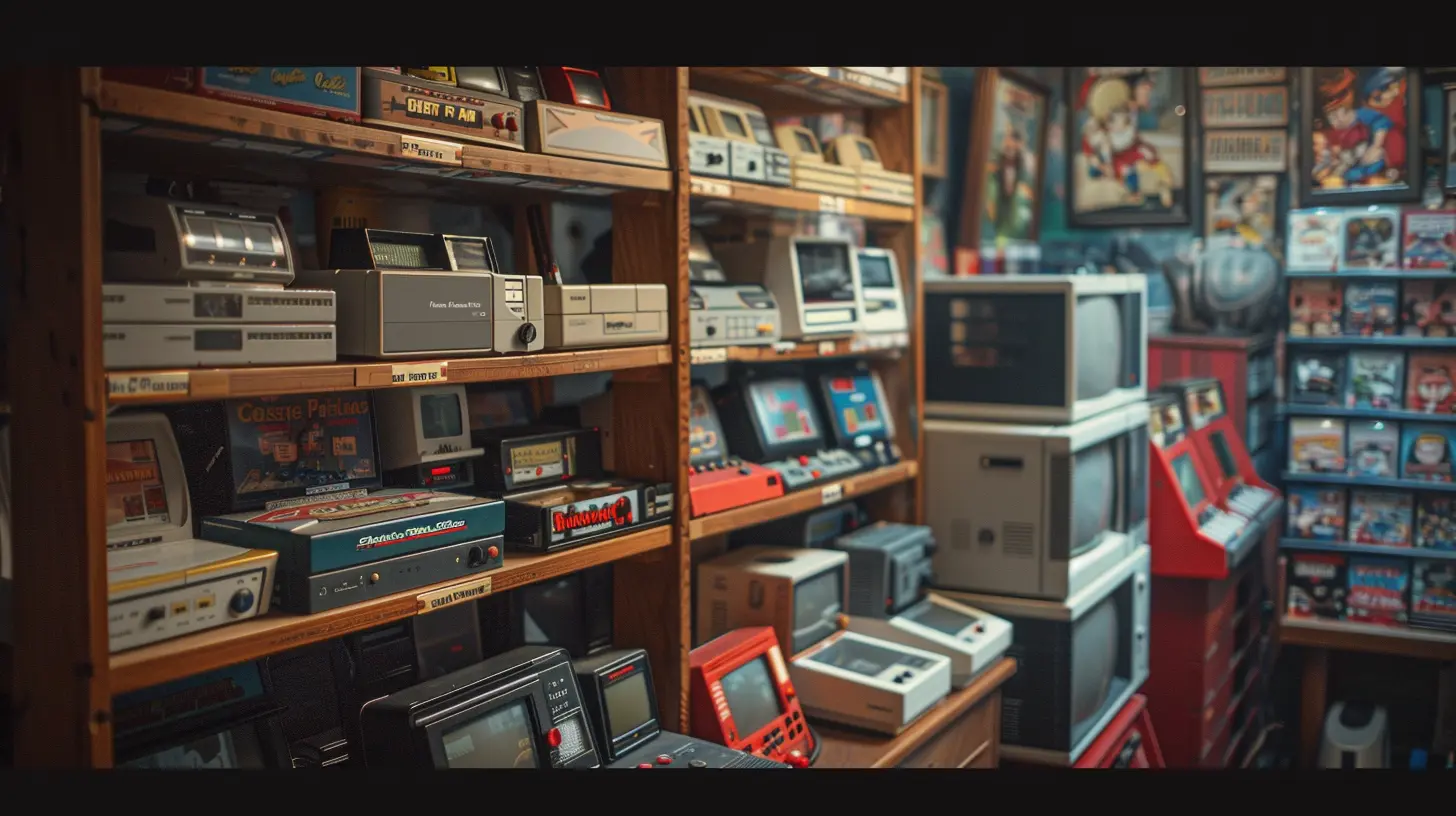
What Makes a Game "Classic"?
Before we go further, let’s nail down what we mean by “classic games.” We’re talking about video games that stood the test of time — the ones released in the '70s, '80s, and '90s (and maybe early 2000s, depending on your age). These are the games that weren’t just popular — they were groundbreaking.We're talking Pac-Man, The Legend of Zelda, Doom, Final Fantasy, Sonic the Hedgehog, and of course, Super Mario Bros. These titles didn’t just entertain; they left a legacy, influencing future game design, pop culture, and the way we communicate.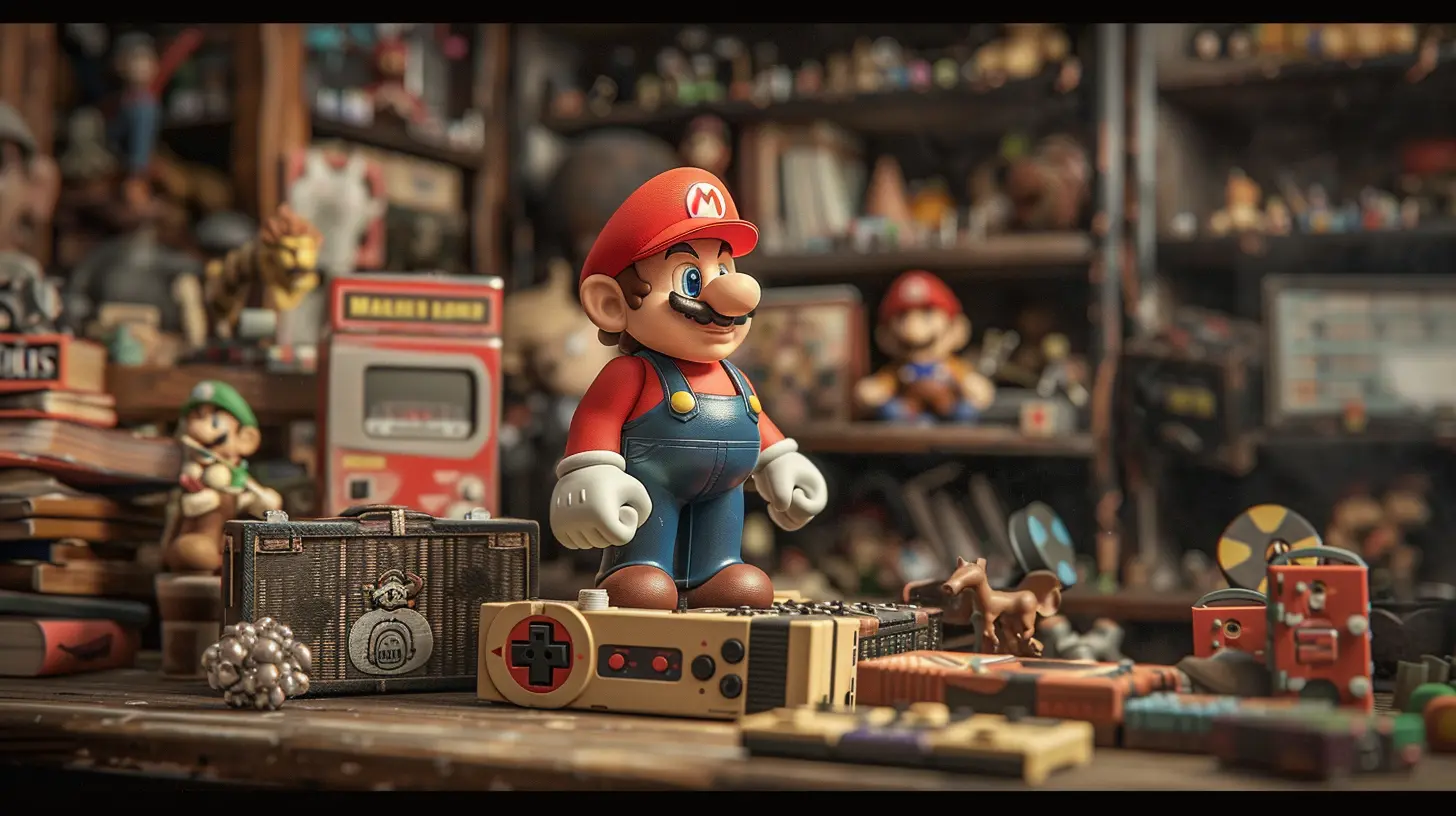
The Birth of a Global Subculture
Gaming Wasn’t Always Cool
Back in the day, being a gamer wasn’t exactly a badge of honor. In fact, early gamers were often seen as nerdy outsiders. Then, something weird and wonderful happened — those same games people once mocked started shaping trends. Suddenly, wearing a Zelda shirt became cool. Arcades became social hubs. And weekend gaming marathons were the norm in many households.Thanks to classic games, the word “gamer” became an identity — one that millions of people wear proudly today. And let’s not forget how these games laid the groundwork for massive online communities and fandoms.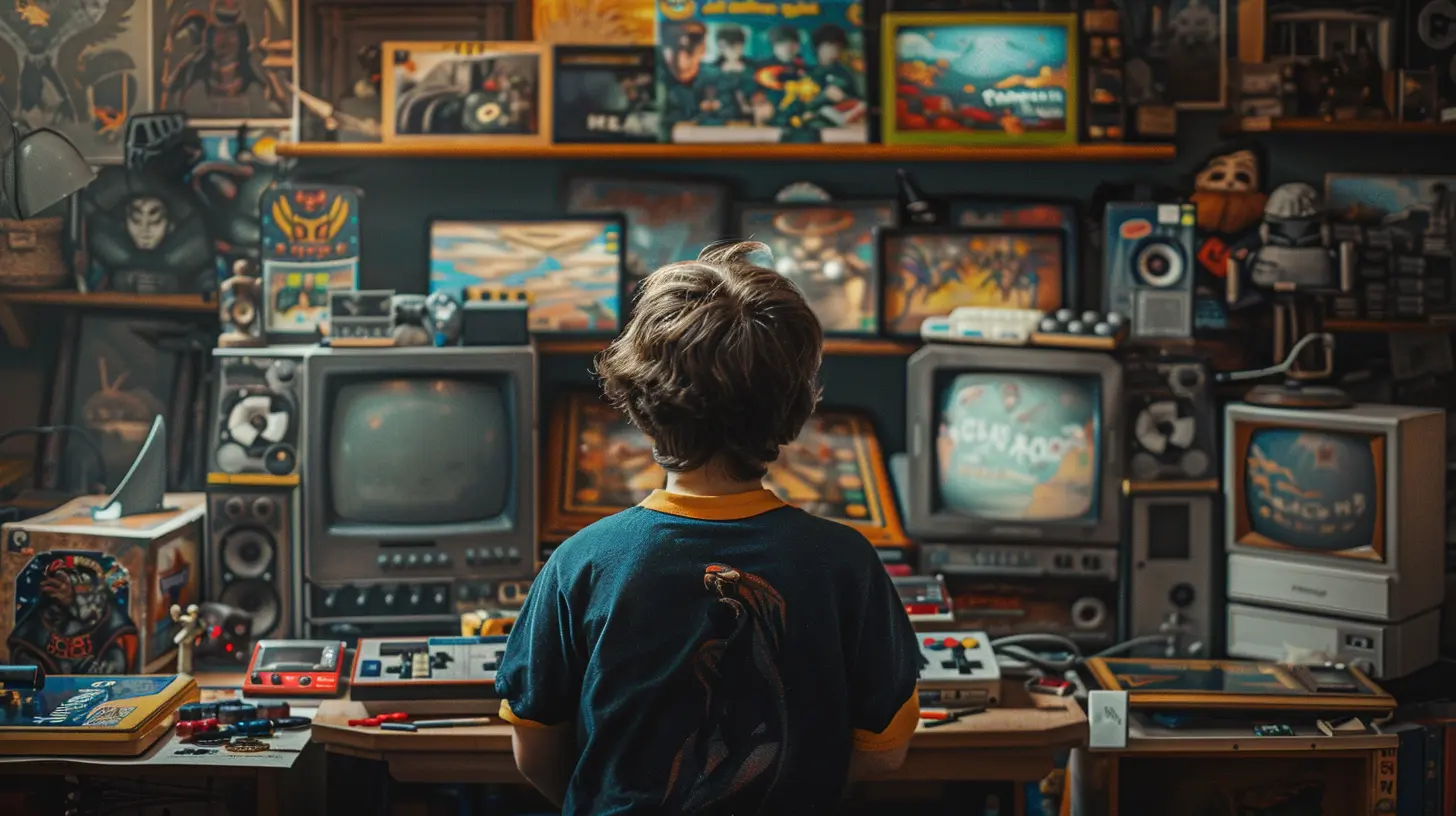
Classic Games As Cultural Icons
Characters That Transcend Generations
Try naming a character more globally recognized than Mario. We’ll wait.Mario, Sonic, Link — these characters are more than just pixels and polygons. They’re cultural icons. They’ve appeared in movies, TV shows, comic books, and even theme parks. And it’s not just nostalgia talking — these characters have become part of the cultural fabric around the world.
They’ve influenced how we tell stories, how we design characters, and how we market products. Some kids even know Mario before they know Disney characters. Yep, that’s how deep this impact goes!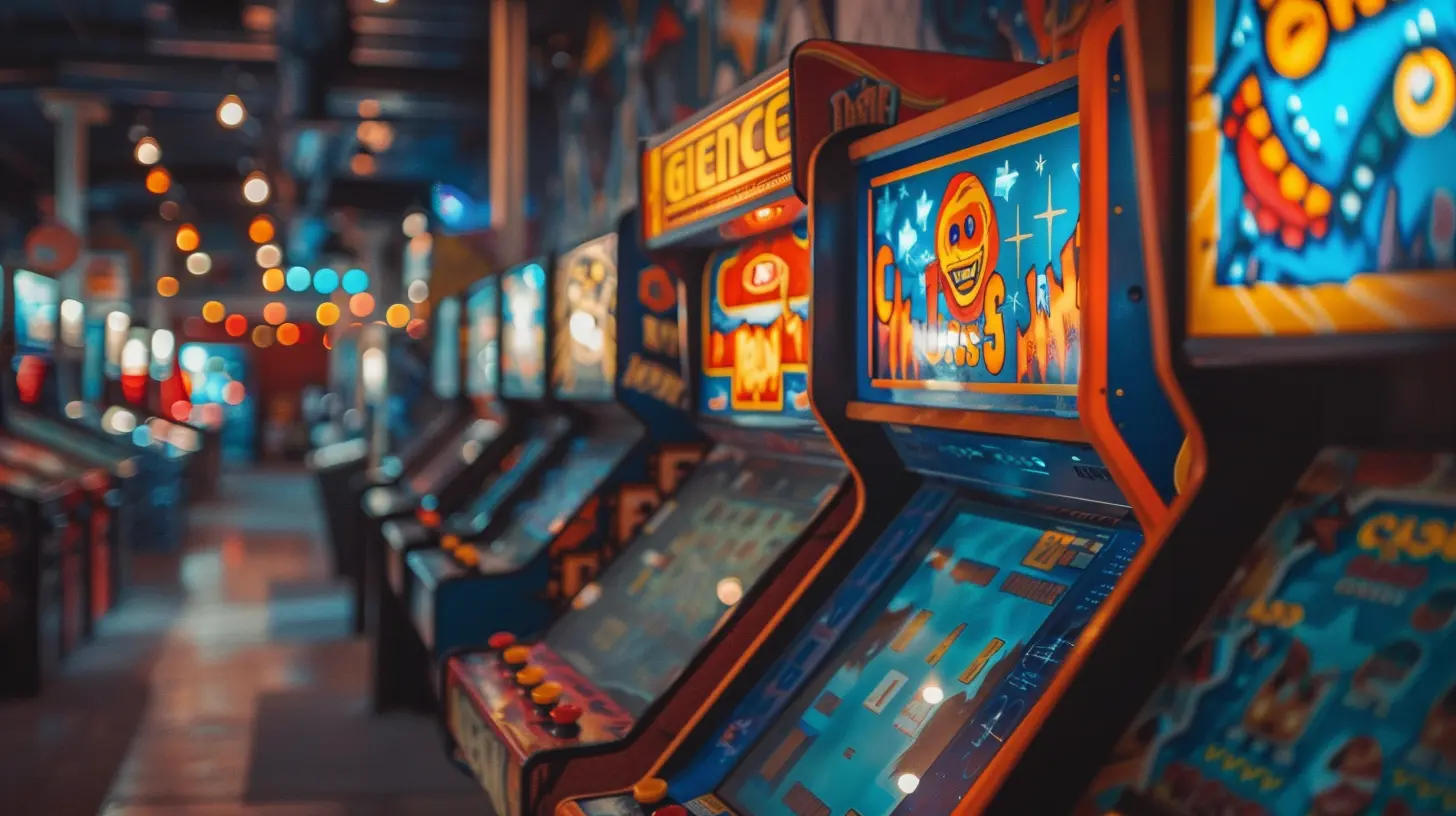
Influencing Other Forms of Art
The Ripple Effect Across Media
It’s not just about the games themselves. Classic video games have inspired musicians, filmmakers, photographers, and visual artists. Whether it’s a synth-heavy track that sounds straight out of an 8-bit game or a film that mimics the storytelling style of Final Fantasy, the influence is undeniable.Look at movies like Wreck-It Ralph and Ready Player One. These films are love letters to classic gaming, filled with Easter eggs that make us smile and say, “Hey, I remember that!”
Even modern TV shows like Stranger Things drip with gaming references — showing just how deep-rooted these games are in our cultural psyche.
Shaping Language and Communication
From "Noob" to "GG" — How Gaming Changed How We Talk
Let’s be real for a sec. A lot of the slang we use today came straight from the gaming world. Ever said “level up” when talking about your career? Or called someone a “noob” when they were clueless? Yeah, thank classic games for that.Gaming lingo has not only become mainstream, but it’s also helped create a new way to connect with others. Whether you're texting “GG” after a big win or shouting “It’s a trap!” à la Star Wars meets Zelda, you’re participating in a global language — one built by gamers for gamers.
Education and Critical Thinking
Games That Taught Us More Than We Realized
You might’ve played Tetris just to kill time, but guess what? You were training your brain. Studies have shown that classic games help improve hand-eye coordination, problem-solving skills, and strategic thinking. And let’s not even get into how Oregon Trail tricked us into learning about American history.Even today, educators are revisiting these games to explore how they can be used in teaching logic, storytelling, and design. It’s wild to think that something as simple as a side-scroller could turn out to be such a powerful learning tool.
Nostalgia: A Powerful Emotional Bond
Why We Keep Coming Back
There’s something timeless about classic games. They remind us of simpler times — when we sat cross-legged in front of a glowing screen with a controller in hand and no worries in the world. That nostalgia is powerful.That’s why we see reboots, remasters, and retro consoles popping up everywhere. From the NES Classic to the Final Fantasy VII remake, we’re constantly revisiting these games because they made such a lasting emotional impact.
More than just games, they’re comfort food for the soul.
Fostering Social Connection
From Local Co-op to Global Multiplayer
Remember crowding around a tiny CRT TV with your buddies, playing GoldenEye 007 or Street Fighter II? Those shared experiences were the beginning of what would become a massive social movement.Classic multiplayer games — whether co-op or competitive — taught us how to communicate, collaborate, and sometimes, how to be a gracious loser. Oof.
These early interactions laid the foundation for today’s online gaming communities, where millions of people connect across continents through a shared love of play.
Inspiring Future Game Development
Standing on the Shoulders of Giants
Ask any modern game developer what inspired them, and chances are you’ll hear names like Miyamoto, Kojima, or Carmack. Classic games didn’t just entertain — they broke the mold, pushed boundaries, and showed what games could be.They paved the way for innovations in storytelling, graphics, and interactivity. Today’s AAA games owe a massive debt to those early experiments. Without the pixelated charm of Metroid or the eerie corridors of Doom, today’s gaming landscape would look very different — and a lot less awesome.
Representation and Culture
Reflecting Diversity (Even When It Wasn’t Obvious)
Okay, let’s be honest: early games weren’t always great at representing diversity. But they did lay the groundwork.Games like Street Fighter II brought characters from around the world to our screens, giving players a small, pixelated taste of different cultures. And as the industry grew, so did the desire for more inclusive stories and heroes.
Classic games opened the door — now it’s up to future games to walk through it.
Classic Games In Modern Pop Culture
The Everlasting Influence
Look around. From fashion to film, classic games are everywhere. Retro-style pixel art has made a comeback in indie games and art galleries. Soundtracks inspired by 8-bit and 16-bit music are sampled by top-tier musicians.Even in sports, you’ll see touchdown celebrations mimicking moves from Street Fighter — because yes, Ryu’s Hadouken is that iconic.
These games influence not just how we play… but how we live.
Conclusion: More Than Just Games
Classic games are like the foundation of a house — invisible to some, but supporting everything we see and interact with today. They weren't just a fad or a childhood phase. They were the birth of a cultural phenomenon that continues to evolve.They made us laugh, cry, connect, and even think differently. They’ve shaped not just the gaming industry but the very way people interact with technology, art, and each other.
So the next time someone tells you that video games are “just games,” you can smile and say, “They’re way more than that.
all images in this post were generated using AI tools
Category:
Classic GamesAuthor:

Avril McDowney
Discussion
rate this article
1 comments
Bria Mahoney
Classic games do more than entertain; they shape our collective memory and values. They reflect the time they were created, offering insights into societal shifts and the evolution of technology, reminding us how play influences culture and identity across generations.
June 4, 2026 at 4:56 PM