The Art of Pacing in Game Progression
23 May 2026
Have you ever played a game that felt like a never-ending grind or one that rushed you through the story like an action movie on fast-forward? That’s the result of poor pacing. On the flip side, the best games you’ve played probably had a certain rhythm to them—moments of tense action balanced with quiet reflection, combat sequences followed by exploratory bits. That rhythm? That’s pacing.
Pacing in game progression is an art form—one that's often overlooked, yet absolutely crucial. Whether you're a game developer, a narrative designer, or simply a gamer trying to understand why some games "click" while others flop, getting a handle on pacing can change the way you see games forever.
Let’s break it down and talk about how game pacing works, why it matters, and how developers can keep players hooked from the tutorial to the final boss.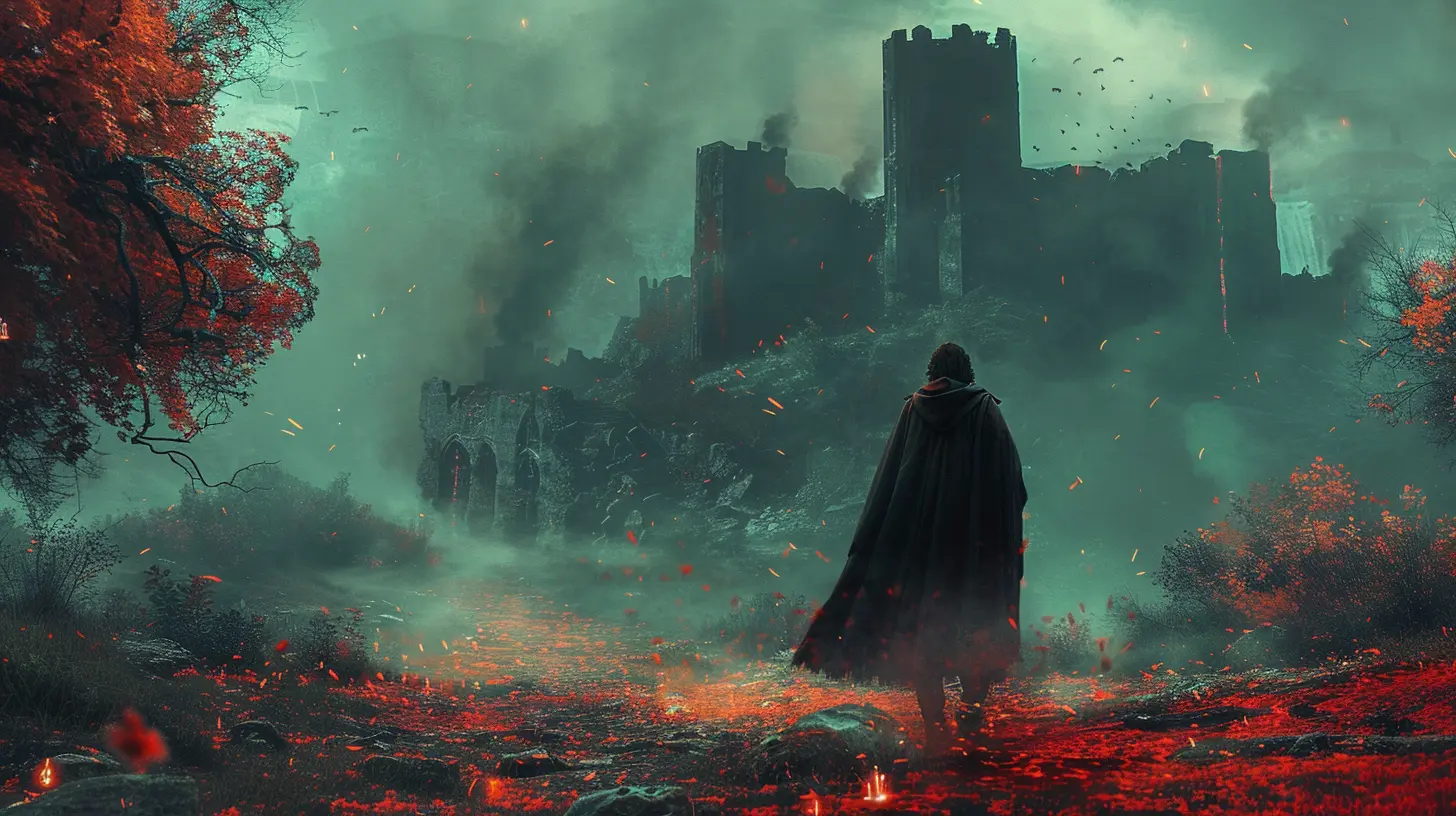
What is Game Pacing, Anyway?
Pacing is basically how a game manages the flow of gameplay, story, and challenges over time. Imagine a rollercoaster. It has ups, downs, loops, and stretches where you catch your breath before the next big drop. Good game pacing works the same way—it creates an emotional journey for the player.In simpler terms, it's how fast or slow the game moves through its content. It affects when players encounter action, explore, solve puzzles, level up, or hit the next major plot point.
Types of Game Pacing
There are usually two kinds of pacing in games:- Macro Pacing: This is the big picture—the structure of the entire game. Think of how the story arc builds from the intro to the climax, or how the difficulty ramps up over levels.
- Micro Pacing: This is moment-to-moment gameplay. How long do you spend in a boss fight? How is combat split up with exploration or cutscenes?
Both types need to work together. If large portions of the game drag or feel too rushed—well, that’s when players start dropping off.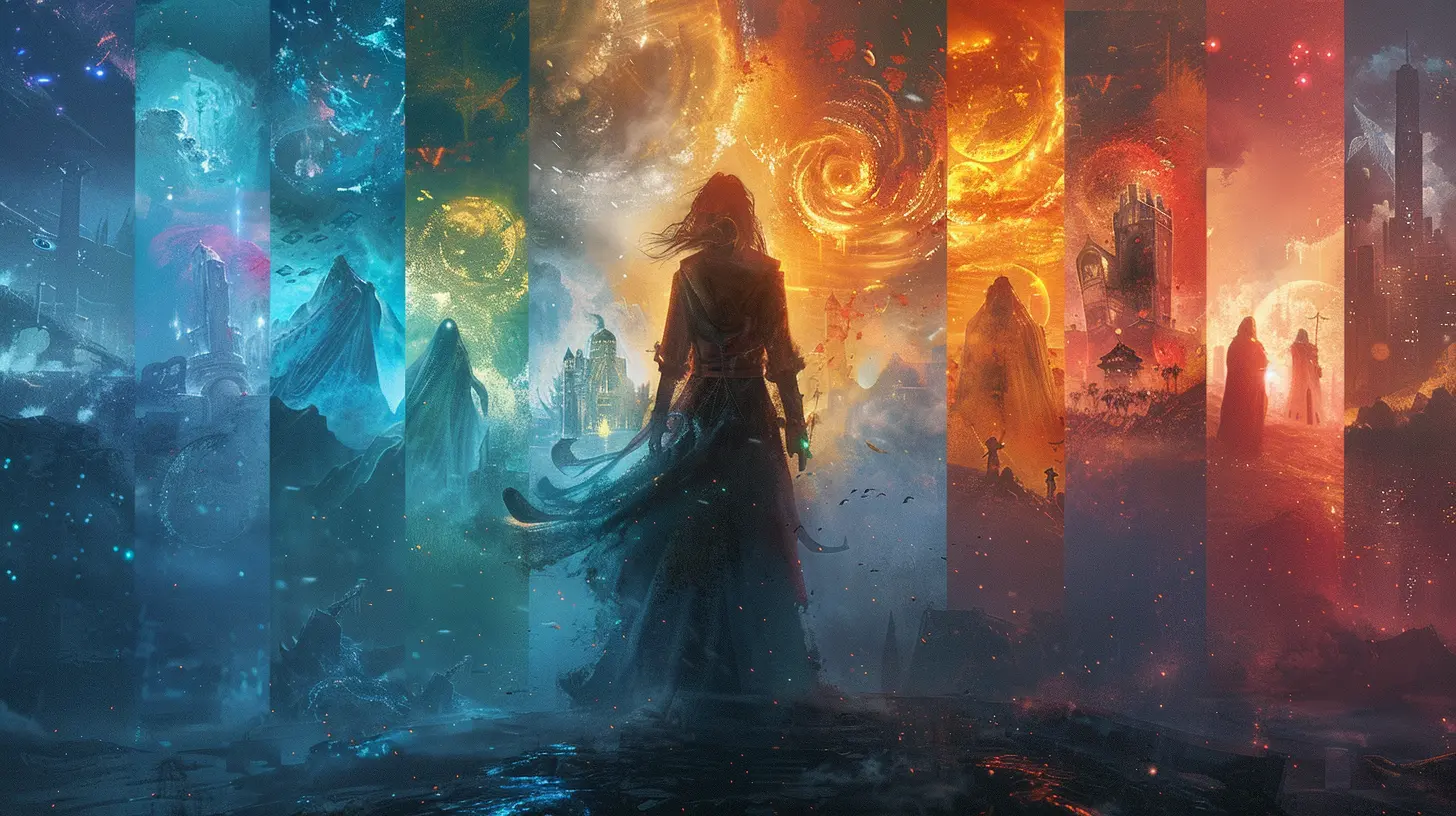
Why Does Pacing Matter So Much?
Let me ask you something: have you ever gotten bored or overwhelmed in the middle of a game?Exactly.
Poor pacing can cause player fatigue, frustration, or even cause them to abandon the game entirely. In contrast, strong pacing keeps things fresh, provides a sense of achievement, and keeps players in that addictive "just one more level" loop.
Here’s why pacing is a big deal:
- Player Engagement: Good pacing keeps the player emotionally and mentally invested.
- Narrative Impact: A well-paced story hits harder. Emotional highs and lows are better when timed just right.
- Gameplay Variety: Switching up the rhythm of a game prevents it from feeling repetitive.
- Retention: A game with good pacing is simply more fun—and fun keeps players around.
Elements That Affect Game Pacing
Now that we know why it matters, let’s look at what actually influences pacing in a game.1. Level Design
Think of level design as the skeleton of your game. A level that’s too long can drag, while one that’s too short might feel unsatisfying. Clever level design strategically places challenges, enemies, and secrets to guide players and control momentum.Games like The Legend of Zelda series do this brilliantly. You get a mix of exploration, combat, and puzzle-solving paced in a way that gently nudges you forward without overwhelming you.
2. Storytelling & Dialogue
Ever played a game that dumps exposition on you like a textbook? Yeah, no thanks.Story elements need to be paced correctly—especially if the game is narrative-heavy. Developers must know when to reveal backstory, when to throw in a plot twist, and when to let the player breathe with some gameplay.
Games like Red Dead Redemption 2 and The Last of Us are masters of this balance.
3. Combat & Encounters
Too much combat too close together can wear players out. Too little? It gets boring.Enemy encounters, boss fights, and action sequences need to be carefully spaced out. And not just in terms of time—difficulty progression plays a key role too. A sudden spike in difficulty can wreck pacing unless there’s a reason for it (like a mid-game twist or a major boss battle).
4. Game Mechanics and Progression
Unlocking new abilities or gear should feel rewarding. The pacing of these upgrades ties directly into player motivation. If you get too many tools at once, you feel overwhelmed. If you get them too slowly, it’s just not exciting.Look at Metroidvania games like Hollow Knight—you get new abilities just as you feel you've mastered the last one. That's great pacing.
5. Player Freedom
Open-world games like Skyrim or Breath of the Wild give players a lot of freedom. But too much freedom without direction can actually hurt pacing. Smart developers guide players subtly—often using environmental cues or mission design—to keep the flow moving.
Balancing Fast and Slow Moments
Here’s the trick: pacing isn’t just about speeding the game up. It's just as important to slow it down at the right times.When to Speed Things Up
- Big action sequences- Boss fights
- Turning points in the story
- Timed missions
These are your "highs." They create adrenaline, excitement, and stakes.
When to Slow Things Down
- After an intense battle- Between story arcs
- During exploration
- Puzzle sections or crafting
These are your "lows." They give players a chance to catch their breath—physically and emotionally.
It’s all about contrast. If everything is high-energy, nothing stands out. If everything is slow, players tune out. Like a song, a game needs rhythm.
Common Pacing Issues (And How to Fix Them)
Even great games sometimes stumble in the pacing department. These are some of the biggest culprits—and ways to avoid them.1. The "Mid-Game Slump"
You know this one. The game gets off to a great start, but halfway through it loses steam.Fix: Reinvent the gameplay loop, introduce a new mechanic, or throw a narrative twist right in the middle to jolt the player back into action.
2. Over-Tutorializing
Nobody likes being hand-held for hours.Fix: Spread out tutorials. Teach the player as they go. Let them fail a little—that’s part of the fun.
3. Overstuffed Endgame
Cranking up the challenge is fine, but if the final stretch is a gauntlet of boss fights and grind-fests? It feels like a chore.Fix: End strong, but keep it engaging. Mix in story reveals, cinematic moments, or a few optional side missions to vary the rhythm.
4. Uneven Difficulty Spikes
A sudden leap in difficulty can seriously wreck pacing if players aren’t ready for it.Fix: Gradually scale the challenge. Signpost tough fights in advance so players can mentally prep.
How Top Games Nail Game Pacing
Let’s shine a spotlight on a few games that really get pacing right.1. God of War (2018)
It’s got everything—epic boss fights, quiet moments between Kratos and Atreus, a rich story, and well-placed upgrades. It knows when to push the player and when to let them explore.2. Dark Souls
Yes, it’s brutal. But its pacing is genius. Long stretches of tension are punctuated by moments of intense action or relief when you find a bonfire.3. Celeste
This indie platformer combines tight game design with emotional storytelling. Each chapter has its own pacing that builds on both mechanics and narrative.Player Control and Customization
Here’s a cool thing: some games let players control the pacing.Take The Witcher 3, for example. You can mainline the story or get lost in side quests for hours. You set your own rhythm. That kind of design trusts the player—and it works wonders for engagement.
Other games use difficulty settings or modular mission systems to let players choose how fast or slow they want to play. That freedom can go a long way in improving pacing.
Tips for Developers: Crafting Perfect Pacing
If you're building a game, here are a few quick tips:- Playtest like crazy: Watch where players lose interest or get stuck.
- Use pacing charts: Map out highs and lows across the game.
- Mix it up: Alternate between different types of gameplay.
- Listen to your audience: Feedback can tell you where the pacing breaks down.
- Respect the player’s time: If something feels like filler, it probably is.
Final Thoughts
The art of pacing in game progression isn’t about following one formula. It's about crafting an experience that feels natural, exciting, and emotionally rewarding. Just like a good book or movie, games need to take the player on a journey—with peaks and valleys, tension and release.So whether you're a dev fine-tuning your next masterpiece, or a gamer curious about what makes your favorite titles tick, remember: it's not just about how long the game is—it’s about how it feels.
And when it feels right? That's when a good game becomes unforgettable.
all images in this post were generated using AI tools
Category:
Game ProgressionAuthor:

Avril McDowney
Discussion
rate this article
2 comments
Layla Hamilton
Pacing in games is crucial for keeping players engaged. When done right, it creates a rhythm that enhances the overall experience and story immersion.
July 3, 2026 at 4:02 AM
Vireo Willis
Pacing is crucial in game design. It keeps players engaged and motivated. A well-timed challenge or reward can make all the difference, transforming a good game into a memorable one.
May 23, 2026 at 2:45 AM
Avril McDowney
Absolutely, pacing shapes the player experience. Timing challenges and rewards effectively can elevate a game from enjoyable to unforgettable.