Revisiting the Golden Age of RPGs
29 April 2026
Let’s face it—we all love a good role-playing game (RPG). There’s just something magical about slipping into the boots of a pixelated hero, slinging spells, collecting loot, and saving kingdoms. But if you’ve been around the gaming block long enough, you know there was a special time—a magical era—when RPGs weren’t just good… they were legendary.
Yup, we’re talking about the Golden Age of RPGs.
This wasn’t just a period when games were being made. This was a cultural movement. Worlds were built, stories were told, and players were emotionally invested in ways that modern games often struggle to replicate. So grab a health potion, dust off your old controller (or keyboard), and journey with me as we revisit the golden era that shaped what RPGs are today.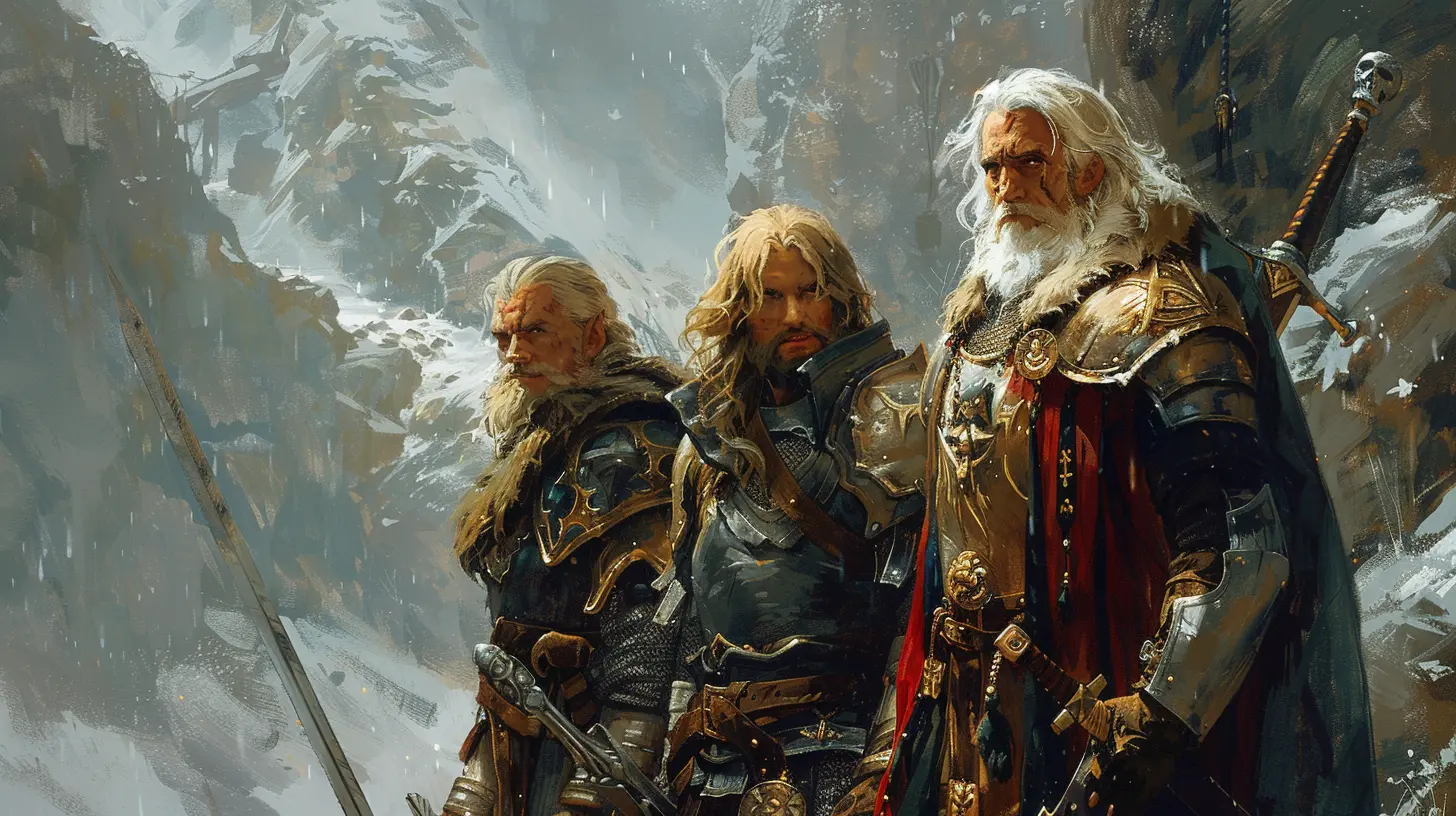
What Was the Golden Age of RPGs?
You might be wondering—what exactly qualifies as the "Golden Age"? Well, the answer isn’t set in stone, but most hardcore fans agree that this golden period spans roughly from the late 1980s through the early 2000s.This was the time when developers weren’t just making games—they were creating art. Games like Chrono Trigger, Final Fantasy VI, Baldur’s Gate, and The Elder Scrolls III: Morrowind didn’t just push boundaries—they redefined them.
Back then, RPGs were all about deep stories, memorable characters, and rich, immersive worlds. You weren’t just controlling a character—you were becoming that character.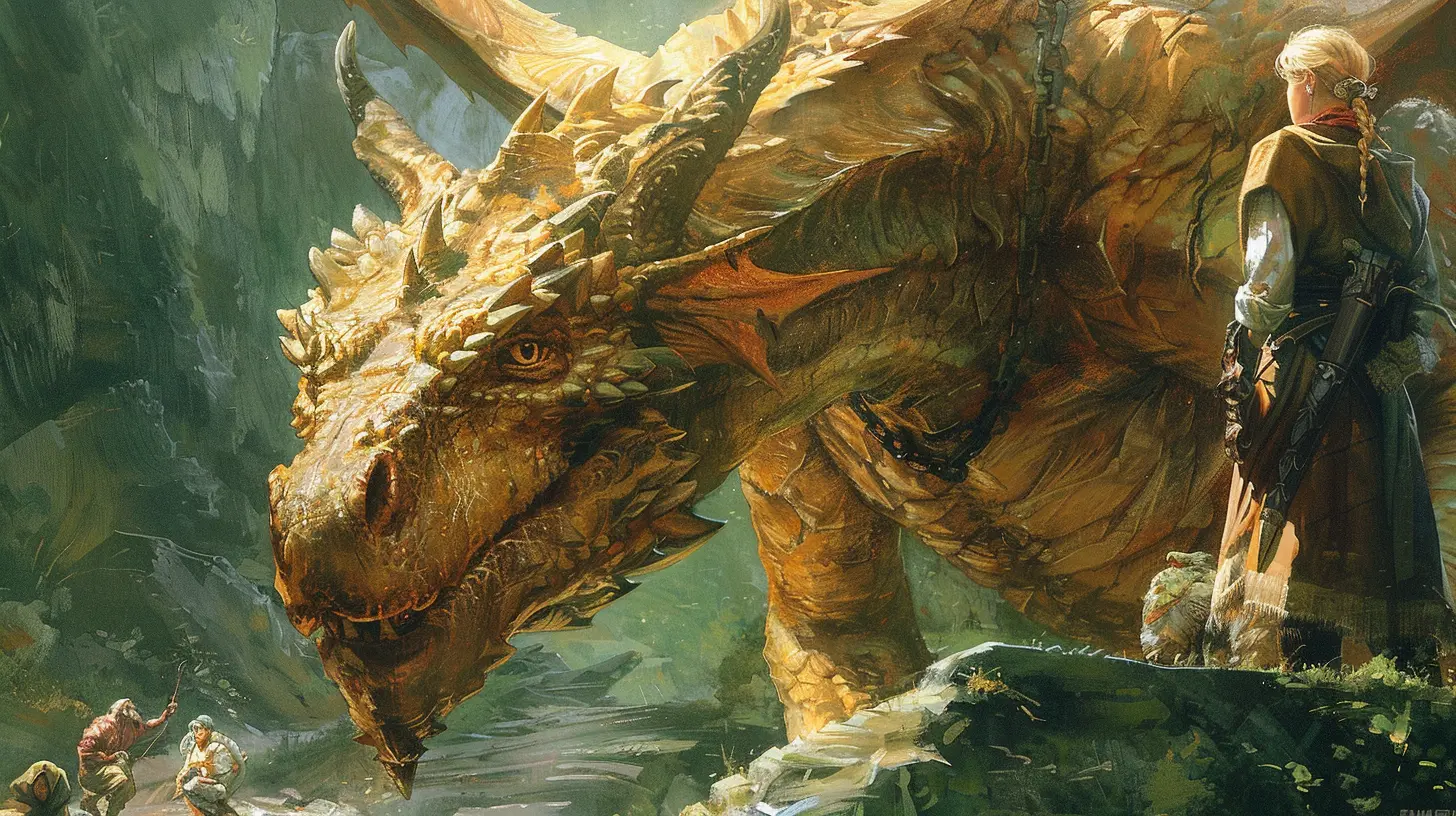
Why Was It So Special?
So what made this era so unique? Let’s break it down.1. Storytelling Took Center Stage
Before side quests were checklist fillers and dialogue trees were shallow, RPGs were weaving rich, emotional tales that stuck with you for years. These stories had depth, heart, and choices that mattered.Take Final Fantasy VII, for example. That game didn’t just tell a story—it ripped your heart out. (You know the scene I’m talking about—I’m still not over Aerith). It made you care about the world and its characters in a way few games do today.
2. Innovation Was the Norm
Today's gaming industry often plays it safe—sequels, reboots, and remakes galore. But during the golden age, developers were experimenting boldly.Every game felt like a fresh take. Planescape: Torment? Mind-bending. EarthBound? So quirky it was genius. Chrono Trigger? Multiple endings, active-time battle systems, and time travel? Unheard of back then.
There was a rawness to it all. Studios were taking risks, and many of those risks paid off big time.
3. Turn-Based Combat Was King
Ah, the joys of turn-based combat! There’s something so satisfying about strategically planning each move like a game of chess, especially when your survival depended on it. It wasn’t about button mashing—it was about using your brain.Games like Suikoden II and Breath of Fire III didn’t shy away from slow, tactical gameplay. And guess what? Players loved it.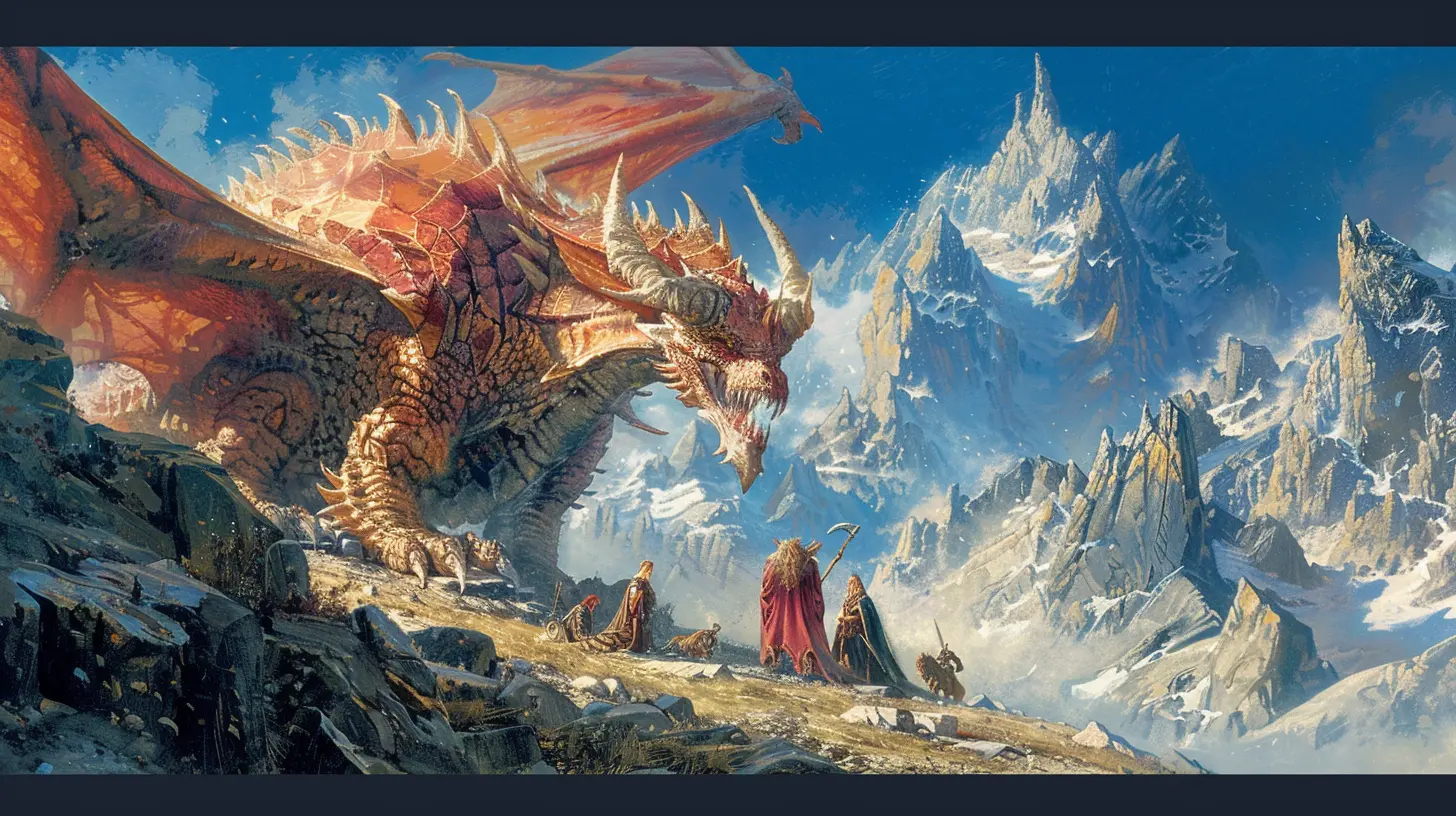
Legendary Titles That Defined the Golden Age
Now it’s time for a little nostalgia trip. Here are some of the crown jewels from this unforgettable era.Final Fantasy VI (1994)
Before Cloud and Sephiroth stole the spotlight, Final Fantasy VI was showcasing ensemble storytelling like never before. With over a dozen playable characters and one of the most unhinged villains in gaming history (Kefka, we’re looking at you), this title was ahead of its time.Chrono Trigger (1995)
Developed by the dramatic dream team of Square and Enix legends, Chrono Trigger did everything right. Time travel that actually made sense, lovable characters, and a brilliant soundtrack—it’s not just one of the best RPGs of its time, but of all time.Baldur’s Gate II (2000)
Western RPGs weren’t slacking either. Baldur’s Gate II gave us freedom, complexity, and depth. Based on Dungeons & Dragons rules, it let us basically live out a tabletop campaign with our buddies—except they were AI and didn’t need snacks.The Elder Scrolls III: Morrowind (2002)
Before Skyrim was even a gleam in Bethesda's eye, Morrowind was breaking the mold. You could go anywhere, do anything, and play however you wanted. The storytelling was sophisticated, and the world felt so strange and alive that it was almost like reading a classic fantasy novel.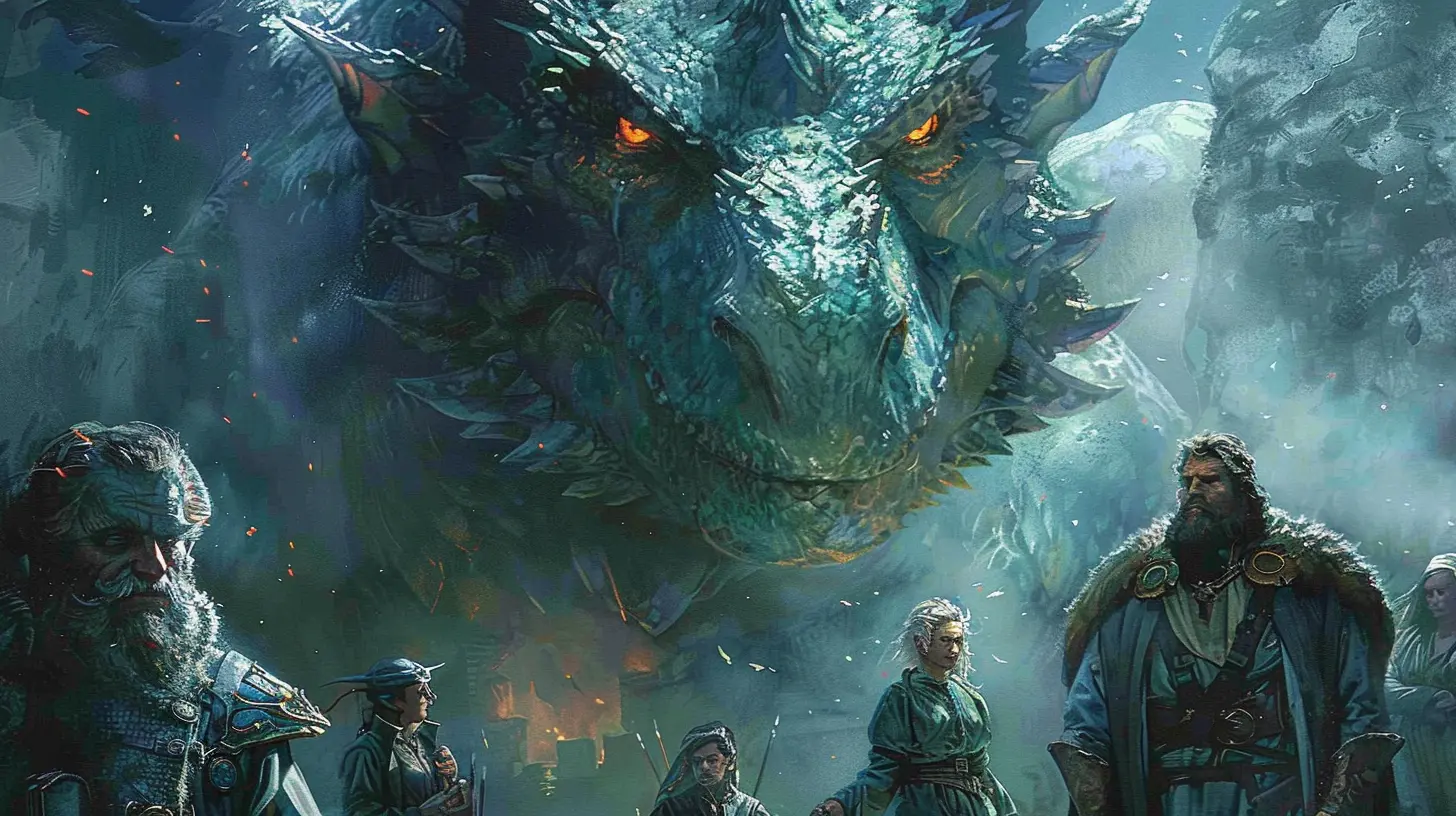
The Community Was Everything
Back then, we didn’t have the fancy forums, YouTube walkthroughs, or in-game guides we do today. Instead, we had strategy guides with coffee stains, online message boards, and schoolyard rumors.Remember when someone told you there was a secret character in FFVII if you beat the Emerald Weapon without materia? Totally false—but we believed. And that belief brought us together.
You weren’t just playing games—you were a part of something bigger. A community. A fellowship of the cartridge.
Comparing Then to Now: Has Anything Changed?
Let’s not kid ourselves—the RPG genre is still alive and kicking. In fact, we're seeing a sort of RPG renaissance, with games like Divinity: Original Sin II, Persona 5, and Witcher 3 raising the bar.So is it better now? Or was it better then?
Then: Magic in Limitations
Old-school RPGs had limitations—hardware, graphics, memory. But that forced creativity. Developers had to focus on gameplay and storytelling, not just flashy visuals. That’s why those 16-bit sprites have more personality than some modern motion-captured protagonists.Now: Immersion Overload
These days, RPGs offer massive open-worlds, high-fidelity graphics, and a lot more content. But sometimes, in that vastness, the heart—the soul—gets a little lost. You end up with 100+ hour campaigns that can’t hold your attention for more than a weekend.Still, there’s hope. Modern devs are starting to look back. They’re drawing inspiration from the past to shape the future.
Why the Golden Age Still Matters Today
Here’s the thing—those old games aren’t just relics. They're still relevant. They remind us that good storytelling, meaningful choices, and memorable characters will never go out of style.They laid the foundation for the RPGs we enjoy today. Without Chrono Trigger, we might not have Undertale. Without Baldur’s Gate, maybe Dragon Age wouldn’t exist.
Even better, many of these classics are getting remastered or are available on modern platforms. That means new generations of gamers can experience the magic we grew up with.
Bringing Back the Magic
So, how do we recapture that golden feeling?1. Play the Classics
Honestly, fire up an emulator or pick up a legit copy of your favorite classic. Play it. Immerse yourself. Don’t play it for the graphics—play it for the soul.2. Dig Into Indie RPGs
Indie developers are the torchbearers of the golden age. Games like Chained Echoes, CrossCode, and Undertale pay homage to the classics while injecting fresh ideas.3. Support Passion Projects
Back Kickstarter projects that echo the old-school vibe. Many ex-developers from the golden age are out there creating magic again—they just need our support to do it.Final Thoughts: The Golden Age Is a State of Mind
Revisiting the golden age of RPGs isn’t just about nostalgia. It’s a celebration of what made games magical in the first place. It’s about remembering that storytelling, emotion, and heart matter far more than ray tracing and particle effects.The golden age lives on—not just in the past, but in every game that dares to care deeply, think boldly, and put the player’s imagination at the center of the experience.
So whether you're replaying Final Fantasy VI for the 30th time or diving into a brand-new indie RPG, remember—you’re not just playing a game.
You’re living an adventure.
all images in this post were generated using AI tools
Category:
Classic GamesAuthor:

Avril McDowney
Discussion
rate this article
2 comments
Hazel Harmon
I love the idea of revisiting the Golden Age of RPGs. Those games were more than just quests; they shaped storytelling in gaming. What unique elements do you think still inspire modern RPGs today?
May 11, 2026 at 4:08 AM
Avril McDowney
I'm glad you appreciate it! The rich character development and immersive world-building from that era still influence modern RPGs. Players are drawn to complex narratives and meaningful choices, which started back then.
Jacob Cook
This article captures the magic of classic RPGs perfectly. The nostalgia for deep storytelling, character development, and immersive worlds really hits home. It reminds me why these games have such a lasting impact on players. Great read!
May 10, 2026 at 2:59 AM
Avril McDowney
I'm glad you enjoyed it! Classic RPGs truly have a unique charm that stays with us. Thanks for reading!