How Multiplayer Games Handle Player Progression
23 April 2026
Multiplayer games have come a long way from the simple days of LAN parties and split screens. These days, whether you're grinding through ranked matches in your favorite shooter or building your dream deck in a card battler, player progression is at the heart of your experience. But how do multiplayer games actually handle this progression in a way that keeps millions of players engaged, challenged, and coming back for more?
In this article, we’re going to dive deep into the mechanics behind multiplayer progression systems, chat about what makes them tick, and peel back the layers of XP bars, unlockable gear, skill trees, and prestige ranks. Let’s break it all down together.
What Is Player Progression, Anyway?
Before we drill into the design side of things, let's get our definitions straight.Player progression refers to the way a game measures and rewards your ongoing involvement. It’s how you level up, unlock new weapons or characters, earn titles or achievements, and sometimes even climb the competitive ladder.
And in multiplayer games? Progression isn't just about the numbers — it's about keeping you engaged without tipping the balance and making the game unfair. Tricky? You bet. Let’s see how developers manage it.

Why Progression Matters in Multiplayer Games
Here’s the deal — progression is addictive. And we mean that in the best way.As humans, we love to feel achievement. Whether it’s getting a shiny new skin, unlocking a powerful ability, or just seeing our level number go up, these little wins keep us hooked. In multiplayer titles, great progression systems add layers of motivation that go beyond just winning or losing.
It’s not just about beating the other team — it’s about beating your old self.
So, game devs put a ton of effort into creating progression systems that feel rewarding, while still being fair to everyone playing.
The Different Types of Progression Systems
Not all progression systems are created equal. Some games go all-in on customization, while others lean on competitive ranking. Here's a breakdown of the most common types you’ll run into:1. Experience and Leveling Systems
The classic system. You play matches, earn XP (experience points), and level up. With each level, you might unlock new content — weapons, perks, cosmetics, sometimes even game modes.Popular examples:
- Call of Duty series
- Apex Legends
- League of Legends (Account leveling)
This type of progression is super common because it’s measurable, predictable, and gives players a constant sense of growth.
2. Skill Trees and Ability Unlocks
This one’s more about customizing your playstyle than grinding XP. Skill trees let you unlock abilities in branches, giving your character or loadout a unique flavor.Where you’ll see it:
- Warframe
- The Division
- Destiny 2
It’s like building your own superhero. Want to go stealth? Cool. Prefer brute force? Go for it. The freedom keeps things fresh — and makes progression feel personal.
3. Loot and Equipment Systems
Who doesn’t love loot, right? Gear-based progression ties your advancement to the items you collect. These can be purely visual (cosmetics), purely functional (better guns or armor), or a mix of both.Games that do this well:
- Fortnite (Battle Pass cosmetic gear)
- PUBG and Warzone (Weapon blueprints)
- Diablo-style games (loot-based RPGs)
Loot systems need a careful balance. If better gear makes you too powerful, the game loses its competitive edge. And that leads us to the biggest challenge in these systems…
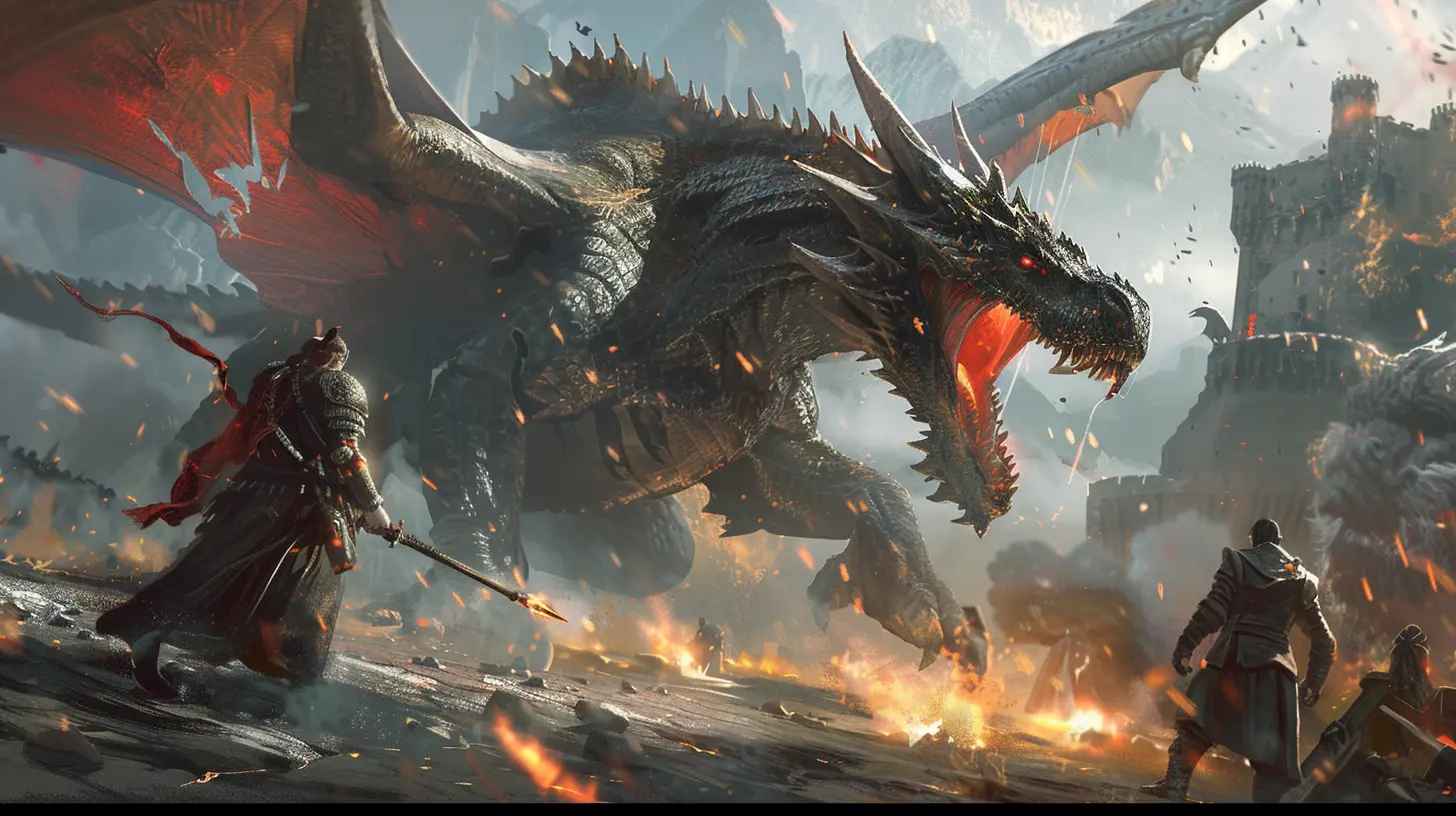
Balancing Progression and Fairness
Here's where things get real.In single-player games, power creep isn't a huge issue. Get super strong, no one cares. But in a multiplayer environment? If your progression makes you too powerful, you’re basically putting newer players at a huge disadvantage. That’s not fun for anyone.
So how do devs prevent progression from becoming a pay-to-win arms race?
Matchmaking Systems and Skill-Based Play
Smart matchmaking systems are the backbone of good progression. They ensure you’re always playing with people of a similar skill level or progression stage. That way, even if someone has cooler gear, the match still feels fair.Games like Overwatch and Valorant use ranked tiers and skill-based matchmaking to even the playing field.
Cosmetic vs. Competitive Progression
Many games draw a clear line between cosmetic rewards (skins, emotes, banners) and competitive advantages (weapons, perks, power-ups). The trend lately is to make core gameplay abilities available to everyone, with progression focusing on looks and bragging rights.Think of it as the difference between style and substance. You might look cooler with that gold-plated rifle skin — but it doesn’t hit any harder.
Resetting Progress: Prestige and Seasonal Systems
Some games keep things fresh by resetting progression periodically. This might seem counterintuitive, but it gives players a reason to come back and re-engage.Enter seasons, leagues, and prestige systems.
- In games like Fortnite or Apex Legends, each new season brings a fresh Battle Pass, resetting your progression path but adding new rewards.
- Prestige ranks in Call of Duty or Halo MCC allow you to reset your level for extra bragging rights and exclusive unlocks.
This way, progression doesn’t become stagnant, and long-time players still have something to chase.
How Monetization Affects Progression
We can't talk about multiplayer progression without addressing the elephant in the room — microtransactions.Let’s be real: developers have to make money. And progression systems often tie into cosmetics and passes you can buy. The key is ensuring that no one can buy their way to dominance.
Battle Passes: A New Standard
Almost every big multiplayer game these days has a Battle Pass. It’s a timed progression system where you can unlock (mostly cosmetic) items by playing or paying.Battle Passes give players structure and incentive — you have goals to hit, and often, a premium track for those who pay a bit extra.
Games like Rocket League, Fortnite, Valorant, and Dota 2 have mastered this model.
Pay-to-Win vs. Pay-for-Fun
The golden rule of ethical multiplayer design? Don’t sell power. Games that let players buy game-changing advantages usually catch a lot of heat — and rightly so.Players are okay with you selling fun outfits or animations. But the moment someone can drop 20 bucks and get a better weapon? You’ve lost the trust.
Progression Psychology: Why It Works
Ever wonder why you keep playing just one more match? Progression taps into some serious psychological triggers. Let’s break down a few.1. The Hook of Dopamine
Every level-up, loot drop, or unlock triggers a little dopamine rush. That “feel-good” hit is no accident — it’s literally designed to make you feel like you’ve accomplished something.2. Goal-Oriented Structures
Battle Passes and leveling systems give you small, attainable goals. Humans love checklists. When you see that “You’re 10 XP away from the next tier”, you’re gonna chase it. Even if it’s midnight.3. Social Status
Ranks, badges, skins — they all serve as status symbols. You’re not just progressing for yourself; you’re doing it to show others how far you’ve come.Ever equipped a rare skin just to flex in the lobby? Yep. You’re not alone.
Challenges Developers Face with Progression Systems
Progression might sound straightforward, but building one is anything but.Some of the biggest challenges include:
- Player fatigue: If progression is too slow, people feel like they’re grinding. If it’s too quick? They burn through content and log off.
- Content droughts: Seasonal systems need fresh rewards. If a new season doesn’t bring anything exciting, players might skip it altogether.
- System abuse: People will always try to exploit the system. Whether it’s XP farming or using bots to grind ranks, devs constantly patch loopholes to keep things fair.
Innovations in Progression Design
Progression systems are still evolving. Some of the coolest innovations we’re seeing include:Adaptive Progression
Games like Dead by Daylight tweak your rewards based on your playstyle. Whether you’re a killer main or a survivor loyalist, you’re rewarded based on how you play.Shared Progression
More games are adopting cross-platform and cross-game progression. Your achievements on PlayStation carry over to PC or mobile — keeping your grind intact no matter where you play.Personalized Challenges
Instead of generic tasks, some games now generate personalized, dynamic goals. These challenges adapt to you, giving a more meaningful (and less repetitive) experience.Final Thoughts
So, how do multiplayer games handle player progression? With a mix of psychology, balance, fairness, and tons of design choices.They try to keep you hooked without making the game feel like a job. They reward your time but don't punish newcomers. And they give you a reason to come back, match after match, season after season.
The best systems are the ones you don’t even notice — where you’re just having fun, leveling up, unlocking cool stuff, and feeling that sweet, satisfying drip of progress.
Whether you’re climbing the ranked ladder, chasing that ultra-rare skin, or just trying to beat your buddy to level 50, remember — it’s all about the journey. And a well-designed progression system makes that journey unforgettable.
all images in this post were generated using AI tools
Category:
Game ProgressionAuthor:

Avril McDowney
Discussion
rate this article
2 comments
Emery O'Neal
Multiplayer games have perfected the art of player progression, turning it into a competitive battleground. Forget handholding; it's about grit and grind. Players thrive on the challenge, driven by that sweet dopamine rush of leveling up and outsmarting the competition. Embrace the grind!
April 27, 2026 at 4:56 AM
Bella McKay
Effective progression keeps players engaged; balance is key to retention.
April 25, 2026 at 2:47 AM
Avril McDowney
Absolutely! Striking the right balance in progression is crucial for maintaining player interest and ensuring they feel rewarded while facing appropriate challenges.