Is the Subscription Model Changing How We Play AAA Titles?
17 January 2026
If you're a gamer, chances are you've noticed a shift in how the gaming industry is moving lately—especially when it comes to big-budget, AAA titles. Gone are the days when you’d walk into a store, pay sixty bucks, and come home with the hottest new game in hand. Now, with game subscription models like Xbox Game Pass, PlayStation Plus Extra & Premium, and EA Play, you’re more likely to simply hit "Download" and dive right in.
But is this trend just a convenient way to game, or is it fundamentally changing how we experience and value AAA titles?
Spoiler alert: It’s definitely shaking things up—and not always in the ways you’d expect.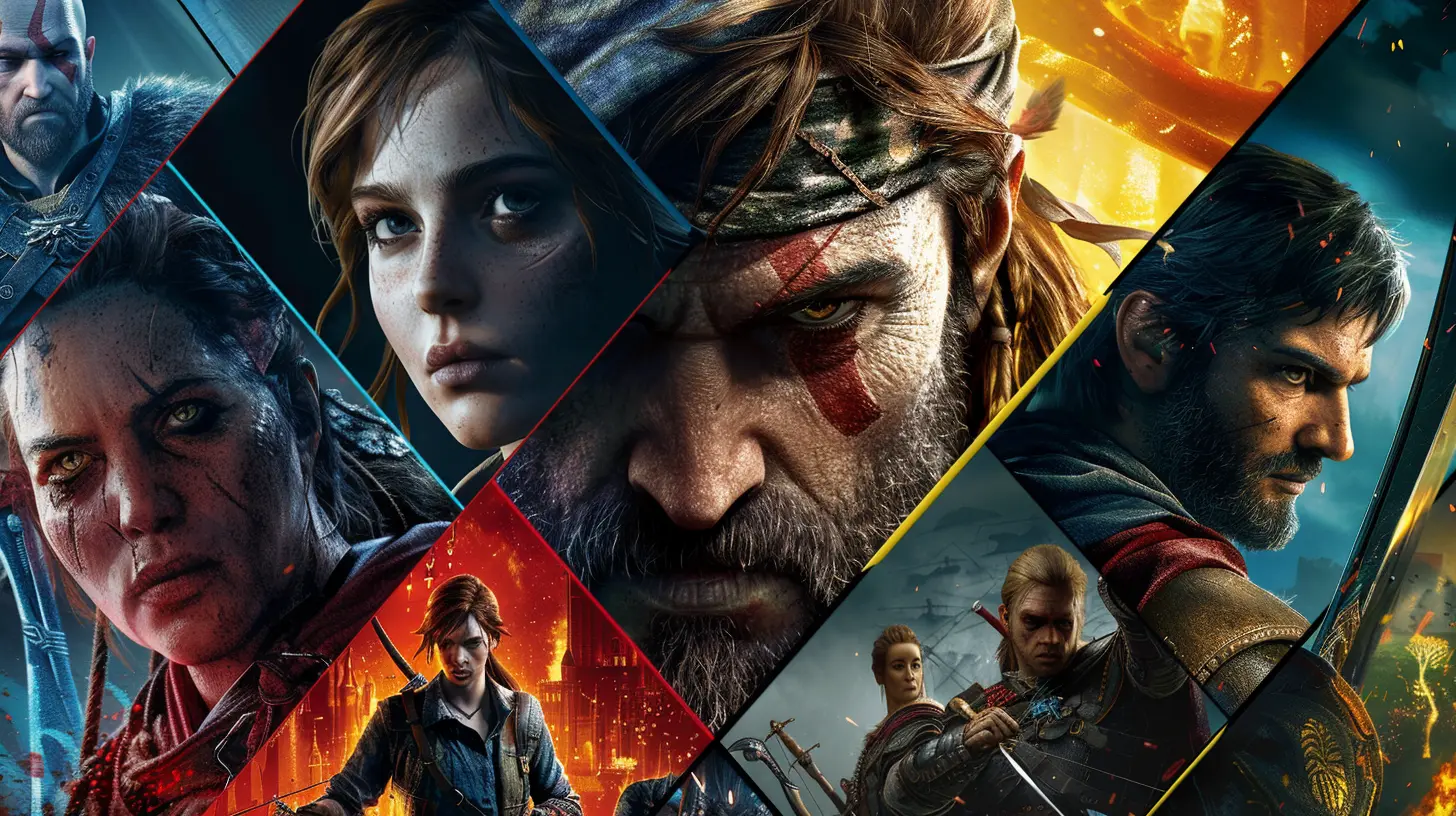
What Exactly Is the Subscription Model in Gaming?
Let’s break it down real quick. A subscription model in gaming is just like Netflix or Spotify. You pay a monthly or yearly fee and get access to a huge library of games, including some of the latest AAA titles.Depending on the platform, you may be playing across console, PC, or even the cloud. Services like:
- Xbox Game Pass Ultimate
- PlayStation Plus Extra/Premium
- EA Play Pro
- Ubisoft+
- Nvidia GeForce NOW
…are either bundling all-you-can-play libraries or streaming options, or sometimes both.
So, instead of owning a single game, you get access to hundreds—sometimes even on release day. Sounds like a dream for us players, right?
Well, buckle up. Because while it does have its perks, there’s more under the hood.
AAA Titles Are Losing Their "Event" Status
Remember midnight launches? That electric buzz of standing in line, clutching your pre-order receipt, talking theories with strangers-turned-friends?That ritual is nearly extinct.
With day-one access baked into subscriptions, you don’t need to "choose" which $70 game gets your money. You simply download it. No anticipation. No investment. No excitement before stepping into that world.
Don’t get me wrong—it’s undeniably convenient. But it’s also making big releases feel... disposable. When you’ve got hundreds of games on tap, it’s easier to jump in and out without forming that emotional connection.
That “event” feeling of launching a new AAA game? It’s slowly being replaced with a scroll through the catalog.
More Games, Less Commitment
With so many choices at your fingertips, there’s a growing trend of sampling games instead of seriously playing them.Let’s be honest: How many of us start a game from Game Pass, play for an hour, then forget it even exists once the next drop hits?
This buffet-style gaming changes how developers design games too. They know players might not stick around long. So, they front-load the experience—explosions, action, tutorials—all in the first 30 minutes.
The result? Games that cater to short-term attention rather than long-term depth. That’s not always bad, but it does shift the way narratives are delivered and how gameplay unfolds.
Good News: It's Easier Than Ever to Try New Genres
Here’s a big win: the subscription model absolutely crushes the barrier of entry into new genres.Normally wouldn’t spend money on a tactical RPG or a slow-paced narrative indie? Now you can dip your toes risk-free.
AAA publishers have noticed, too. We're seeing more variety in what they offer through subscriptions—games like:
- A Plague Tale: Requiem (Game Pass)
- Deathloop (Game Pass & PS Plus)
- Ghost of Tsushima Director’s Cut (PS Plus Extra)
These aren’t just shooters or action-RPGs. They bring narrative depth, unique mechanics, and artistic flair.
So, in a way, the model is encouraging publishers to experiment a bit more. That’s a win for creativity.
But What About Game Devs? Are They Getting Paid?
This one’s tricky.While subscription services pay publishers and developers based on a mix of playtime, downloads, and deals (some upfront, some recurring), the finer details are still hush-hush.
However, concerns are rising. If devs can’t bank on upfront sales, their budgets may get squeezed. That could mean tighter deadlines, scaled-back features, or higher reliance on microtransactions to make up the difference.
And for AAA games—where development can cost as much as a Hollywood blockbuster—subscription revenue might not always cut it.
It’s the equivalent of Spotify for games. Great for exposure. Not always great for artists.
Cloud Gaming + Subscriptions = The Future?
Let’s talk about the elephant in the room—cloud gaming.Services like Xbox Cloud Gaming or Nvidia GeForce NOW, when bundled into subscription packages, are changing the game (pun intended).
You don't even need a console anymore. Just grab your phone, a controller, and stream the latest AAA title from the cloud.
This combo of accessibility + affordability is going to play a massive role in the coming years—especially in markets where consoles are too expensive, or where internet infrastructure is booming.
Imagine playing Starfield on your phone during lunch break. That’s already a reality. And it’s all thanks to subscription models adapting to modern tech.
FOMO Is Real—and So Is the Content Overload
Let’s be real for a second. Having access to hundreds of games sounds amazing until you’re paralyzed by choice.It’s the classic “Netflix syndrome”—scroll for 30 minutes, play for 10.
This content overload can actually reduce satisfaction. You’re less likely to finish a game, more likely to jump ship anytime a newer, shinier title drops.
For AAA games that rely on long, immersive campaigns or intricate mechanics, that’s a problem. They were built for players who stick around. Subscription gamers often don’t.
Are We Owning Less and Renting More?
This one stings a bit.When you download a AAA title via subscription, you don’t really "own" it. You’re renting access. And that could go away at any time.
Games routinely cycle out of Game Pass and PS Plus. So, if you’re halfway through Red Dead Redemption 2 when it vanishes from the library? Tough luck.
Ownership used to be a given. Now, it’s a luxury.
That shift brings up some philosophical and practical questions. What does it mean to be a gamer if you don’t really own any games? And how can you build a library of favorites when any one of them could disappear overnight?
Is This Model Sustainable for AAA Studios?
This is where things get dicey.High-cost AAA titles need strong sales—or now, strong licensing deals—to stay profitable. Sub-services must cough up serious cash to make it worthwhile.
But what if the money stops flowing? What if subscriptions plateau?
Smaller devs may thrive on exposure in a subscription model. But AAA studios, with massive staffing needs and big expectations, could find it unsustainable without a steady, predictable return.
In a worst-case scenario, you might see fewer risky, ambitious projects. Fewer single-player epics like The Last of Us or God of War. More "safe bets" like live-service models and free-to-play mechanics.
And Yet… It’s a Revolution We Asked For
Here’s the kicker—we kinda asked for this.Gamers have been weary of $70 price tags, buggy day-one launches, and endless microtransactions. In that sense, subscriptions feel like an antidote. A more player-friendly approach in a world full of nickel-and-diming.
And let’s not forget—when curated right, these services are fantastic.
They reduce costs, allow for discovery, and bring gaming to people everywhere. For students, casual gamers, or folks on a budget, they’re a godsend.
We may be losing some tradition and a sense of "ownership," but we’re gaining accessibility and variety.
So, Is the Subscription Model Changing How We Play AAA Titles?
Absolutely.It’s redefining value, shifting our habits, and even influencing how games are made. AAA titles are becoming more accessible—but also more disposable. We’re playing more than ever, but connecting less deeply.
Whether this is a golden age for gamers or the start of a rental-fueled burnout cycle largely depends on how the industry (and we as players) respond going forward.
Will devs adapt with smarter monetization? Will players still show up for epic, story-driven experiences? Will these services maintain quality over quantity?
The answers lie ahead. But one thing’s for sure: the game has changed. And we’re all playing by new rules.
Final Thoughts
The subscription model isn’t just a new way to pay for games—it’s a new way to experience them. If you're a AAA developer, the stakes are higher. If you're a gamer, the choices are richer. But with great access comes great responsibility (okay, Spider-Man quote incoming).Whether this trend enhances or erodes gaming as we know it depends not just on platforms and publishers, but on us too.
What games we choose to play, support, and complete? That’s the new currency.
all images in this post were generated using AI tools
Category:
Aaa GamesAuthor:

Avril McDowney
Discussion
rate this article
2 comments
Clara Lawrence
Absolutely! The subscription model is like giving gamers an all-you-can-eat buffet of AAA titles! It opens up new worlds to explore without worrying about breaking the bank. Let’s embrace this change and dive into adventures we might have missed out on otherwise! Happy gaming!
January 20, 2026 at 4:16 PM
Avril McDowney
Absolutely! The subscription model truly democratizes gaming, allowing more players to experience a wider range of titles without financial strain. It’s an exciting time for gamers!
Jemima Riggs
This article brilliantly captures the evolving landscape of gaming. The shift to subscription models is reshaping our experiences, making AAA titles more accessible while encouraging innovation. It’s fascinating to see how our playing habits are transforming—definitely a topic worth exploring further!
January 19, 2026 at 3:27 AM
Avril McDowney
Thank you for your insightful comment! I completely agree that the subscription model is revolutionizing our gaming experiences and fostering innovation. It’s an exciting time for the industry!