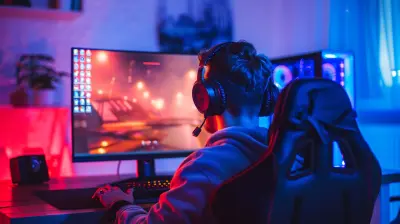
Exploring Eye-Tracking and Its Role in Monitor Tech
16 February 2026
In a world where screens dominate our daily lives—whether you're gaming, streaming, designing, or just browsing—monitor technology is evolving at a jaw-dropping pace. And one of the coolest, most futuristic advancements stepping into the spotlight is eye-tracking.
No, this isn’t sci-fi. This is very real, and it’s set to change the way we interact with our screens. Whether you're a competitive gamer, a productivity ninja, or just someone who geeks out on cutting-edge hardware, eye-tracking might just become your new obsession.
So grab a cup of coffee, lean back in your chair, and let’s dive deep into the fascinating world of eye-tracking and its ever-growing role in monitor tech.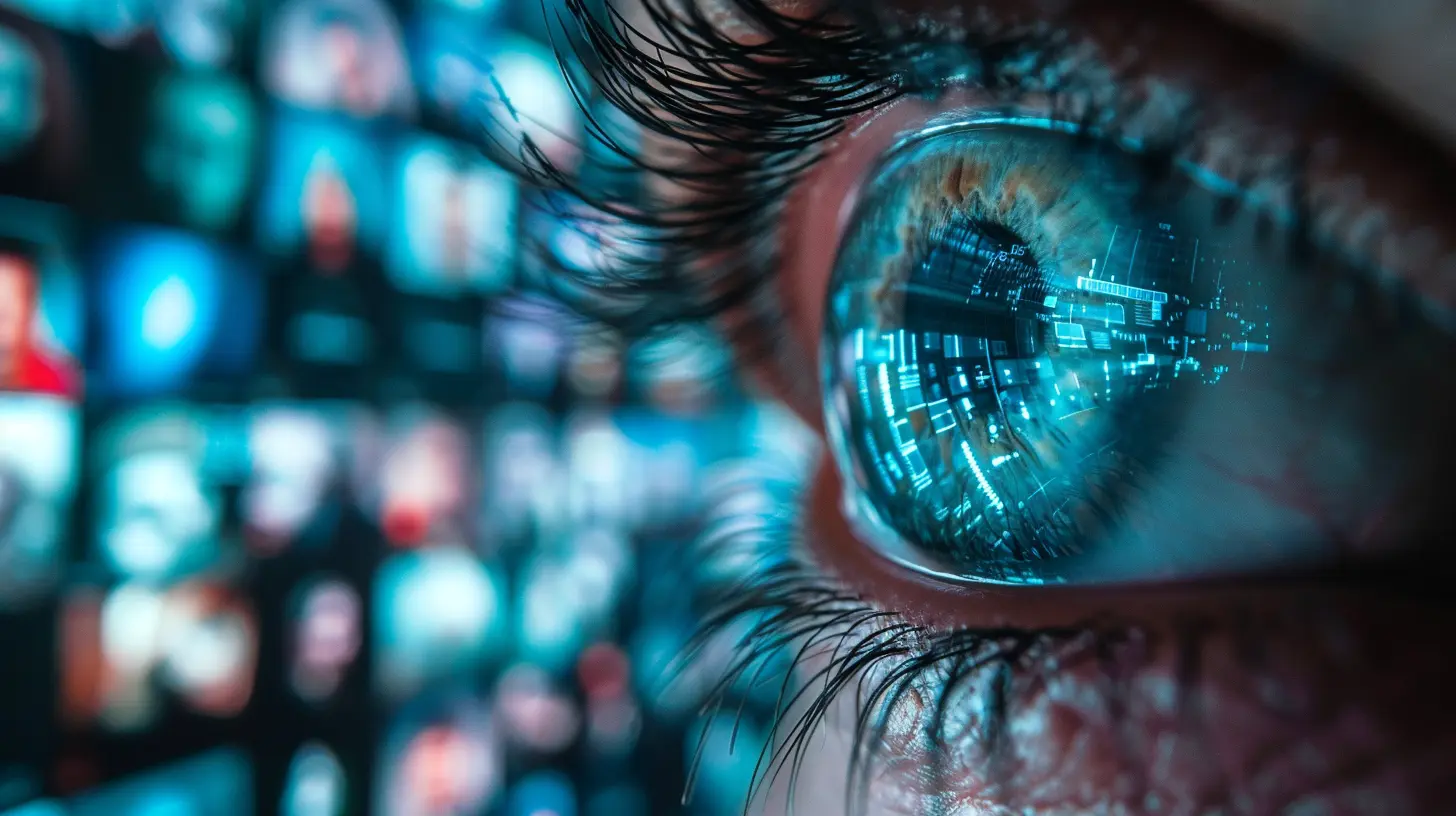
What Exactly Is Eye-Tracking?
Alright, let’s break it down. Eye-tracking is a technology that literally watches your eyes. It records where you’re looking, how long you look at something, and how your eyes move across the screen.Sounds intense, right? But it's surprisingly subtle. Tiny sensors built into your monitor (or mounted on it) track your eye movement in real-time, converting that data into actionable insights or responsive input. Think of it as your screen learning to "see" what you're seeing.
It’s like your monitor just got a sixth sense—and it’s all about you.
A Quick Flashback: The Origins of Eye-Tracking
Believe it or not, eye-tracking isn't that new. The earliest experiments date back to the 1800s—seriously, we're talking about a time when "screen time" meant looking out a window. Fast forward to today, and we’ve got high-speed, ultra-precise eye-trackers that fit inside sleek, modern monitors.What once required massive equipment and lab settings can now be found in gaming rigs and business laptops. Technology’s glow-up is real, folks.
How Eye-Tracking Works (Without Getting Too Techy)
Here’s the simple version: most eye-trackers use infrared light that bounces off your eyes. A sensor captures the reflection and, with some smart algorithms, figures out where you’re looking on the screen.There are three main components:
- Infrared Light Source – creates a reflection in your pupil (called the corneal reflection).
- Camera/Sensor – captures your eye movement.
- Processing Software – turns raw data into something useful.
The result? A real-time, invisible communication between you and your screen. It's almost like telepathy—but with tech.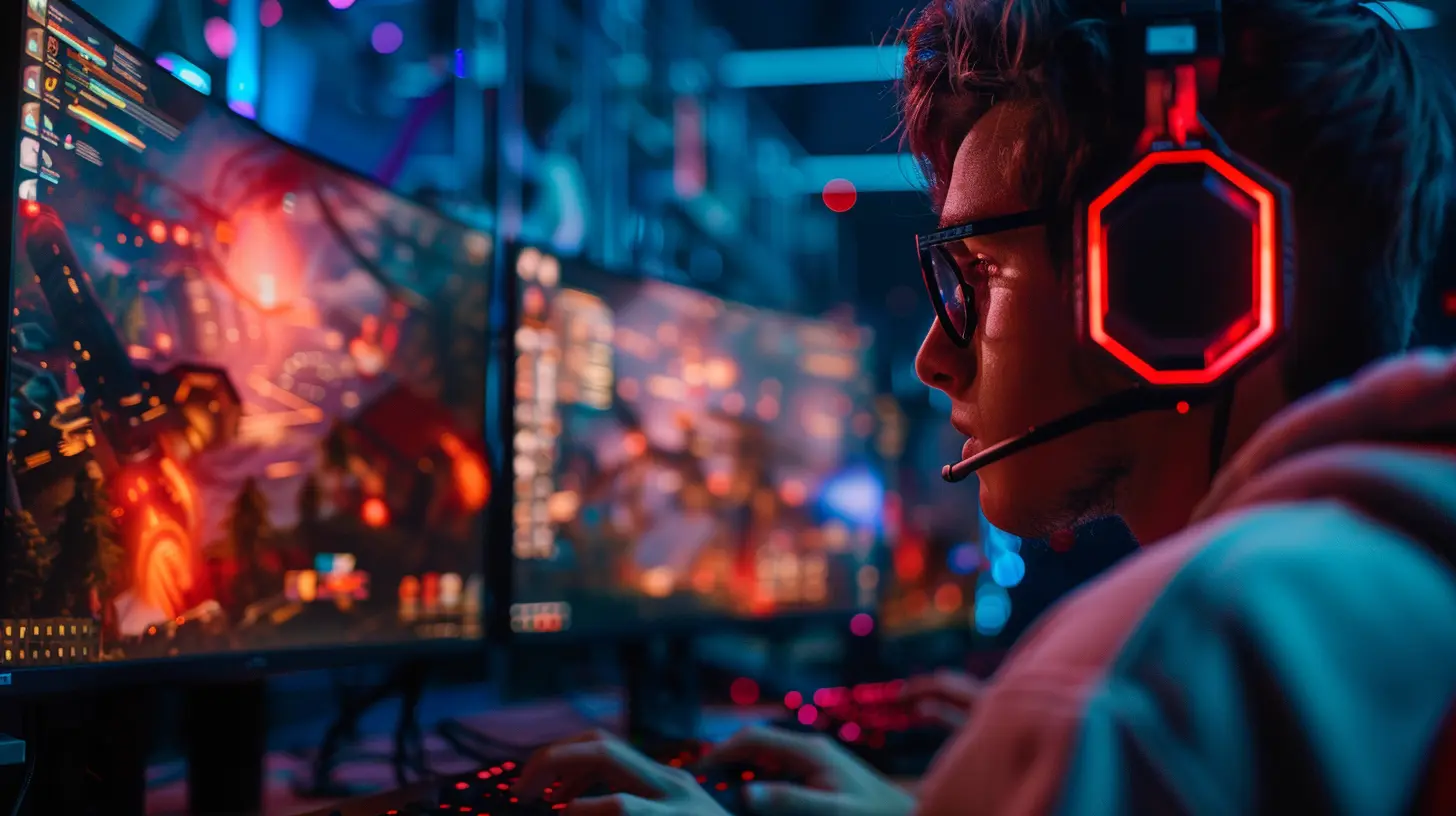
Monitor Tech Meets Eye-Tracking: The Perfect Match
When you combine eye-tracking with modern monitors, you open the door to some seriously game-changing possibilities. Literally.Monitors aren't just passive displays anymore. They're becoming smart, responsive environments that adjust based on where your eyes go. We’ve entered a new era—where screens don't just show content, they interact with us.
Let’s break down some of the coolest things happening right now thanks to this powerful pairing.
Real-Time Gaming Enhancements
Gamers, listen up.Eye-tracking in games is wild. Developers are already implementing it in popular titles like Assassin’s Creed, Shadow of the Tomb Raider, and Far Cry. What does it do?
- Aim with Your Eyes: Forget moving your mouse—just look at your target.
- Dynamic Field of View: The game sharpens where you’re looking and blurs the rest—just like real sight.
- Immersive Stealth Mechanics: Enemies react if you look directly at them for too long. (Feeling sneaky?)
Eye-tracking makes the gaming experience more intuitive and immersive—giving players new ways to react, explore, and engage. It’s like adding an extra control system to your gameplay arsenal that you didn’t even know you needed.
Boosting Productivity and Workflow
This isn’t just gamer candy. Eye-tracking has real productivity perks too.Imagine multitasking with fluidity you’ve never felt before. With eye-tracking monitors:
- You can scroll documents just by looking down.
- Switch tabs with a glance.
- Highlight text by simply directing your gaze.
Designers, coders, editors—this is a productivity paradise. Your monitor adapts to you, not the other way around. It’s the equivalent of having an assistant inside your monitor who knows exactly what you need before you even ask.
Accessibility: Making Tech Inclusive
This might be the most heartwarming part of the story.Eye-tracking can empower people with motor impairments to navigate digital spaces effortlessly. When physical input isn’t possible, your eyes become the mouse, the pointer, the controller, and the keyboard—all in one.
It’s not just about convenience. It’s about making sure everyone, regardless of physical ability, can access the digital world. That’s revolutionary.
Eye-Tracking Meets AI: Smart Displays of the Future
Here’s where things start to feel really futuristic.When you merge eye-tracking with AI, your monitor can learn your habits. It can predict your behavior, personalize content, and even spot fatigue or focus loss.
Imagine a monitor that dims when you’re not looking, or reminds you to take a break when you’ve been staring too long. It's like having a digital buddy that’s always looking out for your well-being.
In the future, eye-tracking could be combined with AI to:
- Optimize screen brightness and color depending on your gaze.
- Deliver targeted ads or content based on what catches your attention.
- Detect stress or confusion during work or play and offer suggestions.
It’s all about creating smarter, more human-centric tech.
Privacy and Ethical Considerations: Are My Eyes Being Watched?
Great question. Let’s tackle the elephant in the room.Yes, eye-tracking collects data. Your gaze patterns, attention spans, reactions—it’s all very personal stuff. So naturally, there are concerns about privacy.
The good news? Most reputable eye-tracking technology providers prioritize data security. Many systems don’t store gaze data unless you explicitly allow it. However, it’s still essential to stay informed and make conscious choices about what devices you use and how they collect info.
Think of it like any new tech—a powerful tool when used ethically, and something we all need to approach with eyes wide open. (Pun totally intended.)
Industries Already Adopting Eye-Tracking Tech
Eye-tracking isn’t limited to gamers and coders. It’s making waves across diverse industries. Check it out:- Healthcare: Doctors use it to study neurological conditions and improve diagnosis.
- Marketing: Brands analyze what grabs consumers' attention most on-screen.
- Aviation: Pilots train with eye-tracking simulators to improve reaction time.
- Education: Teachers and researchers track student engagement in e-learning settings.
Everywhere you look—eye-tracking is either already there or just around the corner.
Should You Get an Eye-Tracking Monitor?
Okay, let’s get real.Is it time to throw your regular monitor into the recycling bin and snag an eye-tracking upgrade? Maybe... but it depends on your needs.
Here’s a quick pros and cons list to help you decide:
✅ Pros
- Super immersive for gamers- Boosts productivity with intuitive control
- Helps you learn about your own visual behavior
- Great for accessibility and inclusion
- Future-proof feature for evolving tech
❌ Cons
- Higher price tag- Not all software supports it (yet)
- Privacy concerns (always read the fine print!)
- Might take time to get used to
If you’re a tech enthusiast, early adopter, or someone who lives and breathes innovation—this is right up your alley.
Eye-Tracking for Game Developers: A New Playground
Now let’s flip the script. For developers, eye-tracking is like a golden ticket to interactive storytelling.Imagine crafting levels that adapt based on what players look at. NPCs that react if you stare too long. Hidden secrets only revealed when you’re not looking directly.
This isn’t just game development—it’s building experiences that blur the line between player and game world. The creative potential is immense, and we’ve only scratched the surface.
The Future of Eye-Tracking and Monitor Tech
The trajectory is crystal clear: eye-tracking is not a gimmick. It’s becoming a core feature in next-gen monitor design. Brands like Tobii, Dell, Alienware, and Acer are already integrating it into their flagship models.As adoption spreads, prices drop, and developers embrace what’s possible—eye-tracking may soon be as common as touchscreens or voice assistants.
You’ll sit down, fire up your system, and your monitor will already know where to focus. It’ll feel less like using a computer—and more like connecting with one.
Final Thoughts: Why You Should Care
Whether you’re a gamer, a creator, a dreamer, or just a curious tech-nerd like me—eye-tracking is worth paying attention to. It’s not just another spec on a box. It’s a game-changer, a productivity booster, and, in many ways, a small leap toward a sci-fi reality we once only imagined.Your eyes are already doing so much. Isn’t it cool that now your monitor can keep up?
So next time you're shopping for a new display or geeking out over new game features, give eye-tracking a serious look (pun still intended). It might just change how you see your screen—literally and figuratively.
all images in this post were generated using AI tools
Category:
Gaming MonitorsAuthor:

Avril McDowney
Discussion
rate this article
2 comments
Alanna Howard
Exciting insights on eye-tracking! Can't wait to learn more!
February 17, 2026 at 4:18 AM
Avril McDowney
Thank you! I'm glad you're excited—stay tuned for more insights!
Flora Franklin
Great article! Eye-tracking technology has immense potential in gaming, enhancing player immersion and interaction. It could revolutionize user interfaces, making them more intuitive. I'm eager to see how developers implement this tech in future games and what creative applications emerge. Keep up the insightful work!
February 16, 2026 at 3:48 AM
Avril McDowney
Thank you for your thoughtful comment! I share your excitement about the potential of eye-tracking technology in gaming and look forward to seeing how it evolves.