How Voice Acting Became a Defining Feature of AAA Games
2 March 2026
Pull up a chair, fellow gamer, because we're diving deep into one of the most powerful ingredients in the recipe of blockbuster games: voice acting. Yep, those buttery-smooth baritones, emotionally charged screams, and quirky one-liners aren’t just background noise anymore—they’re front and center, stealing the show and redefining how we experience games.
So how the heck did voice acting go from robotic grunts and awkward delays to Oscar-worthy performances and fan-favorite characters? Stick with me, and let’s untangle how this once optional extra became a AAA staple.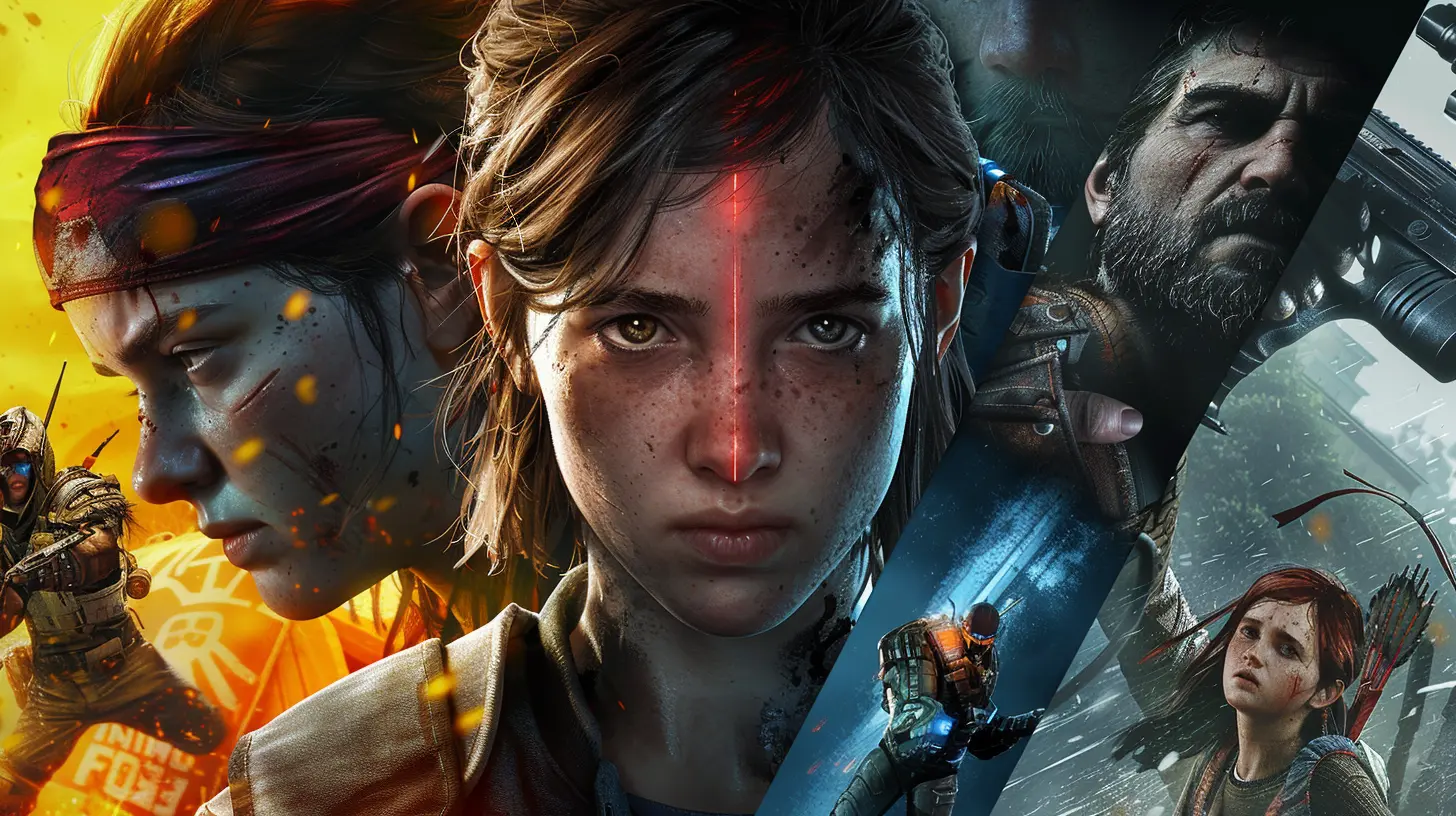
From Beeps to Breathless Monologues: A Quick Look Back
Okay, let’s jog down memory lane for a sec. Remember the days when games sounded like your microwave having a panic attack? Yeah, that pixelated plumber didn’t need to talk—just a jump noise and maybe a groan if he took a hit.Back in the ‘80s and early ‘90s, game developers were more worried about whether the game ran at all, much less whether the protagonist could belt out an emotional monologue. Storage limits were real, tech was clunky, and budgets… let’s just say voice acting wasn’t what publishers were tossing money at.
But then—boom!—CD technology arrived, and suddenly we had space. Lots of it. Space to store voiceovers that weren’t compressed into sounding like they were recorded inside a tin can.
Cue the evolution.
The Turning Point: Metal Gear Solid Showed Us the Way
Let’s get one thing straight: Metal Gear Solid didn’t invent video game voice acting, but it sure as heck made us care about it.In 1998, when Solid Snake whispered his gravelly lines into our ears, something shifted. It was gritty, cinematic, and surprisingly emotional. This wasn’t just a stealth game—it was a movie you could play.
David Hayter’s brooding performance as Snake wasn’t just cool—it gave gamers goosebumps and made us realize that voice acting wasn’t just fluff. It could carry a story, build tension, and elevate a game from "fun" to "freaking unforgettable."
Why Voice Acting Matters in Modern AAA Gaming
Let’s call it like it is: AAA games are trying to be experiences, not just games. And guess what brings experiences to life? That’s right—voice acting.🎭 Emotional Storytelling
You can only do so much with static subtitles and clunky animations. Voice acting, in the hands (or mouths?) of pros, adds layers of depth. From Kratos choking back tears in God of War to Ellie’s pain in The Last of Us, these moments hit hard because the voices behind them feel real.🎮 Player Immersion
Without good voice acting, even the most gorgeous open world can feel empty. Imagine roaming the post-apocalyptic wasteland of Fallout 4 and meeting NPCs that all sound like your GPS. Hard pass.Voice acting gives life to digital characters. It makes you believe in their struggles, love stories, and vendettas. It puts the “A” in “AAA.”
🧠 Character Development
Your favorite characters? You probably remember their voice before you remember their outfit. Try imagining Geralt of Rivia without Doug Cockle’s gravely growl. Exactly. It’s weird.Voice actors add personality. They are the character. And in blockbuster franchises, their consistency across sequels helps build familiarity and trust.
The Rise of the Celebrity Voice Actor
Once upon a time, most voice actors came from, well, the voice acting world. But now? We’ve got Hollywood crashing the party. And honestly, we’re not mad about it—most of the time.From Keanu Reeves in Cyberpunk 2077 to Giancarlo Esposito in Far Cry 6, AAA studios are bringing in the big names. It’s part marketing, part performance boost, and part fan-service. People show up for the celebs, but stay for the genuinely good voice work.
Of course, it’s not always a slam dunk. Some performances sound phoned in (looking at you, some superhero games we won’t name), but when it works, it really works.
Mocap + Voice = Movie Magic for Games
Voice alone doesn’t cut it anymore in big-budget games. Motion capture is the peanut butter to voice acting’s jelly. Together, they create something magical.With mocap suits tracking facial expressions, body language, and even subtle twitches, games can now deliver performances on par with Hollywood films. The best part? It lets voice actors go full-method—expressing the entire scene, not just reading lines.
Remember Red Dead Redemption 2? You didn’t just hear Arthur Morgan's voice—you saw every ounce of his weary soul in his expressions. That’s performance capture wizardry at its finest.
Streaming Culture and the Power of the Meme
Let’s be real—some of the most iconic voice lines in gaming didn’t come from deep storylines. Nope. They came from memes and streamers.Think of “It’s dangerous to go alone, take this!” or “Would you kindly?” or even Geralt’s famous “Hmm.” These lines live rent-free in our heads, partly because of how they're voiced.
And thanks to streamers and YouTubers reacting in real-time, a hilarious or dramatic voice line can instantly go viral. That's free marketing, baby, and it cements the importance of having solid voice acting. Nobody rewatches a dry cutscene—but give us some spicy dialogue, and it's TikTok gold.
Indie Games? Copy That—Voice Acting Isn’t Just for the Big Guys
You might be thinking, “Cool story, but voice acting's just for AAA, right?”Wrong.
Indie developers have caught on. While they might not have the budget for a dozen A-listers, they often use talented voice actors to create intimate, character-driven stories that feel just as impactful as the blockbusters.
Games like Hades, Firewatch, and Oxenfree show that good voice acting doesn't need a million-dollar budget—it just needs heart, great writing, and a mic that doesn’t sound like you’re recording in a bathroom.
The Voice Acting Rock Stars of the Gaming World
Let’s give a shout-out to the unsung heroes (well, actually sung, if you count their lines) who’ve helped define entire franchises:- Troy Baker – From Joel in The Last of Us to Booker DeWitt in BioShock Infinite, this guy’s practically in everything. Seriously, check your fridge—he might be in there too.
- Laura Bailey – Queen of versatility, from Kait Diaz in Gears 5 to Abby in The Last of Us Part II. She’s a powerhouse.
- Jennifer Hale – Commander Shepard, anyone? She's gaming royalty.
- Nolan North – Nathan Drake, Deadpool, Desmond Miles… we could go on.
These folks aren’t just voice actors—they're stars. And they’ve made voices in games as iconic as the gameplay itself.
What’s Next? Voice Acting’s Future in AAA
If current trends are any clue, voice acting is only getting bigger, better, and more mind-blowing.With AI creeping into the scene (don’t freak out—yet), there’s buzz about synthesized voices. But let’s be honest: no robot is replacing Jennifer Hale’s sass or Troy Baker’s vulnerability anytime soon.
Expect more diversity, more international talent, and even more blending of traditional acting with digital wizardry. Who knows? Maybe one day we’ll even get fully interactive, AI-driven characters that respond to your tone of voice. Sci-fi vibes, anyone?
Final Thoughts: More Than Just Words
Voice acting has come a long way from the days of blocky sprites and MIDI music. In AAA games, it’s no longer a bonus feature—it’s a core part of the experience.It’s what makes characters real, stories unforgettable, and gameplay moments emotionally crushing or laugh-out-loud funny.
So next time you’re deep in a game, caught in a gripping cutscene, or yelling at your favorite NPC to shut up already—take a moment and appreciate the voice behind the pixels. They’re the unsung (okay, half-sung) heroes making your gaming worlds come alive.
all images in this post were generated using AI tools
Category:
Aaa GamesAuthor:

Avril McDowney
Discussion
rate this article
2 comments
Matilda McGill
Voice acting weaves an enigmatic tapestry in AAA games, transforming mere pixels into souls. What secrets linger behind the microphones, and how do these voices alter our reality within these immersive worlds? The truth may surprise you.
March 3, 2026 at 4:47 PM
Avril McDowney
Voice acting adds depth and emotional resonance to characters, enhancing player immersion and connection. Behind the microphones, talent brings narratives to life, making the gaming experience profoundly impactful.
Jet Flores
Voice acting isn't just an addition; it's the heartbeat of AAA games. It elevates storytelling, immerses players, and creates unforgettable characters. The industry has evolved, and those who underestimate its impact are simply out of touch. Embrace the artistry or get left behind in the pixelated dust.
March 2, 2026 at 4:57 PM
Avril McDowney
Absolutely! Voice acting is essential in AAA games, enriching narratives and deepening player engagement. Its evolution has transformed storytelling, making characters and experiences truly memorable.