The Secret to Immersive Worlds in Top-Tier Games
13 February 2026
Have you ever booted up a game and felt like you were actually there? Like the air in the game world could fill your lungs, and the sounds danced around your ears with eerie realism? That, my friend, is the magic of immersion—the kind of experience that makes us forget where we are and who we are… even if just for a few hours.
But what’s the secret sauce behind the most immersive worlds in top-tier games? What gives them that wow-factor that pulls us in and refuses to let go?
Let’s pull back the curtain and take a deep dive into the mysterious alchemy that game developers use to breathe life into digital universes.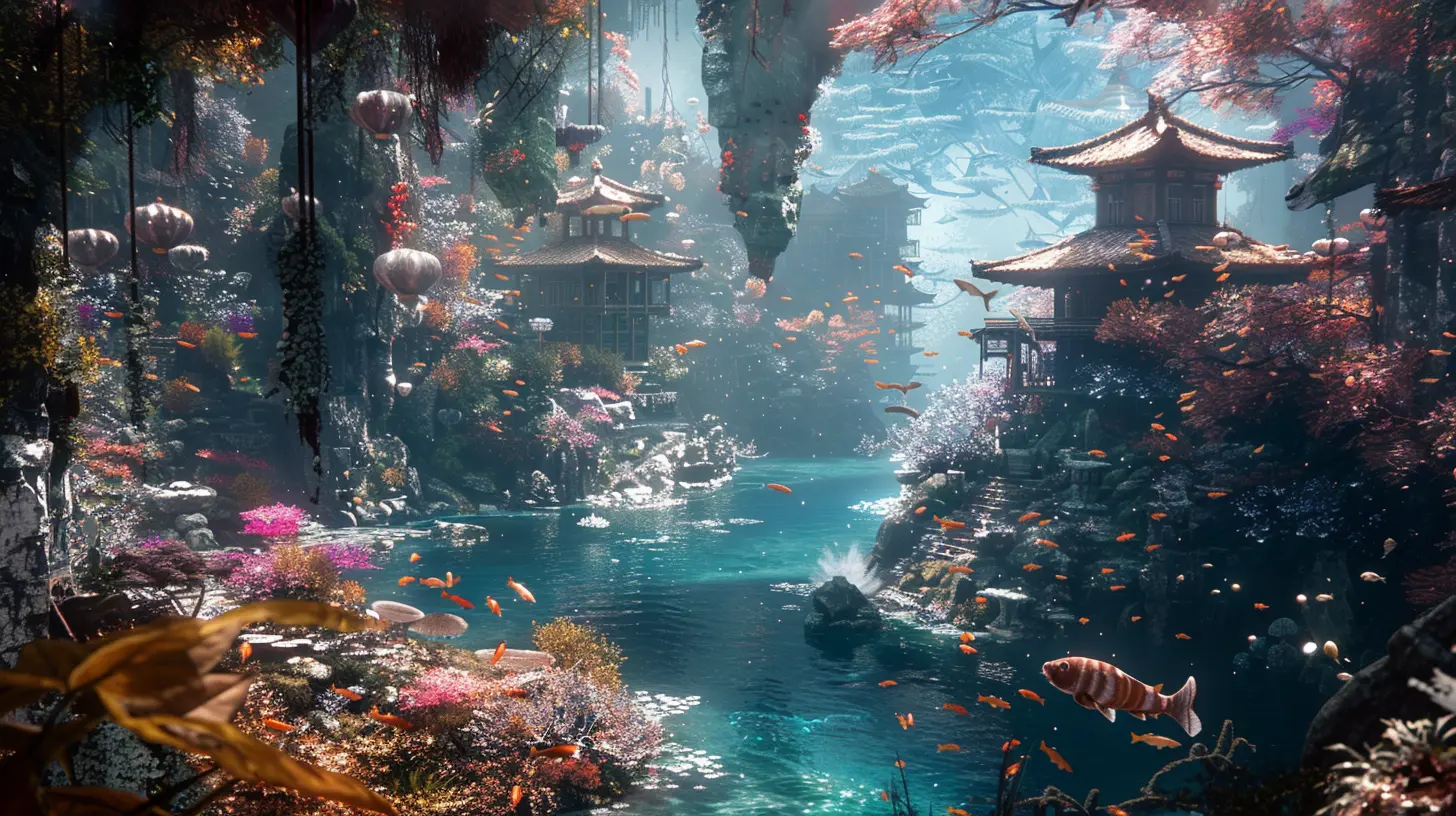
What Does "Immersion" Even Mean in Gaming?
Before we go any further, let’s clear this up: immersion isn’t just about pretty graphics (though those help). It’s about belief. Suspension of disbelief, to be exact.Immersion is what happens when your brain stops questioning the artificial and starts accepting the game world as reality—at least temporarily. You stop seeing pixels and start seeing possibilities. You’re no longer holding a controller or tapping a screen. You're negotiating with NPCs, exploring haunted ruins, or leading armies into battle.
Now that we’re on the same page, let’s crack open the toolbox developers use to build these captivating experiences.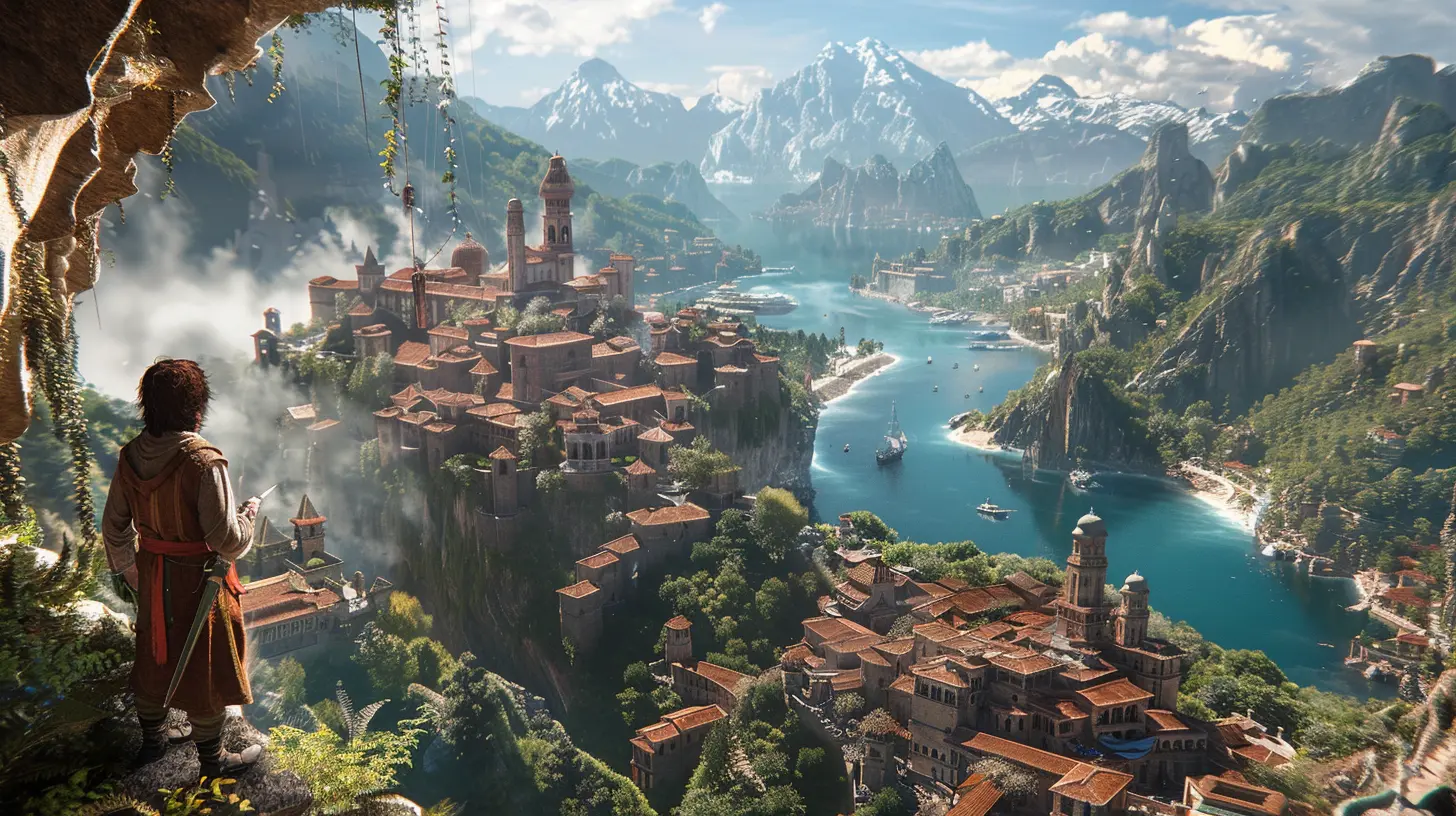
1. World-Building: The Foundation of Everything
Think of world-building as the bedrock. Without it, everything else crumbles.Lore That Feels Lived-In
The best immersive worlds don’t just have a story—they ooze history from every corner. Whether it’s ancient ruins that hint at a fallen empire, graffiti on a city wall, or a cryptic journal entry found in a cave, good games leave breadcrumbs everywhere.Games like The Witcher 3 and Elden Ring don’t shove their lore in your face. Instead, they drop it in carefully layered pieces, letting you uncover it at your own pace. It’s like being an archaeologist in your own adventure.
Cohesion is Key
Immersion breaks the moment something feels out of place. That’s why consistent design is so crucial. If you're in a dusty medieval village, nobody should be walking around with neon sunglasses, right?Whether it’s architecture, dialects, or even the way plants sway in the wind—everything needs to feel like it belongs.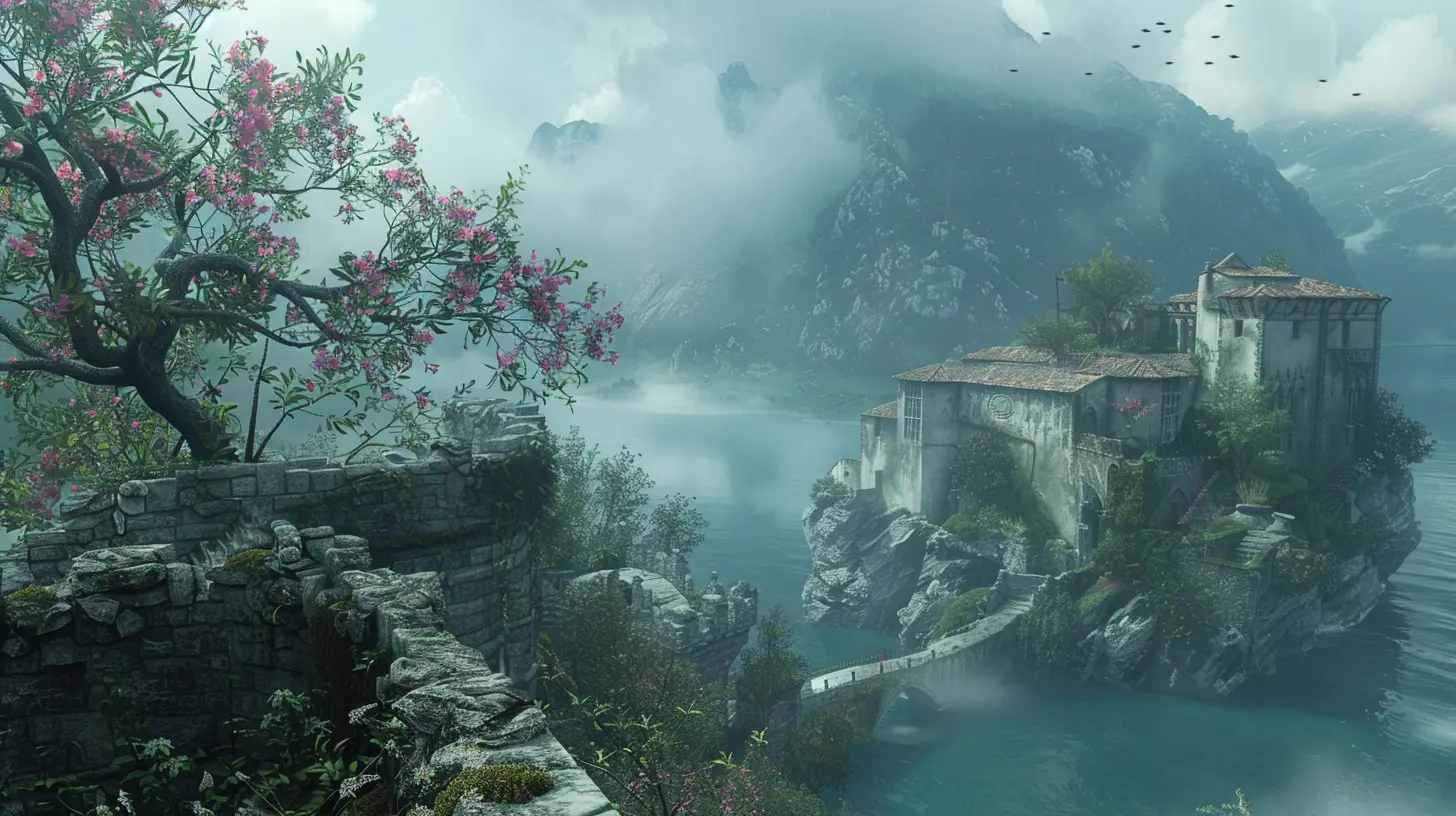
2. Sound Design: The Invisible String Puller
Ever notice how you can recognize an enemy by the sound of their boots? Or how a rising violin can make your heart race during a boss fight?Sound is a ninja—it sneaks into your subconscious and whispers this is real.
Dynamic Audio Keeps You on Your Toes
Top-tier games use dynamic soundscapes that react to your actions. In Red Dead Redemption 2, for example, walking into a saloon triggers background chatter, clinking glasses, and piano tunes that shift as the crowd grows. Walk outside, and it slowly fades.Immersion starts with convincing your senses—and your ears are always listening.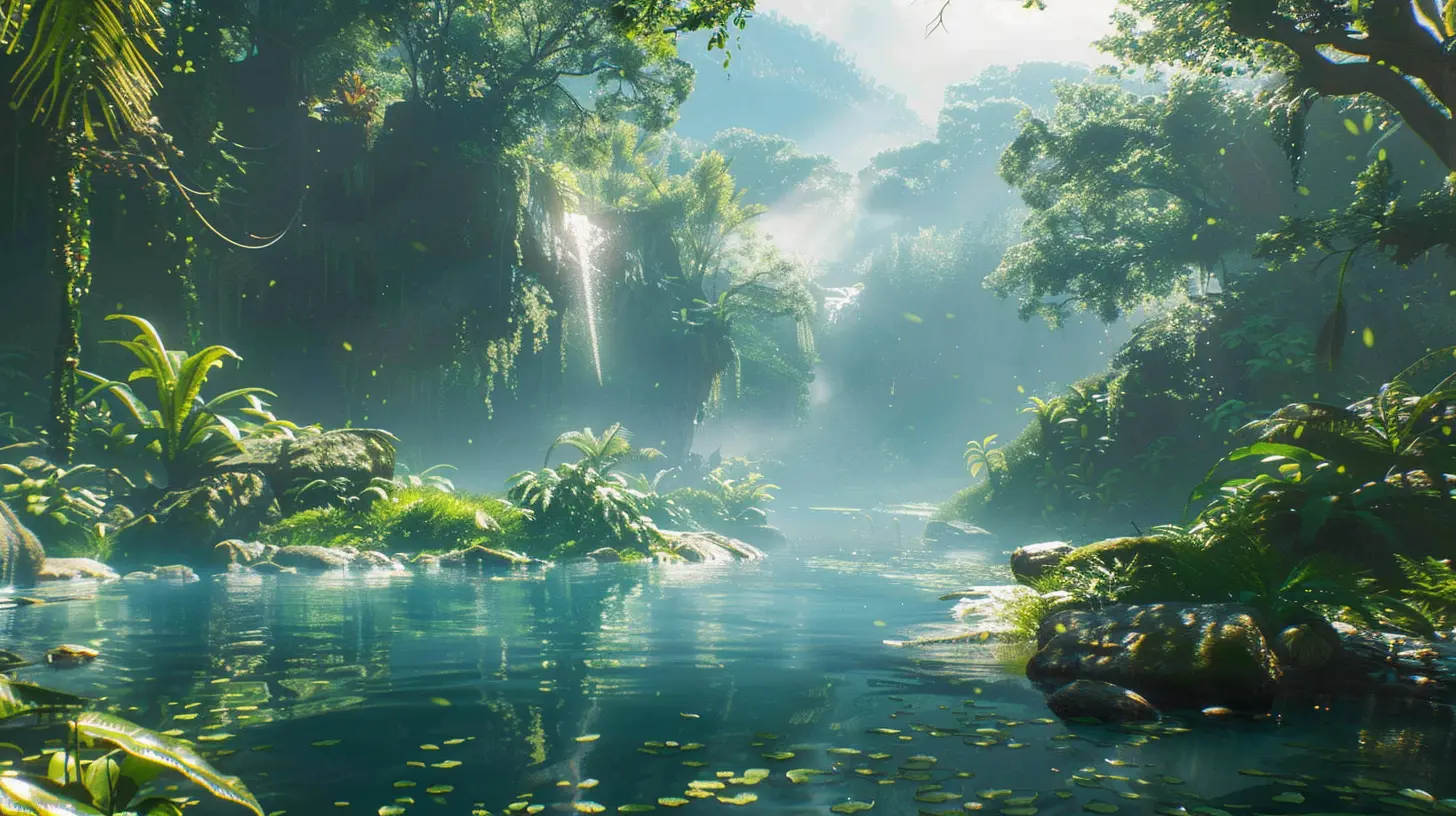
3. Visual Storytelling: Show, Don't Tell
A picture is worth a thousand words, right? In games, visuals do a lot of heavy lifting.Environmental Storytelling
Games like Dark Souls and Bioshock nail this. Without saying a word, the environment tells you everything. Crumbling statues, blood-stained halls, empty cradles—these aren’t just set pieces. They provoke questions and spark curiosity.You start to ask: “What happened here?” And just like that, you're hooked.
Lighting and Color Theory
These aren’t just art-school buzzwords. Lighting sets the tone. Think warm golden hues in safe zones, or icy blue tones in eerie dungeons. Color subconsciously tells your brain how to feel.Developers often use color palettes to signal to players what kind of experience to expect, and when used right—it’s pure magic.
4. Interactivity: Make Me Feel Like I Matter
You can have the most beautiful world ever rendered, but if you walk through it like a ghost—unable to touch, talk, or change anything—immersion dies a slow death.Responsive Worlds
Games that respond to your actions (like The Legend of Zelda: Breath of the Wild) make you feel like a true participant. Set a tree on fire? Watch it burn and fall. Push a boulder off a cliff? Someone might notice and panic.The world isn't static—it's alive and reacting to you.
Choice and Consequence
Nothing screams immersion like choice. When your decisions carry weight, you get sucked in deeper.Mass Effect. Detroit: Become Human. The Walking Dead.
These games force you to choose—and live with the consequences. Your actions shape not just your character, but the world and story itself.
5. Character Depth: Not Just Pretty Faces
Characters are the soul of any game world. Without believable, multi-dimensional personalities, even the most dazzling settings fall flat.Voice Acting That Feels Real
There’s a huge difference between good voice acting and someone reading lines. The tone, the emotion, the hesitation in a tough decision—it all needs to feel real.Games like The Last of Us are praised for a reason. Joel and Ellie feel like real people. And when the characters feel real, so does the world they live in.
Relationships That Evolve
Relationships in games—whether they're friendships, rivalries, or romances—should grow over time. Look at Dragon Age or Persona 5. You spend hours with these fictional folks, and their development reflects your journey together.This emotional investment is a shortcut straight to immersion. When you care, you're all in.
6. User Interface (UI) That Disappears
Ironically, the best UI is the one you don’t even notice. Clunky menus, overloaded HUDs, or intrusive pop-ups can remind you you’re just playing a game—not living an experience.Minimalism = Immersion
Ever played Dead Space? The health bar is on the character’s spine. Ammo shows up on the weapon. No traditional HUD needed. The whole interface blends into the world itself.That’s next-level immersion.
7. Emotion-Driven Music Scores
Music in games isn’t just background noise. It’s the emotional undercurrent of every moment.Adaptive Soundtracks
Some of the best games use adaptive music—where the soundtrack shifts based on your actions or location.Take Skyrim: the music subtly changes when you’re in towns, wilderness, or combat. It’s like the game is scoring your personal story.
It might not be something you consciously notice, but your brain does—and it helps keep you firmly planted in that world.
8. AI That (Almost) Feels Human
We all laugh at NPCs doing weird things—walking into walls, repeating the same one-liner over and over. But when AI is done right, it’s a game-changer.Behavior That Makes Sense
Top-tier games make sure NPCs have lives of their own. In Red Dead Redemption 2, townsfolk go about their routines: shopping, gossiping, eating, sleeping. It feels like the world exists even when you're not looking.This illusion of life outside the player’s view is crucial. It makes the world seem real, not just made for you.
9. Next-Gen Tech and Hardware: A New Era of Immersion
Let’s not ignore the horsepower under the hood. Cutting-edge consoles and PCs allow for higher fidelity, smarter AI, and more detailed worlds than ever before.Ray Tracing and Real-Time Lighting
This tech mimics real-world lighting—reflections, shadows, and all. It can turn a simple puddle into an immersive, photorealistic element of the world.And don't even get me started on VR. That’s immersion on turbo mode.
So… What’s the Real Secret?
Here’s the kicker: there’s no one single secret. True immersion in top-tier games is an intricate dance—a symphony of sound, visuals, storytelling, interactivity, and emotion.It’s not just about escaping reality. It’s about stepping into another one that feels just as deep, just as complex, and just as human.
And when a game gets it just right? You don’t just play it. You live it.
Final Thoughts
Next time you find yourself completely lost in a game—when the hours slip away and you're emotionally tangled in pixels—take a moment to look around. Pay attention to the details. The shadows, the sounds, the way characters breathe and talk.Because you’re not just seeing game design—you’re witnessing digital artistry.
And that, my fellow gamer, is the real secret to immersive worlds.
all images in this post were generated using AI tools
Category:
Aaa GamesAuthor:

Avril McDowney
Discussion
rate this article
2 comments
Jemima Wilcox
Great article! Immersive worlds truly enhance gameplay, drawing players deeper into stories and experiences. It's fascinating how design, sound, and narrative intertwine to create unforgettable adventures.
February 20, 2026 at 4:33 AM
Avril McDowney
Thank you! I'm glad you enjoyed the article. It's incredible how these elements come together to create such engaging experiences.
Faryn Kirkpatrick
Great insights on immersive game design! I appreciate the emphasis on character depth and environmental storytelling. It would be interesting to explore how player agency can further enhance the immersion in these worlds. Keep it up!
February 19, 2026 at 3:45 AM
Avril McDowney
Thank you! I completely agree—player agency plays a crucial role in deepening immersion. I'll definitely explore that in future discussions!