How to Identify a Well-Balanced Progression Path
2 July 2026
Let’s be real—no one starts a game hoping to hit a brick wall 20 minutes in or blaze through it so fast that it’s over before you even get comfy with the controls. Whether you’re a developer, a hardcore gamer, or just someone trying to understand what makes a game “feel right,” nailing the progression path is everything. Because when that progression hits the sweet spot? Oh boy, it's like a warm cup of cocoa on a cold day—comforting, satisfying, and just what you needed.
In gaming, a well-balanced progression path is that invisible string that gently pulls you forward, challenging you just enough without turning fun into frustration. But how do you recognize one when you see it? And why does it matter so much?
Let’s break it down.
What Exactly Is a Progression Path in Games?
Before we start slicing the progression pie, let’s define what we’re even talking about.A progression path, simply put, is how a game unfolds. It’s the journey your character (and you, as a player) takes from newbie to god-tier legend. It includes:
- Leveling systems
- Skill unlocks
- Equipment upgrades
- Story advancement
- Difficulty scaling
It’s the roadmap of growth and change, laced with challenges, rewards, and those sweet “aha!” moments.
But here’s the twist—progression isn’t just about going from Level 1 to Level 99. It’s about how you feel doing it.
Why Progression Matters (More Than You Think)
Ever played a game where you steamrolled through content without breaking a sweat? Or one where every boss felt like it had a personal vendetta against you?Yeah, those are examples of poorly balanced progression paths.
A well-balanced progression path is like a good story arc. It builds wisely, throws in a few twists, and keeps you eager for what comes next. It maintains tension, rewards skill, and gives a sense of accomplishment at every corner.
Poor progression? That’s when players bounce. They either get stuck, bored, or worse—angry.
Think of it like making a smoothie. Too much banana = overpowering. Too much kale = bitter as heck. You need the right mix to keep things tasty.
The Pillars of a Well-Balanced Progression Path
So, how do you actually identify whether a game’s progression is well-balanced? Let's get into the nitty-gritty. These are the core ingredients to look for:1. Steady Difficulty Curve
The golden rule of progression is this: it should feel like a climb, not a hike up Everest… on Day 2.A good difficulty curve gradually raises the stakes. Early enemies should teach you mechanics, while later ones test mastery. No sudden spikes. No unexpected boss fights from hell.
> Think of it like leveling up in real life. You don’t go from baking brownies to a five-tier wedding cake overnight, right?
When a game's difficulty increases in sync with a player's skill level and gear, that’s a win. It's challenging without being punishing.
Quick Tip: If a game introduces new mechanics just before they’re needed—rather than all at once—chances are it’s got a good curve.
2. Consistent Reward System
Let’s face it—we all chase those dopamine hits. Whether it's loot, achievements, or story reveals, players want reward for effort.A balanced progression path gives you something to look forward to regularly. Not too much, not too little.
- Frequent mini-rewards (like coins or minor gear upgrades)
- Mid-tier goals (completing quests, unlocking abilities)
- Major milestones (level cap, endgame weapons)
Every achievement should feel earned. If you're unlocking superpowers every 10 minutes, you’ll be overpowered and bored. If you level up once in 8 hours? You’ll never make it to the end.
> Like eating candy—one piece every so often keeps you happy. A whole bag? You regret that fast.
3. Clear Goals and Feedback
Gamers love clarity. We want to know what we're working toward, how far we’ve come, and what’s next.A solid progression path always makes your next move obvious. It gives visual or narrative cues, sparks curiosity, and provides feedback on how well you're doing.
- XP bars
- Quest logs
- Roadmaps of unlockables
- Story checkpoints
If you're ever wandering aimlessly, unsure what to do, that’s a red flag. That friction kills flow.
Hint: A clear UI usually equals a clear progression path. If you can see your progress at a glance, chances are the devs thought things through.
4. Player Choice Matters
The best games give you freedom to grow your character your way. Whether it’s picking a skill tree, choosing quests, or deciding on playstyle, choice empowers players.Sure, there might be a “best path,” but if all roads lead to fun? That’s a big win.
> Imagine going to an ice cream shop with 20 flavors, and every single one is delicious. That’s what good player choice should feel like.
Also, it’s not just about having choices—but making sure each choice feels different and meaningful.
If every option leads to the same result, there’s no point in thinking. And that’s just lazy design.
5. Pacing That Breathes
Ever feel like a game throws too much at you all at once? Like you're sipping from a fire hose?A well-paced progression path knows when to intensify and when to let you chill.
- Intense dungeon → peaceful village
- Boss battle → lore-filled cutscene
- New skill → area that lets you practice
The best progression paths give you space to absorb, experiment, and feel the impact of your growth. It’s the push-and-pull that keeps you hooked.
Pacing is the rhythm of the game—and if it’s got a good beat? You're dancing all the way through.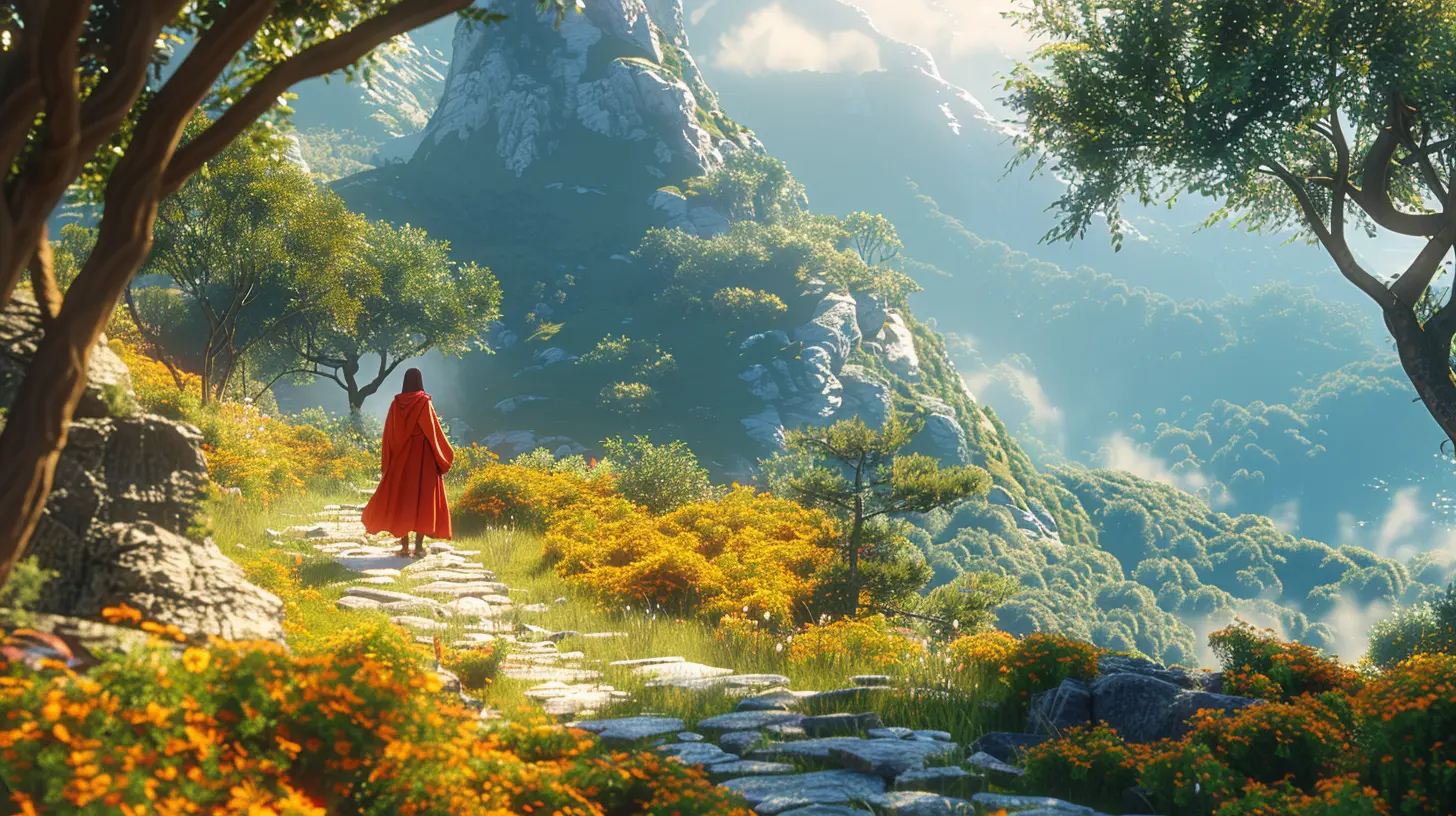
Signs of a Poorly Balanced Progression Path
Now that we’ve sung the praises of well-designed progression, let’s talk red flags. These are the moments when your gut says, “Something’s just not right.”- Sudden difficulty spikes that feel unfair, not challenging
- Grind-heavy gameplay with little to no payoff
- Lack of feedback on how you’re doing or where to go next
- Overpowered weapons/skills too early or too easily obtained
- No room for personal growth via skill builds or item choices
If you’re groaning instead of grinning every time you level up, the progression path probably needs work.
How Developers Can Get It Right
Alright devs, this one’s for you. Whether you're building an RPG, FPS, or cozy life sim, here’s how to craft that well-balanced dream path:1. Playtest like crazy. Watch how real players engage with your systems.
2. Use player feedback. Community insights are gold—especially when it comes to difficulty and pacing.
3. Implement progression curves. Use analytics to map player performance and tweak encounter rates, XP gains, etc.
4. Keep content layered. Introduce mechanics gradually. Let players master one thing before introducing another.
5. Offer different routes. Let progression feel personal, not cookie-cutter.
A good progression path isn’t just functional—it’s fun. And that’s your north star.
How to Tell If a Game You’re Playing Has Good Progression
If you’re just a player trying to figure out if a game is worth your time, ask yourself:- Am I excited to keep playing?
- Does each hour feel better than the last?
- Are new challenges popping up at the right pace?
- Do I feel like I’m improving with the game?
If you answered "yes" to most of those—congrats. You've probably landed on a game with a well-balanced progression path.
And if not? Well, you’ll know what to look for next time.
Final Thoughts
Progression in games is like seasoning in food. You can’t always see it, but you know when it’s done right. It elevates everything, from combat to story to exploration.A well-balanced progression path keeps us engaged, pushes us forward, rewards our efforts, and, most importantly—makes the journey worth it.
So the next time you fire up a game or design one, pay attention to that climb. Is it thrilling? Is it satisfying? Is it fair?
Because at the end of the day, progression isn't just about getting stronger—it’s about getting better together with the game.
all images in this post were generated using AI tools
Category:
Game ProgressionAuthor:

Avril McDowney
Discussion
rate this article
1 comments
Pearl Baxter
Great insights on balanced progression! I appreciate the focus on player experience and pacing. It's crucial for keeping players engaged throughout the game.
July 13, 2026 at 4:13 AM
Avril McDowney
Thank you! I'm glad you found the insights helpful. Player experience is definitely key to sustained engagement.