How Game Progression Affects Replayability
27 July 2026
Ever finished a game and thought to yourself, “I need to do that all over again”? Yeah, you’re not alone. Replayability—the desire to jump back in and experience a game anew—has become a hot topic in the gaming community. And while things like story, characters, and art style play their parts, there’s one often overlooked factor that has a massive impact: game progression.
So, how exactly does game progression affect replayability? Let’s dive into it.
What Is Game Progression, Anyway?
Before we get ahead of ourselves, let’s break this down. Game progression is how a game moves forward—how a player levels up, unlocks new areas, learns new skills, or reveals more of the story. It’s the backbone of a game’s journey, and it determines how fast or slow you evolve in the game world.Think of it as a road trip. Some games give you a straight highway—you go from Point A to B. Others hand you a map with side roads, hidden paths, and lots of choices. That difference? It’ll play a huge role in whether you want to take that trip again.
The Replayability Factor: Why We Go Back
Replayability is all about the question: “Would I enjoy doing this again?” It involves a bunch of things—like player choice, randomness, emotional investment, and yeah, progression.Here’s the kicker: if progression is too linear, too repetitive, or just plain boring? You’re probably not coming back.
But if it’s dynamic, rewarding, and different each time? You’ll be itching for round two. Or three. Or, let’s be honest—ten.
Linear vs. Non-Linear Progression
Linear Progression: The One-Way Highway
Games with linear progression follow a predetermined path. Each player experiences the game in more or less the same way. Think of classic titles like the original “Uncharted” or “God of War” (pre-2018 reboot). Amazing stories. Tight gameplay. But once you’ve finished? The mystery’s mostly gone.Sure, you might come back for nostalgia. But the experience won’t change much. And that predictability hurts replayability.
Non-Linear Progression: The Scenic Route
Now, non-linear games? Whole different beast. You’ve got multiple paths, optional missions, and choices that impact the outcome. Think “Skyrim,” “The Witcher 3,” or “Mass Effect.”Every playthrough feels fresh because you’re not just following a script—you’re writing it. Maybe you saved the village last time. This time, maybe you burn it down (no judgment).
Non-linear progression creates variety, and variety keeps us hooked.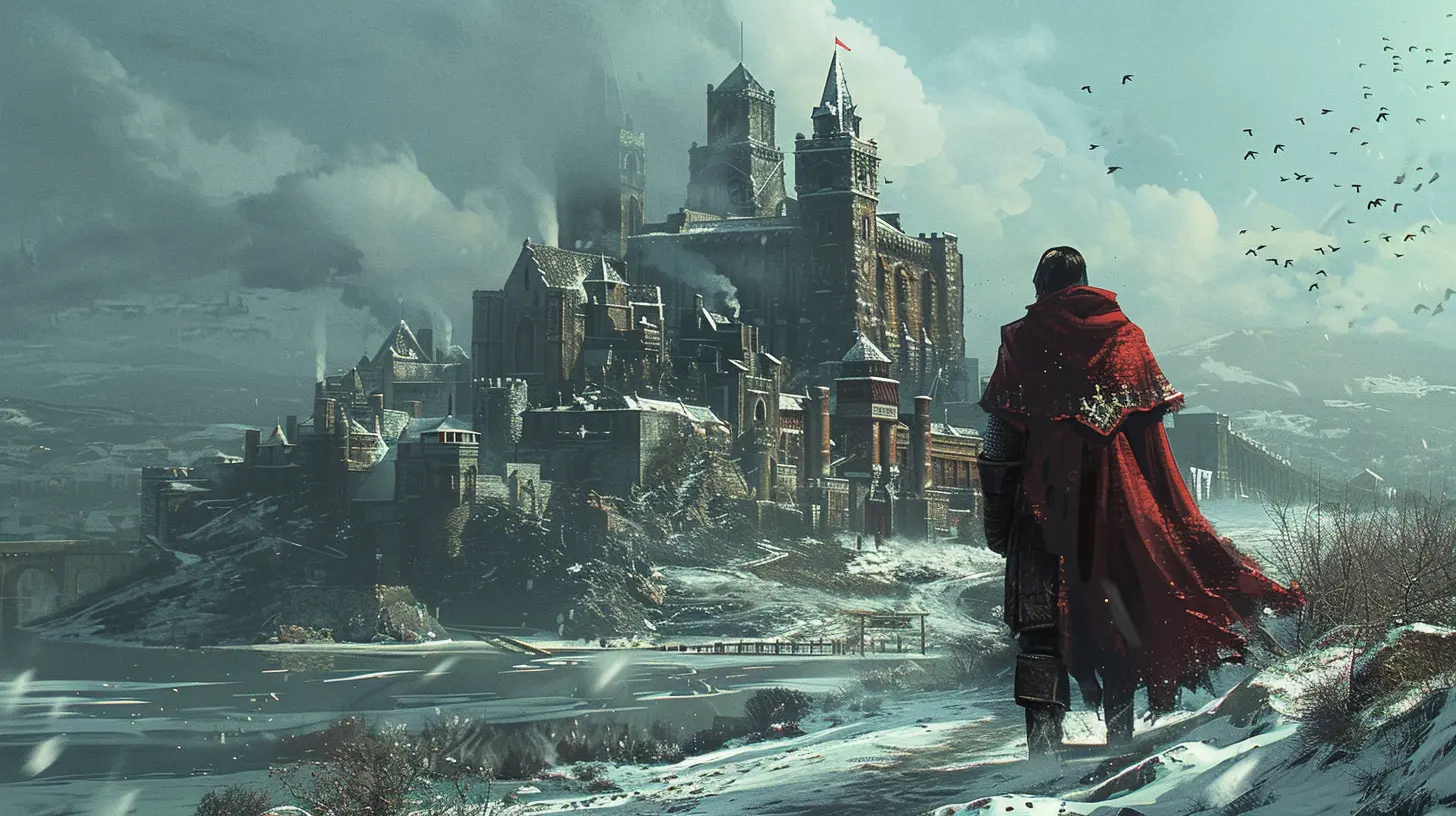
Choice-Based Progression Systems: Your Decisions Matter
Let’s talk about games that remember what you do. Titles like “Detroit: Become Human” or “Until Dawn” thrive on player choice. These games are built on branching narratives where your decisions shape the story and its ending.Why does this boost replayability?
Because you want to know what happens if you choose differently. It’s like those “Choose Your Own Adventure” books from back in the day. You can’t help but flip back and see what you missed.
When a progression system reflects your actions, it becomes personal. And personal experiences? They’re worth repeating.
RPG Elements & Character Builds
Who doesn’t love leveling up? RPG mechanics like skill trees, stat boosts, and gear upgrades make progression juicy. They let you build your character your way. Sword-wielding maniac? Go ahead. Stealthy archer? Why not?Games like “Dark Souls,” “Elden Ring,” or “Cyberpunk 2077” offer multiple paths to power. You're not just beating the game—you’re customizing how you beat it.
That kind of flexibility makes players want to come back and try new builds, new approaches, or even harder difficulties.
Unlockables and Secret Content
Let’s talk collectibles, unlocks, and Easter eggs. Games that hide content behind achievements, side quests, or post-game modes feed our need to dig deeper.You didn’t find all 120 stars in “Super Mario 64”? No worries—you’re diving in again. Missed a secret ending in “Nier: Automata”? Time to replay.
When progression is tied to discovery, it gives you a reason to revisit and explore every nook and cranny. That sense of mystery? It's addictive.
Procedural Generation: New Every Time
Some games take replayability to the next level with procedural generation. Think roguelikes like “Hades,” “Dead Cells,” or “Enter the Gungeon.” These games shuffle the deck each time you play. New maps, new loot, new enemy combos.The progression might reset partially or fully with each run, but you gradually unlock new tools and upgrades—what we call meta-progression. That means even if you die (a lot), you still inch forward.
It’s like playing a new game every time, and that’s a powerful hook.
Sandbox and Open-World Games
Open-world games throw out the rulebook. You’re free to explore, take on missions in any order, and interact with the world however you see fit.Titles like “Minecraft,” “GTA V,” or “Red Dead Redemption 2” shine here. You’re not bound to a single storyline or mission path. Want to farm crops? Go for it. Steal cars and cause chaos? Have fun.
The freedom of progression makes each player’s journey unique—and that naturally invites repeat playthroughs.
Emotional Progression: Not Just XP
Let’s not forget the emotional side. Some games hook us by how they make us feel. Story-driven games like “The Last of Us” or “Life is Strange” change us as they progress. We grow attached to characters, we face moral dilemmas, and we remember choices that hit us in the gut.Sure, these games might be more linear. But the emotional storytelling can still lure us back. We replay not just to see what changes, but to feel it all over again.
The Role of Difficulty in Progression
Remember when you breezed through a game, then tried it on hard mode and got wrecked? That’s difficulty-based progression in play.Multiple difficulty levels can totally reshape a game’s experience. Some titles like “Resident Evil” or “DOOM Eternal” even change enemy behavior or spawn rates based on difficulty.
Beating a game on “Normal” is one thing. But “Nightmare” mode? That’s a whole new mountain to climb.
Player-Driven Goals and Self-Imposed Challenges
Sometimes, replayability doesn’t come from the game itself—it comes from the community. Think speedruns, “no hit” challenges, or “pacifist” playthroughs.Games with flexible progression systems allow for creative self-imposed challenges. These aren’t dev-created, but they’re part of the ecosystem now.
Minecraft survival islands, Pokémon Nuzlocke runs, “Dark Souls” with a Rock Band guitar controller—yep, it’s a thing.
If the game’s progression can bend to your will, replayability skyrockets.
Multiplayer Progression Systems
Even in multiplayer games like “Fortnite,” “Overwatch,” or “Destiny 2,” progression matters. Leveling up, unlocking skins or weapons, climbing the ranks—it keeps players engaged long after the first match.And with seasonal updates and battle passes, there’s always something new on the horizon. The progression is ongoing, and so is the incentive to keep playing.
Burnout and When Progression Goes Wrong
Not all progression is good progression. When it feels like a grind—like you’re doing the same thing over and over with no real payoff—it kills replayability.Games that stretch progression for the sake of playtime (we’re looking at you, some mobile games) end up pushing players away. It’s got to feel rewarding, not exhausting.
Balance is key here. Progress should feel earned but exciting—not like a second job.
Conclusion: Progression Is the Heartbeat of Replayability
At the end of the day, progression is more than just leveling up or unlocking new gear. It’s how we experience the game, how we grow within it, and how much the game wants us to come back for more.Whether you’re navigating a branching storyline, trying a new build, uncovering secrets, or just chasing high scores—how a game handles progression can mean the difference between a one-and-done and “just one more playthrough.”
So the next time a game gets its hooks in you and you find yourself booting it up again—even after the credits rolled—take a second to think about why.
Chances are, the progression led you there. And it’s inviting you to stay.
all images in this post were generated using AI tools
Category:
Game ProgressionAuthor:

Avril McDowney