How Big Budgets Shape the Future of Gaming
14 January 2026
Gaming has come a long way from pixelated plumbers and blocky battlefields. Today, it's a multi-billion-dollar industry that rivals Hollywood. But what really drives this evolution? One word: money. Big budgets are reshaping how games are made, how they're played, and even how we perceive entertainment as a whole.
In this article, we’re diving deep into how big money is changing the gaming landscape. We'll unpack how huge financial investments impact creativity, game design, technology, marketing, and more. So grab your virtual sword (or controller), and let’s journey through the world where money talks louder than ever before.
The Rise of $$$ in Gaming
Let’s start at the top. Big budgets in gaming aren't a new concept, but they’ve exploded in recent years. Games like Grand Theft Auto V, Red Dead Redemption 2, and Cyberpunk 2077 had production costs that outstripped many Hollywood blockbusters—sometimes crossing $300 million.So, where does all that money go?
- Development teams: Massive studios hire hundreds—even thousands—of developers.
- Graphics and motion capture: Realistic visuals don’t come cheap.
- Voice acting and storytelling: Hiring A-list actors is now routine.
- Marketing: Pre-release trailers, influencer tie-ins, events—they all cost major cash.
But is throwing boatloads of cash always a good thing? Let’s break it down.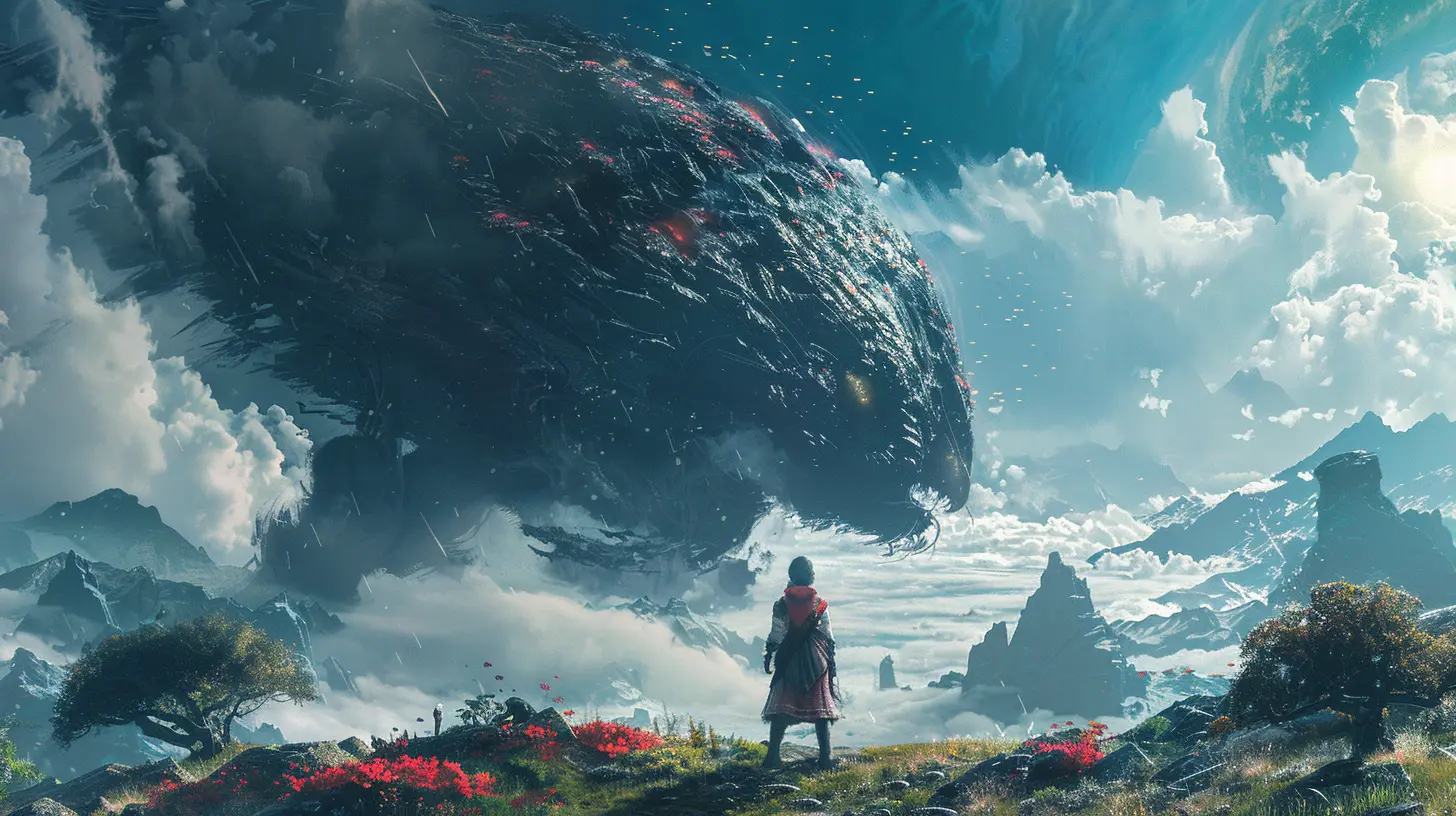
The Pros: When Big Budgets Fuel Greatness
1. Jaw-Dropping Graphics and Realism
Remember when clouds in games looked like floating mashed potatoes? Not anymore. Today’s AAA games look almost photo-realistic thanks to advanced rendering engines, ray tracing, and gigantic art teams. Games like The Last of Us Part II or Horizon Forbidden West wouldn’t be possible without hefty funding.Big budgets allow developers to:
- Build detailed open-world environments
- Capture facial emotions with uncanny accuracy
- Create lifelike weather, lighting, and textures
The result? Visually cinematic experiences that blur the line between games and movies.
2. Epic Storytelling and Deeper Worlds
With more money, writers and narrative designers can craft tales that rival the best films and TV shows. Think of the branching plots in Mass Effect or the emotional rollercoaster in Red Dead Redemption 2. These aren’t simple “go here, shoot that” games—they’re stories with heart, depth, and consequence.Bigger budgets provide:
- Richer dialogue and voiceovers
- Complex character arcs and backstories
- Longer game times with meaningful content
So, more money often equals more immersion.
3. Better Tech and Innovation
Cash is king when it comes to pushing boundaries. Big studios can afford to experiment with new tech like:- AI-driven NPCs
- Procedurally generated environments
- Seamless open worlds with no loading screens
Remember No Man’s Sky? While its launch was rough, continuous investment helped it evolve into a groundbreaking experience. Big budgets allow studios to take risky ideas and turn them into polished gems—eventually.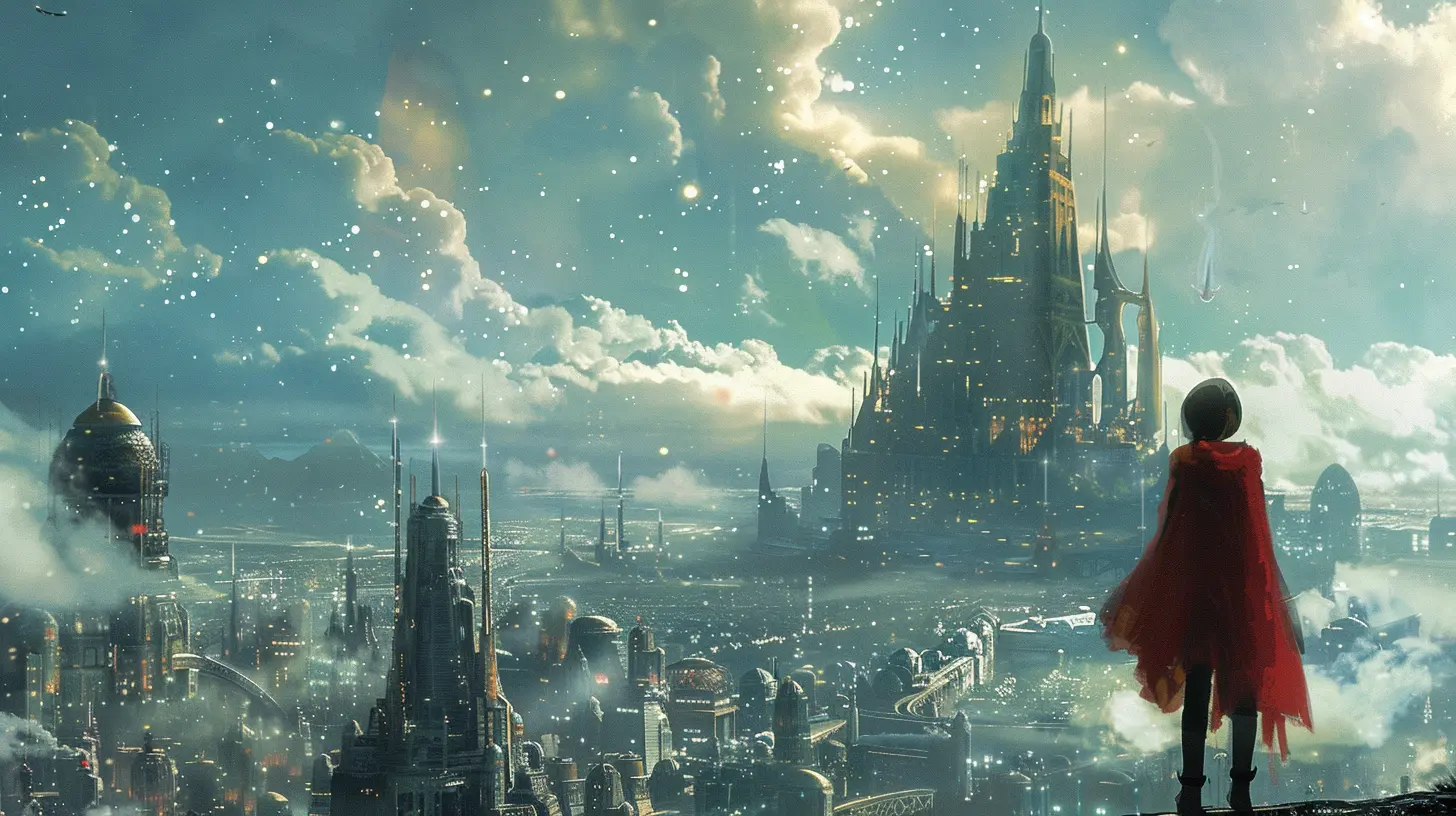
The Cons: When Big Budgets Hold Games Back
More money, more problems? Yup, sometimes. Bigger isn't always better, and there are definite drawbacks to high-budget game development.1. Risk Aversion = Less Innovation
Ironically, with more at stake financially, publishers often play it safe. They’d rather reskin a proven formula than bet big on something fresh. That’s why we’ve seen a flood of sequels, remakes, and battle royale clones.Instead of innovating, studios sometimes:
- Stick to familiar mechanics and storylines
- Copy what works (aka "the Fortnite effect")
- Prioritize profitability over creativity
This “blockbuster syndrome” can choke out fresh ideas from smaller studios.
2. Crunch Culture and Burnout
Behind that shiny new AAA game? Exhausted developers working insane hours. Known as "crunch," this practice has come under fire. Studios push teams to their limits to meet deadlines and justify those giant price tags.Sure, the end product looks amazing, but at what human cost?
- Lower job satisfaction
- High turnover
- Mental and physical health issues
Throwing money at a game doesn’t always mean it was made responsibly.
3. Bloated Games with Empty Content
Ever played a game that lasted 100 hours... but only 20 of them were fun? Bigger budgets often mean “we need to justify this price point,” so developers pack games with side quests, collectibles, and filler content.The result?
- Repetitive missions
- Grinding for gear or currency
- Open worlds that feel empty despite their size
Just because a game is massive doesn’t make it meaningful.
Indie Games: Small Budgets, Big Impact
Here’s where things get interesting. Not every game needs a $200 million budget to shine. In fact, indie developers are often the ones pushing boundaries, simply because they can take risks without boardroom approval.Think of:
- Hades – A roguelike with heart, style, and substance
- Undertale – A quirky RPG that flipped genre norms
- Stardew Valley – Made by one person; loved by millions
These games prove that creativity isn’t limited by budget. Sometimes, having less money forces devs to sharpen their ideas and polish the gameplay loop. That kind of focus can lead to innovation that big-budget studios can’t—or won’t—match.
The Future: What’s Next in Big Budget Gaming?
With the rise of cloud gaming, virtual reality, and live-service models, budget allocations are shifting once again. But the influence of big money isn’t going anywhere. In fact, it’s only growing.1. Subscription Services and the Netflix-ification of Gaming
Game Pass, PlayStation Plus, EA Play—these aren’t just buzzwords. Subscription models funded by deep corporate pockets are changing how games are distributed and played.This could mean:
- Easier access for players (hooray!)
- Pressure on developers to create “evergreen” content
- Focus on retention over artistic vision
Is it good? Bad? Bit of both.
2. Cinematic Experiences and Cross-Media Expansion
Games aren’t just games anymore. They’re TV shows (The Witcher), movies (Uncharted), and whole transmedia empires. Big budgets help turn one successful title into a global brand.Expect more:
- Tie-in merchandise
- Netflix adaptations
- Crossovers with other entertainment genres
Who knows? Your favorite FPS might become the next anime hit.
3. AI, Machine Learning, and Procedural Game Design
AI is shaking things up, and that includes how games are made. Developers are starting to use machine learning to:- Generate realistic voiceovers
- Create smarter NPC behavior
- Build worlds dynamically
This tech doesn't replace artists but gives them new tools—especially those big teams with the budget to explore cutting-edge ideas.
But What About The Players?
So where do we, the gamers, fit into all of this? Big budgets have undeniably given us amazing experiences, but they’ve also changed some core dynamics.- Higher expectations: Gamers now demand polished, cinematic experiences.
- Impatience: Delays cause outrage, even when they’re necessary.
- Monetization: Microtransactions, DLCs, and battle passes often feel like money grabs.
Ultimately, players hold more power than ever. Where we spend our time and money directly influences where the industry goes next.
Love indie games? Support them. Want quality over quantity? Skip the cash-grab sequels. The future of gaming isn’t just shaped by big budgets—it’s shaped by us.
Final Thoughts: Money Talks, But Passion Sings
Here’s the deal. Big budgets are both a curse and a blessing. They can lead to groundbreaking masterpieces or soulless cash cows. The key is balance.When money meets vision, we get magic—games that stay with us long after the credits roll. But when money becomes the sole driver? That’s when innovation stalls and creativity suffers.
So whether you're playing the next $300 million AAA title or a $15 indie gem, remember: the best games are made with passion, not just a paycheck.
all images in this post were generated using AI tools
Category:
Aaa GamesAuthor:

Avril McDowney
Discussion
rate this article
2 comments
Uma Garcia
Big budgets: where pixels meet profits and fun gets fancy!
January 17, 2026 at 3:43 PM
Avril McDowney
Absolutely! Big budgets not only elevate production quality but also enhance player experiences, driving innovation in gaming.
Octavia McAleer
Big budgets are revolutionizing the gaming landscape, fueling creativity and innovation like never before. As developers harness cutting-edge technology and storytelling, we’re witnessing a new era of immersive experiences that will redefine what gaming can be. The future is limitless!
January 16, 2026 at 4:28 PM
Avril McDowney
Absolutely! Big budgets are indeed transforming the gaming industry, enabling unprecedented creativity and innovation. This investment is paving the way for immersive experiences that challenge and redefine gaming as we know it. The future looks incredibly promising!