Exploring Moral Choices in Today’s Biggest Games
4 July 2026
Let’s be honest—modern video games are more than just button-mashing chaos and eye-popping graphics. These days, some of the most compelling titles make us pause, reflect, and sometimes even squirm in our seats. Why? Because they ask us to make moral choices.
Yeah, I’m talking about those split-second, butterfly-effect decisions where you’re not sure if you're being the hero, the villain, or something awkwardly in between. Moral choices in games have become a massive deal—pushing storylines, shaping character arcs, and making players like us ask: “Did I just do the right thing?”
So, grab your controller, keyboard, or whatever your weapon of choice is. We’re diving headfirst into how today’s biggest games are making morality a core part of the experience—and why that’s actually pretty epic.
Why Moral Choices Matter in Gaming
You know that feeling when you watch a really intense episode of your favorite show and you're like, “Wait, did they really just do THAT?” Games are now giving us that energy—but they’re putting us in the driver’s seat.Unlike movies or TV, games let us shape the narrative. Choices aren’t just dialogue options anymore. They’re full-blown forks in the road, and the outcomes? They can hit hard. Think relationships changing, environments adapting, and even entire endings flipping depending on your calls.
Let’s face it: games are giving us the power to be gods—or, at the very least, some kind of morally flexible superheroes.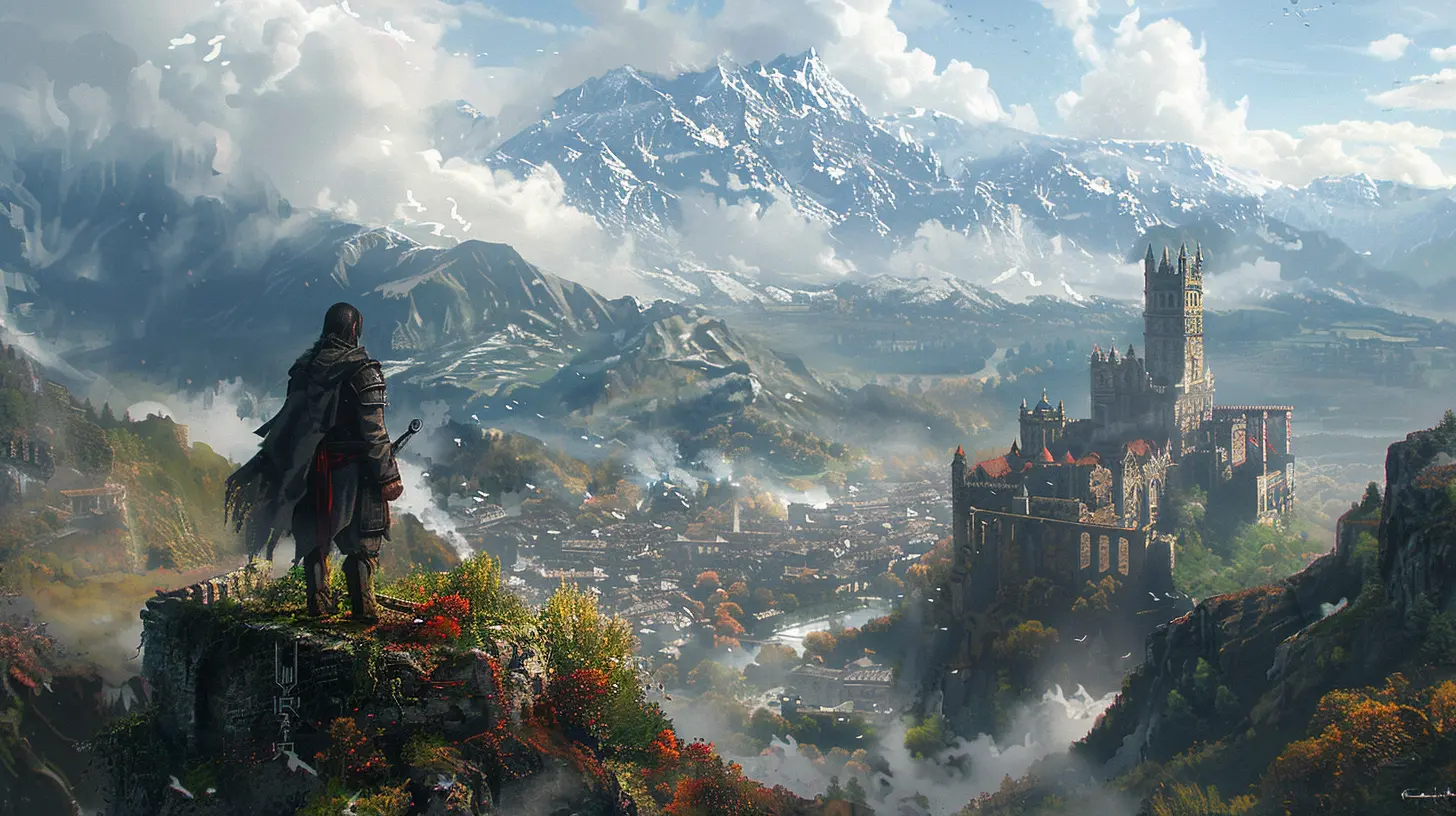
The Good, The Bad, and The Grey Area
One of the coolest parts of moral decision-making in games is that they don’t always paint things in black and white.Sure, you have the classic “save the puppy or rob the bank” kind of choices. But the best games? They throw you into the grey zone. Hard.
Suddenly, you're not just choosing between good and evil. You're choosing between survival and sacrifice. Between loyalty and justice. And sometimes? Between what’s right and what’s... just right for you.
Games are starting to act like psychological mirrors. We’re not just playing characters—we’re exposing parts of ourselves without even realizing it.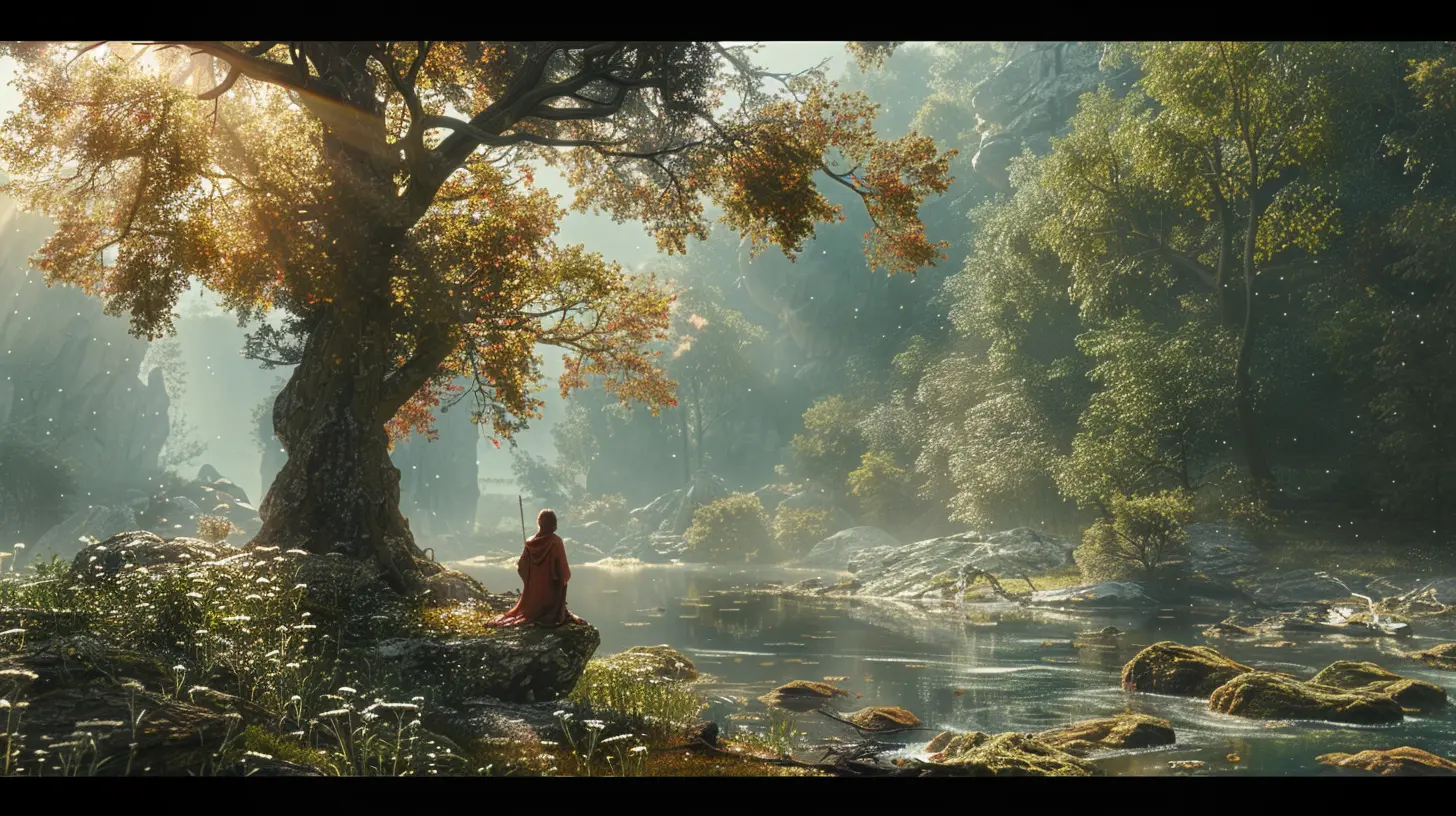
Top Games That Nail Moral Choice Mechanics
Alright, time to spotlight the big hitters. These games didn’t just toss in a few “choose A or B” moments. They built entire worlds around choice and consequence.1. The Witcher 3: Wild Hunt – Morally Grey Never Looked So Good
Geralt isn’t your average hero. He’s not here to preach. He’s here to get paid (and maybe slay some monsters).In The Witcher 3, moral choices aren’t always clear-cut. Save the cursed woman or kill her before she becomes a monster? Let a town live with guilt or reveal a dark truth? Every decision feels weighty because the game respects your intelligence. It doesn’t mark the "good" or "bad" choice. You figure that out—sometimes too late.
Plus, the consequences? They’ll sneak up on you hours later like a plot twist you never saw coming.
2. Red Dead Redemption 2 – Outlaw with a Heart?
Arthur Morgan’s story is one of the most emotionally weighty narratives in gaming. Rockstar didn’t just craft a cowboy simulator—they gave us a morality sandbox the size of the Wild West.Should you rob another train or help a stranger on the side of the road? Do you turn in your gang or ride till the wheels fall off?
Your choices shape Arthur’s development, and his honor system keeps track. And by the end? Your path determines whether he goes down a guns-blazing outlaw or finds redemption in his final days.
Talk about poetic justice.
3. Detroit: Become Human – Every Choice Feels Like a Punch to the Gut
Quantic Dream took the concept of choice and just said, “Let’s raise the stakes.”Detroit: Become Human throws you into the robot revolution, and every line you say, every step you take—yep, even the awkward pauses—can change the outcome drastically.
You’re juggling protests, court cases, and literal human rights movements. You’re not just choosing between outcomes—you’re shaping history. And guess what? There’s no rewind button unless you start over.
High stakes, high impact.
4. Mass Effect Series – Space Drama With Moral Weight
Commander Shepard isn’t just saving the galaxy—they’re managing friendships, politics, romance, and good ol’ alien diplomacy.Every choice matters in Mass Effect. From deciding who lives or dies to how you interact with your crew, these decisions echo through all three games. That’s right—choices you made in Game 1 can completely change the storyline in Game 3.
Moral decisions here aren’t flashy—they’re personal. And that’s what makes them hit so hard.
5. Life is Strange – Teen Drama Meets Time-Manipulating Guilt
If you ever wanted to live through gut-wrenching choices while dealing with time-travel and teenage angst, Life is Strange is your jam.You play as Max, who gets the ability to rewind time. Sounds fun, right? Until you start realizing that even going back and “fixing” your choices has consequences.
This game is all about butterfly effects. Every action twists the story, and you never fully know what damage you're doing until it’s too late.
How Games Turn Us Into Moral Philosophers (Kinda)
Let’s get real for a sec. No, games won’t replace your ethics professor. But they make us think in ways we usually don’t while chilling on the couch.Games are interactive, so we’re not just watching someone make tough decisions—we’re making them. That’s why they hit deeper.
When Fallout 4 asks us whether we’ll side with a rebellious faction or the ruling government, it’s really asking: “What kind of future do you believe in?” When you kill or spare someone in Assassin’s Creed, it’s saying: “Where do you draw your line?”
These aren’t easy questions. But man, games make them fascinating.
Why We Love Making Choices (Even When They're Brutal)
Ever spent 10 minutes staring at the screen, hovering between two dialogue options? Been there, done that. It’s because we crave agency. We want to feel like our actions matter, even in virtual worlds.Moral choices scratch that itch. They make the game feel tailored to you. Your story is different from your friend’s story—even though you're both playing the same game.
And let’s be honest, who doesn’t love comparing endings and saying, “Wait, YOU let that character die? Savage!”
Are Games Getting Better at Handling Morality?
Short answer? Yeah, big time.Early morality systems were pretty basic. Remember those “good vs. evil sliders”? Do a bad thing, you get horns. Save a cat, you get a halo. It was fun, but let’s be real—it was a little cartoonish.
Now? Games are nuanced. Consequences aren't always instant. Sometimes the "right" choice ends in heartbreak, and the "wrong" one feels painfully justified.
Developers are taking real-world issues—racism, war crimes, class struggles—and folding them into gameplay. Whether it’s standing up against oppression in Cyberpunk 2077 or navigating personal trauma in Hellblade: Senua’s Sacrifice, modern games are daring to go deep.
Moral Fatigue: When Too Many Choices Backfire
Let’s not sugarcoat it—sometimes, all these choices can get... exhausting.Ever found yourself just clicking options to move the story forward? That’s “moral fatigue”—when too many tough decisions start to wear you down.
Some games still struggle to balance meaningful choices with player pacing. If everything is a life-or-death moral dilemma, it can start to feel kinda numb. Like eating cake every day—eventually, it’s not special anymore.
The best games give us breathing room. They know when to hit us with the hard stuff and when to let us just enjoy the ride.
The Future of Morality in Games
So where do we go from here?AI is already creeping into story-driven games, adapting narratives in real-time based on our choices. Imagine a game that learns your morality tendencies and pushes you to challenge them. Scary? Yes. Cool? Absolutely.
We might even see games with dynamically shifting ethics systems—where the definition of “good” evolves based on your world-building. That’s next-level storytelling.
Ultimately, the future’s looking bright—and complicated. And we wouldn’t have it any other way.
Final Thoughts: Morality Isn’t Just a Gimmick Anymore
In today’s biggest games, morality is the heart of the experience. It’s no longer about just beating the boss or maxing out your gear—it’s about shaping a narrative that feels real, personal, and uniquely yours. And that’s powerful.So the next time you’re staring at your screen, stuck between saving your companion or sacrificing them for the greater good—just know, you’re not alone. We’ve all been there, second-guessing our digital souls.
And honestly? That’s what gaming’s all about now. Not just playing, but feeling.
all images in this post were generated using AI tools
Category:
Aaa GamesAuthor:

Avril McDowney
Discussion
rate this article
1 comments
Ryan Nelson
Great insights! Moral choices in games definitely shape player experiences and spark meaningful discussions. Thank you!
July 4, 2026 at 4:28 AM
Avril McDowney
Thank you for your kind words! I'm glad you found the insights valuable. Moral choices really do add depth to gaming experiences.