Behind the Music of Classic Video Games
16 July 2026
Let’s take a trip down memory lane—back to those pixelated worlds, those iconic beeps and boops, and that unmistakable rush when a boss battle theme kicked in. You know what I’m talking about. The music of classic video games wasn’t just background noise—it was the heartbeat of the game. Think of it like the secret sauce that made everything taste (or, in this case, feel) just right.
But have you ever wondered how these classic video game tunes were made? Or why they still tug at our nostalgia strings decades later? Let’s go behind the scenes and uncover the rich, layered world of retro game music.
The Limitations That Created Legends
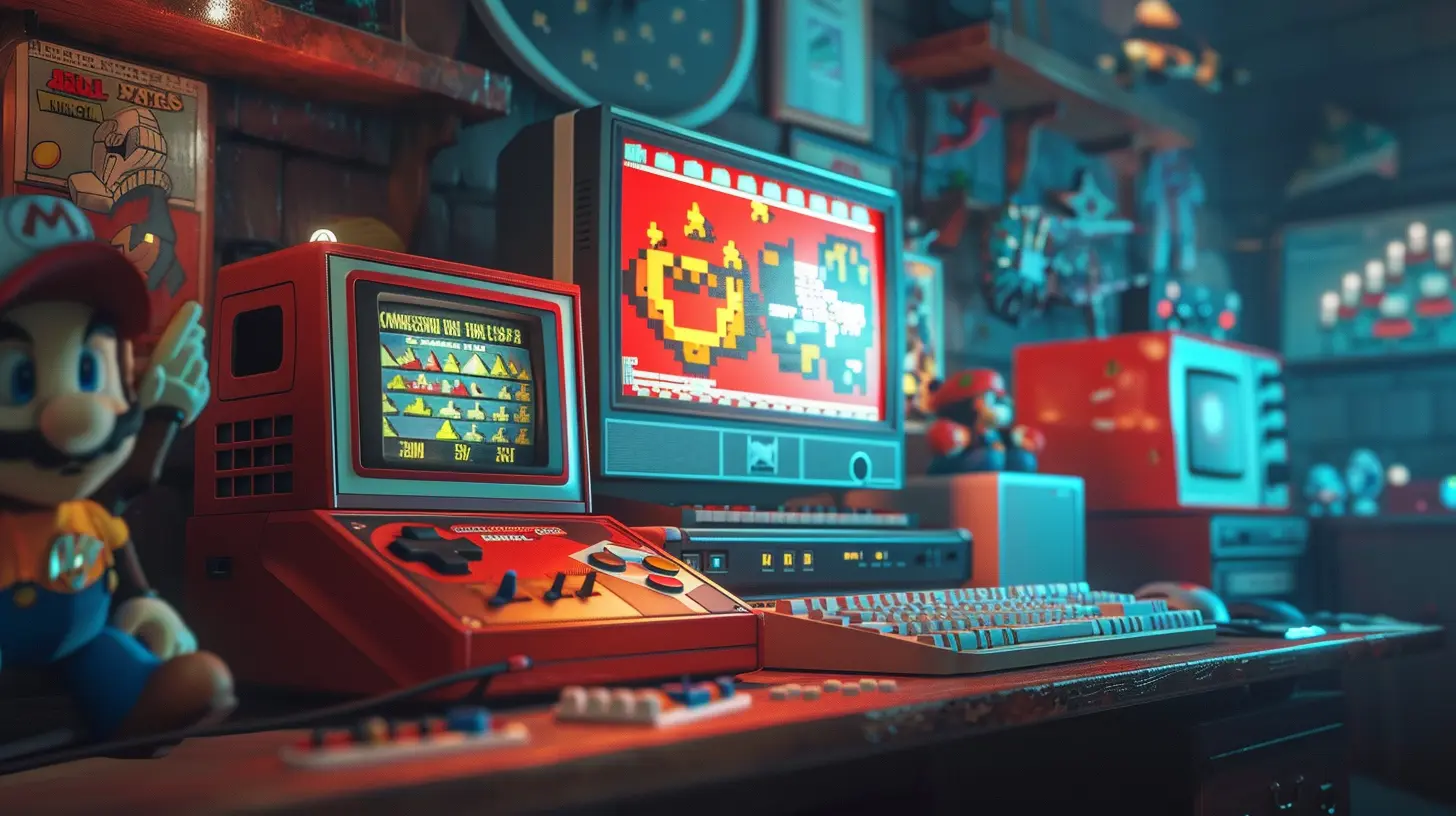
Before we admire the beauty of classic game music, we’ve got to understand the era it was born in. Back in the ‘80s and ‘90s, composers weren’t working with full orchestras or high-end synthesizers. Nope. They were often battling serious hardware limitations.Most consoles—like the NES, Sega Genesis, and even early PCs—only had a few sound channels to work with. For example, the NES had just five audio channels. One for triangle waves (usually the bass), two for square waves (melody and harmony), one for noise (think drum beats), and one for sample playback (used sparingly).
Instead of limiting creativity, these constraints pushed composers to think more like audio magicians. It was like trying to paint a masterpiece using just four crayons—and somehow making it work.
The Tech-Savvy Maestros Behind the Magic
Let’s give some love to the unsung heroes here—the composers. Names like Koji Kondo (Super Mario Bros., The Legend of Zelda), Nobuo Uematsu (Final Fantasy), and Yuzo Koshiro (Streets of Rage) didn’t just make music. They created soundtracks that defined an era.These weren’t just musicians. They were programmers, too. Many early video game composers had to code their own music using hexadecimal notation, writing sound data line by line. Imagine writing a symphony in Excel. Yeah, brutal.
But that’s what makes their work so mind-blowingly impressive. They didn’t just write music—they engineered it.
Iconic Soundtracks That Changed the Game
Let’s highlight a few timeless classics that changed how we hear games.? Super Mario Bros. (NES) – Koji Kondo
When you think of video game music, odds are the Mario theme bubbles up first. It's peppy, instantly recognizable, and perfectly matches the game’s vibe. Koji Kondo created something catchy enough to hum on loop—and it never gets old. His use of syncopation and rhythm synchronization with the game's movements made Mario feel more alive.? The Legend of Zelda (NES) – Koji Kondo
Another Kondo classic, the Zelda overworld theme is adventurous, mysterious, and packed with emotion. It made you believe you were part of an epic quest, even if you were just sitting cross-legged in front of a chunky CRT TV.? Mega Man 2 (NES) – Takashi Tateishi
Every track in Mega Man 2 slaps. But “Dr. Wily’s Stage 1”? That track? Absolute fire. The way it builds, drives energy, and creates tension exploded the idea that 8-bit limitations meant simple melodies. This was concert-level composition crammed into tiny silicon circuits.? Streets of Rage 2 (Genesis) – Yuzo Koshiro
Yuzo brought club music to your living room. Techno, house, and trance vibes flowed in a beat-em-up brawler. Koshiro actually made his own programming language to get the Genesis to produce dance-floor-worthy tracks. Talk about dedication.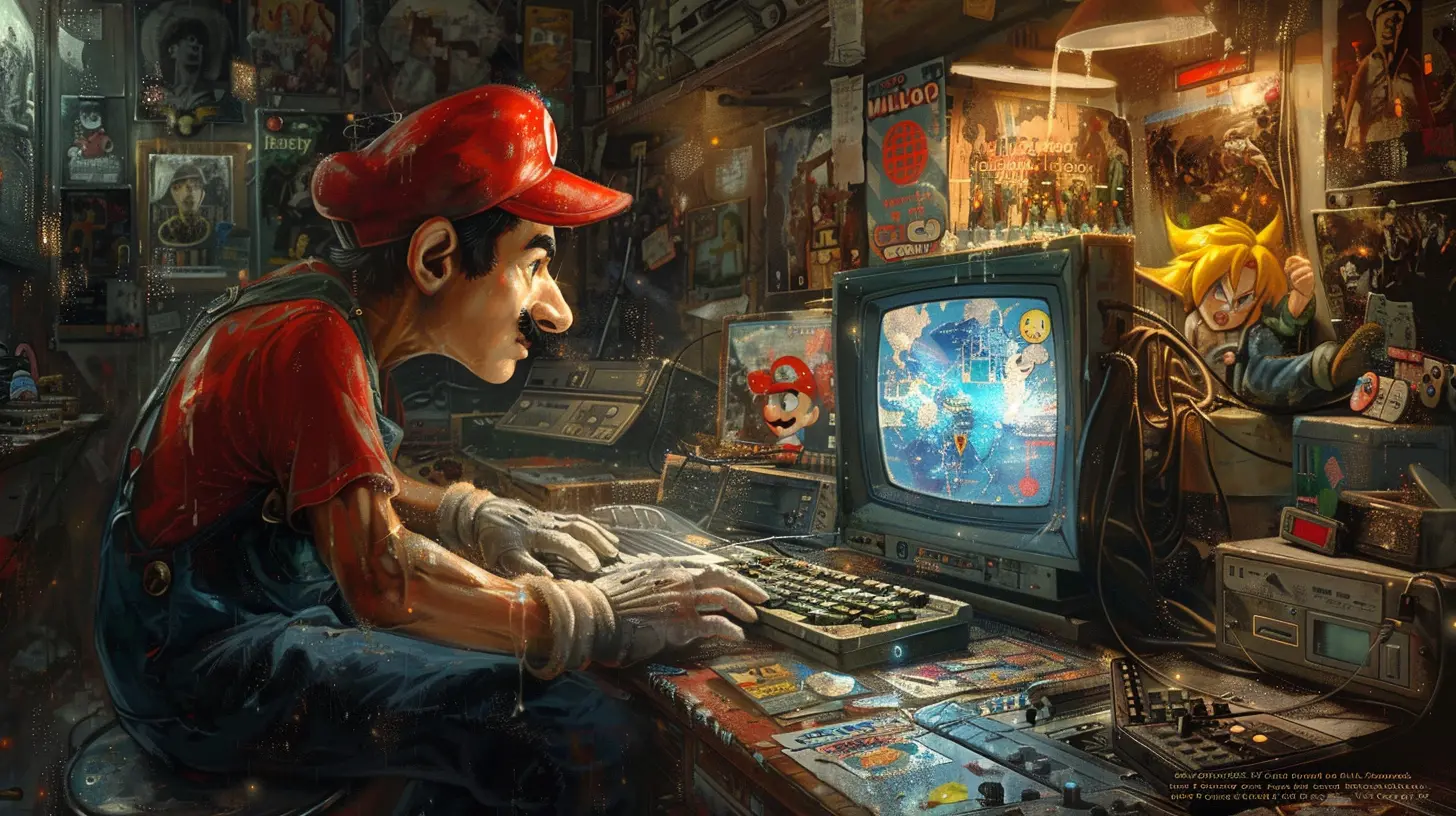
Composing with Purpose: More than Just Tunes
Game music isn’t just about sounding good. It serves a deeper purpose. It sets tone, paces gameplay, and nudges your emotions.Ever noticed how the tempo increases when you're low on time in Mario? Or how unsettling the music in Metroid gets as you venture deeper into alien territory? That’s intentional. That’s storytelling through sound.
The best classic video game music was dynamic before dynamic scores were a thing. It had to be reactive, atmospheric, and loopable—all without driving you nuts after hearing it 50 times.
The Psychology of Nostalgia: Why It Still Hits So Hard
Why does hearing the Green Hill Zone theme from Sonic instantly throw us back to childhood? It’s not just nostalgia for the game but also for the music.Our brains tie memories to sensory experiences. Music is a major trigger. The chiptune melodies of classic games are like time machines. They bring back those long gaming nights, the sleepovers, the rush of finally beating a level after 20 tries.
But it’s not just about memory. There’s a simplicity and purity to early game tracks. They’re direct, emotional, and often more compositionally daring than what we hear in modern AAA titles.
The Chiptune Legacy: From Retro to Revival
Even though tech has evolved, classic game music hasn’t disappeared—it’s evolved. The rise of chiptune—a genre where modern artists use vintage sounds to create music—shows just how influential those old composers were.Artists like Anamanaguchi, 8 Bit Weapon, and even mainstream DJs have dabbled in retro blips and bleeps. Gaming conventions and concerts like MAGFest or Video Games Live now celebrate this pixelated art form, with orchestras playing classic themes to packed halls.
Game devs have also embraced the retro aesthetic. Titles like Shovel Knight, Celeste, and Undertale are heavily inspired by the audio styles of the ‘80s and ‘90s. And let’s not forget how remixes and fan covers flood YouTube and SoundCloud, keeping these tunes alive and constantly reimagined.
How Music Helped Define Game Genres
Believe it or not, the music has helped shape entire genres. Platformers leaned on upbeat, energetic tunes to match their fast pace. JRPGs were filled with sweeping, emotional tracks to support long-form storytelling. Horror games? Yeah, that eerie droning or sudden piano hit made you jump before the monster did.Take Castlevania. Its gothic, rock-infused tunes were integral to setting the mood—a mix of danger, drama, and undead flair. Without the music, it’s just a guy whipping skeletons. With music? It’s an epic saga.
The Real MVPs: Sound Chips That Made It Happen
Let’s not forget the tech MVPs—the sound chips. These lil’ guys may not look like much, but they were the powerhouses behind those iconic tunes.- NES (APU – Audio Processing Unit): Primitive by today’s standards, but revolutionary back then. It gave us square wave melodies and that crunchy 8-bit drum beat.
- Sega Genesis (Yamaha YM2612): A FM synthesis chip capable of complex tones and rich textures. That’s why Genesis music sounds more “electric.”
- SNES (Sony SPC700): This chip allowed for sample-based audio, giving SNES music a more orchestral, cinematic feel.
Each chip had its own “voice,” and composers learned to use them like instruments. The result? Every console had its own sonic identity.
Why Modern Game Music Owes Everything to the Classics
Today, you’ve got games with full orchestral soundtracks, adaptive audio, and dynamic layering. But none of it would exist without the groundwork laid by classic game composers.Think of 8-bit and 16-bit music as the cave paintings of the digital age. Primitive? Sure. But powerful, expressive, and deeply impactful.
Developers today are blending the new with the old. They’re retrofitting modern production techniques with vintage vibes. The golden age of game music isn’t over—it’s just gotten a glow-up.
Final Thoughts: More Than Just Background Noise
So, what’s behind the music of classic video games? Passion. Innovation. Grit. And a bunch of geniuses who turned bleeps and bloops into timeless anthems.These tunes weren’t just made to fill silence. They were the pulse of our adventure, the rhythm of our journey, and the soul of our favorite virtual worlds.
And even now, as tech advances and styles shift, that spirit is still alive. Old-school game music continues to inspire, thrill, and move us. Because good music? It’s timeless—no matter how many bits it’s made of.
all images in this post were generated using AI tools
Category:
Classic GamesAuthor:

Avril McDowney