Accessibility Features in AAA Games Are Finally Improving
24 July 2026
Video games aren't what they used to be—and that’s a beautiful thing. Once a niche hobby defined by clunky controls and limited options, gaming has grown into a global entertainment powerhouse. But it hasn't been perfect. One area that's lagged behind for way too long? Accessibility.
For years, gamers with disabilities have struggled to enjoy titles on the same level as everyone else. Whether it's navigating menus, using complex controls, or just getting past the first level, many AAA games unintentionally left a big chunk of their audience behind.
But here’s the good news: things are finally starting to change. The industry is waking up. Studios are investing more time, money, and passion into building inclusive features. And honestly? It's about time.
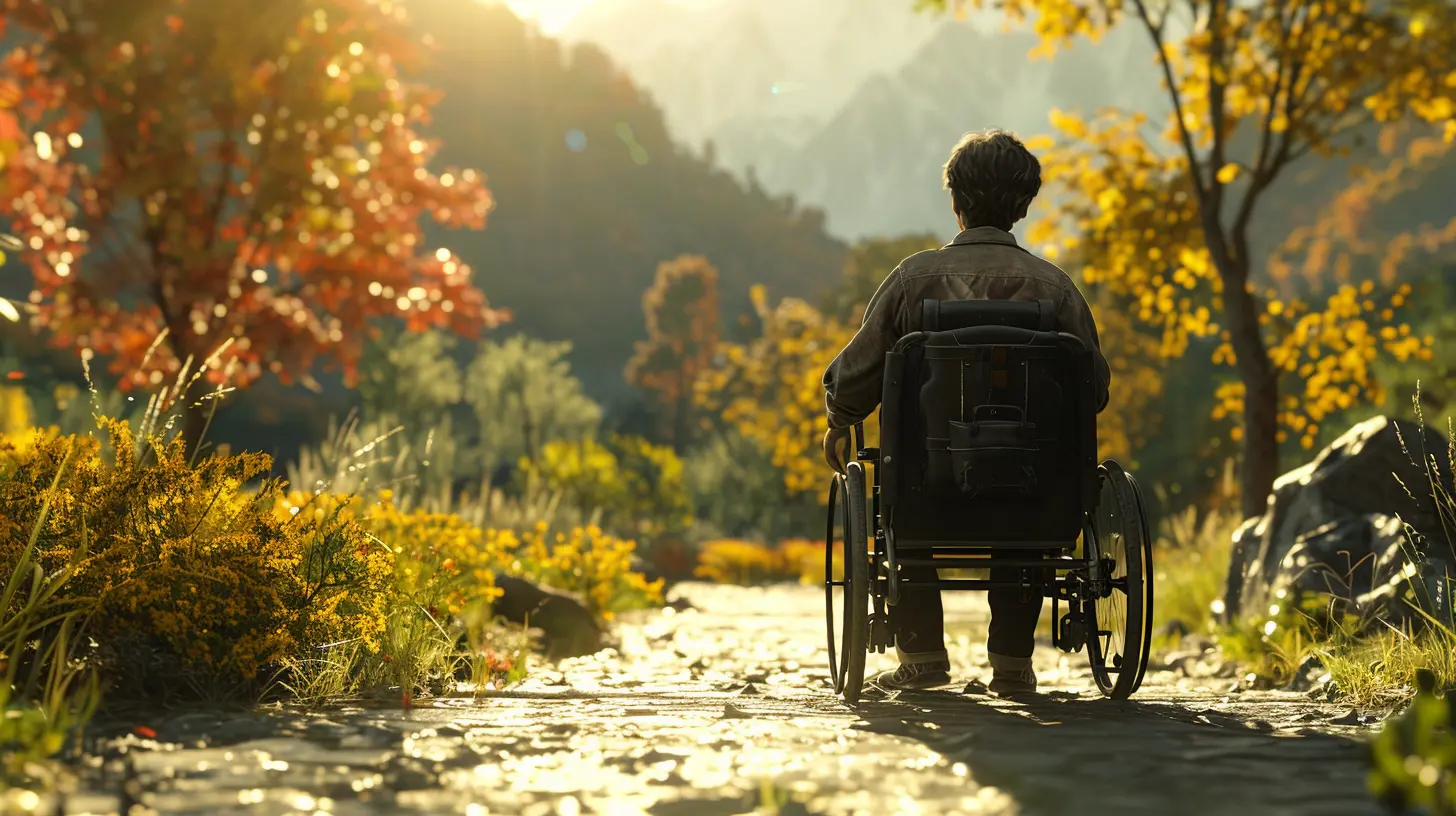
What Does "Accessibility in Games" Really Mean?
Let’s clear this up first. When we talk about accessibility in games, we're talking about design features that help players with disabilities—or just different needs—play and enjoy games more easily.This includes everything from colorblind modes and remappable controls to subtitles, one-handed control schemes, voice navigation, and even adaptive hardware.
And guess what? Making games more accessible doesn’t just help people with disabilities. It actually makes them better for everyone. Don’t believe me? Think about subtitles. Ever had to turn them on because your roommate was being loud? Exactly.
Why Has It Taken So Long?
You’d think with all the money pouring into AAA game development—some budgets rival Hollywood blockbusters—we’d have seen more progress earlier. So, what gives?Well, for a long time, accessibility just wasn’t a priority. Studios focused on pushing graphics, mechanics, and open-world scale. Accessibility? That was viewed as a “nice-to-have” instead of a “must-have.”
Another reason is awareness—or the lack of it. Many devs simply didn’t know how to approach accessibility. The industry didn’t have many guidelines or standards, and disabled gamers didn’t always have a seat at the table during development.
But the landscape is changing fast. And that shift? It's powered by gamers themselves.
Gamer Voices Are Finally Being Heard
The online gaming community has been loud, proud, and persistent. Streamers, influencers, and everyday players have used platforms like YouTube, Twitter, and Twitch to highlight the importance of accessibility.Players with disabilities have shared their struggles, their triumphs, and their ideas for improvement. That visibility has sparked change.
Game devs are finally realizing that accessibility isn’t just good ethics—it’s good business. According to a 2021 report from the World Health Organization, over one billion people live with some form of disability. That’s a lot of potential players. Studios are taking notice.
The Games That Are Getting It Right
Let’s put a spotlight on some AAA titles that are setting the gold standard in accessibility. These games aren't just ticking boxes—they’re building bridges.1. The Last of Us Part II (Naughty Dog)
Honestly, this game didn’t just raise the bar—it launched it into the stratosphere.The Last of Us Part II came packed with over 60 accessibility options. That includes text-to-speech, high contrast modes, simplified controls, and even a full navigational assistance system.
Blind and low-vision players praised the game for being one of the first truly playable AAA titles for them. That’s a huge win.
2. Forza Horizon 5 (Playground Games)
Racing games can be super fast-paced and super unforgiving—but Forza Horizon 5 flipped the script.This game introduced sign language interpreters for its cutscenes. Yup, you read that right. Both American Sign Language (ASL) and British Sign Language (BSL) are baked right into the experience.
Add customizable subtitles, colorblind filters, and a relaxed driving mode, and you've got a racing title that feels welcoming to all.
3. Marvel’s Spider-Man 2 (Insomniac Games)
Insomniac has been slowly building up its accessibility toolkit, and Spider-Man 2 shows just how far they’ve come.The game offers things like slow-motion combat, customizable UI elements, high-contrast visuals, and even fully customizable difficulty levels.
You can fine-tune the experience to suit your comfort and needs—which means more people swinging through New York with ease.
4. Assassin’s Creed Valhalla (Ubisoft)
Ubisoft’s open-world epic didn’t just throw in a few token settings—it provided meaningful options that genuinely help.Players can adjust menu narration, toggle stealth assistance, adjust subtitle size and color, and apply input remapping. Plus, Ubisoft used feedback from disabled gamers during development. That's how you do it.
Hardware Is Evolving Too
It’s not just the games—hardware is finally catching up, too.Microsoft took a big step forward with its Xbox Adaptive Controller. This sleek, customizable device lets players create their own input systems using large buttons and external switches. It’s a total game-changer—literally.
Sony followed suit with the PlayStation Access controller, designed to be fully customizable and adaptable for different needs.
And let’s not forget about third-party innovators. Companies like AbleGamers and SpecialEffect are working closely with developers and players to create custom solutions that break down barriers.
Game Engines & Developer Tools Are Getting Smarter
Accessibility isn't just about slapping on some new options at the end of development. It needs to be baked into the game from the very beginning.That’s where engines like Unreal and Unity come in. Both platforms have started integrating accessibility features directly into their development kits—making it easier for studios to build in support from day one.
Think of it like baking a cake: it’s way better to add sugar while mixing the batter than trying to sprinkle it on after it's already baked.
Crowdsourcing Accessibility: The Power of Community Feedback
One of the coolest trends in gaming accessibility right now is user feedback loops. Studios aren't just guessing what players want—they’re asking.Games like Sea of Thieves and Apex Legends have official accessibility forums. Devs read the comments, run betas, and tweak based on real-world feedback.
It’s like game development with a suggestion box that actually gets used.
There's Still A Long Way To Go
Look, we’re not saying everything’s perfect now—the fight's far from over.Many games still launch without basic options like subtitle customization or controller remapping. And smaller studios, without the budget of AAA titles, often struggle to implement robust accessibility features.
We also need better accessibility across online multiplayer platforms. Voice chat can be a nightmare for deaf players. Quick-time events can be roadblocks for those with limited mobility. These issues aren’t solved by one good launch—they require industry-wide commitment.
Accessibility Should Be the Norm, Not the Exception
At the end of the day, accessibility isn't about niceties—it's about equality. Being able to enjoy a game shouldn’t depend on perfect vision, hearing, or mobility.Games are about immersion, storytelling, challenge, and fun. Everyone deserves the chance to lose themselves in a post-apocalyptic wasteland or fly a starfighter through outer space.
The more inclusive our games become, the more powerful and diverse the gaming community grows. And that benefits everyone.
Let’s stop treating accessibility like a feature and start treating it like a foundation.
Final Thoughts: A More Playable Future
AAA studios are finally stepping up, and it’s honestly inspiring to see. We’ve gone from a few token toggles to fully integrated systems that make games more playable—and more enjoyable—for everyone.But the goal isn’t just improvement. The goal is normalization.
So next time you boot up your favorite blockbuster title and see a whole tab dedicated to accessibility, know this: it didn’t happen by accident. It happened because voices were raised, feedback was heard, and progress was made.
The future of gaming is one where everyone plays. And that’s a future worth fighting for.
all images in this post were generated using AI tools
Category:
Aaa GamesAuthor:

Avril McDowney