Why Some Games Progress Better Than Others
11 August 2026
Let’s just say it how it is—some games rocket to stardom faster than you can say “respawn,” while others stall out like a laggy server on dial-up internet. Ever wondered why? Why do certain titles become obsessions with players clocking in hundreds of hours, while others fade into the background like an NPC with no dialogue?
Grab your energy drink, sit comfortably, and let’s unravel the not-so-secret sauce behind why some games level up like pros and others just get stuck at the tutorial stage.
? It’s Not Just Graphics, It's the Gameplay Loop
Let’s start with the heartbeat of every game—the gameplay loop. You've probably heard this term tossed around in dev blogs and press releases, but what does it really mean?The gameplay loop is the core cycle of actions that players repeat: think shoot, loot, upgrade, repeat. The tighter and more engaging this loop is, the more players want to keep playing. And no, it's not just about non-stop action. A great loop satisfies our little lizard brains by rewarding effort just enough to keep us coming back.
Take Hades, for example. You die (a lot), but each run gives you progress. You earn new abilities, uncover more story, and inch closer to victory. It's like your favorite potato chips—you can’t munch just one.
? The Psychology of Progression
Games that progress better usually tap into psychological triggers. And no, developers aren’t Jedi mind-tricking you (well, maybe just a little).Let’s talk about some of these juicy mental hooks:
- Dopamine Hits: Even small achievements (ding! You’ve leveled up!) give our brains a little dopamine rush.
- Goal-Setting: Clear short-term goals (like quests or challenges) keep motivation high.
- Reward Systems: Loot, skins, skill trees, or that shiny new mount—these things trigger joy and keep you locked in.
Now contrast that with a game that gives you big, unclear objectives and makes you grind for hours without feedback. Yeah, that’s the fastest ticket to Alt-F4 town.
?️ World-Building That Feels Alive
Ever walked into a game world and immediately felt like it was more than just pixels? Like the NPCs have lives, the politics make sense, and the lore is deeper than your last existential crisis?Some games progress better because their universe feels immersive. Think of The Witcher 3—each town isn't just a quest hub. It's a living, breathing world, with gossiping villagers, dynamic weather, and rumors that sometimes lead to terrifying monsters.
Games with lazy world-building feel like cardboard cutouts. The world might be big, but it’s empty. Size doesn’t matter if it’s full of fluff, ya know?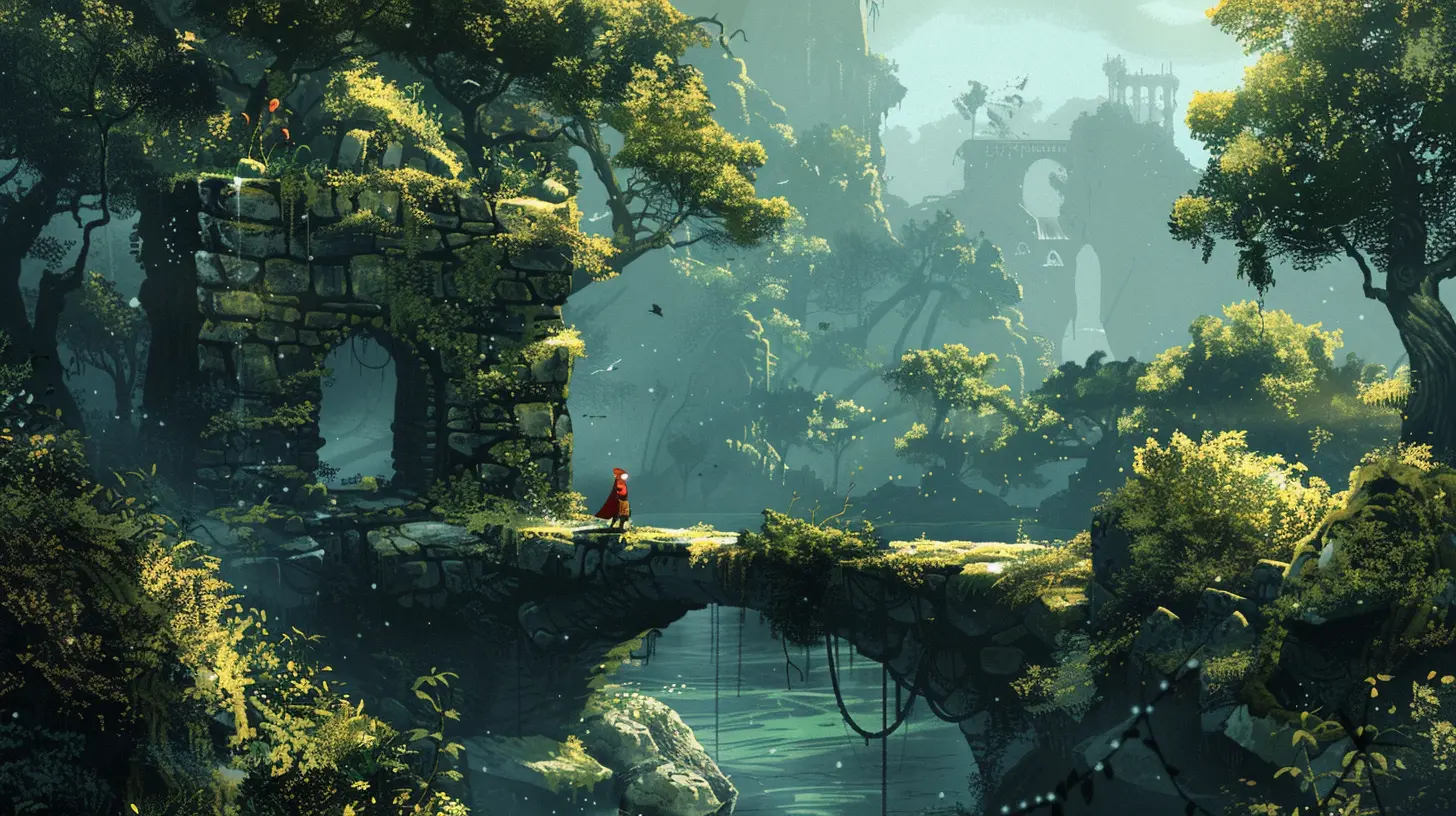
?️ Regular Updates & Active Development
You know that one friend who never texts you back until three weeks later? That’s how it feels playing games that don’t get regular updates.Compare that to games that constantly evolve. Fortnite, love it or hate it, thrives because it reinvents itself every few months. New themes, collabs, weapons—Epic Games keeps things spiced up like a taco on a Tuesday.
Players feel like they’re part of something alive. If devs listen, communicate, and update frequently, they build trust. That’s the kind of game people come back to—and stick with.
? Balance, Balance, Balance (Did I Mention Balance?)
Whether it’s an MMORPG or a 2D side-scroller, balance is key. If a game’s mechanics are as wobbly as a toddler on roller skates, your progression turns into frustration.Here’s the deal:
- Overpowered weapons? Check.
- Unfair matchmaking? Ugh.
- Inconsistent difficulty? Rage quit incoming.
A well-balanced game keeps challenges tough but fair. A little bit of struggle is healthy; it keeps us growing. But if you’re breaking your keyboard because an AI one-shots you every time? Yeah, that’s not fun.
? Monetization That Doesn’t Scream “Cash Grab”
Ah yes, the dreaded microtransactions. Look, developers gotta make money—it’s a business. But when the pay-to-win walls start closing in, your progression becomes less about skill and more about your credit card limit.Games that progress naturally keep you motivated through skill, time, and smart play—not endless shopping lists. The best titles let players personalize and upgrade without having to sell a kidney for that legendary sword.
Let’s raise a toast to games that respect your wallet and your grind.
?♂️ Community Power: Players Make or Break It
Even the most epic game can tank if its community is more toxic than a gas cloud in Apex Legends.But flip that—the games that thrive? Yeah, they usually have a vibrant, active, and helpful community. Think fan art, wikis, Discord servers, memes, and yes, even heated debates about lore.
Games like Stardew Valley spark joy not just because of the gameplay but because the fans feel like family. A strong community drives content, encourages modding, and keeps people logged in well after launch day.
? Variety: Games That Keep You Guessing
You can only swing a sword or match a tile so many times before it starts feeling... meh.Games that progress better usually serve up variety. Whether it's gameplay mechanics, story paths, or environments—change keeps us interested. Look at The Legend of Zelda: Breath of the Wild. One minute you’re paragliding, next you’re solving physics puzzles with magnets. It’s a buffet of mechanics, and it never gets boring.
Contrast this with super-linear games that hold your hand so hard you get digital blisters. Without variety, even the prettiest games feel like paint-by-numbers.
? Storytelling That Actually Pulls You In
It’s not just about quests and cutscenes—it’s how they’re done. Games that have you wiping away a digital tear or laughing like a maniac mid-battle tend to stick in your memory longer.Look at God of War (2018). The father-son dynamic isn’t just emotional fluff—it drives gameplay, exploration, and upgrades. The story is the progression.
Weak narrative? That’s like playing chess where all the pieces are pawns—boring and one-dimensional.
? Innovation: Break the Mold, Not the Game
Finally, the secret spice: originality.Games that stand out—even if they’re a little weird—tend to progress better. Why? Because they offer something new in a sea of clones. Think of Untitled Goose Game. You play as a honking menace causing low-level chaos. It’s hilarious, unique, and people loved it.
When games dare to be different—without forgetting good design—they grab attention and spark curiosity. That’s the kind of progress money can’t buy.
? So, What’s the Game Plan?
If you’ve been wondering why certain games suck you in while others leave you yawning, it really comes down to human psychology, clever design, killer storytelling, and community vibes.✅ Solid, satisfying gameplay loop
✅ Smart progression systems
✅ Engaging world-building
✅ Updates and support
✅ Balanced mechanics
✅ Fair monetization
✅ Player-focused innovation
You don’t need to be a AAA blockbuster to progress well. You just need to respect the player, know what makes them tick, and deliver an experience worth pressing “Start Game” again and again.
So next time you pick up a controller or boot up Steam, ask yourself: “Is this game really designed to progress well—or is it just a pretty face?
all images in this post were generated using AI tools
Category:
Game ProgressionAuthor:

Avril McDowney