Why Some Classic Games Are Better Left Alone
13 March 2026
Gaming nostalgia is a powerful thing. We all have that one game from our childhood that made us fall in love with gaming in the first place. Whether it was the pixel-perfect platformers on the SNES, the bombastic shooters of the PS2 era, or even the early 3D adventures on the Nintendo 64, classic games have a special place in our hearts. But here’s the thing — not every classic needs a remake, remaster, or reboot. In fact, some of them are better left untouched.
So, why are some classic games better left alone? Let’s dig in and see why messing with the past doesn’t always mean improving it.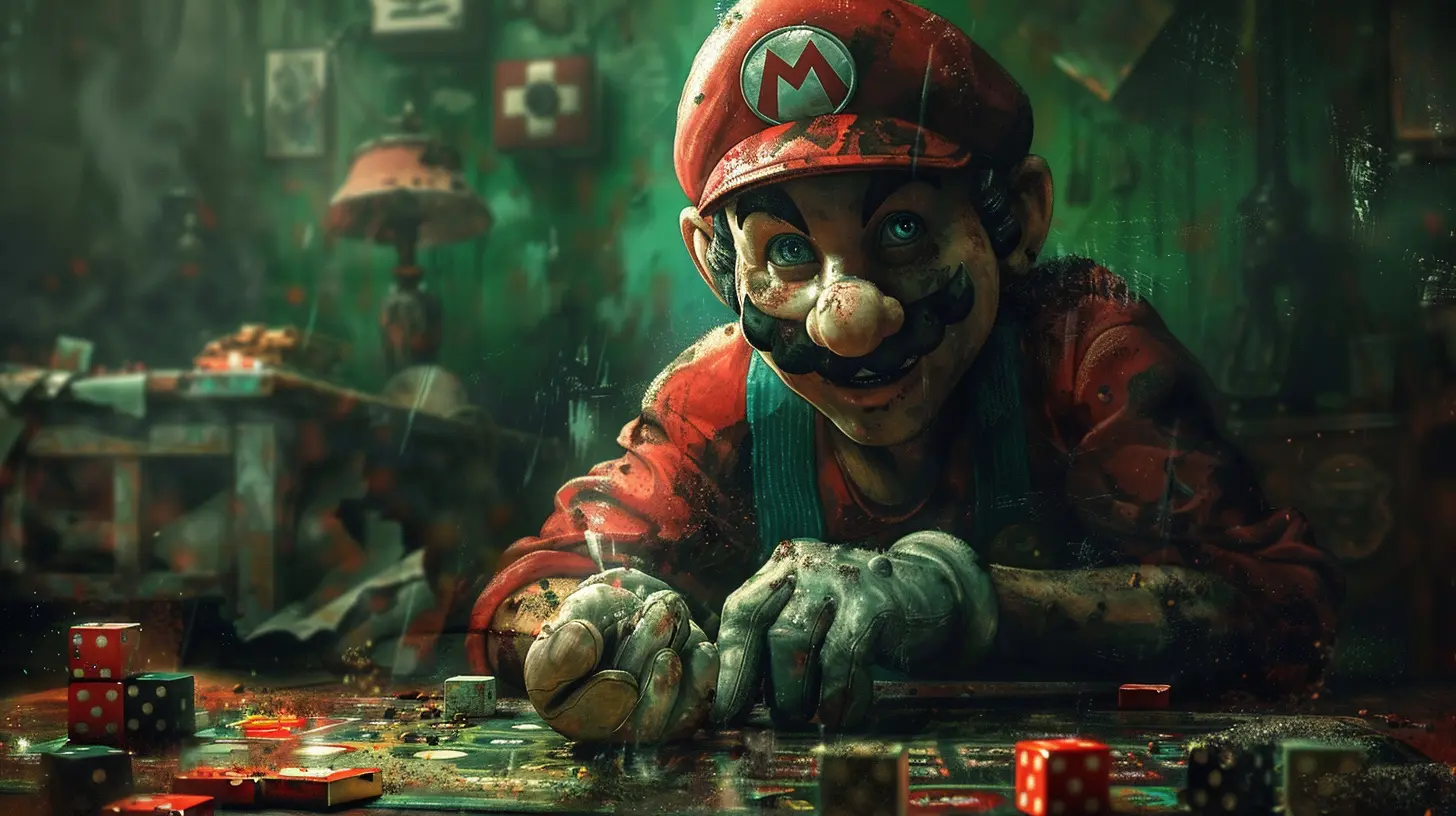
Nostalgia: The Double-Edged Sword
We all love those rose-tinted memories. But nostalgia can blur our expectations vs. reality. Think about it: when you boot up a classic game you adored as a kid, it may not hold up quite the same today. Maybe the controls feel clunky or the graphics look painfully outdated — but it still means something special to you.Now imagine a modern version with slick graphics, voice acting, and rebalanced mechanics. It sounds good on paper, but it often loses that original charm. It’s like trying to recreate grandma’s homemade cookies using a store-bought mix — it’s just not the same.
These reboots and remakes often miscalculate what made the original truly special.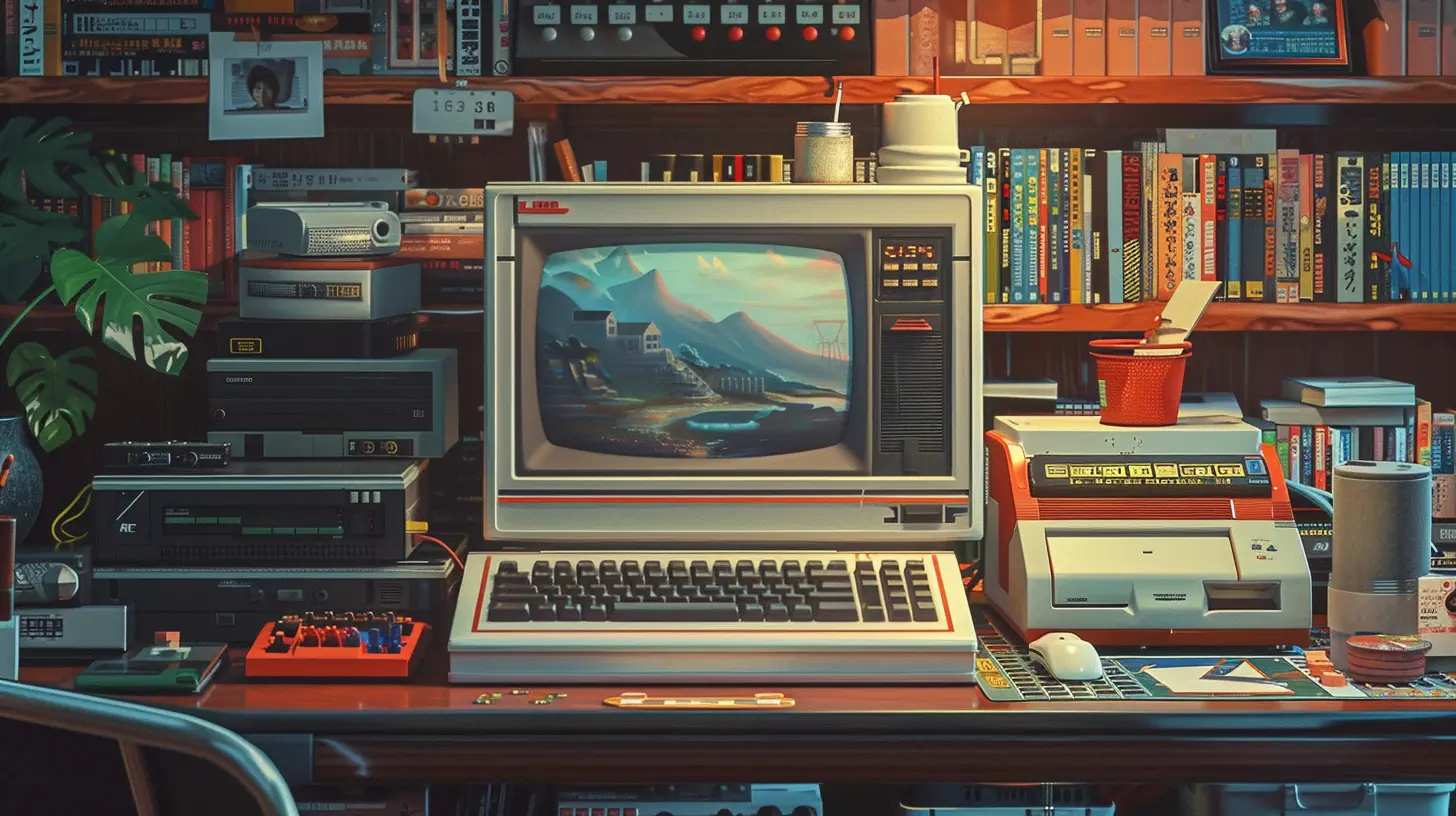
The Magic of Limitations
Back in the day, developers worked with limited technology. No 4K textures, no ray tracing, no massive open worlds. They had to get creative, and that led to some truly inspired game design. Think of games like the original Legend of Zelda or Doom — simplicity and ingenuity at their best.When you try to remaster or remake a classic, you often end up stripping away that magic. The original limitations forced developers to focus on tight gameplay, level design, and storytelling. Once you remove those limitations, the game can end up bloated and unfocused.
Instead of preserving the simplicity, remakes often overwhelm players with side quests, collectibles, and unnecessary complexity.
You Can’t Patch Soul
Every modern game gets patched — it’s just standard practice now. But older games didn’t have that luxury. What you bought was what you got. And guess what? That gave those games soul. That little glitch everyone knew about? The weird mechanic you had to master? It became part of the identity.Take GoldenEye 007 on the N64 — it was janky in all the best ways. You had to learn to aim with buttons, the enemies had hilarious animations, and cheating with Oddjob was a serious offense among friends. Remaking it with modern FPS standards strips away that quirkiness.
You can improve mechanics, sure. But you can’t "patch" heart. Some games were lightning in a bottle. Try to refine them too much and you lose what made them memorable in the first place.
When Modern Sensibilities Meet Retro Design
Let’s be honest — gaming has come a long way in terms of inclusivity, diversity, and storytelling sophistication. That’s a good thing. But sometimes, trying to retrofit modern sensibilities into a classic game feels forced, or worse, disjointed.Think about narratively light old games being remade with deep character arcs and dramatic voiceover. It sounds appealing, but does it really fit? What if the original was meant to be silly, arcade-style fun? Suddenly it’s trying to be The Last of Us, and it just feels…wrong.
This shift can confuse longtime fans and alienate new players who don’t “get” the original.
Fans Already Did It Better
Here’s a spicy take: sometimes fans preserve or enhance classic games better than the developers ever could. Modding communities, fan ports, and unofficial remasters often capture the heart of a classic while improving on its technical limitations.Examples? Think of OpenTTD, the fan remake of Transport Tycoon Deluxe. Or Black Mesa, the community remake of Half-Life. These projects succeed because they’re made with passion, not market projections.
On the flip side, big-budget remakes are often rushed, monetized, or stripped of soul in the name of mass appeal. Fans don’t have those corporate shackles — they build for love, not money.
Not Every Game Needs a Glow-Up
Let’s face it, not every old game is suited to modern standards. Some just don't age well. Maybe they rely heavily on now-outdated mechanics. Maybe the humor doesn’t land in today’s culture. Or maybe the original audience has moved on.Dragging those games into the present with shiny graphics and new mechanics can end up highlighting their flaws even more. Instead of celebrating the past, it unintentionally mocks it.
And let’s not forget — part of what made these games special was when they came out. They were groundbreaking for their time, not because they were perfect, but because of the context in which they existed.
The Curse of the Reboot
Rebooting a franchise is always a risky game. Sure, sometimes it works (Resident Evil 2 Remake, I'm looking at you). But more often than not, reboots fizzle out — trying to appeal to a wider audience while pleasing no one.Gamers are pretty vocal, and if there's one thing we hate, it’s when someone messes with our memories. Reboots walk a tightrope — too different, and you alienate the OG fans; too similar, and you bore everyone else.
Franchises like Tony Hawk’s Pro Skater or Crash Bandicoot saw both sides of this reboot dilemma. One release might be a hit, the next a massive letdown. Consistency? Never guaranteed.
Originality Versus Recycling
Let’s be real: instead of constantly rehashing old titles, why not create new ones inspired by the classics?Indie devs are killing it in this department. Games like Shovel Knight, Celeste, and Stardew Valley clearly draw from retro influences, but with modern design sensibilities. They feel fresh, yet familiar — like meeting someone new who instantly feels like an old friend.
That’s the sweet spot: creating new experiences that respect the past without cheapening it. There's something way more exciting about spiritual successors than copy-paste remakes.
Case Studies: What Worked and What Didn’t
Let’s break down a few examples so you can see exactly what I mean.Worked: Resident Evil 2 Remake
Capcom absolutely nailed this one. They modernized the gameplay but kept the spooky atmosphere. It was a textbook example of how to reinvent a classic while maintaining its soul.Didn’t Work: Warcraft III: Reforged
Blizzard promised fans a faithful remaster with enhanced visuals and new content. What we got was a buggy mess with missing features and a downgraded experience. Fans were furious, and the game tanked.Mixed Bag: Final Fantasy VII Remake
Sure, it was ambitious, gorgeous, and filled with fan service. But it also rewrote the story, added filler content, and turned a simple RPG into a multi-part action series. Fans were split — some loved the bold direction, others missed the straightforward charm of the original.Preservation Is Better Than Reinvention
Instead of constantly trying to modernize classics, how about we just preserve them? Emulators, HD ports, and collections let us enjoy the original experience — quirks and all — with minimal changes.Look at the Mega Man Legacy Collection or Super Mario 3D All-Stars. These packages give you the original games with a fresh coat of paint and maybe a few quality-of-life tweaks. It’s respectful, nostalgic, and honest.
It’s like restoring a vintage car — you don’t turn it into a Tesla. You polish it, maybe fix the engine a little, and let it shine as it was meant to.
Conclusion: Some Things Are Better Left Untouched
Classic games are classics for a reason. They captured a moment in time — a feeling, an experience, a spark of joy. Trying to bottle that up again often ends with disappointment.Sure, some remakes work, and some reboots are amazing. But more often than not, they miss the mark, alienate fans, or worse — erase the magic that made the original unforgettable.
So maybe, just maybe, some games are better left alone. Because sometimes, it’s better to remember them as they were than to watch them stumble trying to be something they’re not.
all images in this post were generated using AI tools
Category:
Classic GamesAuthor:

Avril McDowney
Discussion
rate this article
2 comments
Edward McCoy
Respecting classics preserves their charm.
March 30, 2026 at 3:43 AM
Avril McDowney
I agree that respecting classics is important, but sometimes innovation can enhance their charm without losing what made them special.
Summer Valentine
Great article! It’s crucial to recognize that some classic games hold a unique charm that modern updates might dilute. Preserving their original essence maintains the nostalgia and magic for fans.
March 24, 2026 at 4:28 AM
Avril McDowney
Thank you! I completely agree—preserving the original charm of classic games is key to honoring their nostalgic impact.