Why Game Over Screens Used to Mean Something
1 July 2026
Remember that moment when you were down to your very last life, palms sweating, trying to squeeze out every ounce of skill you had left, and then… BAM! The dreaded “Game Over” screen popped up? Yeah, it stung. But man, it meant something back then, didn’t it?
Today, “Game Over” is more like a gentle nudge than an ironclad consequence. It’s as if modern games just pat you on the back and tell you, “Nice try, buddy. Wanna try again?” But way back when, that screen was a harsh slap of reality—a digital “Nope, start from scratch.”
So, why did Game Over screens carry so much emotional weight back then? Pull up a chair (and maybe pour a cold drink) while we jog through memory lane, laugh at the good ol' days, and get a little deep about what gaming used to be.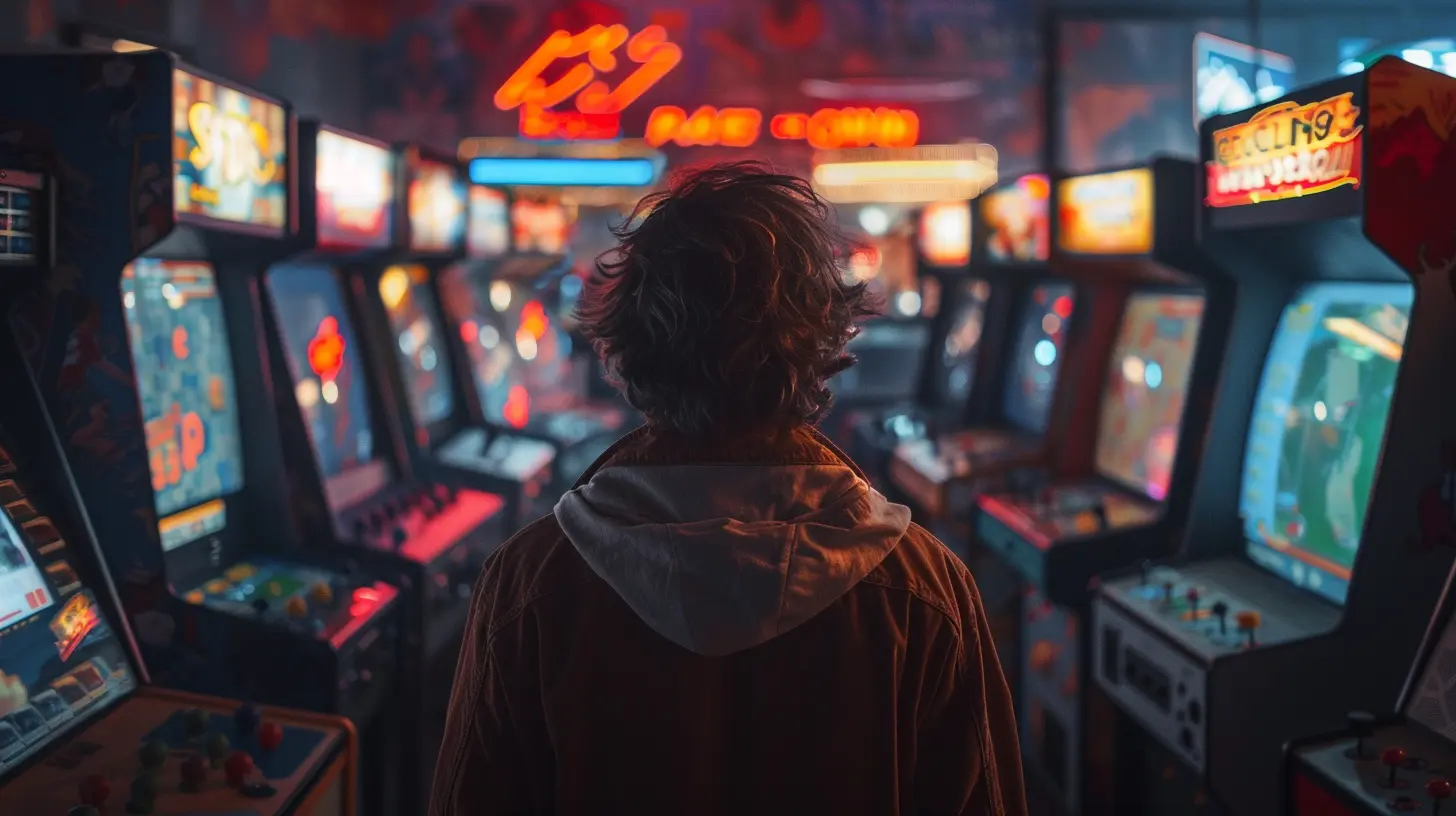
The Golden Era of Game Overs
Let’s rewind to the ‘80s and ‘90s, shall we? Arcades were buzzing louder than your grandma’s TV, home consoles were a luxury, and games? Oh, they were tough as nails.A Game Over screen wasn’t just a message—it was a verdict. It meant your journey had come to a hard stop. No save points. No redo. No mercy. Your progress? Gone. Your high score? Stuck in number 9 right under “AAA.”
In that era, a Game Over screen was the final boss you couldn’t beat. It signified failure, yes, but also challenge, growth, and a reason to keep grinding.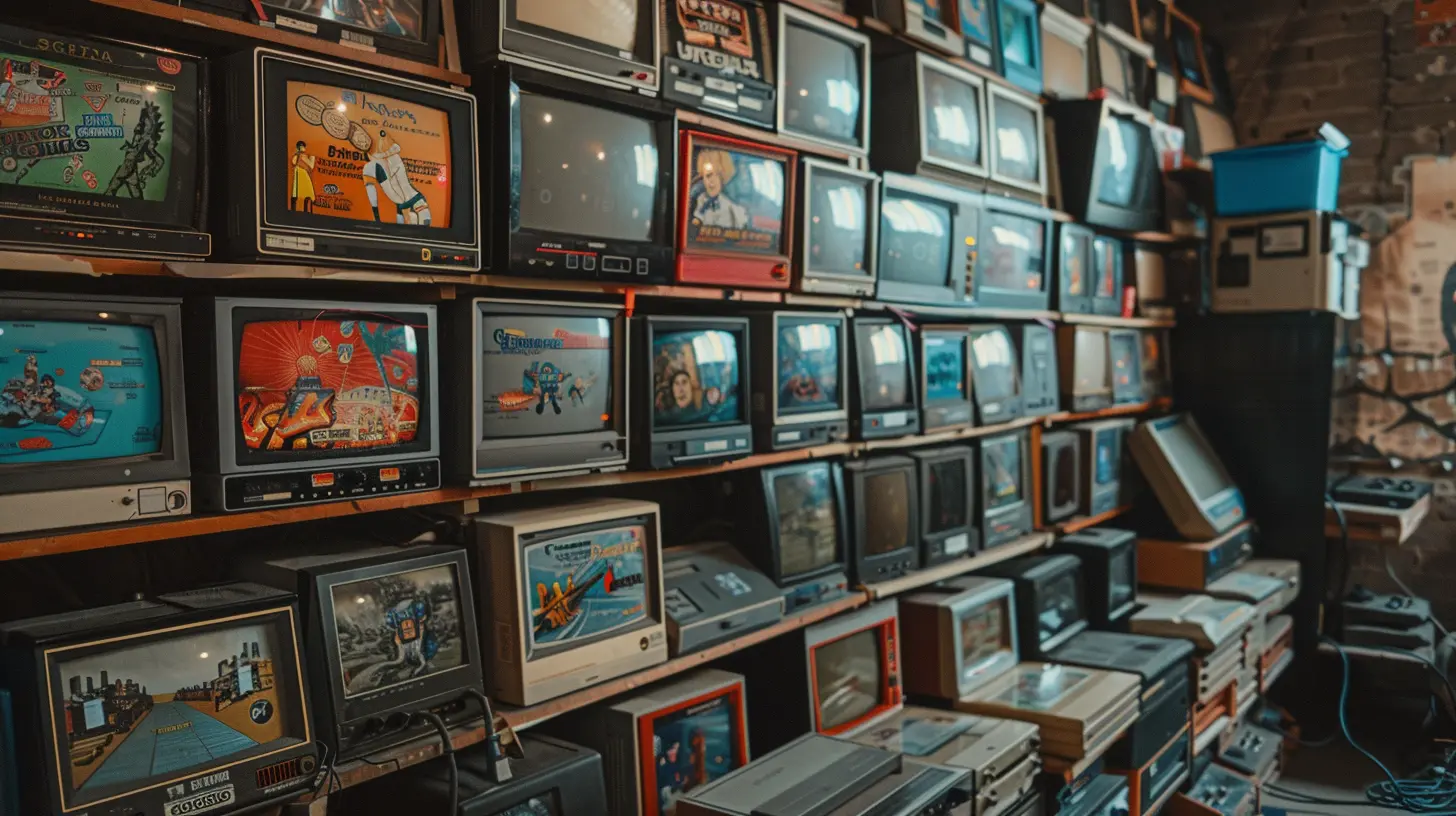
The Arcade Economy: Game Over = Insert Coin
Let’s not forget the cold, hard truth: Game Over screens were a business strategy in arcades. When you saw that screen, you had two options—walk away in shame or shovel in another quarter.Arcade games were designed to be hard. Like, pull-your-hair-out hard. They were built to hit you with intense difficulty spikes just to see how deep your pockets were.
Every “Game Over” was a carefully placed tollbooth on your road to victory.
> Think of it like a toll road with a dragon guarding every gate. Want to keep going? Pay up!
But even with the financial sting, it didn’t feel soulless. It felt earned. There was a sense of pride in getting just a little further this time. That screen didn’t just end your game—it dared you to do better.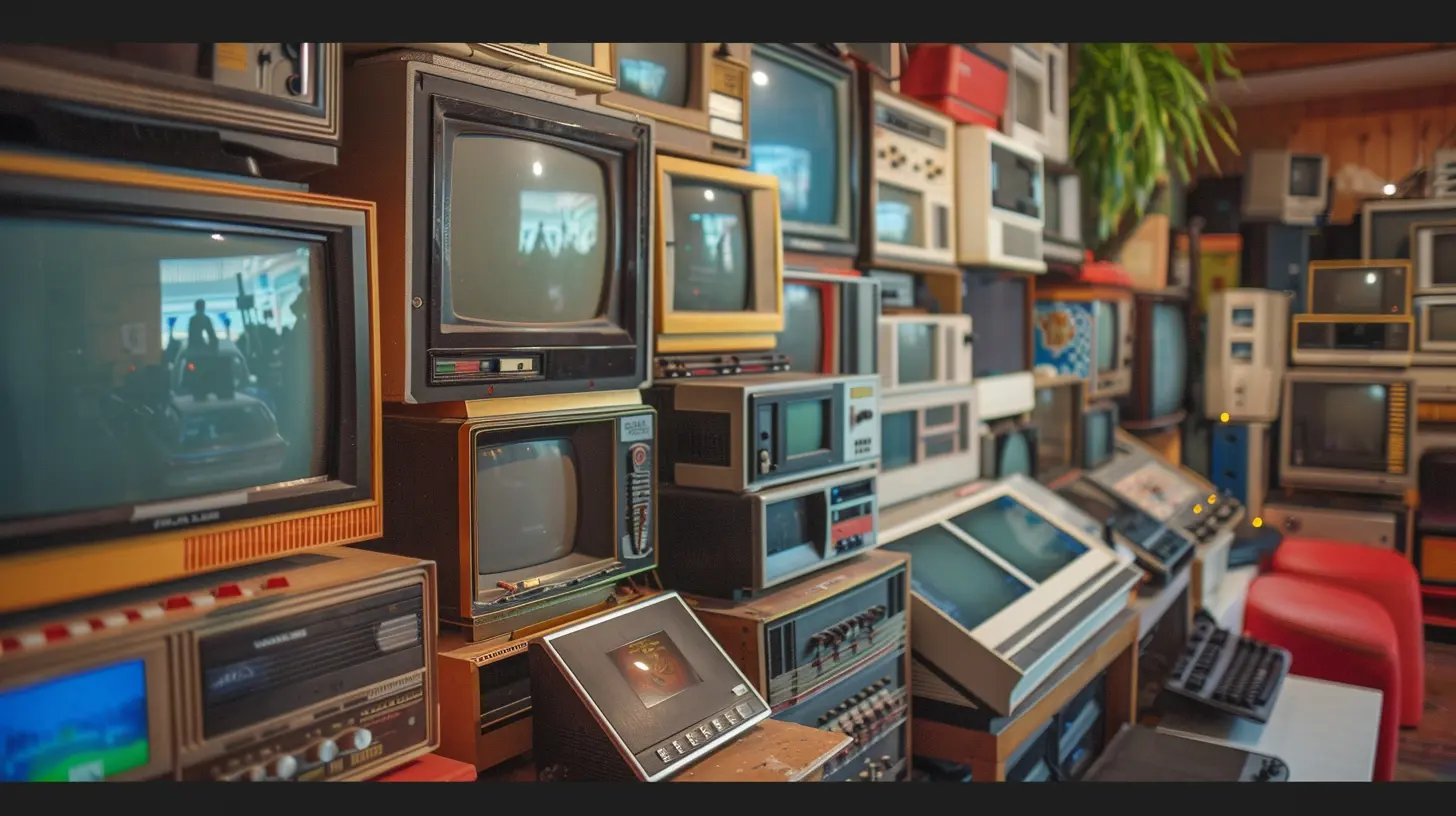
Console Gaming: Limited Lives, Unlimited Heartbreak
Once gaming moved from the smoky arcades to your cozy living room, Game Over screens evolved. But they still had bite.Remember games like Contra, Mega Man, or Castlevania? Three lives. Maybe a couple continues if you were lucky. Once they were gone—tough luck. You were back at the very beginning.
Modern players may cry foul, but old-school gamers? We wore those Game Overs like battle scars. They were proof that you tried—hard.
And let’s be honest, there was something borderline romantic about it. Games didn’t hold your hand. They held your head underwater and said, “Swim, or drown, buddy.”
The Emotional Weight of Failure
Back then, failing a game wasn’t just a mechanical loss—it was an emotional gut punch. You’d invest hours into a platformer, memorize every enemy pattern, make it to the final boss with one sliver of health… and then—poof—all gone.The Game Over screen glared at you as if it were saying, “You weren’t good enough.”
But here’s the kicker: That pain made success that much sweeter. Beating a tough game was a badge of honor. You didn’t just finish something—you conquered it.
We didn’t need trophies or achievement systems. Beating Ninja Gaiden or Ghosts ’n Goblins was the ultimate flex.
The Modern Era: Death Ain’t What It Used to Be
Now fast-forward to 2020s gaming. Death? Game Over? Pfft. Just checkpoint it, baby.You respawn ten feet from where you died. You get infinite retries. Auto-saves happen more frequently than pop-up ads on sketchy websites.
The concept of a Game Over has become... symbolic at best. It’s like saying “Oopsie daisy!” and moving on.
Don’t get me wrong—quality of life improvements are great. Not everyone wants to replay an hour of gameplay because Timmy missed one jump. But still, doesn’t it sometimes feel like something's missing?
Save Systems Changed Everything
One of the biggest culprits in the death of the meaningful Game Over screen? Save systems.Back in ye olden days, your “save” was a code. You’d scribble down a 20-character password on a scrap of paper and pray your little brother didn’t toss it in the trash.
Then came internal memory, memory cards, and auto-save features. Suddenly, failure wasn’t final. And that’s where the shift happened.
Now, instead of learning from our mistakes, modern games often let us brute-force our way through. It's like using cheat codes, but built right into the system.
Retry Culture: Participation Trophies for Gamers?
Let’s talk about “retry culture.”Modern games are designed to be accessible—and that’s not a bad thing. But sometimes it feels like games are afraid to let us fail. They cushion every fall with a checkpoint and offer a retry like a plate of cookies.
Imagine if Dark Souls offered infinite retries with no penalty. It’d still be hard, sure, but would it still feel the same? (Spoiler: Nope.)
Taking away the sting of a Game Over removes the thrill of avoiding one in the first place. The stakes just aren’t as high.
The Rise of Roguelikes: A Nostalgic Middle Finger
Here’s where it gets interesting: Roguelikes brought back that old-school flavor.Games like Hades, Dead Cells, or Returnal said, “Hey, remember when dying meant starting over? Let’s do that again—but make it fun.”
These games brought back consequence. Not in a punishing, throw-your-controller kinda way—but in a “learn, adapt, improve” kind of way.
You die, sure, but each death teaches you something. You don’t just restart—you rebuild. And when you finally conquer the challenge? Pure satisfaction.
Roguelikes are a love letter to Game Over screens, wrapped in modern design and sprinkled with just enough forgiveness to keep players from rage-quitting every five minutes.
It Wasn’t Just a Screen—It Was a Statement
Let’s be real: the “Game Over” message meant more than just “try again later.” It was the developers talking directly to you.Sometimes it felt like a taunt. Other times, it was a moment of reflection. It stopped you in your tracks and made you think.
Some games even got creative. Ever play Metal Gear Solid? That “Snake? SNAAAAKE!” scream is etched into your memory forever. It added drama, intensity—emotion.
In older games, Game Over screens were the full stop at the end of your story. Today, they’re more like ellipses.
Are Modern Games Too Soft?
Alright, let’s get spicy.Have modern games gone soft? Is it all participation trophies and safety nets? Or are we just nostalgic boomers yelling at the screen?
Maybe it’s a bit of both.
Not every game needs brutal difficulty. And not every player wants to smash controllers and scream into the void. Games are for everyone, and there’s beauty in that.
But there’s also value in challenge—a kind of digital rite of passage that teaches patience, skill, and perseverance. And Game Over screens used to symbolize all of that.
The Return of Challenge: A New Hope?
Here’s the good news. Difficulty is making a comeback.Soulsborne games, roguelikes, even some indie titles—they’re reminding players that failure is okay. That you grow by falling and rise stronger each time. That Game Over isn’t the end—it’s the beginning of getting better.
And maybe that’s what it always meant.
Final Thoughts: Game Over, But Never Really Over
So, why did Game Over screens used to mean something?Because they were final. They had consequences. They had weight. They made you care in a way modern games rarely do.
Sure, we have prettier graphics, more complex stories, and better hardware now. But something about the old-school Game Over screen still hits different, doesn’t it?
It was more than just words on a screen. It was a reflection of your effort, your skill, and your journey. And while its power may have faded, its legacy lives on in every retry, every continue, and every triumphant “YOU WIN.”
So next time you see a Game Over screen, take a second. Lean back. Smile.
Because it means you’re playing a game worth beating.
all images in this post were generated using AI tools
Category:
Classic GamesAuthor:

Avril McDowney
Discussion
rate this article
1 comments
Isolde Sheppard
Game over screens were more than just a loss; they held weight in our gaming journeys, teaching us resilience and growth.
July 1, 2026 at 3:07 AM
Avril McDowney
You're absolutely right. Game over screens were pivotal moments that pushed us to try harder and learn from our mistakes. They added depth to our experiences.