Understanding Skill Trees and How to Maximize Them
15 April 2026
If you've ever played a video game—especially RPGs or action-adventure titles—you've probably stumbled upon a skill tree. They look like branching webs filled with shiny icons, tempting you with new powers, better stats, or sick combos. But let’s be real—who hasn’t spent hours second-guessing where to drop that hard-earned skill point?
Skill trees are more than just flashy upgrade menus—they’re the blueprint of your in-game potential. And when used right? They turn your character from a basic newbie into an absolute legend. So, buckle up, because we’re going to break down exactly what skill trees are, how they work, and the smartest ways to make the most of them.
What Is a Skill Tree, Really?
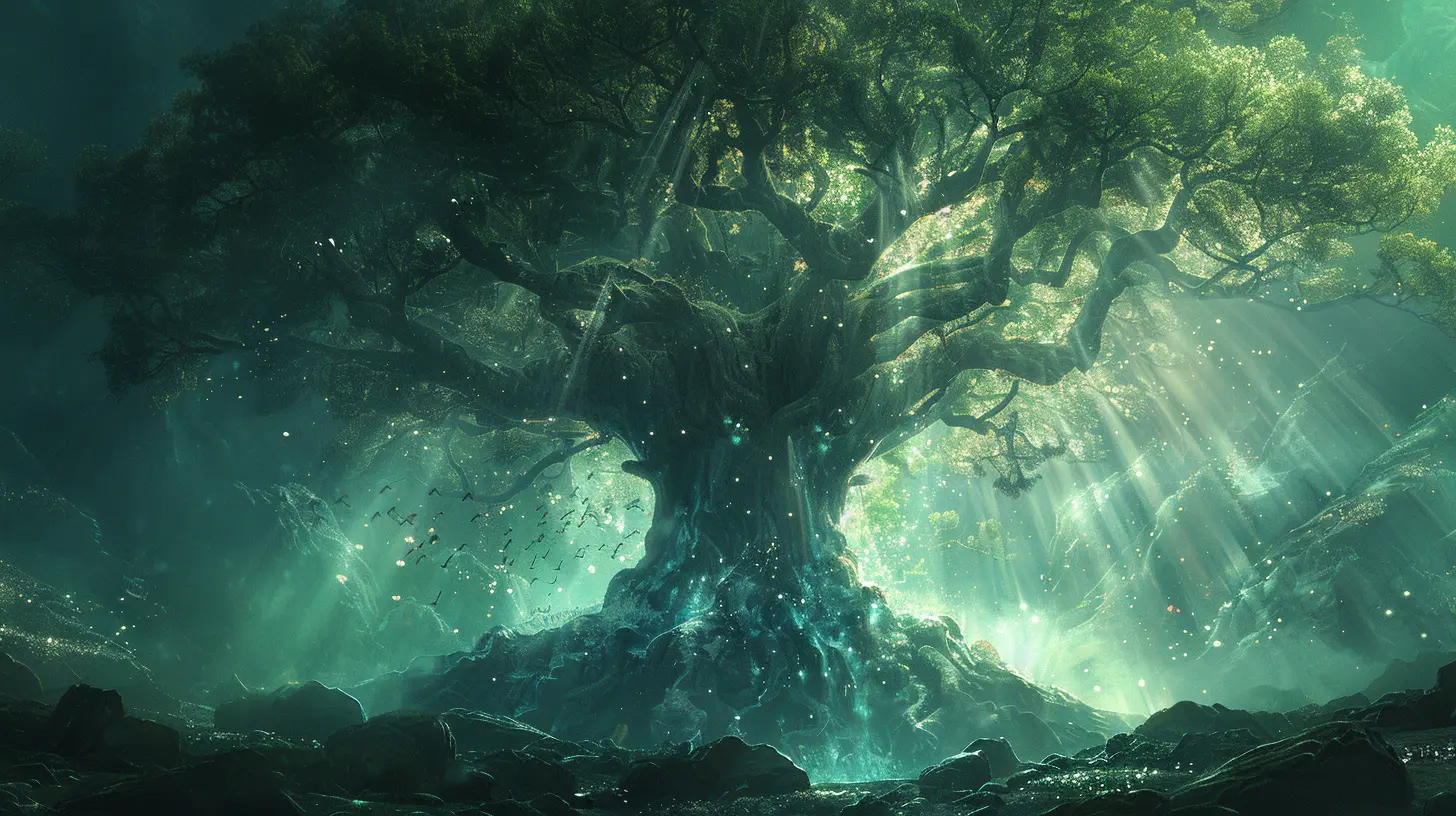
First off, let’s define it in plain English. A skill tree is a structured, visual layout of abilities or upgrades that your character can learn in a game.Think of it like a real tree. You’ve got:
- The roots (basic foundational skills)
- The trunk (core specializations)
- The branches (advanced, often game-changing upgrades)
Each new skill usually builds off a previous one, and the deeper you go, the more powerful or specialized they get. But you're rarely able to unlock everything on the tree—or at least not quickly. That’s what makes planning and strategy so important.
Why Skill Trees Exist in Games
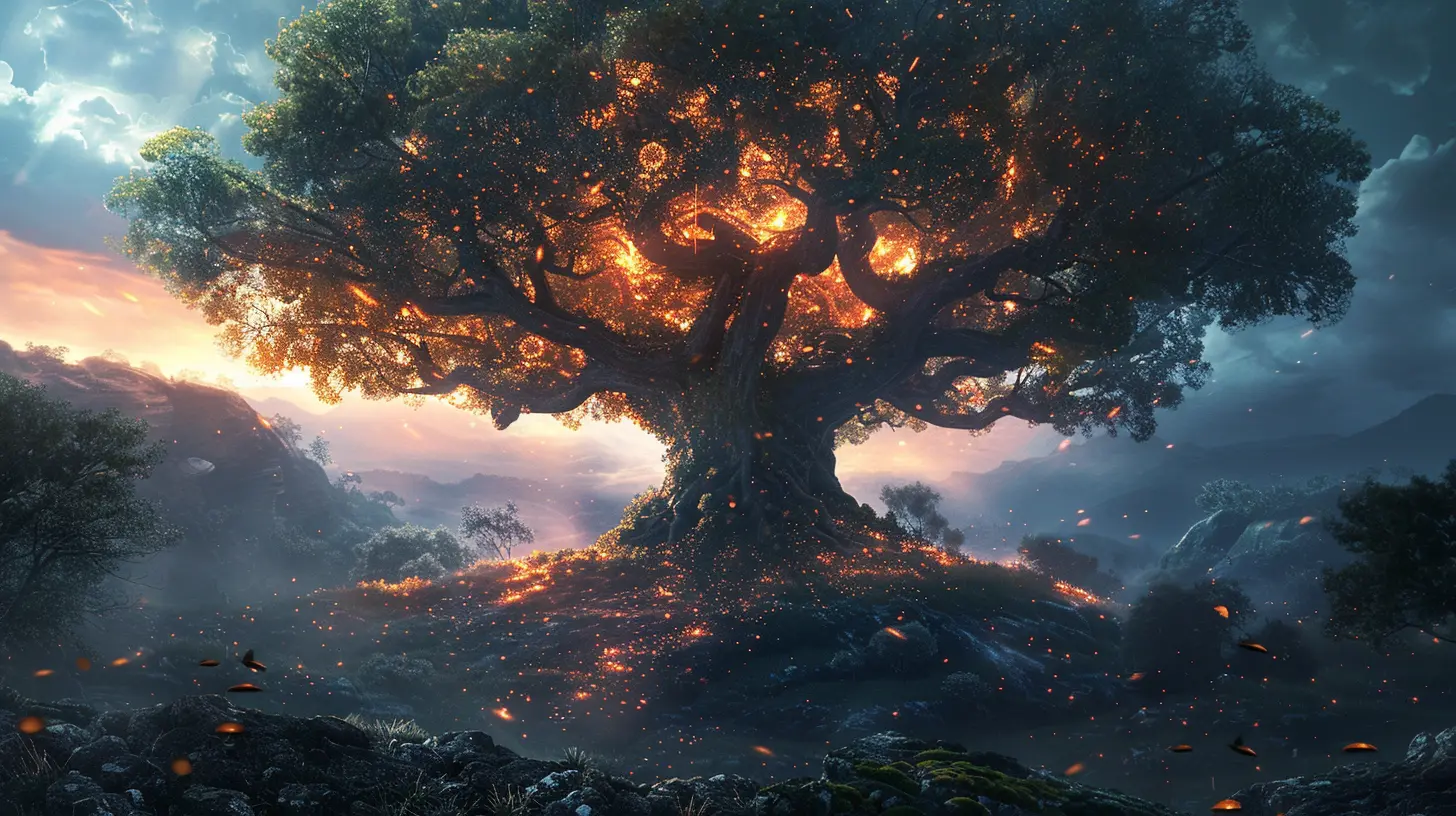
Game devs love skill trees. Wanna know why? Because they give you:- Choice: You customize your character your way.
- Progression: You feel stronger as you level up.
- Replay value: You might play twice just to try different builds.
- Depth: They add complexity without needing confusing mechanics.
From a player’s side, skill trees keep things interesting. Every point you spend forces a decision. You’re not just hitting buttons—you’re shaping your playstyle.

Types of Skill Trees You’ll Come Across
Not all skill trees are created equal. Here are some common flavors:1. Linear Skill Trees
The simplest kind. Think of it like a straight line—unlock skill A, then B, then C. Great for beginners but not exactly flexible.Good examples: Early RPGs or mobile RPGs that stick to a story-focused pace.
2. Branching Skill Trees
Now we’re getting spicy. These trees let you pick from different branches, offering paths into different specializations. You might go full tank mode, stealth assassin, or ranged spellcaster.These are pretty common in modern games like Assassin’s Creed Valhalla, Horizon Forbidden West, or The Outer Worlds.
3. Networked or Web Skill Trees
This is where it gets crazy. These trees look more like spiderwebs than trees, with tangled paths and countless choices.Games like Path of Exile and Final Fantasy X go full nerd-mode with these. They offer insane customization but can feel overwhelming to new players.

How to Read and Understand a Skill Tree
Okay, so you’re in the game, and you're staring at this skill tree. Where do you even start?Here’s how to break it down:
- Start at the base: Usually, the lowest points are where you begin.
- Follow the lines: Each skill connects to one or more others—this tells you the order in which you unlock them.
- Different trees = different roles: Often, games break up skill trees by class, playstyle, or weapon type.
- Color coding or icons = skill type: Offensive, defensive, passive, or active? The design usually hints at this stuff.
Don't just start unlocking things randomly. Understanding what each branch offers helps you decide which path fits your playstyle.
So… How Do You Actually Maximize a Skill Tree?
Let’s get down to business. If you’re gonna spend hours grinding for XP, you better make each skill point count.1. Know Your Playstyle
Are you the brawler who charges in guns blazing, or the sneaky backstabber who never triggers alarms? Skill trees usually cater to different styles.Before spending any points, ask yourself how you like to play. For example:
- Combat heavy? Focus on attack upgrades, stamina, or weapon proficiencies.
- Support role? Think buffs, heals, or passive auras.
- Long-range specialist? Go for ranged damage, accuracy, and resource management.
Define your role early. Don't dilute your strengths by trying to do everything halfway.
2. Plan Before You Commit
Look ahead. Most games let you preview future skills, even if you can’t unlock them yet. Use this to chart a roadmap of where you want to go.Here’s a tip: Pick a high-tier perk and work backward. If something at the top of a branch looks epic, make that your end goal and figure out the shortest route to get there.
3. Don’t Sleep on Passive Skills
Everyone loves flashy active abilities—who doesn't want to summon a fire tornado? But passive skills often make the biggest difference long-term.Things like cooldown reduction, critical hit chance, or regen boosts can quietly turn you into a beast. They're the peanut butter to your combat jelly.
4. Respec When Needed (If Possible)
A lot of modern games let you respec—meaning you can reset your skill points and reallocate them. If you realize your current build isn't working, don’t be afraid to wipe the slate clean.Some games charge currency for this; others let you do it for free. Either way, it’s a fantastic tool.
5. Avoid “Trap” Skills
Not every skill on the tree is worth your time. Some might look good but offer minimal value or become obsolete later in the game.Check online forums (Reddit, game wikis, etc.) or watch YouTubers who’ve already tested stuff out. Save yourself the regret.
6. Specialize—Don’t Generalize
Jack-of-all-trades builds sound cool, but they usually end up weak compared to focused ones. Unless the game absolutely demands versatility, lean into one main build.Go all-in on that bow master, spell-slinger, or berserker, and you’ll feel the impact way more than a character who’s “meh” at everything.
Common Mistakes Players Make With Skill Trees
Even seasoned players mess this up. Here’s what to avoid:- Blind investing: Don’t unlock stuff just because it becomes available.
- Ignoring synergy: Skills often benefit each other when paired strategically.
- Overcommitting early: Leave some points unspent if you're not sure. You don’t HAVE to spend them right away.
- Skipping tutorials: Trust me, even if you’re a vet, the game's tutorial might offer key insight into the tree's logic.
Legendary Skill Trees in Gaming History
Let’s take a quick detour and appreciate some of the most iconic trees:- Diablo II / III: Practically the blueprint of modern skill trees.
- Path of Exile: Possibly the most complex one ever made—it’s a math nerd’s dream.
- Skyrim: The constellation-themed trees made leveling up feel like gazing at the stars.
- Borderlands series: Known for encouraging crazy hybrid builds that let you play your way.
These games nailed the balance between creativity and power progression.
How to Choose the Right Tree in Multi-Class Games
Games like Elden Ring, Dragon Age: Inquisition, or The Witcher 3 often give you more than one skill tree to work with. That’s where things get wild.Here’s how to keep it under control:
- Pick a primary tree and a secondary: Focus 80% of your points into your main tree, 20% to support.
- Think synergy: Does the stamina boost from the survival tree make your assassin stronger? Then mix and match.
- Don’t spread too thin: Unless you’re going for a challenge run, avoid evenly splitting your points.
Final Thoughts: Skill Trees Are Your Power Fantasy Playground
At the end of the day, skill trees are all about giving you the tools to build your dream character. They let you write your own combat story, unlock your inner hero (or villain), and make the game uniquely yours.So next time you’re staring at a skill tree wondering which path to take, remember this: You're not just choosing a skill. You’re choosing who your character becomes.
Take your time, think it through, and above all—have fun with it.
all images in this post were generated using AI tools
Category:
Game ProgressionAuthor:

Avril McDowney
Discussion
rate this article
2 comments
Zarenith Alvarez
Unlocking the potential of skill trees is like discovering hidden pathways in a vibrant world! Embrace the journey, experiment with different builds, and watch your character—and yourself—grow. Every choice shapes your adventure; maximize your skills, and let your creativity shine! Game on!
April 20, 2026 at 4:51 AM
Avril McDowney
Absolutely! Skill trees offer exciting ways to personalize your journey. Experimenting with different builds not only enhances gameplay but also deepens your connection to the character. Let the adventure unfold!
Winona Pacheco
Skill trees enhance gameplay depth; mastering them unlocks unique strategies and experiences.
April 15, 2026 at 4:28 AM