The Role of Expansions and DLC in Sustaining AAA Titles
8 August 2026
Ever noticed how some games keep popping up in your life long after you’ve "finished" them? You played them months — maybe even years — ago, yet they still feel fresh. How? That’s the magic trick pulled by expansions and DLC (downloadable content) in the gaming universe. They’re like delicious leftovers that somehow taste even better the next day.
In today’s gaming world, it's not just about what comes on the disc (or in the download). It's about what comes after. So let’s dig into how expansions and DLC are the secret sauce keeping AAA titles alive, relevant, and seriously fun.
What Are Expansions and DLC, Really?
Let’s keep it simple. DLC stands for "downloadable content," and it's extra stuff you can add to an existing game. It may be a new character, a funky skin, or even a full-blown side quest that takes hours. Expansions? Think of them as DLC’s big brothers. They usually offer larger content chunks like entire new storylines, areas, or gameplay mechanics.In essence, both are bonus rounds for games we already love. And for AAA titles—those big-budget, heavily marketed blockbusters—DLC and expansions are lifelines. They keep those games breathing long after their original release date.
Why Developers Love DLC (Hint: It’s Not Just About the Cash)
Sure, let’s be honest: DLCs rake in cash. But money isn't the only motivation here.1. Keeping Games Fresh
Have you ever been in a long-term relationship with a game? You know the type—where you're level 87, have a pet dragon, and know every secret door by heart. Things can get a little stale. Enter DLC. Suddenly, the world you know gets flipped on its head. New challenges, new weapons, maybe even a new nemesis. It’s like adding hot sauce to your favorite sandwich.Developers get to breathe new life into their games, and players come back eager for more.
2. Time to Polish the Original Vision
Sometimes, the full scope of a game doesn’t quite make it to launch. Budget, deadlines, scope creep—game dev life is tough. DLC gives devs a second shot to deliver content that didn’t fit into the original package. It's like revisiting a painting after the exhibition’s over and adding those final, perfect brushstrokes.
AAA Games and Ticking Clocks
Here’s the thing about AAA titles: they’re massive, expensive, and risky. We're talking about development teams of hundreds, marketing campaigns that rival Hollywood movies, and years of work. So once a AAA game launches, publishers don’t just sit around twiddling their thumbs. They craft a post-launch roadmap.This roadmap often includes expansions and DLCs specifically designed to:
- Retain the player base
- Boost sales over time
- Extend the lifespan of the game
Let’s throw in a real-world example.
? Case Study: The Witcher 3 – Wild Hunt
This gem from CD Projekt Red is still a topic of conversation, years after launch. Why? Two mind-blowing expansions — "Hearts of Stone" and "Blood and Wine." These weren't your average add-ons. They were practically full games in themselves. They didn’t just add content—they added value. And gamers noticed.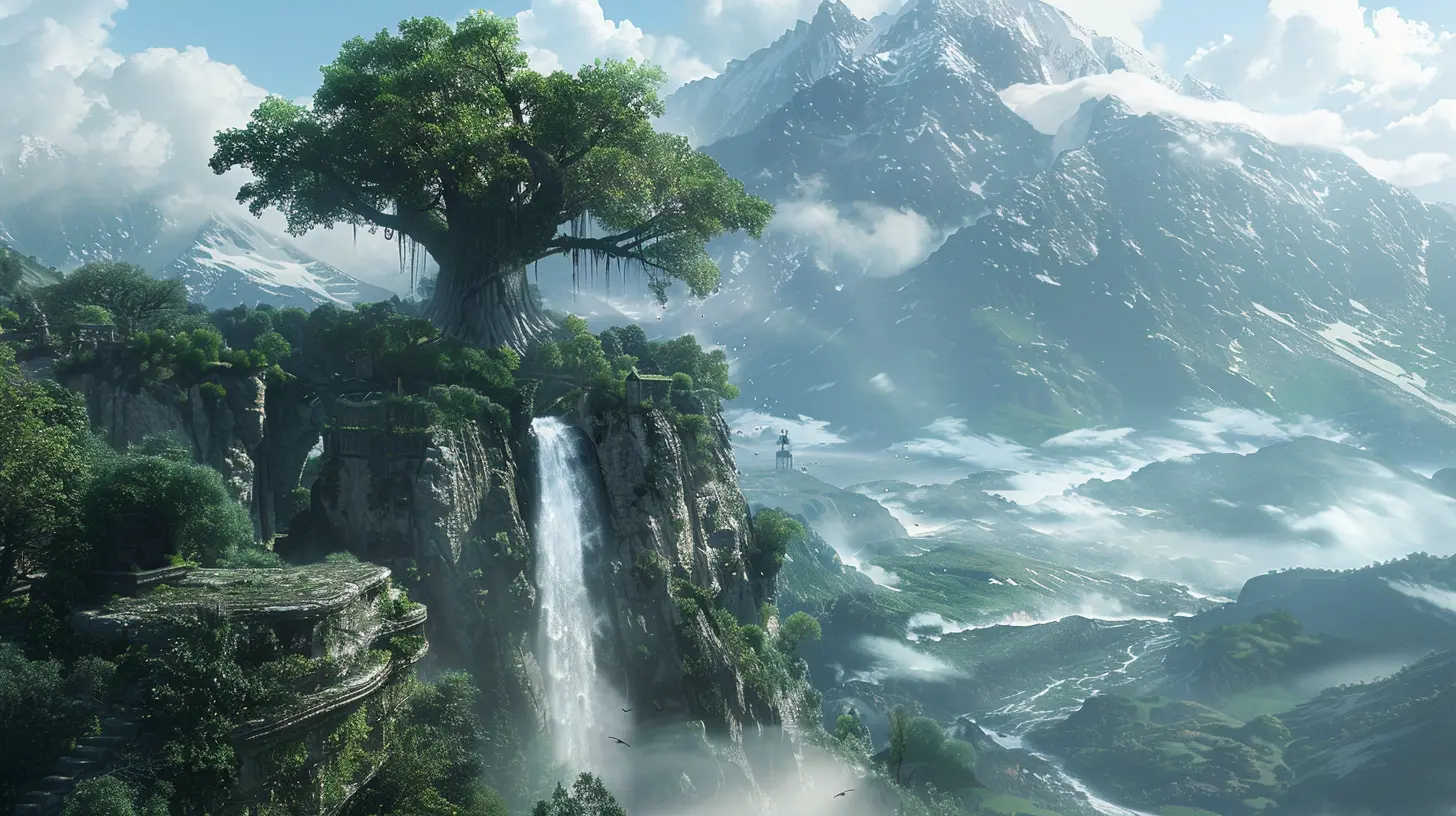
The Power of a Good Roadmap
With titles like Destiny 2 or Assassin’s Creed: Valhalla, there’s often a year-long (or more) roadmap that outlines planned DLC drops. It’s the devs’ way of saying, "Stick with us. We’ve got stories to tell." It builds community excitement, keeps forums buzzing, and grants a sense of momentum.DLC as a Service?
Yup, it’s a thing.You’ve heard of "games as a service" (GaaS), right? It’s like instead of buying one pie, you subscribe to a bakery that sends you fresh slices every month. Games like Fortnite, Apex Legends, and Call of Duty: Warzone thrive on this model. Through seasonal content — guess what — they bring in players again and again.
Gaming Communities Need Content Like Plants Need Water
What do loyal players want? Engagement. They want reasons to return, explore, compete, and connect. Expansions and DLC provide the nutrients a game needs to flourish in a community garden.More to Talk About
Let’s be real: half the fun of playing games is talking about them! When new DLC drops, players flock to Reddit, Discord, and YouTube. Discussions explode, theories swirl, and excitement skyrockets. It’s like the town square gets busy again.DLC and Expansions: Not All Heroes Wear Capes
Let’s not pretend every DLC pack is a home run. Sometimes, they can feel like overpriced fluff. Remember those “horse armor” days? Yeah, we cringed too. But the industry has matured (mostly), and the best studios know that meaningful DLC must give bang for your buck.When Done Right...
- DLC deepens the original story- It introduces intriguing mechanics or challenges
- It respects the player’s investment
Games like Horizon Zero Dawn with “The Frozen Wilds,” or Elden Ring’s anticipated expansions show that fans will happily pay for well-crafted additions.
Monetization vs. Meaning: The Balance Act
We gotta talk dollars.Yes, expansions and DLC are money-makers. But how much is too much? There’s a fine line between extended value and feeling like you’ve bought an incomplete game. Smart developers walk that line with care.
Here’s the key: if the base game feels robust and complete on its own, players are far more likely to pay for extras. But if the base game feels like a bite-sized appetizer, DLC starts to look like a cash grab.
So, while expansions sustain AAA titles, integrity retains loyal fans.
The Nostalgia Factor
Some DLCs have another powerful trick up their sleeve: they hit you with the feels.Think about when a DLC revisits a classic location or brings back a beloved character. It’s like rewatching your favorite TV show, but with bonus scenes. That blend of nostalgia and novelty can reignite the fanbase in ways no trailer ever could.
What About Multiplayer Games?
For games like Call of Duty, Destiny, and Rainbow Six Siege, solo storylines aren’t the only draw. These titles rely on competitive and cooperative gameplay, so content updates often mean:- New maps
- Balance tweaks
- New game modes
- Seasonal events
- Community challenges
This not only sustains interest but fuels eSports, Twitch streaming, and the ever-growing online community.
The Future of DLC and Expansions
Now let’s whip out that crystal ball.As tech evolves, so will DLC. With cloud gaming and quicker content delivery systems, we may soon see real-time content drops. Imagine playing a game where the world evolves each week, not just with patches, but with narrative arcs that react to the player base.
And don’t even get us started on user-created mods and expansions. Games like Skyrim and Minecraft prove that sometimes, the most sustainable DLC is the one players make themselves.
Final Thoughts: Why It All Matters
Expansions and DLC aren’t just about adding more stuff—they’re about adding more you. More choices. More paths. More reasons to dive back in.For AAA titles, they’re the lifeline that keeps games relevant in a fast-moving industry. For us players, they’re the extra scoops of icing on an already awesome cake.
So next time you finish a game and see a shiny new DLC drop or an expansion teasing a new land to explore — don’t roll your eyes. Grab your gear. The adventure isn't over yet.
all images in this post were generated using AI tools
Category:
Aaa GamesAuthor:

Avril McDowney