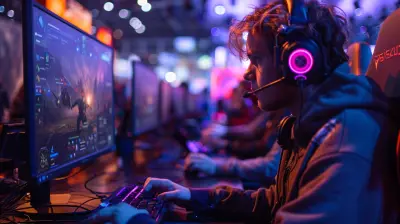
The Rise and Fall of Arcade Culture
15 August 2026
Remember the sound of quarters clinking in your pocket? The glowing joysticks, the thud-thud-thud of buttons being hammered, the occasional shout of victory (or defeat)? If you grew up in the '70s, '80s, or even early '90s, arcade culture was probably a big part of your life. It was the heartbeat of gaming before home consoles took over—and wow, what a ride it was.
Arcade culture didn’t just "happen." It erupted. It was a social revolution wrapped in pixelated mayhem. But like many great things, it had its time in the spotlight before fading into nostalgia. Let's dive into the rise and fall of arcade culture—why it started, how it peaked, and what eventually pulled the plug.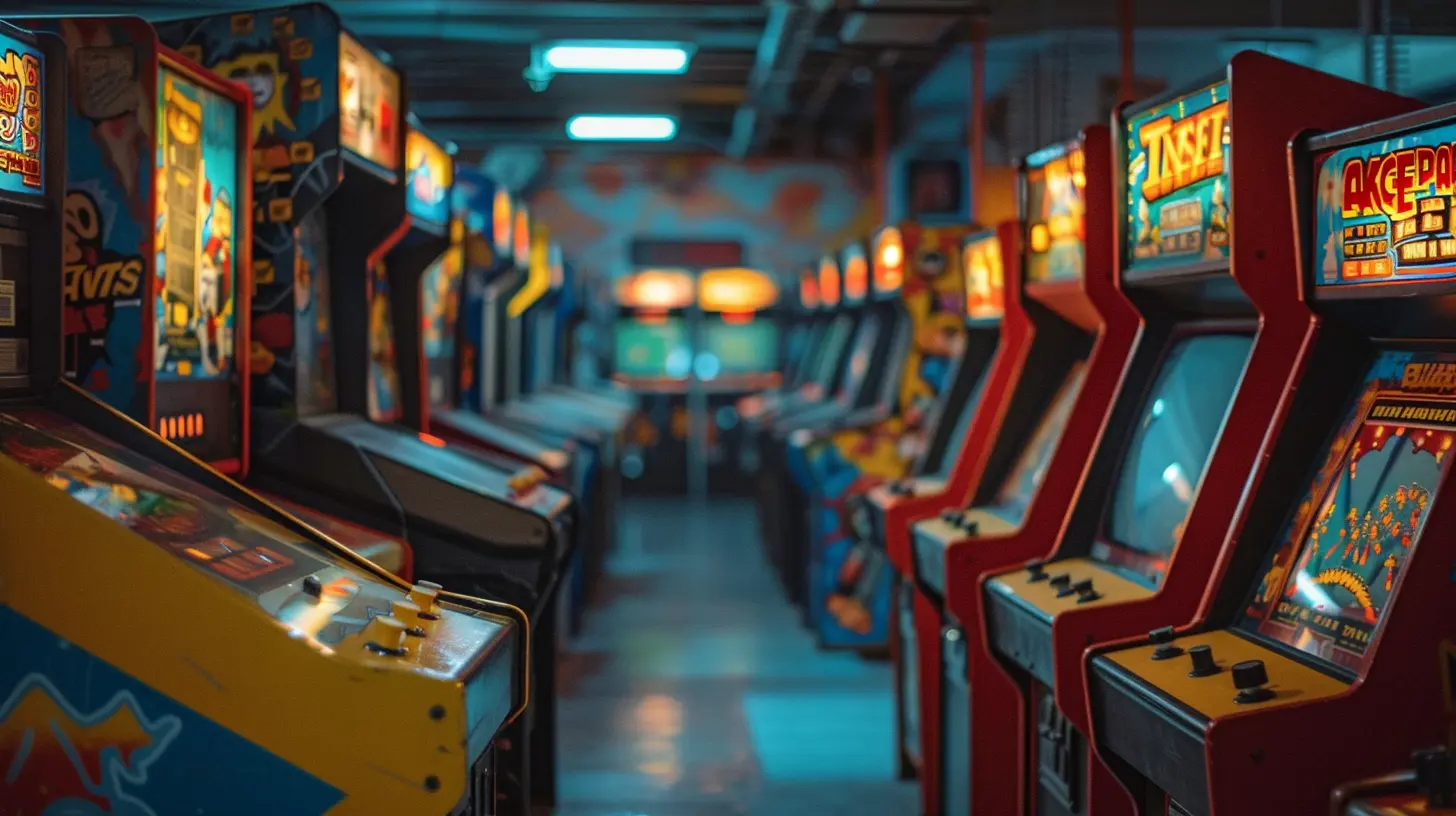
The Spark: How Arcade Culture Was Born
So, where did it all begin? The roots of arcade culture trace back to the late 1960s and early ’70s when coin-operated machines started to pop up in bars, bowling alleys, and malls. But the real trailblazer? A little game called Pong.Pong: The OG Game Changer
In 1972, Atari released Pong, a simple table tennis-inspired game that ended up changing the world. It wasn’t flashy, but it was addictive. Pong became a breakout success and showed everyone just how powerful electronic gaming could become—even in its primitive form.With Pong leading the charge, arcades were no longer just a place to kill time—they became destinations. The demand was there, and developers were hungry.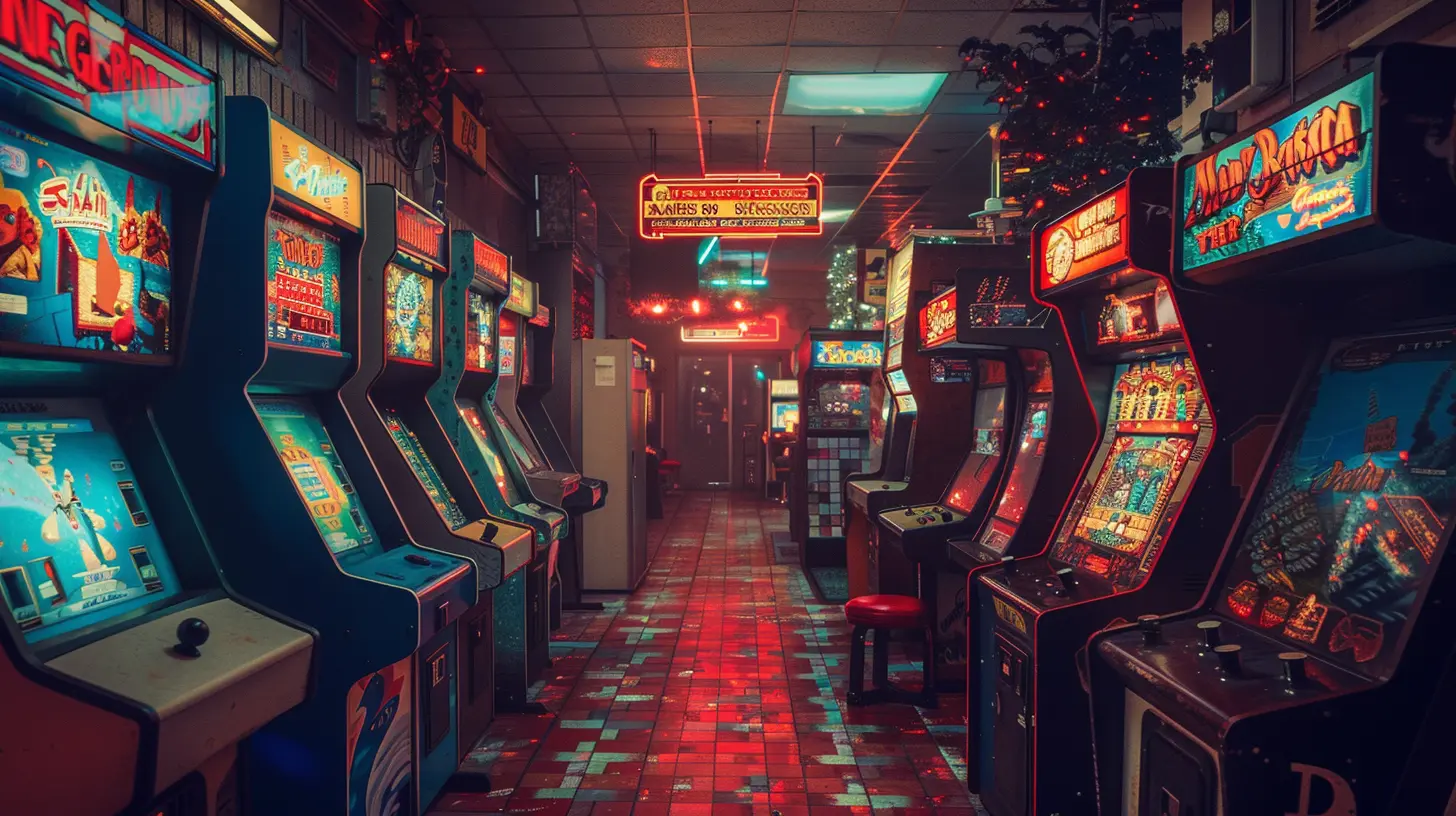
The Golden Era: Arcades Take Over the World (Late '70s – Mid '80s)
This was the sweet spot. The golden age. If you ever walked into an arcade around 1982, you know what I’m talking about. Places were packed wall-to-wall with buzzing machines, neon lights, and the smell of popcorn (and sweaty palms).Enter the Titans: Pac-Man, Donkey Kong, and Space Invaders
Arcade hits like Space Invaders (1978), Pac-Man (1980), and Donkey Kong (1981) weren’t just fun—they became pop culture icons. Everyone wanted to set the high score. Everyone knew the Pac-Man "waka-waka" sound.These weren’t just games—they were challenges. You didn’t beat them; you survived them. And the communal vibe was real. Friends gathered, crowds cheered, and rivalries were born across fluorescent-lit battlegrounds.
Social Life 101: Arcades Were the Hangout Spot
Back then, arcades filled the social gap that wasn’t covered by malls or roller rinks. You couldn’t just jump online and chat with people. If you wanted to find your crew, test your skills, or just kick back—it was all happening at the arcade.The environment was electric. Music pumping, screens flashing, kids laughing. You didn’t just play—you experienced.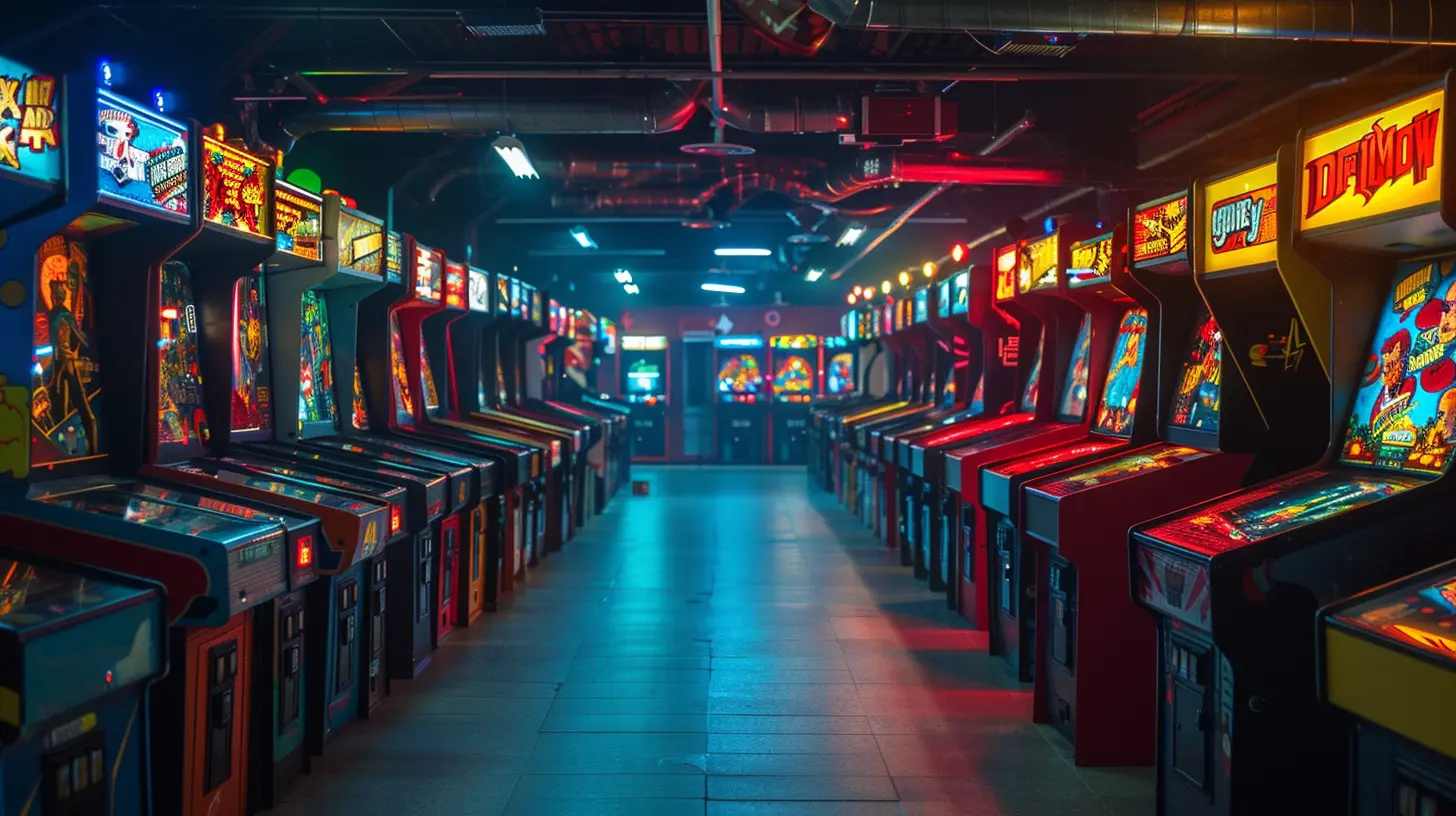
The Tech Boom: Home Consoles Enter the Ring
As we hit the mid-to-late ’80s, something big started to stir. Home consoles like the Atari 2600 had made some noise earlier, but it was Nintendo's NES that really changed the game. Literally.Gaming at Home? Mind. Blown.
Why spend money on tokens when you could play Super Mario Bros. from your couch? The NES delivered arcade-quality gaming (or close enough) on your TV screen at home. And as console technology improved, those arcade machines started to feel a little… outdated.Game developers began focusing more on console titles. Exclusive releases meant you couldn’t even find the same experiences in arcades anymore. The tide had begun to turn.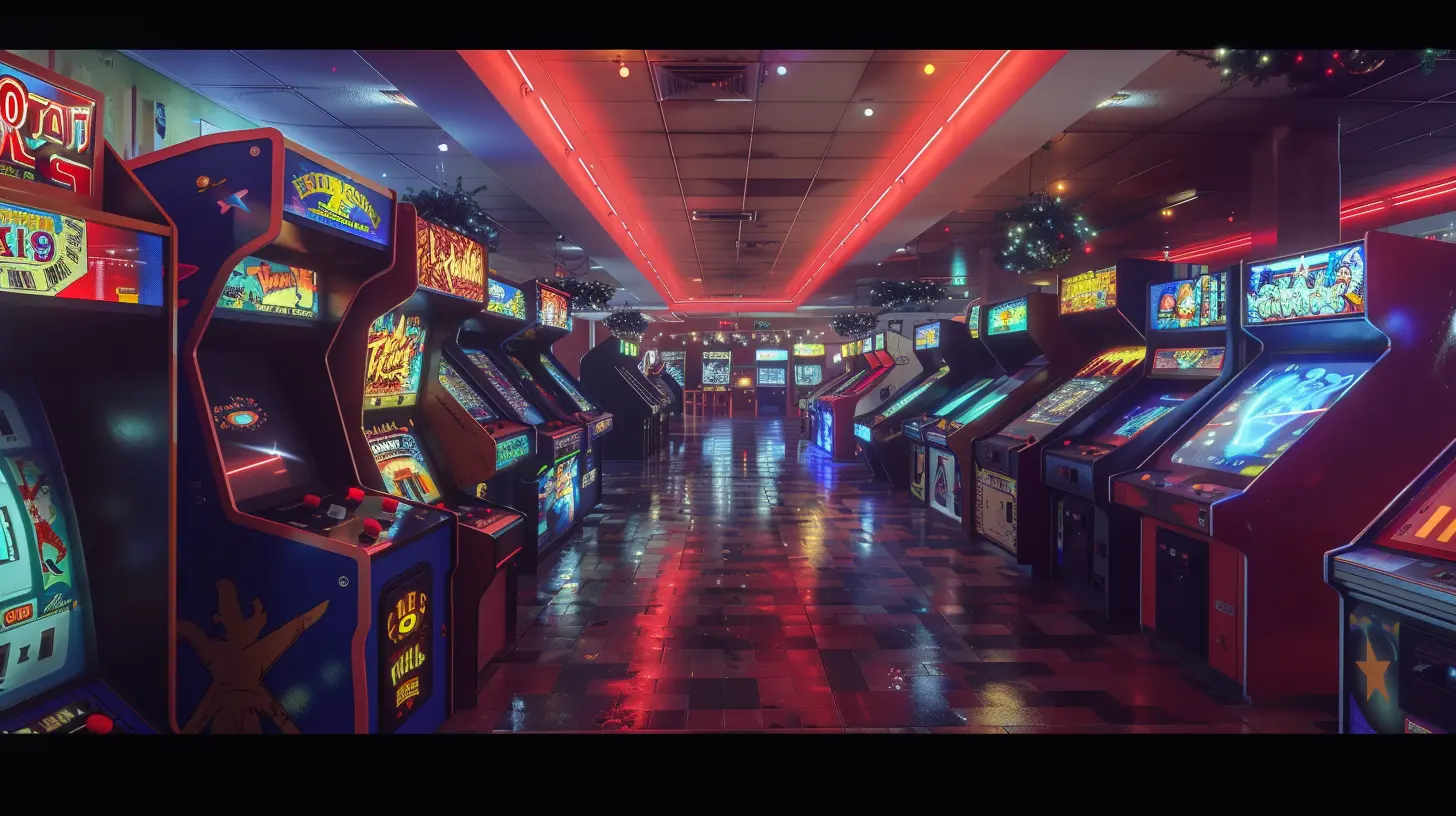
The ’90s Comeback: Arcades Fight Back
Let’s not call time of death just yet. In the early ’90s, arcades weren’t done. In fact, they got a second wind—thanks to one genre: the fighting game.Street Fighter II and Mortal Kombat: The Brawlers That Saved Arcades
In 1991, Street Fighter II hit arcades, and boom—people were lining up again. This wasn’t just button-mashing anymore; it was tactical, it was fierce, and it was competitive. It brought a whole new vibe to arcades.Then came Mortal Kombat with its blood-soaked fatalities and controversial flair. It was more than a game—it was an event. Arcades became eSports arenas before eSports was a thing.
Dance, Race, Shoot: The Experience Machines
Let’s not forget the rise of the experiential games. You know the ones—huge cabinets with racing wheels, shooting peripherals, or dance pads. Games like Daytona USA, Time Crisis, and Dance Dance Revolution made arcades feel like immersive playgrounds again. Stuff you just couldn’t replicate at home—at least not yet.The Quiet Decline: What Went Wrong?
Ever been to an abandoned mall with a dusty old arcade corner? It’s kind of heartbreaking. Despite that ’90s surge, by the 2000s, arcades were dwindling. Here's why:Better Home Tech
Consoles like the PS2, Xbox, and eventually the PS3/Xbox 360 started offering cinematic experiences, online multiplayer, and better graphics. Why go out when you could play Halo or God of War in HD?Rising Costs, Dwindling Returns
Arcade cabinets weren’t cheap to make or maintain. Meanwhile, games at home were getting cheaper and easier to access. Business-wise, arcades just weren’t making sense anymore.Changing Social Scenes
Let’s be real—how we hang out changed. Social media, online gaming, smartphones—all of it diluted the need for shared physical spaces like arcades. That sense of community? It moved online.Nostalgia and Niche Resurgence: Arcades Aren’t Totally Dead
You know what's funny? Even in the age of PS5s and VR headsets, arcades aren’t completely gone. In fact, they've made a bit of a stylish comeback—just in a different form.Barcades and Retro Lounges
Barcades—places that mix cold beer with vintage arcade cabinets—are popping up in major cities. They cater to nostalgia-hungry millennials and Gen Xers who want to relive the magic (with a pint in hand). From Galaga to NBA Jam, people are lining up again—but this time for fun nights out, not high scores.Gaming Events and Pop Culture
Retro gaming expos, collector markets, and cosplay events have all played a part in keeping arcade culture alive. It’s not mainstream anymore, but it’s still there—thriving in corners of the internet and pockets of city nightlife.The Cultural Impact of Arcade Gaming
Even though arcades are no longer the powerhouse they once were, their fingerprints are all over modern gaming.Competition and Community
Twitch streamers, online tournaments, speedrunners—these all owe a slice of their DNA to arcade culture. The high-score mentality, the crowd-hype vibe, the public performance of gaming—it all started in arcades.Game Design Evolution
Many of the mechanics we see in modern games—timed levels, boss battles, combos, lives—were drafted and perfected in arcades. They were the testing ground for what worked and what didn’t in gameplay design.The Birth of Esports
Before multi-million dollar eSports leagues, it was just you and some stranger going best of three on Street Fighter. The seeds of competitive gaming were planted in those coin-chomping machines.What's Next for Arcades?
Will they make a full comeback? Probably not like before—but they’re not extinct either. Instead, they’re evolving into boutique experiences.The Future Is Hybrid
We’re starting to see arcades blend with VR centers, escape rooms, and even interactive theater. It's not about beating a game anymore—it’s about experiencing it.Game cafes and niche arcades might not be everywhere, but they aren't going away entirely. And considering how much people love nostalgia (just look at the SNES and NES Classic re-releases), arcades will always hold a soft spot in gaming hearts.
Final Thoughts: More Than Just Games
Arcade culture wasn’t just about the games—it was about the people, the energy, the challenge. It taught a generation about perseverance, skill, and social dynamics. It gave kids confidence, made geeks feel cool, and turned gaming into a social ritual long before online lobbies and Discord communities.It rose fast. It burned bright. And though it fell, its legacy continues in every combo, every high score, and every pixel of modern gaming.
So, next time you hear the faint echo of 8-bit music or stumble across an old cabinet in a corner café, give it a go. Feed it a coin. You’re not just playing a game—you’re resurrecting a culture.
all images in this post were generated using AI tools
Category:
Classic GamesAuthor:

Avril McDowney
Discussion
rate this article
1 comments
Jack Rocha
This article captures the essence of arcade culture perfectly. The nostalgia for classic games and the community atmosphere they created is timeless. It's interesting to see how technology has evolved, yet the charm of arcades remains unforgettable. Great read!
August 15, 2026 at 2:24 AM