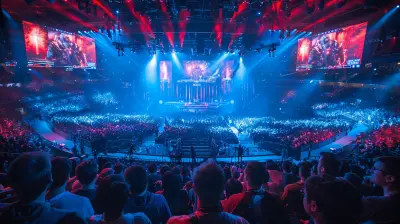
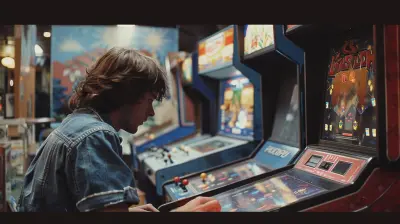
The Lost Art of Game Booklets and Instruction Manuals
11 June 2026
Do you remember the feel of cracking open a brand new video game, sliding the disc or cartridge out of its case, and instantly flipping through the booklet tucked neatly inside? Yeah, those booklets. The colorful, glossy pamphlets filled with character bios, game lore, button maps, and sometimes even mini-comics or artwork that made the experience feel extra special. They were the unsung heroes of our childhood gaming adventures — and sadly, they're almost extinct.
In today’s instant-download, digital-only gaming world, instruction manuals have become... well, a relic from the past. But maybe, just maybe, it’s time we start missing them a bit more — because they added a certain flavor that’s hard to replicate.
Let’s dive deep into the lost art of game booklets and instruction manuals, why they mattered, and what we might be missing now that they’re largely gone.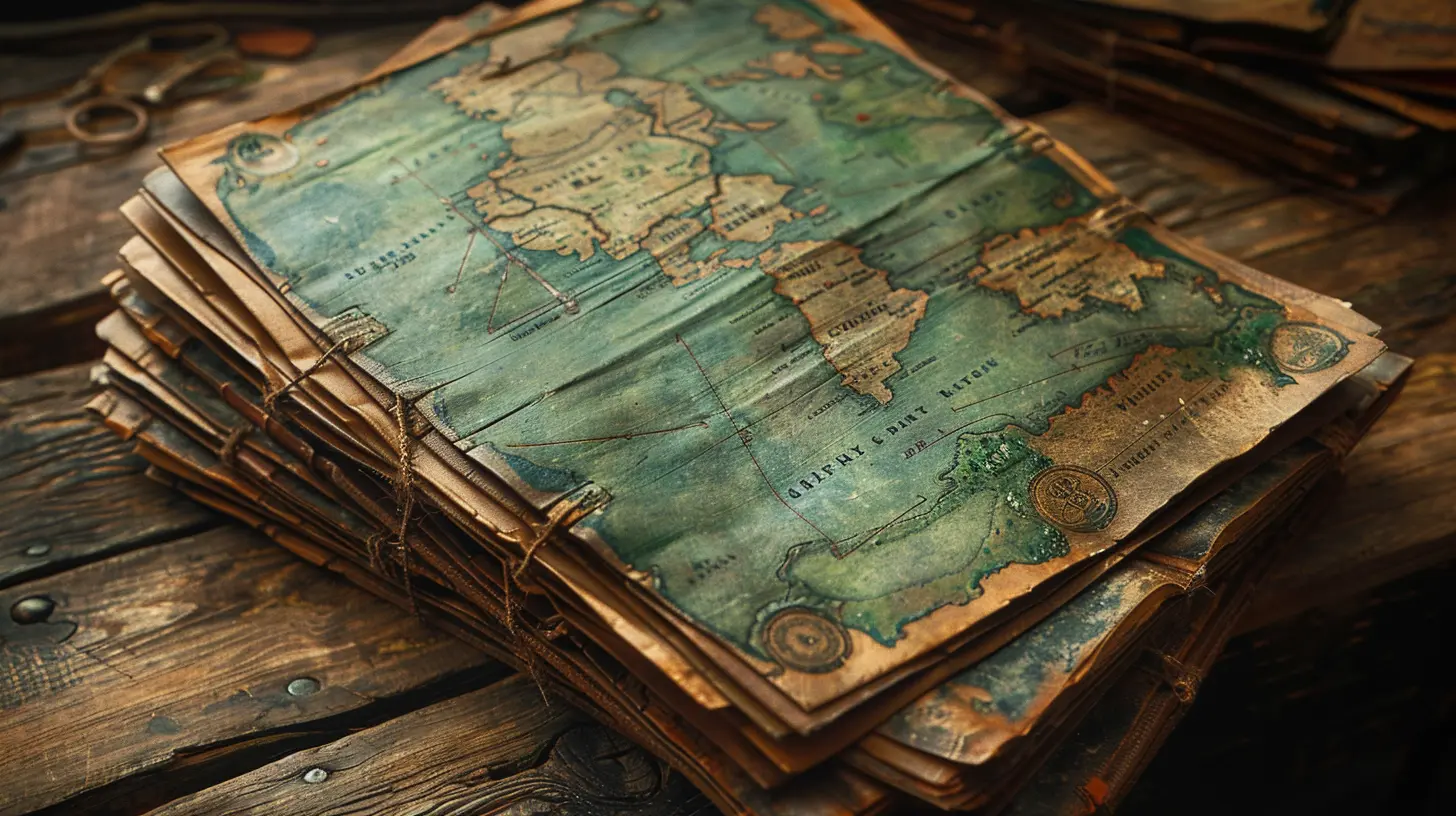
A Trip Down Memory Lane
If you grew up during the '80s, '90s, or even the early 2000s, game manuals were part of the gaming ritual. They weren’t just thrown in as an afterthought — they were crafted with care.Opening a new game always came with that rush of excitement. While the console was updating or the disc was installing (or before you even got home, if you couldn’t wait), the manual kept you entertained. You’d absorb the backstory, memorize controls, and plan your strategy — all before pressing 'Start'.
This wasn’t just paper. It was a gateway into the game’s world. And today? Well, we get a link to an online FAQ... if we’re lucky.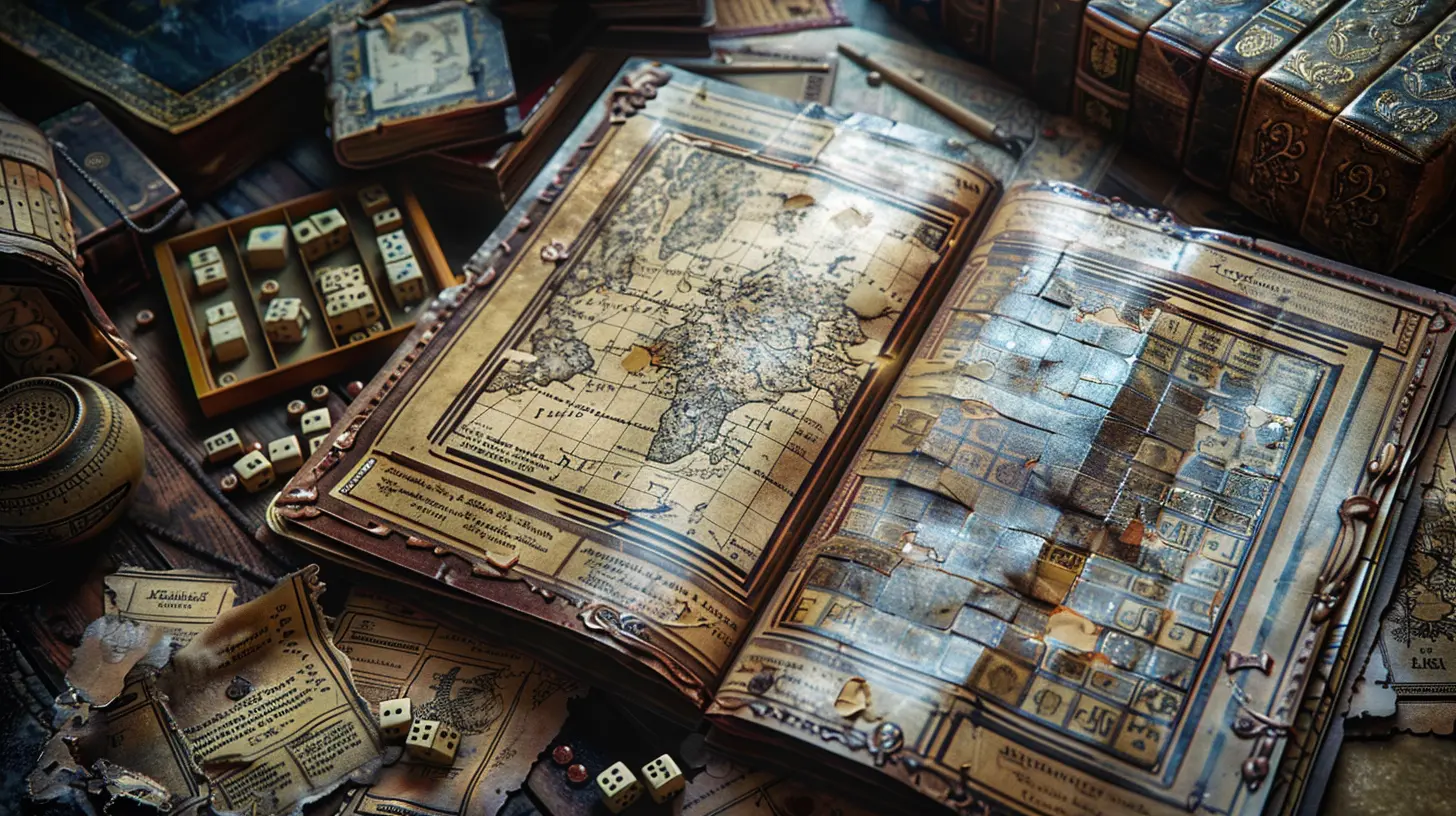
What Made Game Manuals So Special?
So why did instruction manuals leave such a mark? Let’s break it down.1. They Were Your First Look Into the Game World
Before you even loaded the game, the manual gave you your first taste. The art, the lore, the characters — it was all there. For many games, especially RPGs, the manual set the tone for everything to come. Think of it like flipping through a fantasy novel’s prologue before the action hits.2. They Were Practical (and Lifesaving)
Stuck on which button does what? The manual had your back. No YouTube tutorial or Reddit thread needed. It wasn’t just artistic fluff — it served a real purpose. From full control schemes to in-game maps, the manual was your best friend when you didn’t have an internet connection (which, let’s be honest, happened a lot in the early days).3. They Added Tangibility to the Gaming Experience
There’s something about holding a physical item that connects you more deeply to the experience. That tactile feedback — flipping pages, feeling the glossy paper, even the smell — brought a level of immersion that digital can’t replicate.It’s like vinyl records for music lovers. Sure, streaming is convenient, but nothing beats holding an album and dropping the needle.
The Rise of Digital and the Fall of the Manual
So, what happened? Why did we lose these little treasures?1. Digital Distribution Took Over
As more games moved online, publishers ditched physical packaging. No box means no manual. And while that’s good for the environment and your storage space, it also stripped away part of the charm.2. Cost-Cutting Measures
Let’s be real — printing manuals costs money. And in an industry where margins matter and digital is king, cutting manuals was a no-brainer for many companies.3. Games Became More Intuitive
Modern games come with tutorials, dynamic tooltips, and interactive guides built right into the gameplay. Who needs a manual when the game teaches you as you play? While this is a plus for accessibility, it also means we lost a piece of the artistry that developers used to include.
Hidden Gems Inside the Manuals
Believe it or not, some manuals were works of art. Let’s nerd out on a few classics.✨ Final Fantasy Series
The early Final Fantasy games included rich lore, character backgrounds, and beautiful artwork that set the mood long before the opening cutscene.? Star Fox (SNES)
One word: comic. The original Star Fox manual had a legit comic book inside explaining the story. How cool is that?? The Legend of Zelda
From hand-drawn maps to detailed enemy illustrations, the Zelda manuals felt like ancient guides passed down by Hyrule’s sages.? Metal Gear Solid
Hideo Kojima being Kojima, the Metal Gear Solid manual wasn’t just stylish — it was essential. The game famously required information from the manual to progress at one point. A genius fourth-wall-breaking moment.The Emotional Connection
Perhaps the most overlooked aspect is the emotional connection we formed with manuals.They weren’t just accessories — they were companions on our journey. Years later, flipping through a game booklet can flood your brain with nostalgia: the first time you beat a boss, the cheat code you scribbled in the margin, the times you stared at the control page during loading screens...
These booklets were intimate. They made the game feel complete. Like getting a handwritten letter instead of a text.
Manuals in the Modern Age: Are They Gone Forever?
Now, here’s the burning question: are game manuals extinct, or is there a spark of hope?Some Indie Devs Are Bringing Them Back
Believe it or not, some indie developers have started including digital (and sometimes physical!) manuals as a nod to the old days. Games like Manual Samuel play with the concept, while others offer downloadable PDFs that mimic retro styles.Collectors Still Treasure Manuals
Retro game collectors pay serious money for complete-in-box (CIB) games — and the manual is a big part of that value. There’s a whole secondary market for pristine manuals, and forums are filled with fans hunting down that one missing booklet.Fan-made Manuals Are a Thing
The community hasn’t let go. Many fans create their own unofficial manuals just for fun, complete with original art, maps, and printable versions. It’s DIY nostalgia at its finest.Why It Still Matters
You might ask, “Isn’t this all just sentimental fluff?” Not quite.Game manuals were a unique intersection of storytelling, design, and utility. They represent an era where game developers and publishers put that little bit of extra love into the packaging — where the experience extended outside the screen.
In a world full of instant gratification, waiting to download or install a game while flipping through a manual gave us time to build excitement. It created anticipation. That’s a feeling we rarely get now.
Could Manuals Make a Comeback?
Maybe not in the way we remember — but there’s room for a revival.Imagine limited-edition releases that come with old-school manuals. Or special pre-order bonuses like mini art books styled as guides. Even digital manuals with interactive elements could bring back the charm.
The truth is, as gaming matures, we’re starting to appreciate its history more. Nostalgia is powerful, and game booklets are a big part of that shared memory. Reintroducing them — even selectively — could be a huge win for fans.
Final Thoughts
The lost art of game booklets and instruction manuals is more than just a quirky chapter in gaming history — it’s a reminder of a slower, more tactile era. A time when games weren’t just downloaded and devoured, but savored. When players took a few minutes to read, imagine, and prepare before diving in.Sure, times have changed and so has technology. But just because something’s old doesn’t mean it’s irrelevant. Sometimes, looking back can inspire how we move forward.
So next time you open a game and see nothing but a disc or a blank cartridge slot, take a moment to remember the humble manual — the paper guide that once led you on epic adventures.
all images in this post were generated using AI tools
Category:
Classic GamesAuthor:

Avril McDowney
Discussion
rate this article
1 comments
Octavia Blevins
Game booklets and instruction manuals were a treasure trove of lore and tips. They added depth to the gaming experience and fostered a sense of nostalgia. It's a shame that many games today miss out on this charm.
June 11, 2026 at 3:06 AM
Avril McDowney
I completely agree. Those booklets were not just guides; they created a connection to the game world. It's a loss that modern games often skip that personal touch.