The Enduring Legacy of Pixel Art in Gaming
21 July 2026
Let’s take a trip down memory lane—for just a second. Remember blowing into your NES cartridge, the click as it slotted in, and those vibrant little pixels that popped up on your screen? Yeah, those were the days. But here's the wild part: that pixel art style we thought was just a result of hardware limitations? It never really went away. In fact, it’s thriving. Pixel art has carved out a permanent spot in the gaming world, and honestly, it’s not going anywhere anytime soon.
So, what is it about this blocky, retro look that continues to charm both gamers and developers alike? Let’s dive deep into the legacy, beauty, and continued evolution of pixel art in gaming.
What Is Pixel Art, Really?
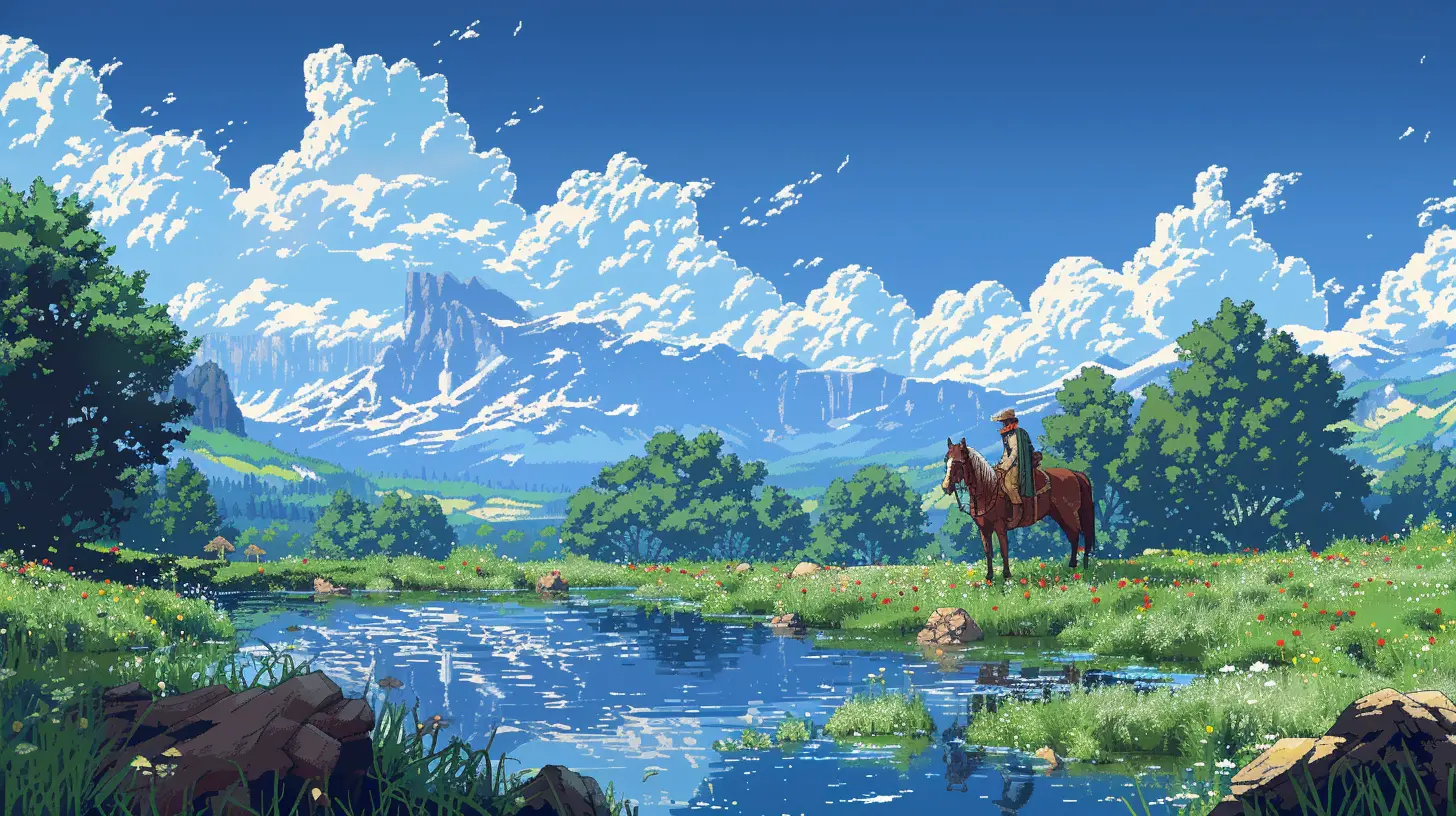
Pixel art is a digital art style where every image is meticulously created and edited pixel by pixel. Sounds tedious? It absolutely is. But what it lacks in speed, it makes up for in charm, character, and style. It’s like the digital version of painting with tiny beads—time-consuming but incredibly expressive.Back in the 8-bit and 16-bit eras, pixel art wasn’t a stylistic choice. It was a necessity. Consoles like the NES and SNES simply didn’t have the power to support detailed 3D graphics or high-resolution textures. So, devs got creative within tight constraints, squeezing out amazing art that still hits us right in the nostalgia.
Why Pixel Art Refuses to Die
You might think that with today’s ultra-powerful consoles and hyper-realistic visuals, we’d have left pixel art in the past. Spoiler alert: we didn’t. And here’s why.1. Nostalgia is a Heck of a Drug
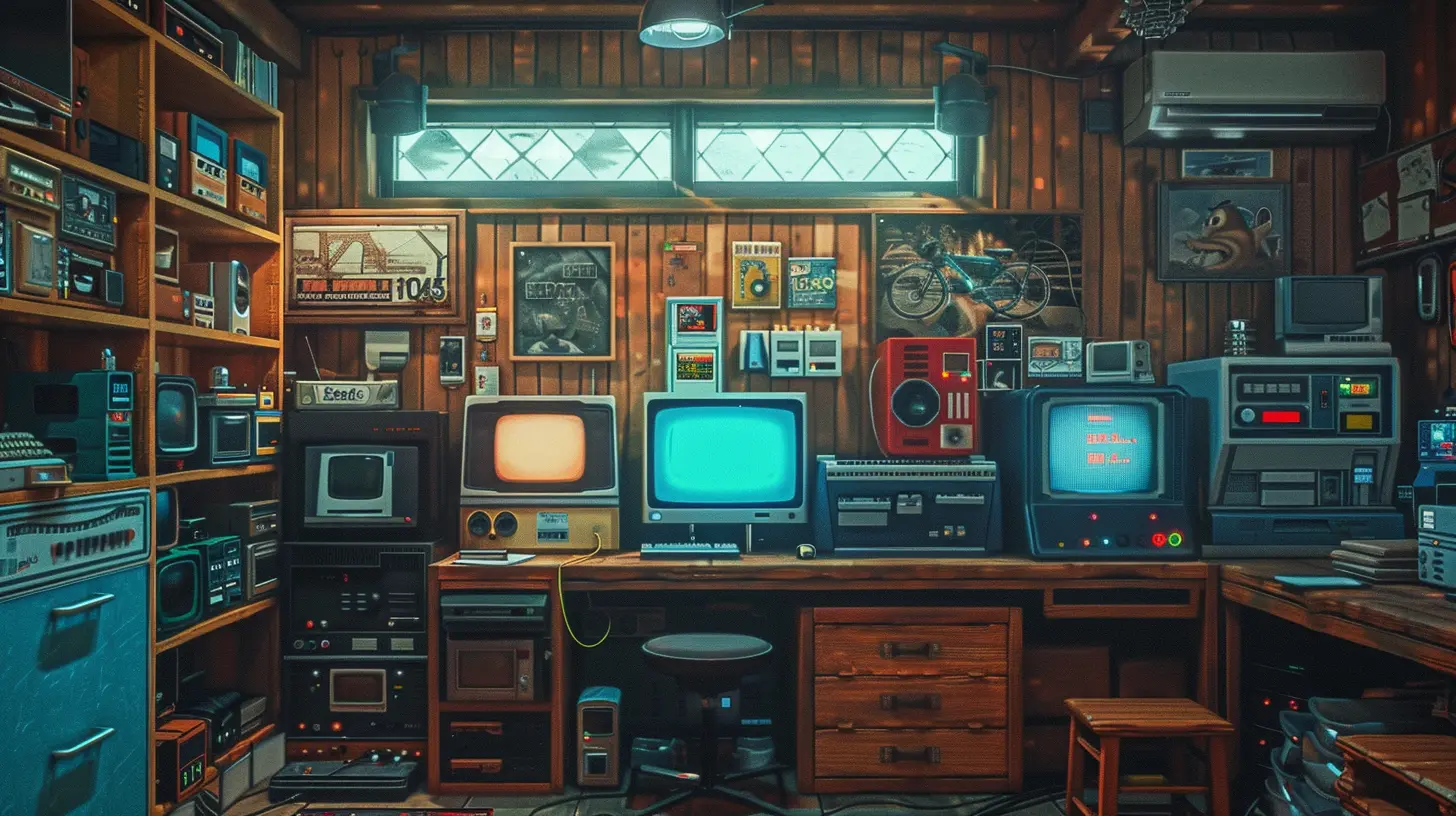
Let’s be real—pixel art scratches that nostalgic itch like no other. For many of us, our first gaming experience was pixel-based. Whether it was jumping over barrels as Mario or slashing through bushes in Hyrule, those pixelated visuals are tattooed on our childhoods.Game devs know this. They tap into that retro love to create new releases that feel both familiar and fresh. Games like Stardew Valley, Shovel Knight, and Hyper Light Drifter use pixel art not just as a visual style, but as a time machine for your emotions.
2. It’s An Artistic Choice, Not a Limitation
These days, pixel art isn’t developed out of necessity—it’s chosen intentionally. Developers use it because it has a distinct look, and it can tell stories in a minimalistic yet powerful way.If modern 3D graphics are a full-blown CGI movie, pixel art is like a comic book—less is more. The constraints can actually spark creativity. Artists use palette limitations, smart shading, and clever animations to breathe life into their creations, proving that you don’t need 4K resolution to pack a punch.
3. Accessibility for Indie Developers
Let’s talk practical stuff. High-quality 3D models and animations? They’re expensive and take a lot of time and skill. But pixel art offers a much lower barrier to entry, especially for solo devs or small indie teams.Many modern indie hits—like Celeste, Undertale, and Dead Cells—used pixel art because it allowed the focus to be on tight gameplay and meaningful storytelling instead of burning resources on hyper-detailed graphics. For indie devs, pixel art is kind of like duct tape: cheap, versatile, and surprisingly strong.
4. Timelessness Over Trendiness
Let’s face it, flashy 3D graphics age like milk. What looked revolutionary in 2006 looks stiff and awkward in 2024. But pixel art? That stuff is timeless. Games like Chrono Trigger, Earthbound, and Super Mario World still look amazing today.Why? Because pixel art isn’t trying to mimic real life. It embraces the abstract, so it sidesteps the whole “uncanny valley” problem entirely. Instead, it invites your imagination to fill in the blanks—just like a great book paints images in your mind using only words.
Pixel Art in Modern Game Design
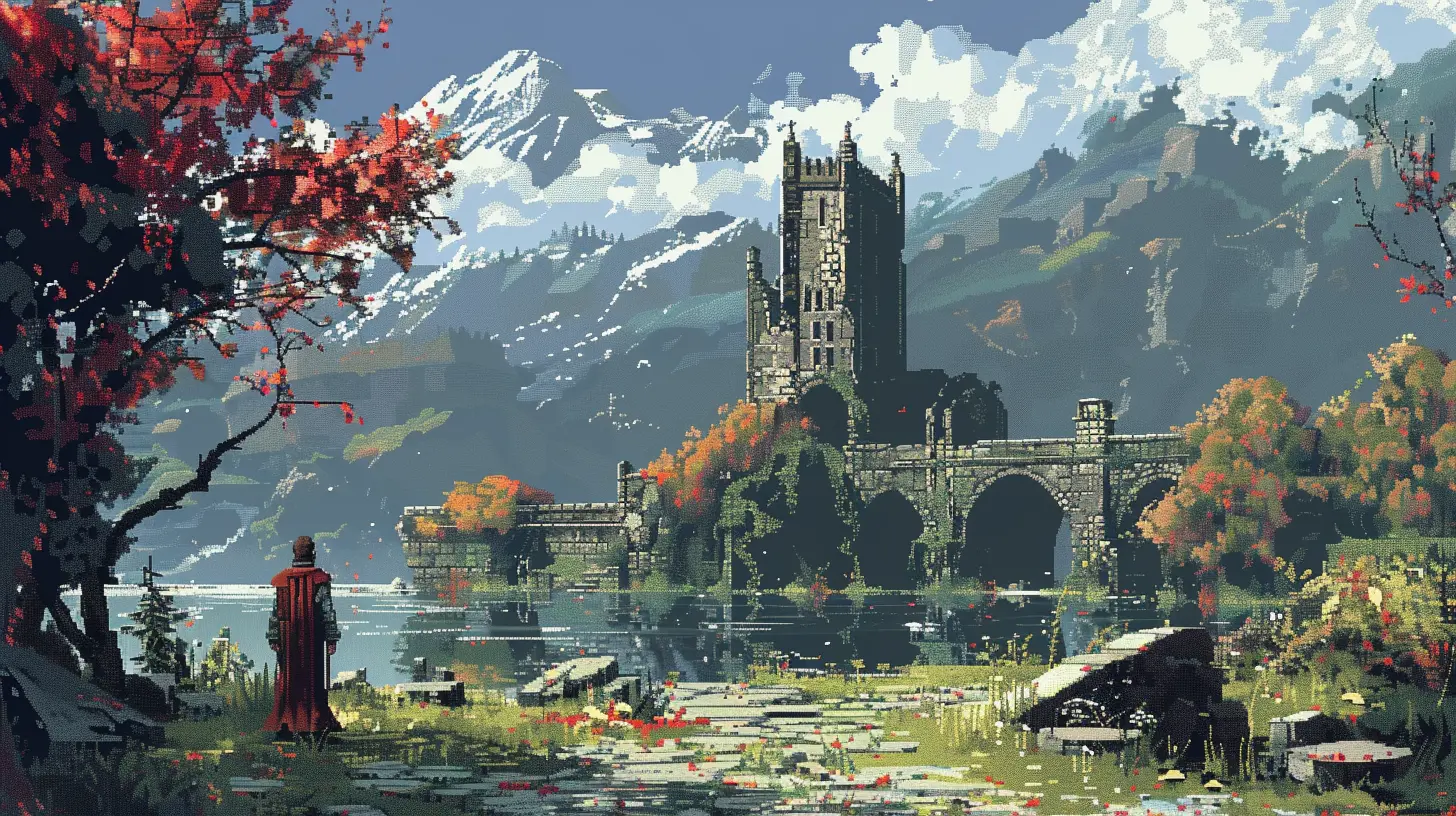
Pixel art is no longer relegated to the indie scene or mobile games. It’s evolving alongside technology and reaching new heights. Let’s break down how it’s being reimagined in today’s titles.Advanced Lighting and FX Meet Retro Aesthetics
Modern engines like Unity and Godot support lighting, shaders, and particle effects that can work beautifully with pixel art. The result? Gorgeous visuals that blend old-school charm with next-gen sparkle.Take Octopath Traveler for example—it uses what Square Enix calls “HD-2D,” a hybrid style that merges pixel characters with 3D environments and dynamic lighting. It looks like a moving diorama and feels like a warm hug from your SNES.
Bigger Worlds, More Pixels
Back in the ‘80s and ‘90s, memory limitations restricted how big worlds could be. These days? Not so much. Now we’re seeing expansive pixel-designed maps with intricate details and seamless transitions.Games like Noita use real-time physics in a fully-destructible pixel world. Yes, that’s right—each pixel can interact with the others. It’s like pixel art got a PhD in science and decided to blow your mind.
Detailed Animation Meets Old-School Charm
Another way modern pixel art is leveling up? Smooth animation. Classic games had fewer frames to work with, which made characters look a little janky by today’s standards. Now? Animations can have dozens of frames and still maintain that pixel-perfect aesthetic.Blasphemous is a great example—its gothic, grim aesthetic wouldn’t be as impactful in another style. The incredibly detailed pixel sprites move gracefully, blending horror and beauty in a way that 3D might struggle to pull off.
The Cultural Power of Pixel Art
Beyond the gameplay, pixel art holds cultural significance. It’s more than a visual style—it’s a statement, a nod to gaming’s roots, and sometimes even a rebellious middle finger to bloated AAA developments that rely more on graphics than substance.A Global Artistic Movement
Pixel art isn’t confined to just games. It’s exploded in the art world, especially online. Social media's full of artists crafting insane sprite sheets, mock game screens, and animated GIFs that show just how versatile pixel art can be.It’s a form that speaks a universal language. No matter where you are in the world, a well-crafted pixel character can evoke emotions, tell a story, or make you laugh—all with just a few dozen colored squares.
Educational Gateway for New Developers
Pixel art has become a valuable educational tool. Many budding developers start here, learning animation, color theory, and game design basics through pixel-sized experimentation.Why? Because it forces you to focus on the essentials. Limited pixels = sharper focus on design. It's like learning to cook with just a few ingredients. If you can master simplicity, you're golden when things get complex.
Pixel Art in the Future: Where's It Headed?
You might wonder, “Okay, so it’s great and all, but what’s next?” Good question.Pixel art will continue to evolve, not as a dated style, but as a flexible canvas for fresh ideas. With the rise of VR, AR, and AI-driven tools, we might soon see pixel art games where each pixel reacts to your movement or environment. Imagine walking through a world where every blocky leaf rustles when you pass, or every pixel on a sword glows dynamically during a fight. Yeah, we’re getting there!
It’s also likely that we’ll see more games blending styles—like pixel art mixed with vector graphics, hand-drawn backgrounds, or even 3D models. Think of it as genre-blending for visuals.
And with the increasing value placed on indie games and artistic vision, pixel art will remain relevant not despite its simplicity—but because of it.
Final Thoughts: Why Pixel Art Still Matters
Pixel art isn’t just a relic of the past. It’s a living, breathing art form that’s not bound by time, technology, or trends. It’s proof that powerful stories, captivating gameplay, and breathtaking visuals don’t need gigabytes of textures or cinematic realism.In a world obsessed with ultra-realism and cutting-edge graphics, pixel art is the quiet rebel in the corner, crafting unforgettable adventures with nothing more than squares of color and a whole lot of heart.
Whether you’re a gamer, a dev, or just someone who appreciates good visual storytelling, pixel art serves as a reminder that sometimes, the old ways still have something important to say. And let’s be real—it’s just so freaking cool.
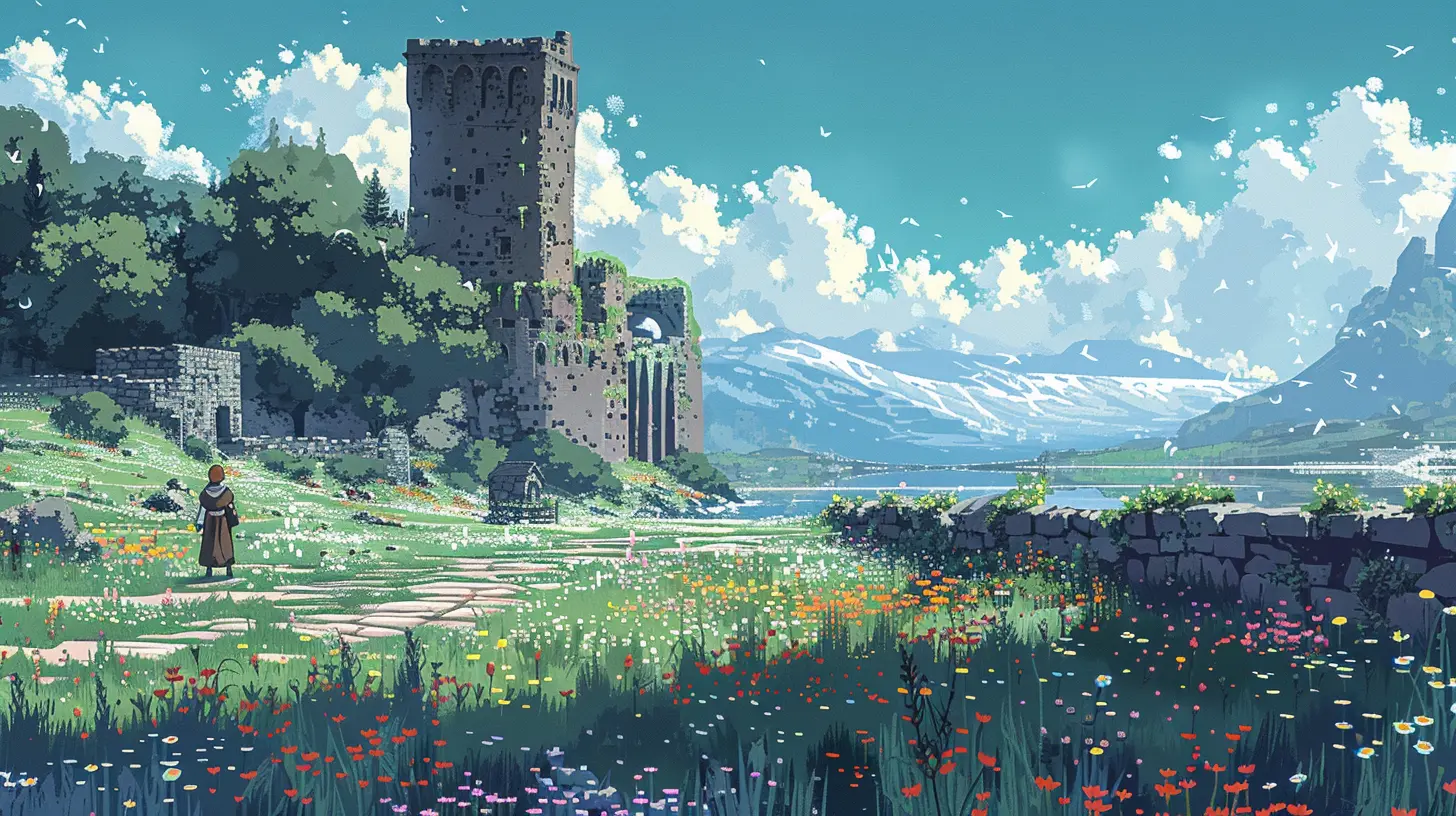
all images in this post were generated using AI tools
Category:
Classic GamesAuthor:

Avril McDowney