Iconic Villains Who Made Classic Games Legendary
8 December 2025
Ever played a game that just wouldn’t be the same without the villain? You know, the kind of baddie who leaves a permanent mark in your memory—maybe even more than the protagonist? Yeah, we’ve all been there. The truth is, behind every legendary game lies a villain who pushed the story forward, raised the stakes, and made our victories feel earned.
Without these iconic antagonists, our favorite games wouldn’t be half as compelling. So, grab your controller, take a seat, and let’s dive into the list of villains who turned great games into unforgettable classics.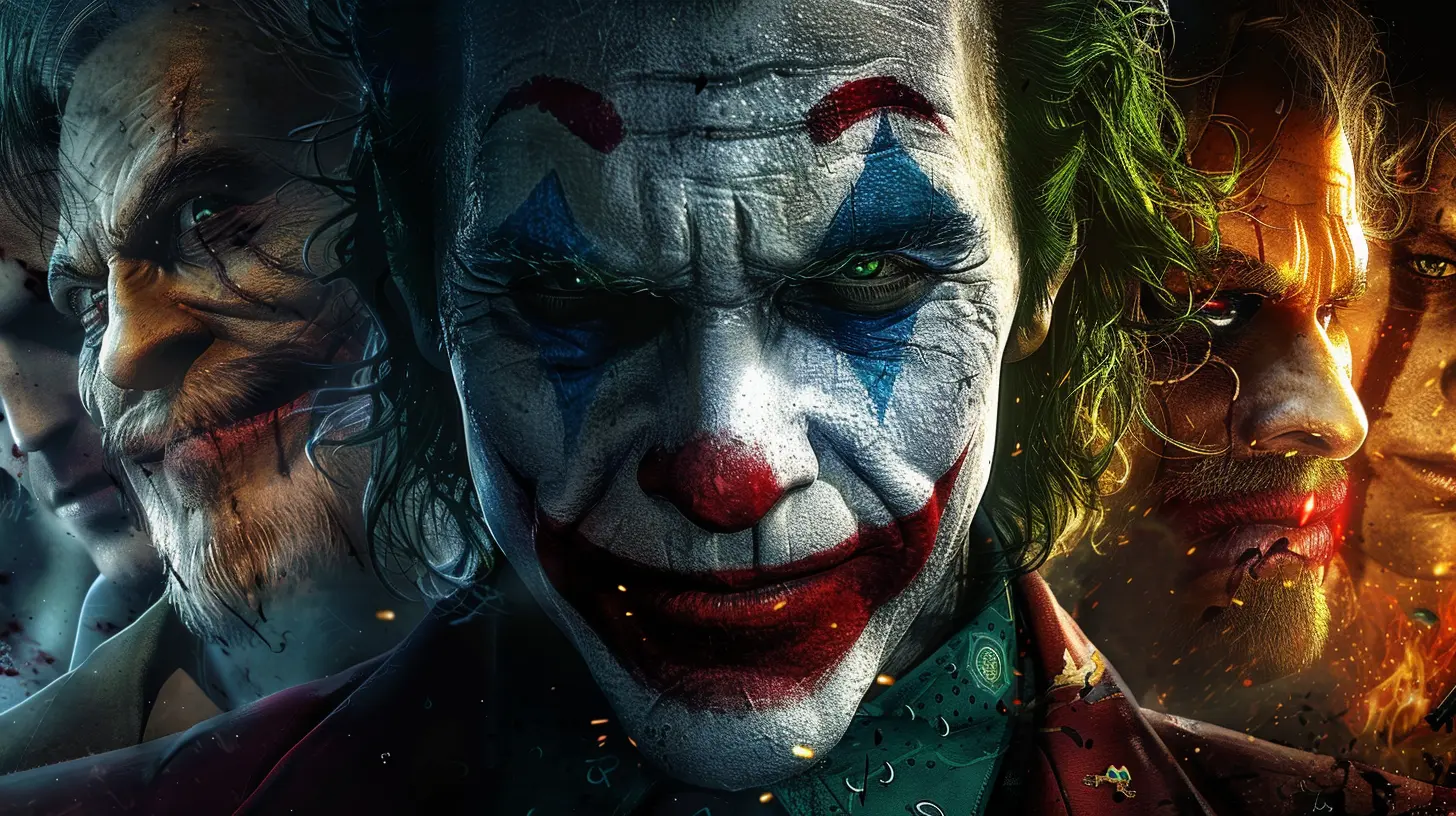
Why Villains Matter in Games
Let’s face it—heroes are only as good as the villains they go up against. A bland villain? That’s just a roadblock. But a brilliant, menacing, unforgettable one? That's the backbone of a legendary story.Villains are not just the bad guys; they’re the spice in your story stew. They’re the reason you care, the reason you get mad, the reason you keep playing just to wipe that smug grin off their face. They challenge you, mock you, and sometimes even make you question your own choices.
So when a game nails the villain, it elevates everything else—story, gameplay, emotion, the whole deal.
1. Sephiroth – Final Fantasy VII
Let’s start with the silver-haired menace himself: Sephiroth. If you’ve played Final Fantasy VII, you already know this guy is a walking nightmare wrapped in calm, cold charisma.Sephiroth isn’t your average "end-of-level boss." He’s a twisted mix of fallen hero, science experiment, and nihilistic god-wannabe. His mere presence in the game is intimidating. That haunting piano tune—One-Winged Angel—is practically made to make players sweat bullets.
What made Sephiroth truly legendary wasn’t just his power—it was the emotional punch. When he commits THAT act (you know the one), it sends shockwaves through the player’s heart. That moment alone etched him into gaming history.
2. Ganon / Ganondorf – The Legend of Zelda Series
If there’s one villain who’s stood the test of time, it’s Ganon (or Ganondorf, depending on the game). This guy is basically the Darth Vader of video games.He’s been tormenting Link and Zelda since the NES days, and somehow, he just keeps coming back, almost like evil incarnate. Whether he’s a beastly monster or a calculating warlock, Ganon represents chaos, power, and persistence.
His role goes beyond just “bad guy in the castle.” He’s tied into themes of balance, courage vs. power, and the cycle of fate. That gives him a mythological flavor that adds depth to every Zelda installment.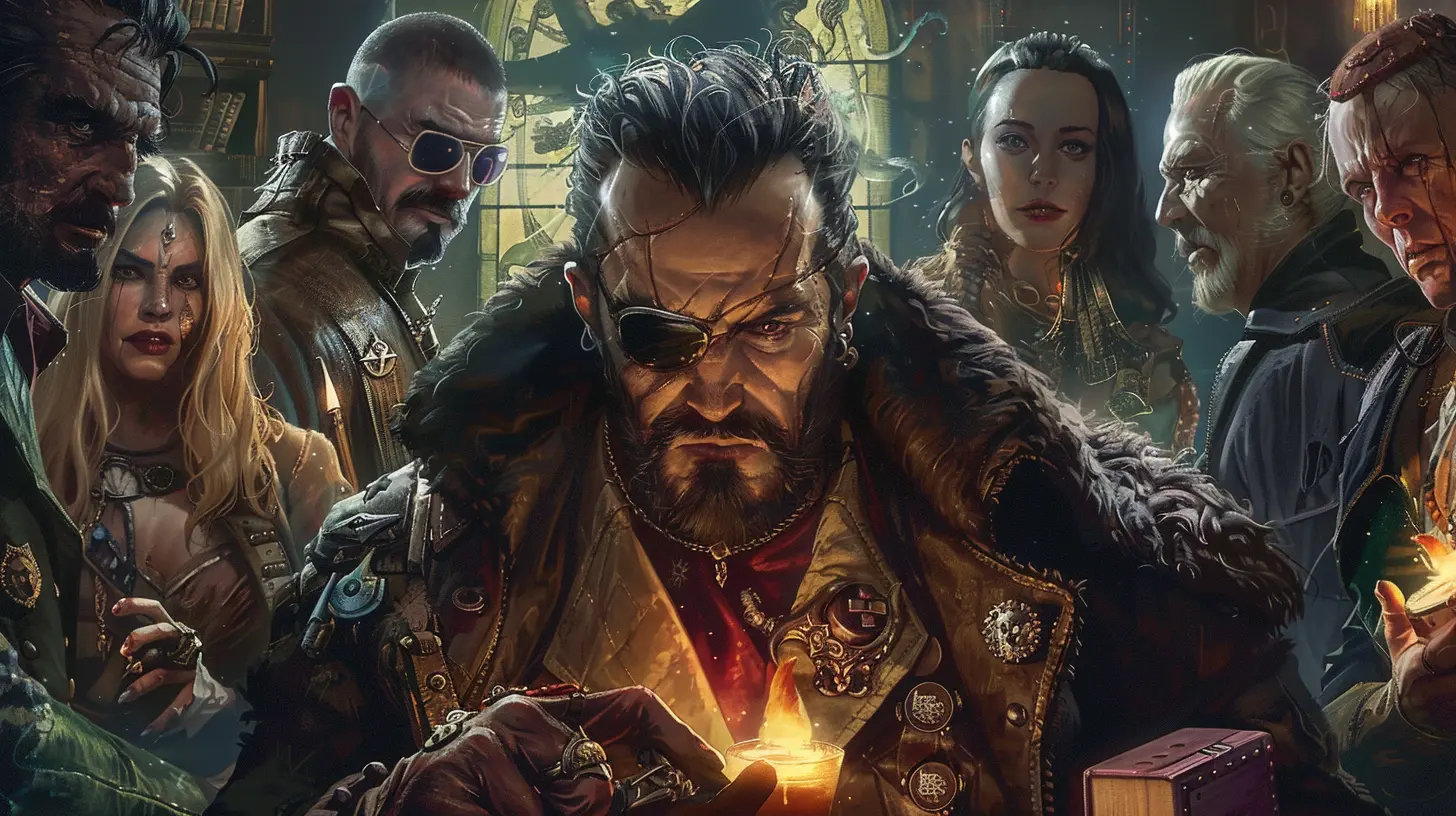
3. Bowser – Super Mario Series
Okay, hear me out—Bowser may not be terrifying like Sephiroth, but the Koopa King is undeniably iconic.He’s been kidnapping Princess Peach since 1985 and built an empire made of lava pits, flying ships, and angry mushrooms. That’s dedication. And you have to admit, in recent games, Bowser has even shown personality. He’s not just a villain; he’s a dad, a sore loser, sometimes even comic relief.
But when push comes to shove (literally), Bowser can still be a serious threat—especially in games like Super Mario Galaxy or Odyssey. His longevity and adaptability are why he stays at the top.
4. Albert Wesker – Resident Evil Series
Wesker isn’t just a bad guy—he’s the slippery, sunglasses-wearing agent of doom who makes surviving the zombie apocalypse that much harder.Part mad scientist, part super-powered monster, Wesker embodies the cold, calculating “evil corporation” villain archetype. He doesn’t just want to rule, he wants to evolve—by infecting the world with bioweapons.
His betrayal in the original Resident Evil was a jaw-dropper, and his return in later games only raised the stakes. Wesker makes you feel like you're always one step behind, and that’s what great villains do—keep you on your toes.
5. The Illusive Man – Mass Effect Trilogy
Not all villains need claws or magic. Some wear a suit, sip a drink, and manipulate entire galaxies.That’s the Illusive Man in a nutshell. Played by the always-iconic Martin Sheen, this guy is all about control. He doesn’t twirl a mustache—he messes with your morals.
Throughout Mass Effect, he challenges Commander Shepard’s decisions, blurs the lines between hero and villain, and makes you question whether he’s really wrong. That’s powerful storytelling.
His downfall isn’t just dramatic—it’s tragic. We see a man consumed by his own belief in control, ultimately becoming the very thing he tried to fight. That's villainy with layers.
6. Vaas Montenegro – Far Cry 3
If we’re talking pure, chaotic energy, Vaas Montenegro takes the cake.He’s unpredictable, violent, and disturbingly philosophical. His iconic “definition of insanity” speech? That’s burned into gaming DNA. Vaas doesn’t care about world domination—he just wants to dismantle you mentally.
In Far Cry 3, Vaas turns what could’ve been a generic shooter into a psychological thriller. You play as a regular dude thrust into madness, and Vaas is the mirror showing you what you could become. That’s next-level villainy.
7. Andrew Ryan – BioShock
"Would you kindly…"Never have three words hit harder. Andrew Ryan isn’t a traditional villain. He’s more of an idea—a flawed philosophy given life. The founder of the underwater city Rapture, Ryan believes in objectivism and free will… until it clashes with reality.
What makes Andrew Ryan so unforgettable is how the game slowly reveals his true nature. He’s not evil out of greed or revenge—he’s a man so obsessed with his ideals, he becomes a prisoner of them.
And that twist? Oh, it's not just shocking, it’s genius. Ryan turns BioShock from a shooter into a commentary on choice, control, and identity.
8. Kefka Palazzo – Final Fantasy VI
If the Joker and a court jester had a lovechild, it’d be Kefka.He starts off as a sideshow—irritating but ignorable. Then, slowly, he unravels into a full-on psychopath who literally destroys the world. Yep, Kefka wins halfway through the game and becomes a god.
What makes Kefka stand out is his unpredictability. He laughs at suffering, poisons entire cities, and mocks humanity. He's chaos incarnate, and you can't reason with chaos.
By the end, defeating him doesn’t just feel like a win—it feels like restoring balance to a broken world.
9. Handsome Jack – Borderlands 2
Handsome Jack is what happens when charisma meets cruelty.He's hilarious, sarcastic, and somehow still makes you rage every time he opens his mouth. Jack spends the whole game mocking you, killing off characters you care about, and convincing himself he’s the hero.
He’s not just a villain—he's a narcissistic egomaniac who runs a corporation like it’s a Saturday morning cartoon. And yet, he’s likable in a twisted way. You hate him, but you also can't wait to hear what he’ll say next.
His downfall is painful, poetic, and oh-so-satisfying.
10. The Joker – Batman: Arkham Series
Of course, we can’t leave out the Clown Prince of Crime. The Joker is already iconic, but Arkham Asylum and its sequels gave us one of the best portrayals ever—thanks to the incredible voice work of Mark Hamill.What makes Joker so terrifying isn’t just his madness—it’s his obsession. He views Batman not as an enemy, but a partner in crime. Their twisted relationship becomes the emotional core of the series, especially in Arkham City and Arkham Knight.
He’s not just part of the story—he IS the story. Without Joker, the Arkham games wouldn’t be half as compelling.
What Makes a Villain Truly Iconic?
So, what separates these legends from your garden-variety cosmic evildoer? Three things:1. Personality – They’re not cookie-cutter bad guys. They’ve got quirks, philosophies, backstories—reasons.
2. Connection to the Hero – The best villains are tied to the hero’s journey. They challenge not just the hero’s strength, but their values.
3. Memorability – Whether it’s a chilling voice, a shocking betrayal, or just flat-out chaos, these villains leave a mark.
You don’t just fight them. You remember them.
Wrapping It Up
Think about your favorite games. Chances are, there’s a villain in there who elevated the story, made the stakes real, and gave you a reason to care. That’s the power of a great villain—they don’t just exist to be defeated; they exist to make the journey worthwhile.From Sephiroth to Joker, these iconic villains didn’t just make games better. They made them legendary.
So next time you boot up a classic title, take a moment to appreciate the bad guy—because without them, the hero’s journey just wouldn’t hit the same.
all images in this post were generated using AI tools
Category:
Classic GamesAuthor:

Avril McDowney
Discussion
rate this article
2 comments
Alisha Nelson
Great insights on memorable villains!
December 10, 2025 at 5:23 AM
Avril McDowney
Thank you! I'm glad you enjoyed the insights!
Zora Wilcox
This article beautifully captures the essence of gaming's most memorable villains. Their complex motivations and unforgettable encounters not only elevated the gameplay but also left lasting impressions, shaping the narratives we cherish today.
December 9, 2025 at 4:08 PM
Avril McDowney
Thank you! I'm glad you enjoyed the article and appreciated the depth of these iconic villains. Their complexity truly does enhance the gaming experience!