How Level Design Supports or Hinders Progression
26 April 2026
When we sit down to play a video game, we usually think about the story, the graphics, or maybe even the main character we’re about to embody. But there’s something subtly guiding our experience that often gets overlooked: level design. Whether you’ve noticed it or not, level design is like the invisible hand behind your adventure, quietly shaping how you explore the world, solve challenges, and move forward — or sometimes, grind to a frustrating halt.
In this article, we’re diving into how level design supports or hinders progression. Why does one game feel like a smooth ride while another feels like you’re constantly banging your head against a wall? Let's break it down in a fun, simple, and relatable way.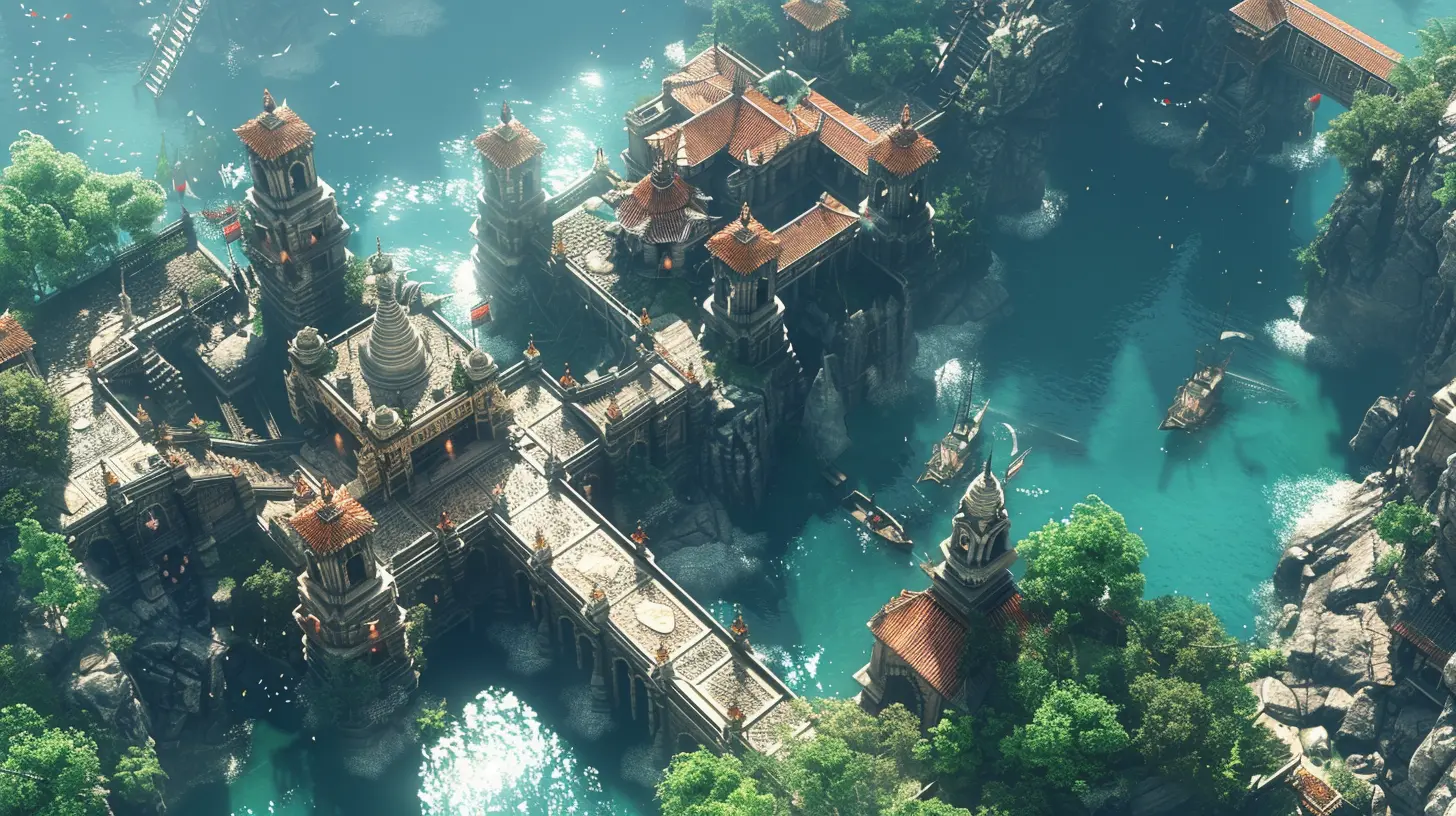
What Is Level Design, Anyway?
Alright, let’s start with the basics. Level design is the art (and science!) of crafting the environments and stages in a game. It’s where developers decide:- Where enemies are placed
- How puzzles are laid out
- What paths a player can take
- And even where that sweet, sweet loot is hiding
Think of it like setting up a board game — the rules might be the same, but the layout changes everything. A well-designed level can feel like a rollercoaster ride you don’t want to get off. A bad one? More like wandering in a maze with no exit in sight.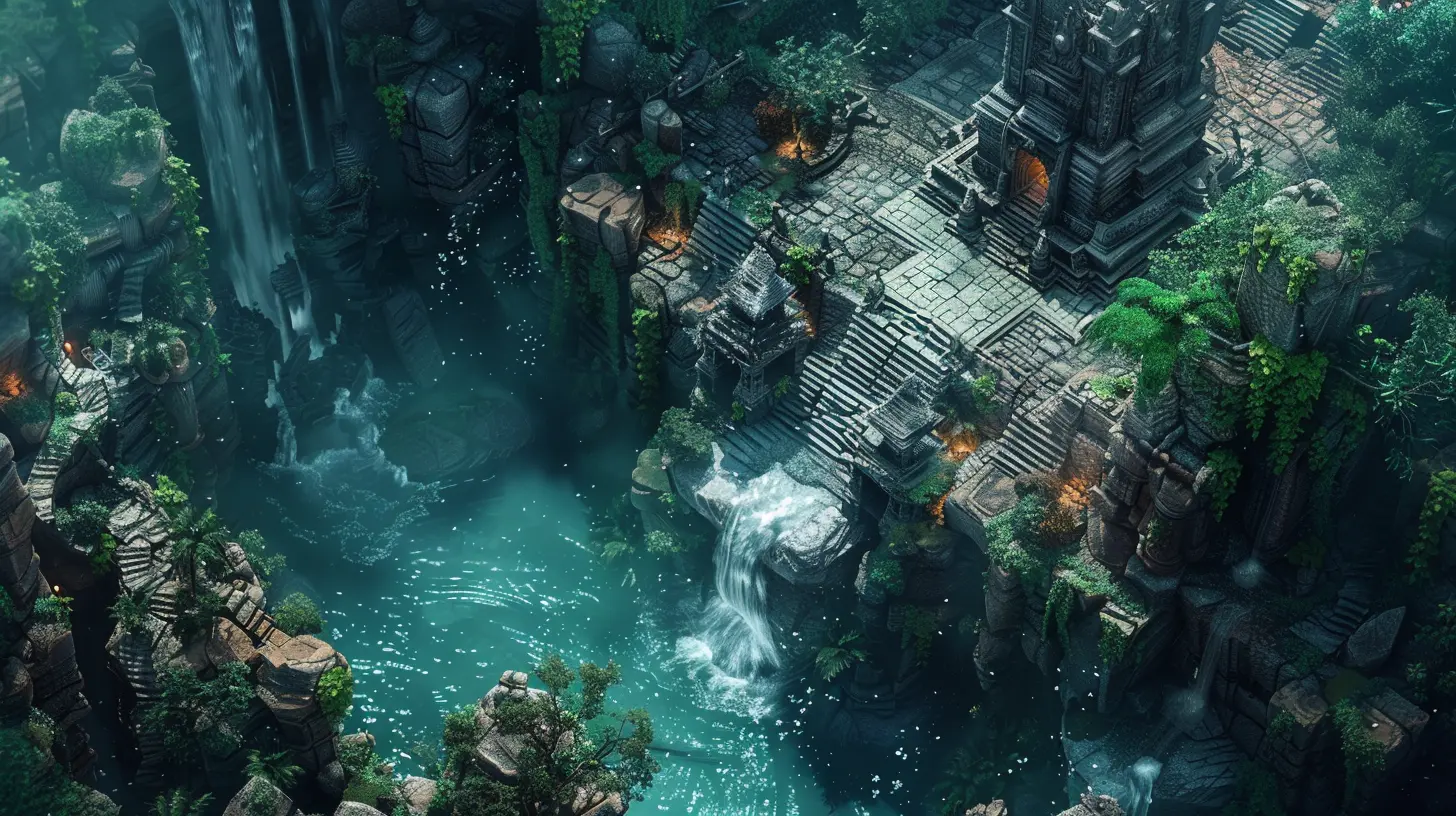
Good Level Design = Smooth Progression
Let’s talk about the good stuff first. There’s a magical feeling when a game just flows, right? You’re challenged, sure, but you’re always moving forward, always learning. That’s no accident.1. Clear Visual Cues
Ever played a game where a glowing path or cleverly placed light subtly shows you where to go? That’s intentional. Great level design often uses visual elements to nudge you in the right direction — without shoving it down your throat.Games like Portal or Half-Life 2 are masters of this craft. They use lighting, colors, and props (like arrows made out of debris) to guide players naturally.
2. Gradual Difficulty Curve
Imagine if the first level of a game dropped you in front of a boss with ten health bars. Brutal, right? Good level design understands pacing. It starts simple, teaching you mechanics step-by-step before cranking up the challenge.Think Super Mario Bros. — the first level practically trains you how to play, from jumping on Goombas to timing your runs. Before you know it, you're smashing everything in sight like a pro.
3. Smart Checkpoints and Save Systems
Nobody likes repeating the same 10-minute segment over and over because of badly placed checkpoints. When save points and respawn locations are positioned thoughtfully, they reduce frustration and keep you in the zone.Ever noticed how Dark Souls (even with its punishing difficulty) feels fair because of how bonfires are placed? That’s no coincidence.
4. Freedom with Direction
One of the best feelings in gaming is when a level offers multiple paths, giving you the freedom to explore, but still subtly leads you forward.The Legend of Zelda: Breath of the Wild nails this. It encourages curiosity while dropping landmarks in the distance you naturally want to wander toward. You're exploring freely, but you're never truly lost.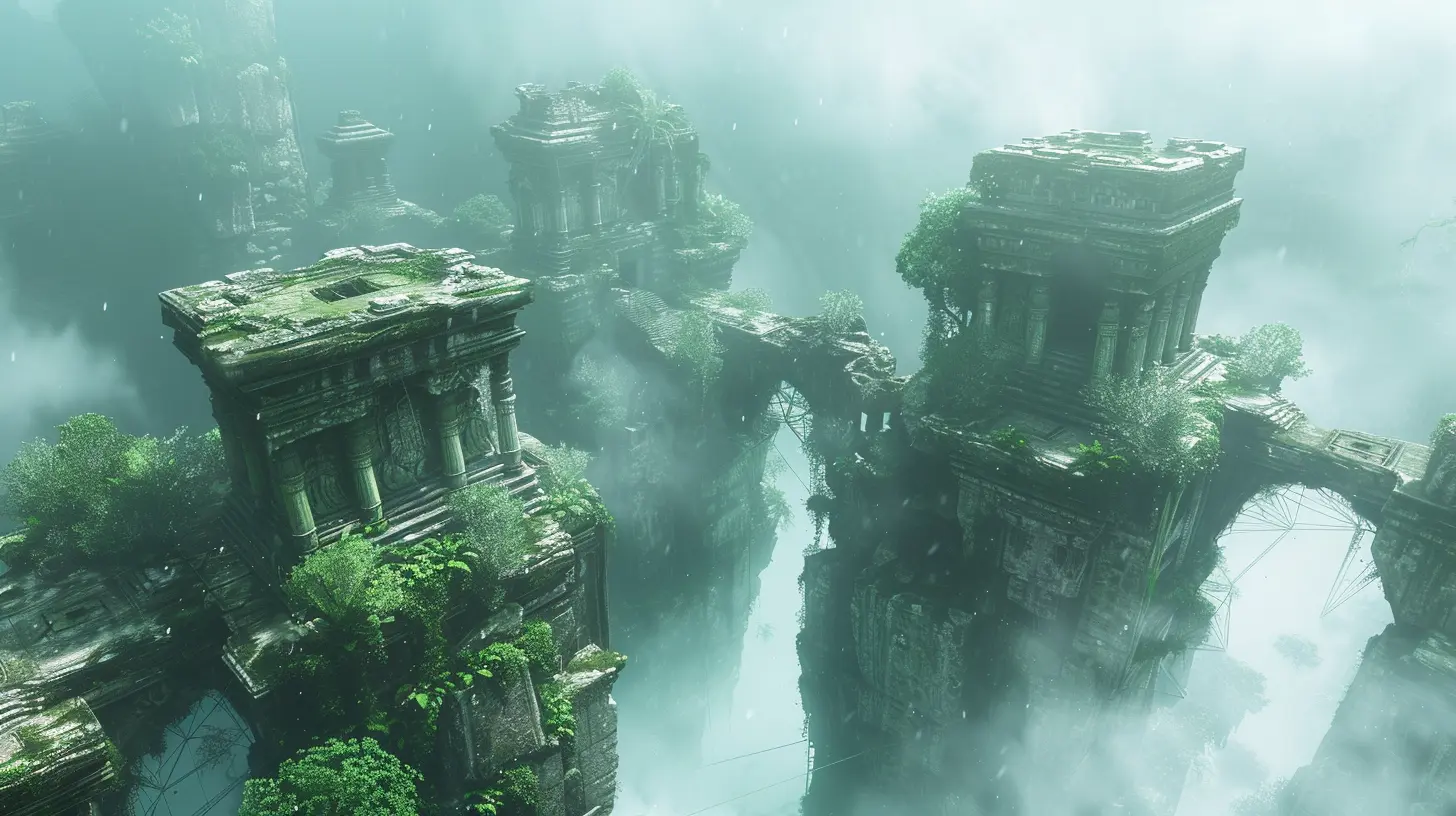
When Level Design Goes Wrong
Now, let’s talk about the dark side. Even amazing games can suffer from poor level design choices that slow progression, confuse players, or straight up make you quit.1. Poor Signposting
Ever been stuck because you didn’t know where to go? It’s not always your fault. Sometimes, levels don’t give enough clues. If a door blends into the wall or the path forward looks like background scenery, that’s a design fail.This can break immersion, leaving players frustrated and disoriented.
2. Frustrating Difficulty Spikes
One moment you're breezing through the game, and the next — whoops! — you're stuck on a level that’s borderline impossible. Jarring difficulty jumps can kill momentum.It's like going from a 5K jog to sprinting up a mountain without warning. Not fun.
3. Repetitive Layouts
If every hallway looks the same and every room blends together, it’s easy to get bored — or worse, lost. Stale level design feels like eating mashed potatoes for every meal. Comforting at first, but eventually you just want something different.4. Overdone Backtracking
Backtracking can work if it’s done cleverly (hello again, Metroidvania games). But if you’re constantly running back through the same empty corridors for no real reason? That just pads out the game and tests your patience. Ain’t nobody got time for that.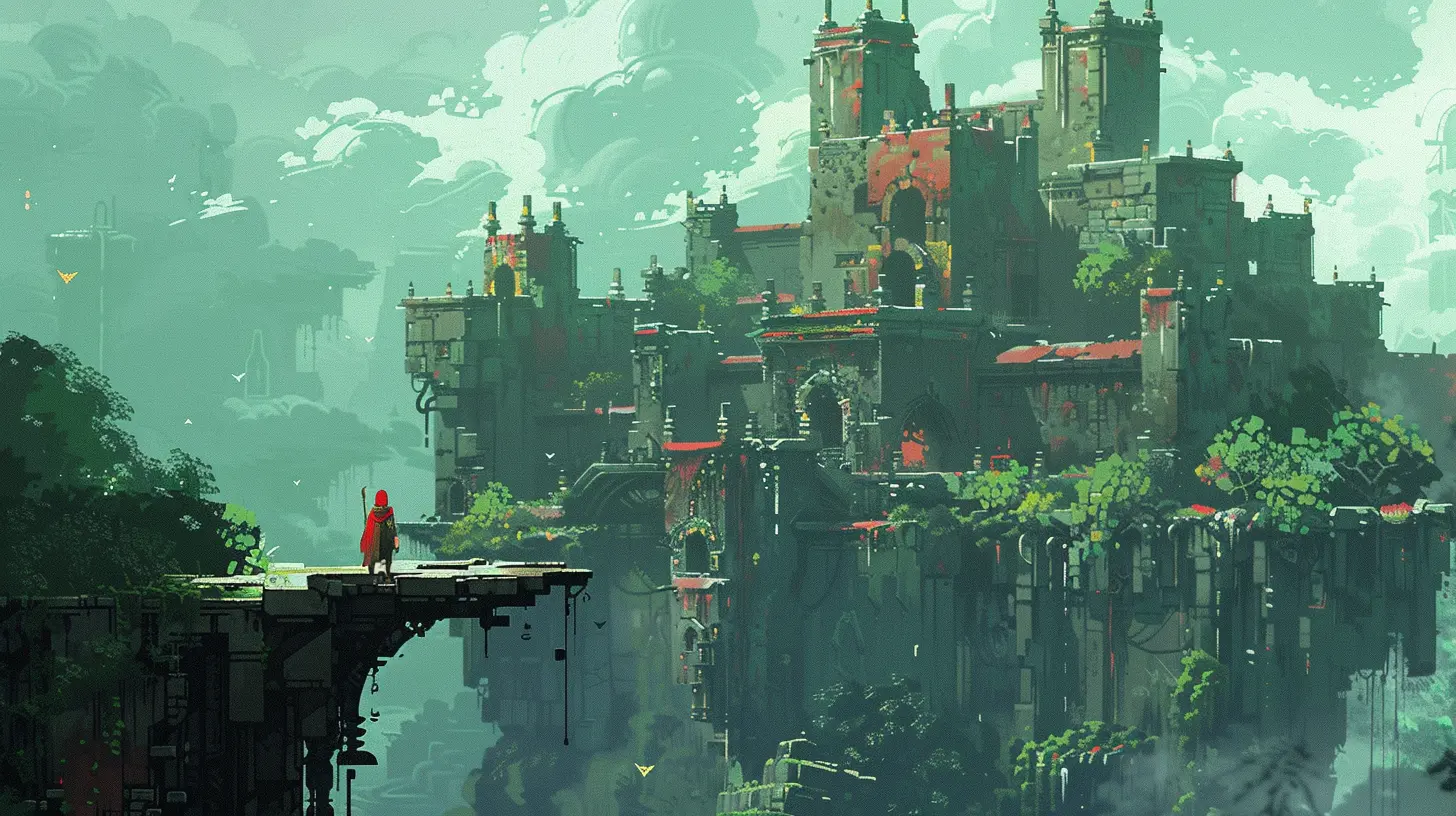
The Psychology Behind Level Design and Progression
Here’s where it gets really interesting. Good level design doesn’t just help you move from point A to B — it works with your brain.Flow State Matters
You ever get so into a game that hours fly by without noticing? That’s called “flow.” Great level design keeps you in the sweet spot — not too easy, not too hard — just enough challenge to stay engaged.If a level is too confusing or punishing, it breaks flow. And once that immersion's gone, it’s hard to get it back.
Reward Structures
Smart level design rewards exploration and smart thinking. Whether it’s secret areas, bonus items, or even just a cool cutscene, rewards make the journey feel meaningful.You feel like you earned it, and that builds satisfaction — and keeps you hooked.
Real-World Examples of Level Design Mastery (and Missteps)
Let's look at a few games that absolutely nailed it — and some that stumbled.Masterclass Moments
- Celeste — Each level is like a perfectly crafted puzzle. It’s tough, but every failure feels like a lesson. The design respects your time and skill.- Titanfall 2 (Especially the level "Effect and Cause") — This level lets you switch between past and present in real time. It’s not just cool — it’s smartly designed to push you forward without confusion.
- Inside — Minimal UI and dialogue, but its level design tells the entire story and leads you forward with environmental clues alone.
Oops, Try Again
- Aliens: Colonial Marines — Bland, copy-paste corridors with poor lighting and unclear objectives made progression a chore.- Mass Effect: Andromeda (some planets) — Large open areas with very little meaningful direction often made progression feel like aimless wandering.
The Role of Player Feedback
Here’s the thing — no level designer gets everything right on the first try. This is where beta testing and community feedback come into play.When developers listen to players, tweaking layouts, adding checkpoints, or even patching new signposts, it shows they care about progression. Games like No Man’s Sky and Cyberpunk 2077 improved dramatically post-launch, partly due to better design updates influenced by feedback.
How Indie Games Innovate Level Design
Don’t sleep on indie developers! They often take wild, creative risks with level design that push the envelope.- Hollow Knight — The sprawling map is intimidating, but smart landmarks and shortcuts create a satisfying loop of exploration.
- Superliminal — A puzzle game based on forced perspective. You literally change the world based on how you look at it. Insanely creative level design!
These games prove that you don’t need a AAA budget to design levels that are clever, impactful, and progression-friendly.
Tips for Aspiring Level Designers
Thinking about diving into level design yourself? Here are a few golden nuggets of wisdom:- Test constantly. What makes sense to you might be confusing to others.
- Balance challenge and reward. Make players work for it, but reward their effort.
- Use lighting, color, and props as guides. Subtle cues are powerful navigators.
- Encourage exploration, but never without purpose. Wandering is fun — getting lost isn’t.
- Iterate, iterate, iterate. Your first draft won’t be perfect. And that’s okay.
Level Design in the Future: What’s Next?
With virtual reality, AI, and procedural generation stepping into the spotlight, level design is evolving fast. We’re heading into worlds that respond to our actions, adapt over time, and even build themselves on the fly.But even as the tech grows, the core goal stays the same: support player progression. Help them feel smart, skilled, and just challenged enough to keep going.
Wrapping Up
Level design is like the secret sauce behind every great game — it’s not always obvious, but boy does it make a difference. When it’s done right, it supports progression, keeps us engaged, and makes a good game unforgettable. When it’s off? It can grind everything to a frustrating halt.So next time you’re lost in a game world, smashing enemies or solving puzzles, take a moment to appreciate the designers behind the curtain. They’re the ones making sure your digital journey doesn’t just look good — it feels good too.
all images in this post were generated using AI tools
Category:
Game ProgressionAuthor:

Avril McDowney
Discussion
rate this article
2 comments
Evelyn Abbott
Level design is the heartbeat of gameplay! It can either elevate our journey or stifle our potential. When crafted thoughtfully, it guides players through challenges, inspires creativity, and unlocks the true essence of progression. Let’s champion design that ignites passion!
April 29, 2026 at 4:17 AM
Avril McDowney
Absolutely! Thoughtful level design truly shapes the player's experience and can make all the difference in fostering engagement and creativity. Let's keep pushing for designs that inspire and challenge.
Dorothy Hayes
Crucial for player engagement.
April 27, 2026 at 3:33 PM
Avril McDowney
Absolutely. Engaging level design keeps players invested and motivated to progress.