How Classic Games Handled Storytelling
6 June 2026
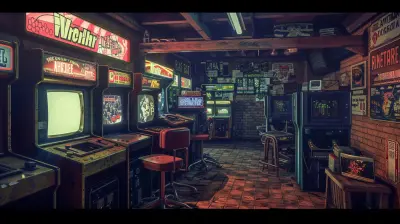
Video games have come a long way. These days, it's not unusual to get lost in sprawling, cinematic narratives with Hollywood-level voice acting and graphics so real you can almost smell the in-game coffee. But back in the day? Storytelling in classic games was a whole different beast—minimalistic, creative, and sometimes downright bizarre. Yet, there was a certain charm to how these older games pulled us into their worlds using just a few pixels, chiptune music, and our imaginations.
In this article, we’re going to take a nostalgic dive into how classic games handled storytelling. We’ll look at the limitations developers were up against, the clever tricks they used, and why some of these narrative approaches still influence game design today.
The Era of Simplicity: More Than Just Dots and Pixels
Let’s roll the clock back to the late '70s and early '80s. Arcade cabinets ruled the world. Think of games like Pac-Man, Space Invaders, and Donkey Kong. At face value, these games didn’t seem to have much in the way of storytelling.But hold up—just because the story wasn’t spoon-fed to you doesn’t mean it wasn’t there.
Take Donkey Kong, for example. You play as Jumpman (later known as Mario), climbing a series of platforms to rescue a damsel in distress. That’s a basic storyline, right? But it’s effective. Without a single line of dialogue, players knew what they were fighting for.
Back then, subtle storytelling came through gameplay mechanics. The games didn’t tell you the story—they made you play it.

Hardware Limitations: The Mother of Game Narrative Invention
Classic games were built under serious constraints. Developers had limited memory, low-resolution graphics, and primitive sound. Yet, instead of seeing these as negatives, they treated these limitations like creative prompts.Text was expensive in terms of memory, so most storytelling had to be told through gameplay, visuals, and sound. If you remember games like Metroid or The Legend of Zelda, you probably recall being dropped into the world with barely a hint about what to do or why you were there. But somehow, that made the experience more immersive.
The world slowly unfolded around you, and piece by piece, the story clicked into place—with no cutscenes, no giant exposition dumps. You felt like an adventurer because you had to explore to learn anything.
Manuals: The Forgotten Storytellers
Remember game manuals? Those little booklets that came with your cartridge or disc? Back in the day, they were goldmines of story content. When hardware couldn’t carry the narrative load, manuals stepped in like an old-school narrator.Games like Ninja Gaiden and Castlevania had relatively simple in-game narratives, but open up that manual, and boom—you had backstories, character profiles, and even lore. It was like getting the prologue of a novel before diving into the action.
The manual gave context that the game simply couldn’t deliver on its own. It set the stage so when you pressed 'Start', everything made just a bit more sense.
Dialogues and Text Boxes: Small Words, Big Impact
As consoles got more advanced (looking at you, NES and SNES), developers began experimenting with text boxes and dialogues. This led to some of the most iconic story-driven games of the late '80s and early '90s.Take Final Fantasy, for instance. Despite the crude translations and limited space per text box, the game wove an epic tale of warriors, crystals, and fate. Then there’s The Legend of Zelda: A Link to the Past—a game that mixed puzzle-solving, exploration, and story in a way that had you glued to the screen without needing fancy visuals or voice acting.
RPGs became the storytelling powerhouses of the era because they leaned into what was possible: simple text, memorable characters, and setting-driven plots that unfolded as you progressed.
Environmental Storytelling: Show, Don’t Tell
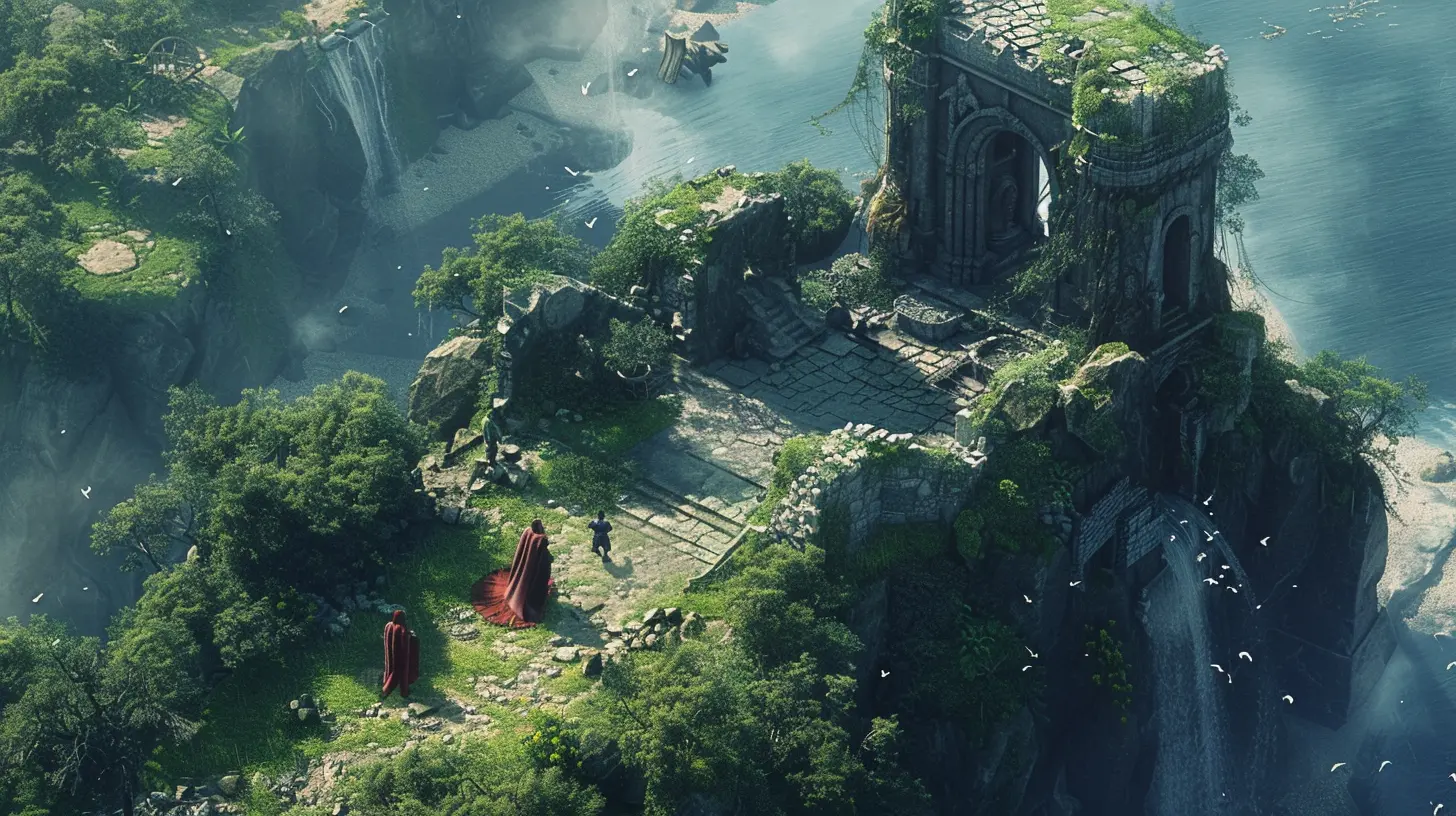
Some classic games didn’t need words at all. They told their stories through their worlds, and this method—called environmental storytelling—is still a huge deal in modern game design.Take Super Metroid, for example. This game had barely any dialogue, but its eerie, isolated atmosphere told you everything you needed to know. You felt the silence. You picked up clues through background visuals. You experienced emotion just by walking through ruined structures and hearing echoing sound effects.
These games trusted you to put the pieces together yourself. Pretty bold, right? But it worked.
Player Imagination: The Unsung Hero
Here’s a fun thought: classic games didn’t give you every detail because they didn’t have to. Your brain filled in the gaps.When the graphics were just blocky sprites, your imagination stepped in. That dragon you fought in Adventure on the Atari 2600? Yeah, it looked like a duck, but in your mind, it was a fire-breathing beast from your wildest fantasy novel.
This blend of minimalism and imagination made the experience feel personal. You weren't just playing a story—you were co-creating it.
Cutscenes Start Sneaking In
Eventually, developers found ways to squeeze in more sophisticated storytelling elements like cutscenes. Ninja Gaiden on the NES is a famous example. It featured anime-style cutscenes between levels, giving players a deeper connection to characters and motivation to keep playing.Granted, they were limited in animation and mostly static frames with text, but still—a massive leap. It showed that games could be more than just challenges; they could be stories worth following.
Music: The Emotional Glue
We can’t talk about classic storytelling without giving a high-five to the soundtracks. Music did a ton of heavy lifting when it came to setting the scene or signaling an emotional cue.Think of the overworld theme in The Legend of Zelda. It screams “heroic journey,” doesn’t it? Or how about the sad, haunting tones in Final Fantasy when a character dies? These tunes etched themselves into your memory and carried emotional weight that pixel art alone couldn’t.
Music told you how to feel when words couldn’t.
Influence on Modern Games
Let’s be real—today’s games owe a lot to these classics. The foundations laid by those pixelated pioneers still show up in how we tell stories in games now.Games like Hollow Knight, Celeste, or Undertale rely heavily on minimalistic storytelling, environmental cues, and emotional music—all tricks from the classic era playbook.
Even AAA games like Dark Souls echo this design, dropping players into opaque worlds filled with cryptic lore, encouraging exploration and interpretation just like the old days.
Lessons We Can Learn From Classic Storytelling
So, what can modern devs and gamers take away from these storytelling methods?- Less is sometimes more – You don’t need a 40-minute cutscene to build immersion. Sometimes, a quiet forest or unexpected music change does the trick.
- Gameplay tells the story – When your actions match the narrative, you don’t need a ton of exposition. Show rather than tell.
- Let the player imagine – A little mystery can make a game more engaging. Give players space to fill in the blanks.
- Consistency is key – Even basic stories can be meaningful if the tone, music, and gameplay all support the narrative.
Conclusion: Why It Still Matters
Classic games didn’t need to say much to make you feel a lot. They handled storytelling like a game of charades, relying on clues, atmosphere, and your own imagination. And honestly? That’s what made them special.These early titles weren’t just about high scores or bragging rights—they were tiny, interactive stories that brought people joy, wonder, and sometimes, even heartbreak. The way they balanced their technical limitations with bold creativity is still something modern developers can learn from.
So next time you’re playing a current-gen epic with hundreds of hours of dialogue and photorealistic cutscenes, take a moment to appreciate the humble beginnings. Because without those pixelated pioneers figuring out how to tell stories with next to nothing, today’s gaming narratives wouldn’t be what they are.
all images in this post were generated using AI tools
Category:
Classic GamesAuthor:

Avril McDowney
Discussion
rate this article
1 comments
Selina McTier
Classic games had a unique way of telling stories through limited graphics and text. They relied on player imagination and immersion, often using environmental cues and character dialogue to convey deeper narratives. This simplicity often made the storytelling more impactful, leaving lasting impressions long after the game ended.
June 13, 2026 at 4:27 PM
Avril McDowney
Absolutely. The blend of limited graphics and imaginative storytelling created experiences that felt personal and memorable. Those narratives often linger long after the game is finished.