How Classic Games Built the Foundation for Esports
3 May 2026
When you think of esports today, what's the first image that pops into your head? Huge stadiums filled with roaring fans, pro players wearing catchy sponsor hoodies, and massive prize pools that sometimes rival traditional sports earnings, right? But before all the glamor, before Twitch streams and million-dollar tournaments, there were the classic games — the digital ancestors that quietly (and sometimes chaotically) paved the way for the esports industry we now know and love.
Let’s take a nostalgic but insightful trip down memory lane and break down how those pixelated pioneers laid the groundwork for modern competitive gaming. Buckle up, because the story of esports has been decades in the making.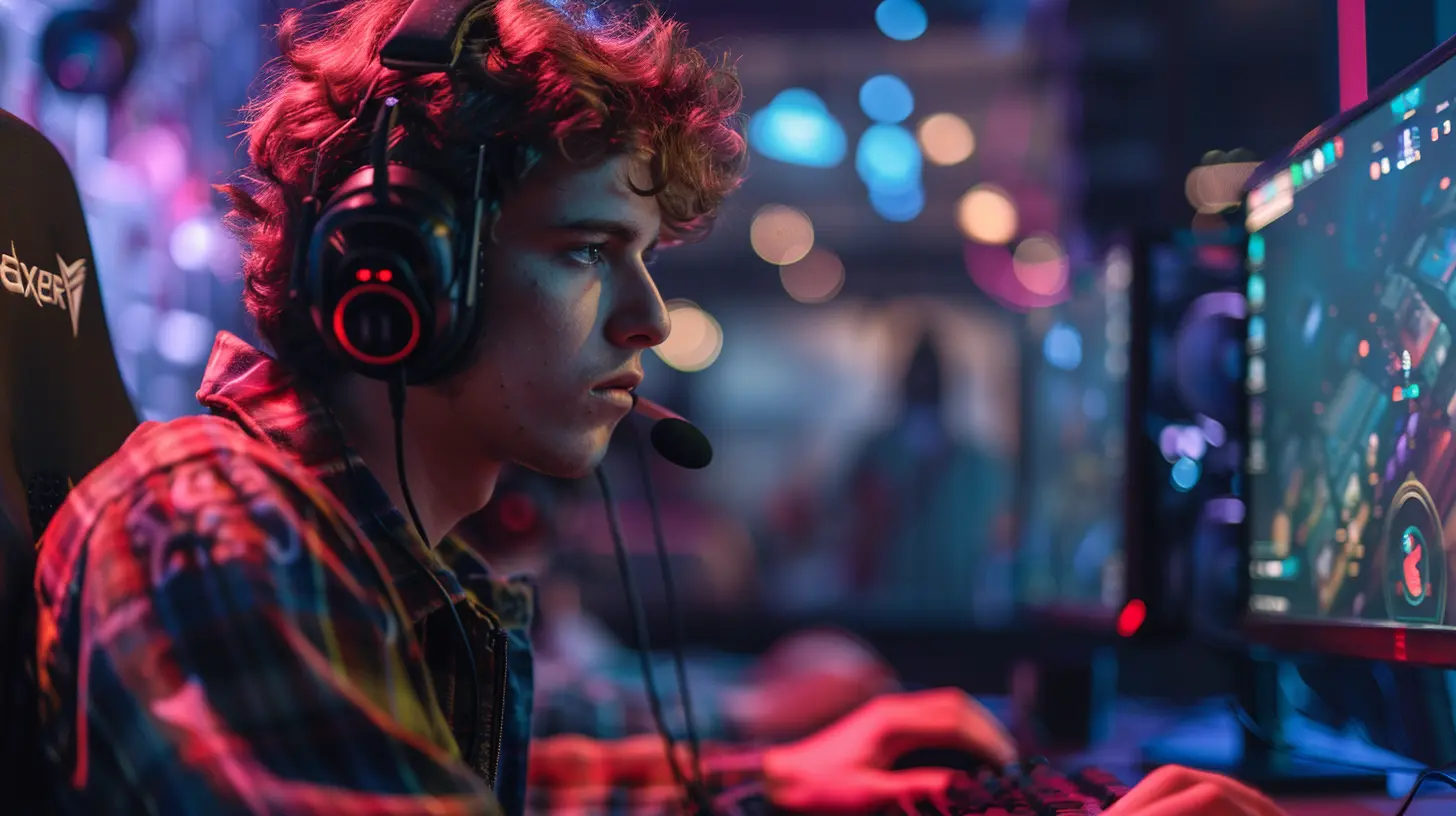
The Arcade Era: Where Competition Was Born
Ah, the '80s. Big hair, synth music, and arcades on every corner. If you've ever dropped quarters into Pac-Man, Galaga, or Street Fighter, you’ve felt the rush. Arcades weren’t just places to hang out—they were digital battlegrounds. Players would line up to beat the top score or dethrone the reigning champion.High Scores and Bragging Rights
Before Twitch chat spam and leaderboards, it was just a screen and your initials. Beating someone’s score was the ultimate flex. And trust me, there was no better feeling than seeing your three-letter name right at the top. It was the humble beginning of player rankings.Community and Skill-Based Competition
Arcades fostered a sense of community and rivalry. Regulars would know each other's skills, weaknesses, and even their favorite cabinets. This face-to-face interaction helped shape the competitive mindset that esports thrives on today.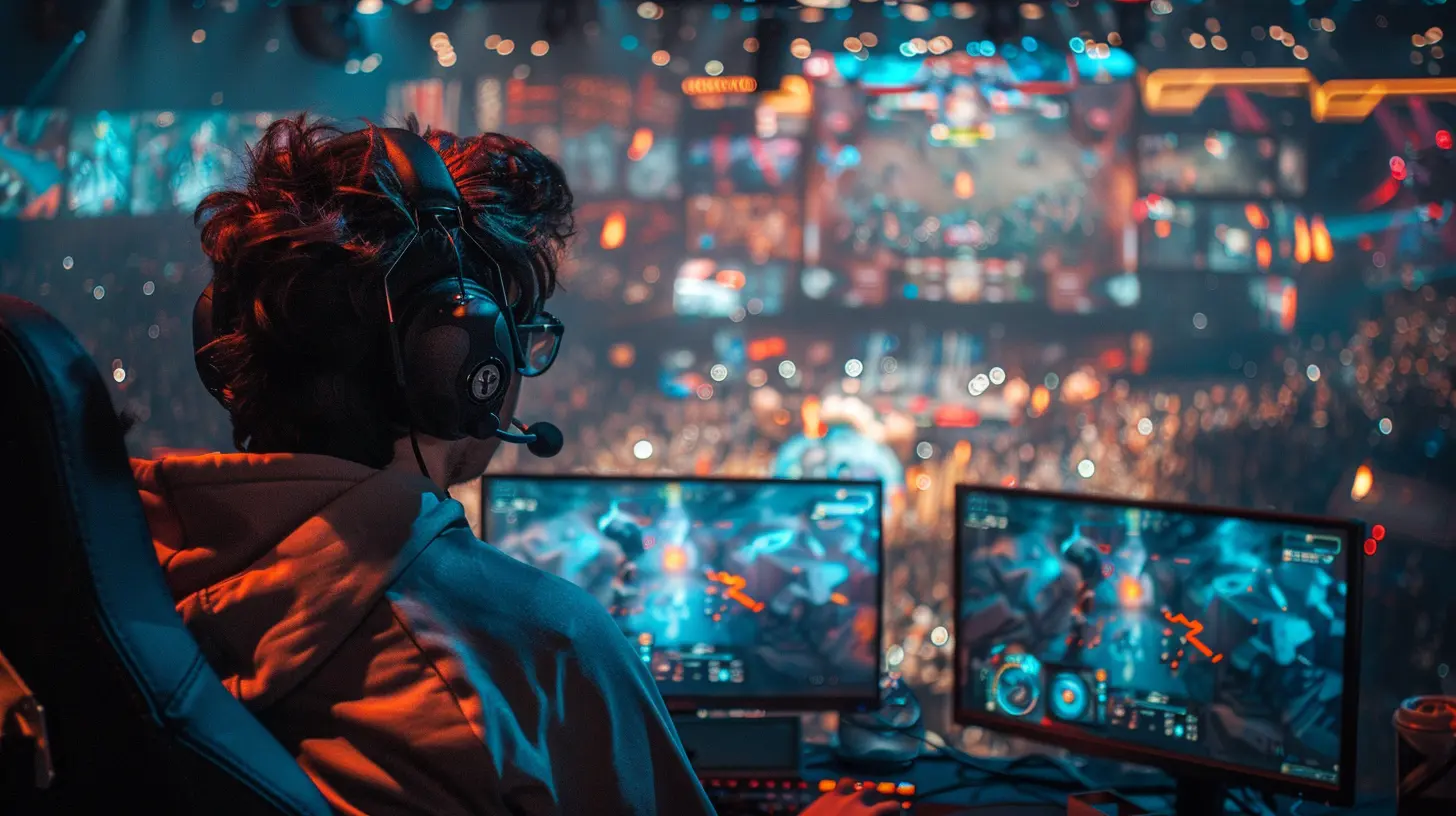
The Rise of LAN: When Multiplayer Got Real
Fast forward to the '90s. PCs were becoming more powerful, and dial-up internet was the new frontier. But before online gaming truly took off, we had LAN parties — local area network setups where players hauled their bulky desktops to a friend’s house, connected their machines, and battled it out for glory.Doom and Quake: The First Digital Duels
If you’ve ever played a first-person shooter, you owe a thank-you to Doom and Quake. These games weren't just pioneers in graphics and gameplay; they were some of the first to feature real-time multiplayer combat.- Doom (1993) introduced deathmatch modes that let players shoot it out over LAN.
- Quake (1996) took things further, becoming one of the first games to support online multiplayer, creating the first taste of what would become the esports arena.
Clans, early tournaments, and modding communities started bubbling up around these games. Players weren’t just competing—they were building a culture.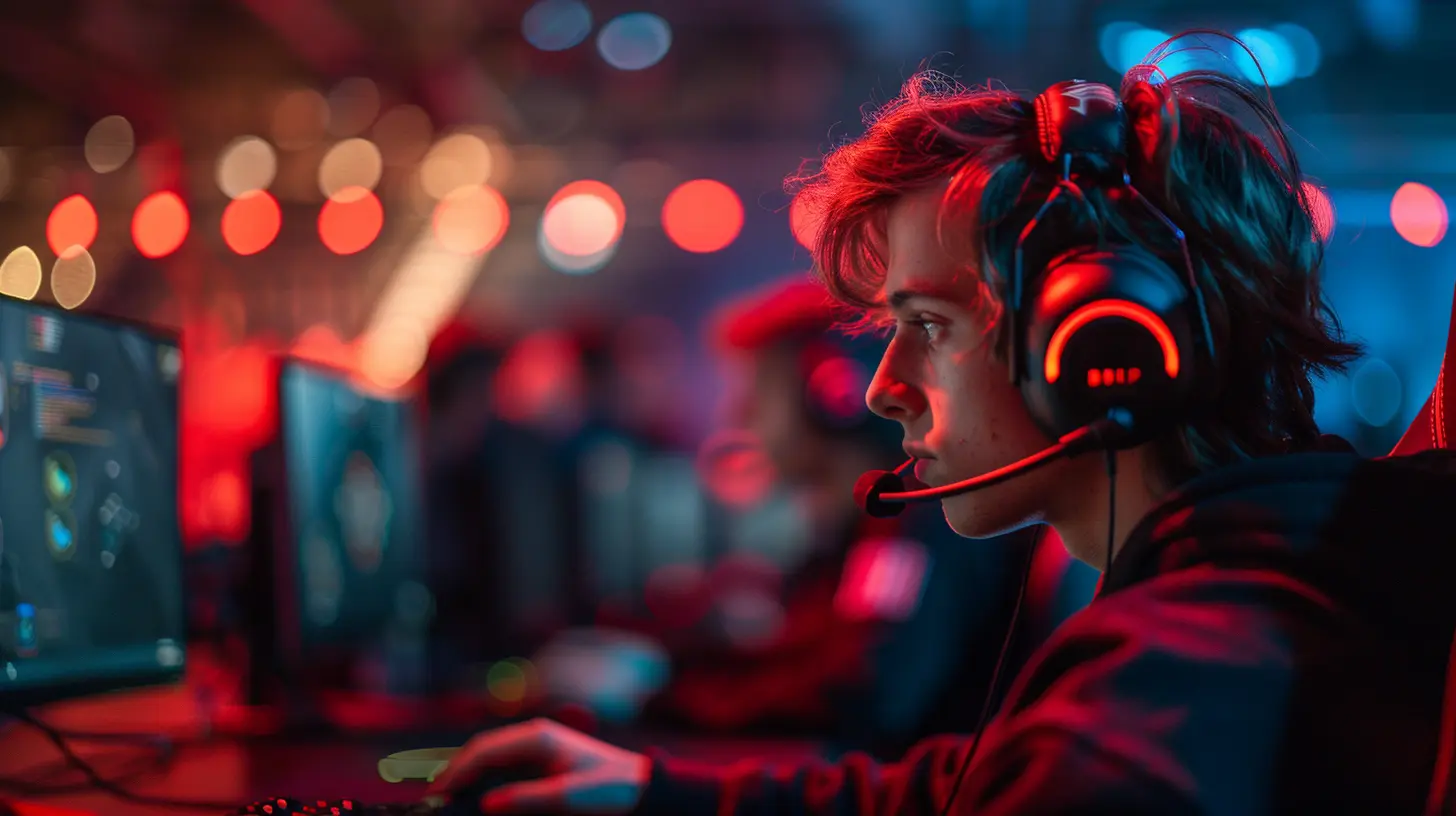
StarCraft and the South Korean Boom
Now, let’s talk about something huge: StarCraft. When Blizzard dropped this sci-fi RTS in 1998, they probably didn’t expect it to change an entire country’s gaming landscape.Strategy, Speed, and Skill
StarCraft wasn’t just about building bases and commanding armies; it demanded insane multitasking, quick thinking, and lightning-fast reactions. Players trained like athletes to master the game. This wasn't just fun anymore—it was serious business.South Korea’s Gaming Revolution
In South Korea, StarCraft turned into a national phenomenon. Professional players were given celebrity status, and matches were broadcast on TV. This wasn’t just a hobby; it was a career. South Korea showed the world that gaming could be professional, structured, and profitable.StarCraft became the blueprint for professional esports: sponsorships, teams, training regimens, and fanbases. It was the first time the world saw what esports could truly become.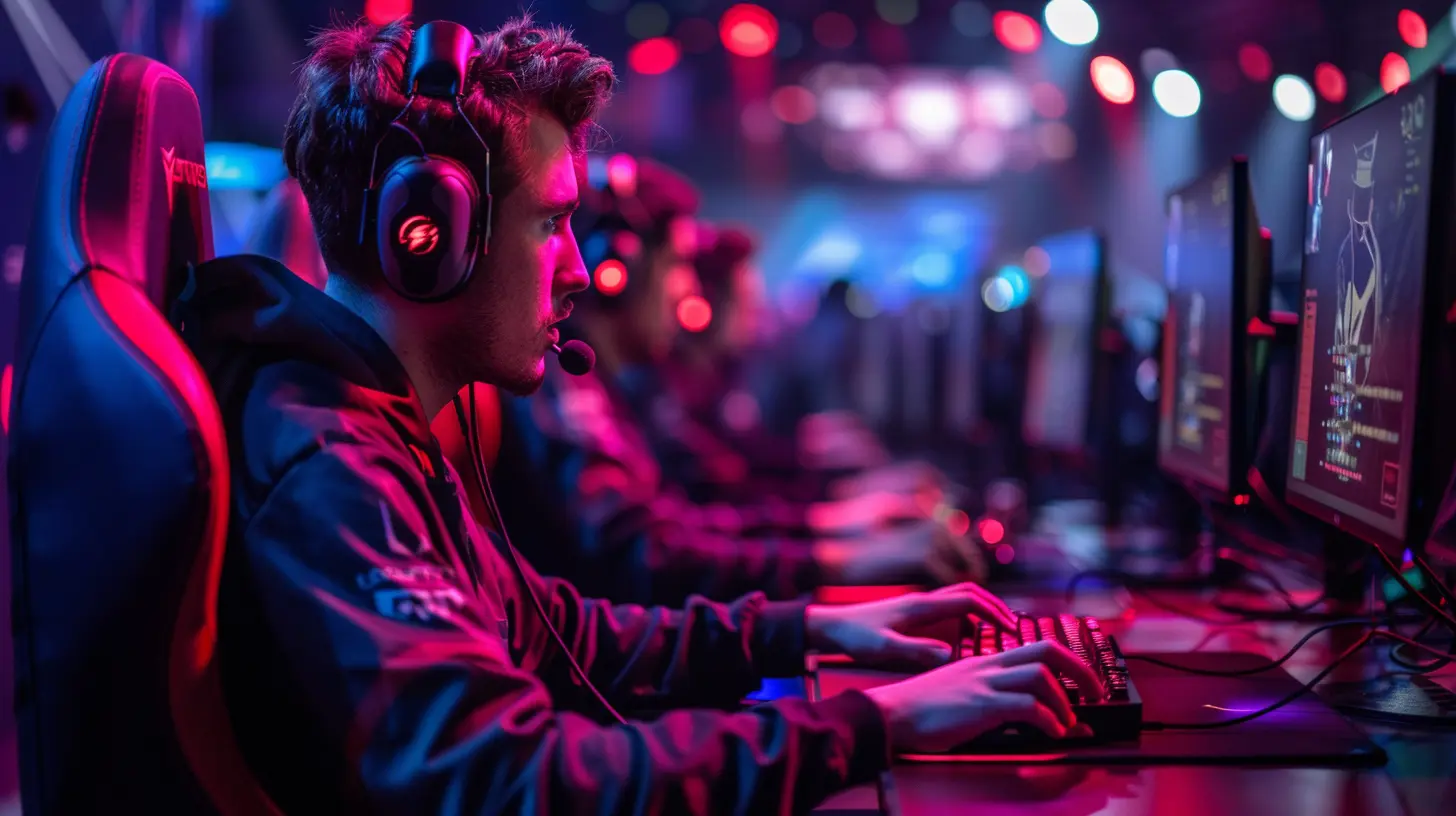
Fighting Games: The Original 1v1 Showdowns
Let’s go back for a quick second. Before League of Legends or Valorant, there were games that focused purely on raw skill—fighting games. You and your opponent, one screen, one winner.Street Fighter and Mortal Kombat
These titles weren’t just popular—they were legendary. The fighting game community (FGC) formed around these games, with tournaments popping up everywhere from local shops to massive conventions.The FGC emphasized technique, timing, and mind games. It’s chess with fists, really. And to this day, titles like Street Fighter and Super Smash Bros. continue to dominate tournament scenes.
EVO: A Testament to Longevity
The Evolution Championship Series (or EVO) is one of the oldest and most respected fighting game tournaments. It has roots all the way back in the mid-90s and proves just how enduring and foundational these classic games really are to esports.GoldenEye, Halo & Console Gaming's Competitive Leap
PCs may have pioneered esports, but consoles weren’t far behind. When classics like GoldenEye 007 and Halo hit the scene, they revolutionized competitive gaming for console fans.Couch Co-op Meets Competitive Arena
GoldenEye introduced us to split-screen multiplayer, where friendships were tested, and trash talk flowed freely. It was one of the first console games to turn your living room into a gladiator arena.Then came Halo, which took things to the next level. LAN parties grew bigger, and soon competitive Halo scenes were forming in colleges and communities everywhere.
MLG: Major League Gaming Steps In
With games like Halo 2, Major League Gaming (MLG) emerged, organizing structured tournaments with real prize money. This marked the beginning of formal esports in the Western console space.The Online Boom: From Modders to Millionaires
As the 2000s rolled in, broadband internet transformed everything. Now, you didn’t need to gather your friends in the same room—competition went global.Counter-Strike: Tactical Espionage And Precision
What started as a mod for Half-Life became one of the biggest esports of all time. Counter-Strike introduced team-based strategy and pinpoint accuracy. It's no exaggeration to say it trained generations of pro players.Online leagues, competitive ladders, and early esports organizations (like ESL and CPL) began forming around CS. It showed that an online shooter could build thriving communities and sustainable careers.
Warcraft III and the Birth of MOBAs
Another Blizzard gem, Warcraft III, gave rise to one of esports' biggest genres: the MOBA. Its modding tools allowed fans to create custom games, and one of them—Defense of the Ancients (DotA)—would soon change the world.From this humble custom game would come giants like League of Legends and Dota 2, whose million-dollar tournaments and massive player bases define esports today.
The Building Blocks Are Obvious in Today’s Esports
All these classic games may seem ancient now, but their DNA is embedded in every major esport today. Don’t believe me? Let’s break it down:- Team-based strategy? Thank StarCraft and Counter-Strike.
- 1v1 duels and deep mechanics? Born from fighting games.
- Huge fan followings and media attention? South Korea’s StarCraft scene walked so Valorant could run.
- Modding communities spawning new game genres? That started with Warcraft III.
- Local LAN parties turning into global tournaments? Halo and Quake made it possible.
The esports we see now is just a polished, refined version of that raw, chaotic, and passionate energy that classic games gave us.
Why Classic Games Still Matter
You might be wondering — with all the slick engines, beautiful graphics, and online infrastructure we have now, do classic games still matter?Absolutely.
They’re more than just stepping stones. They’re the roots. They taught us what works, what doesn't, and more importantly, they connected us.
Classic games weren’t just about playing. They were about community, competition, and culture. They showed us what it means to be a part of something bigger than ourselves — a shared love for mastering a craft, overcoming rivals, and pushing boundaries.
Final Thoughts
Esports didn't appear out of thin air. It wasn’t born in some corporate boardroom with million-dollar sponsorships. It was forged in the arcades, coded in modding tools, and fought in dimly lit LAN rooms filled with Doritos and energy drinks.Classic games were the trial runs, the prototypes, and the playgrounds where the foundations of modern esports were built brick by pixelated brick. They gave us the mechanics, the culture, and most importantly, the passion that fuels this global phenomenon today.
So next time you’re watching a massive esports final in a sold-out arena, just remember—you’ve got a game of Quake, a StarCraft match in a Korean internet café, and a Street Fighter arcade duel to thank for it all.
all images in this post were generated using AI tools
Category:
Classic GamesAuthor:

Avril McDowney
Discussion
rate this article
2 comments
Isadora Carrillo
This article offers great insights into the origins of esports. It's fascinating to see how classic games laid the groundwork for today's competitive scene.
May 12, 2026 at 3:40 PM
Avril McDowney
Thanks for your comment! I'm glad you found the connections between classic games and the esports scene interesting.
Monique Snow
Classic games paved the way for esports magic!
May 5, 2026 at 3:19 AM
Avril McDowney
Absolutely! Classic games set the stage for the competitive spirit and community that define esports today.