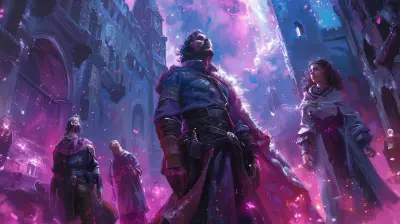
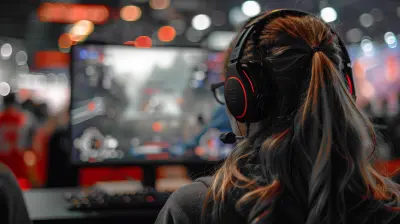
How Character Progression Impacts Player Identity
22 June 2026
Ever played a game where, over time, you just felt like your character? Like, not just that they look cool in shiny armor or have a neat skill tree—but that they’re basically a version of you inside the game? That’s not by accident. That magical connection happens thanks to character progression, and it has a big impact on how you see yourself while playing.
In this article, we’re diving deep into how character progression shapes player identity. So whether you're leveling up in an epic RPG, customizing your avatar in a shooter, or even slowly unlocking abilities in a cozy life sim, this one’s for you.
Let’s unpack how this works and why it matters more than you might think.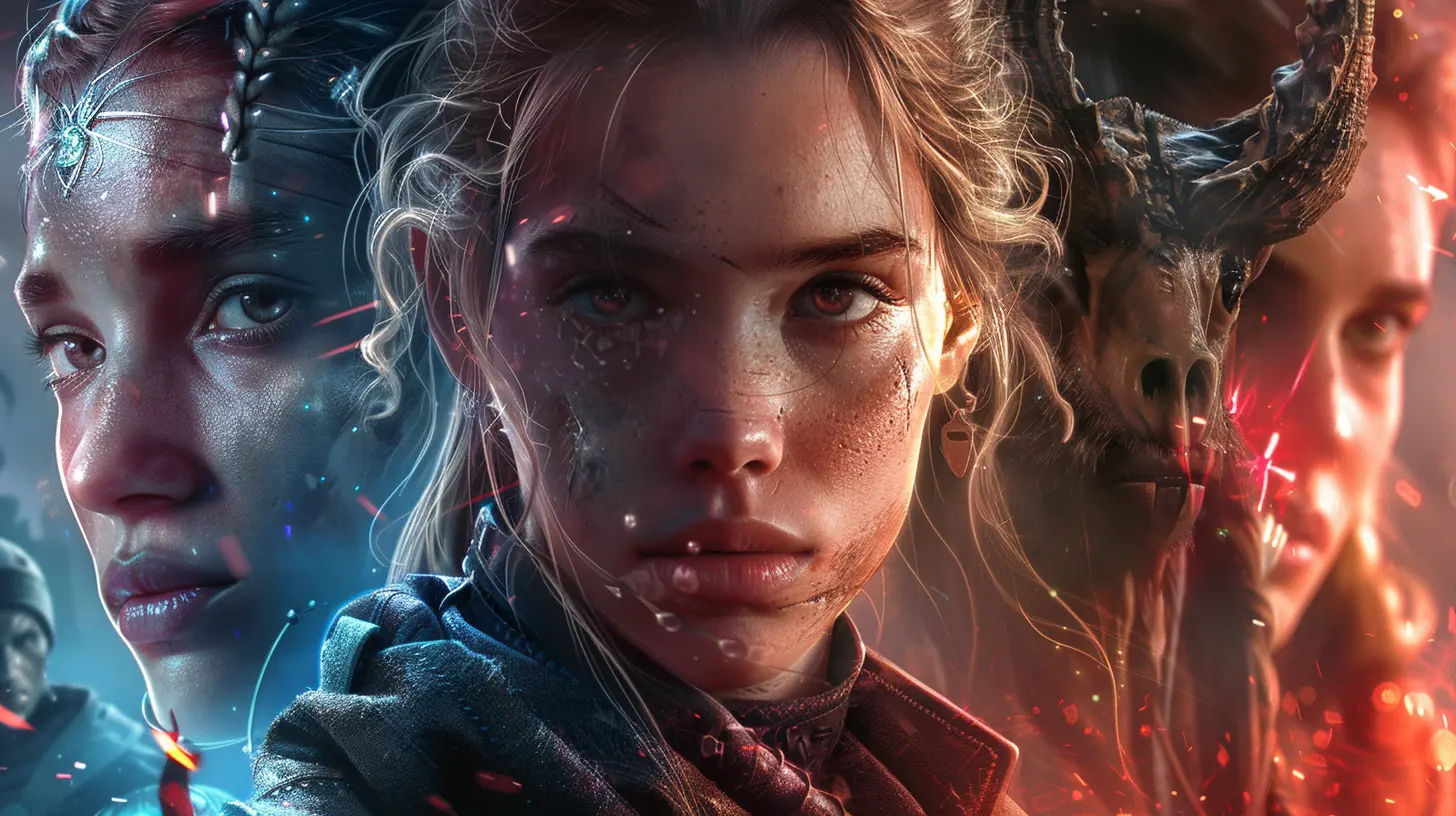
What Is Character Progression, Anyway?
At its core, character progression is how your in-game persona grows and changes over time. Think leveling up, gaining new skills, unlocking gear, or even making story decisions that shape how the game world sees your character.Sounds simple, right? But oh, it’s so much more than just getting stronger stats.
From a gameplay perspective, progression keeps us hooked. From a psychological angle, it plays with our sense of achievement, identity, and immersion.
Imagine starting a game as a weak little nobody with a rusty sword. Fast-forward 50 hours, and now you’re the hero with flaming swords, a tragic backstory, and a dragon-companion named Smokey. That journey? That growth? That’s progression… and it's personal.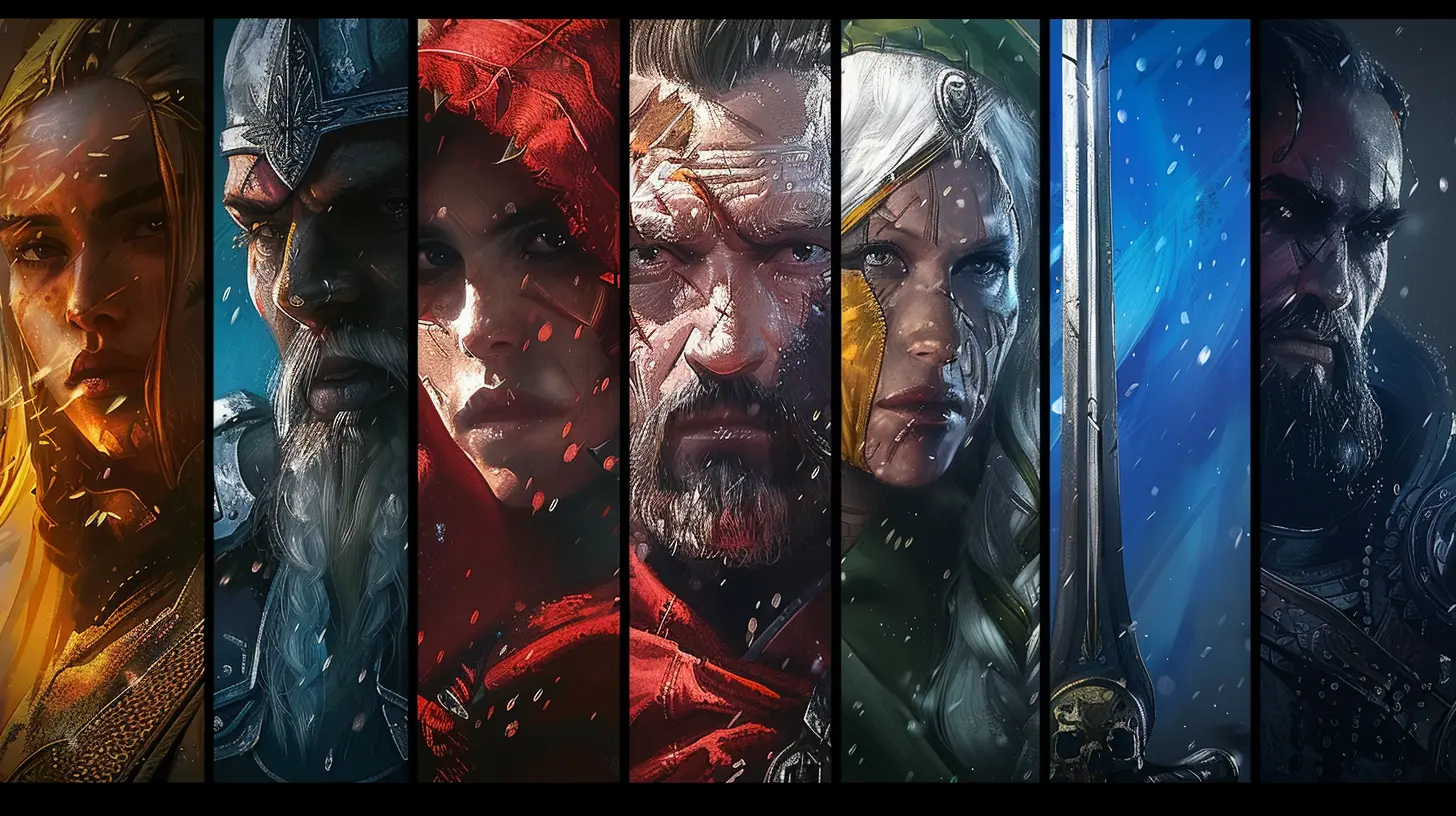
The Magic of Slowly Becoming the Character
In many games, especially RPGs, the line between the player and the character starts to blur.You might start out saying, “I want to build a sneaky assassin build.” But after a few hours, you’re not saying “my character is sneaky”—you’re saying “I’m sneaky.” That shift in language? That’s identity forming.
As your character develops, you’re not just unlocking abilities—you’re forging a sense of who they are. And surprisingly, who you are in that virtual space.
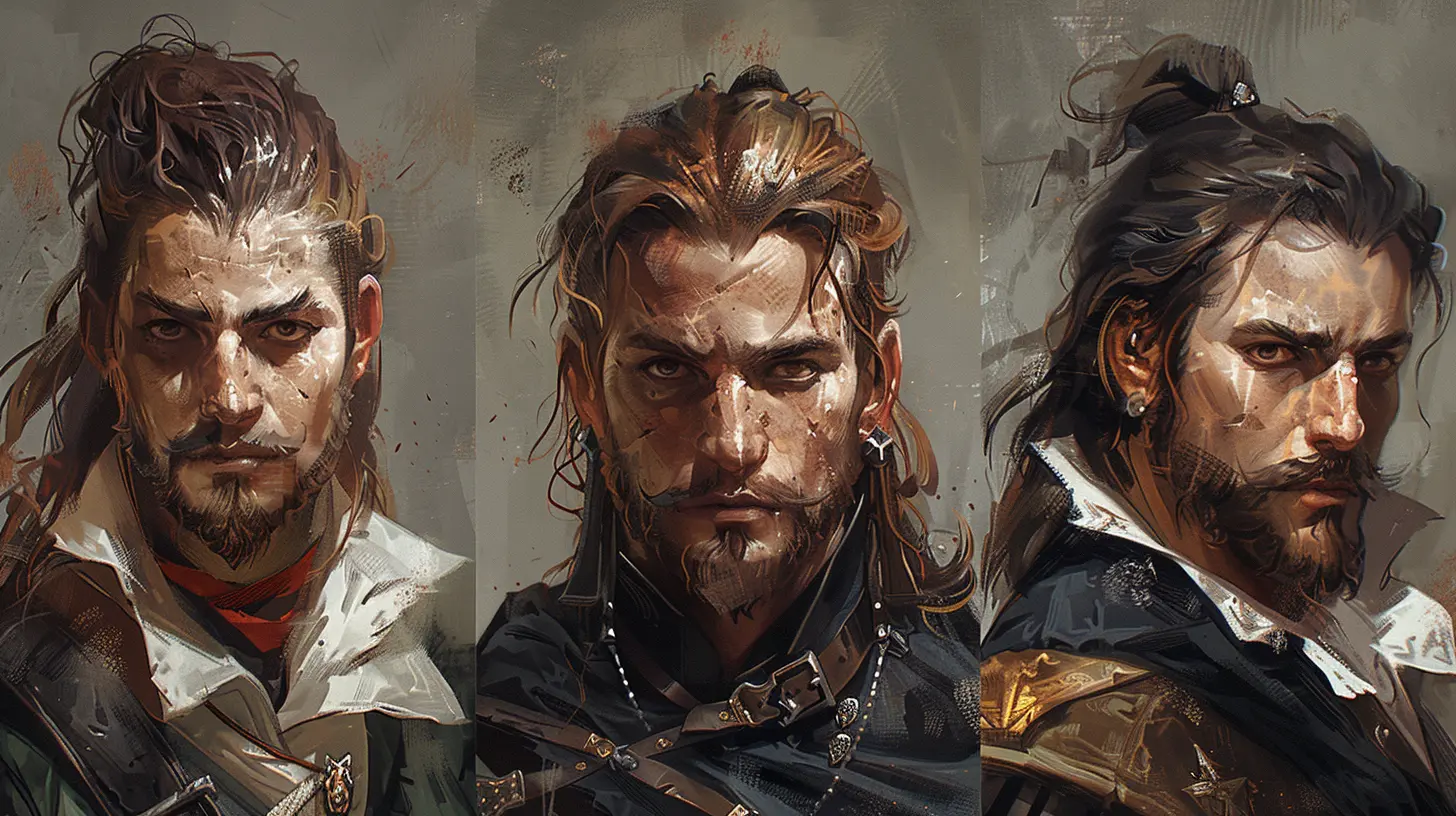
Identity Through Choices
Ever played a game that asked you to make moral decisions? You know the ones: save the village or burn it down for loot.These kinds of choices aren’t just gameplay mechanics—they're tests of your virtual values. Over time, those decisions shape your character's narrative arc and, more importantly, how you see yourself playing.
Are you the noble protector? The chaotic rogue? The curious neutral? It all feeds into your identity, both in the game and sometimes a little in real life, too.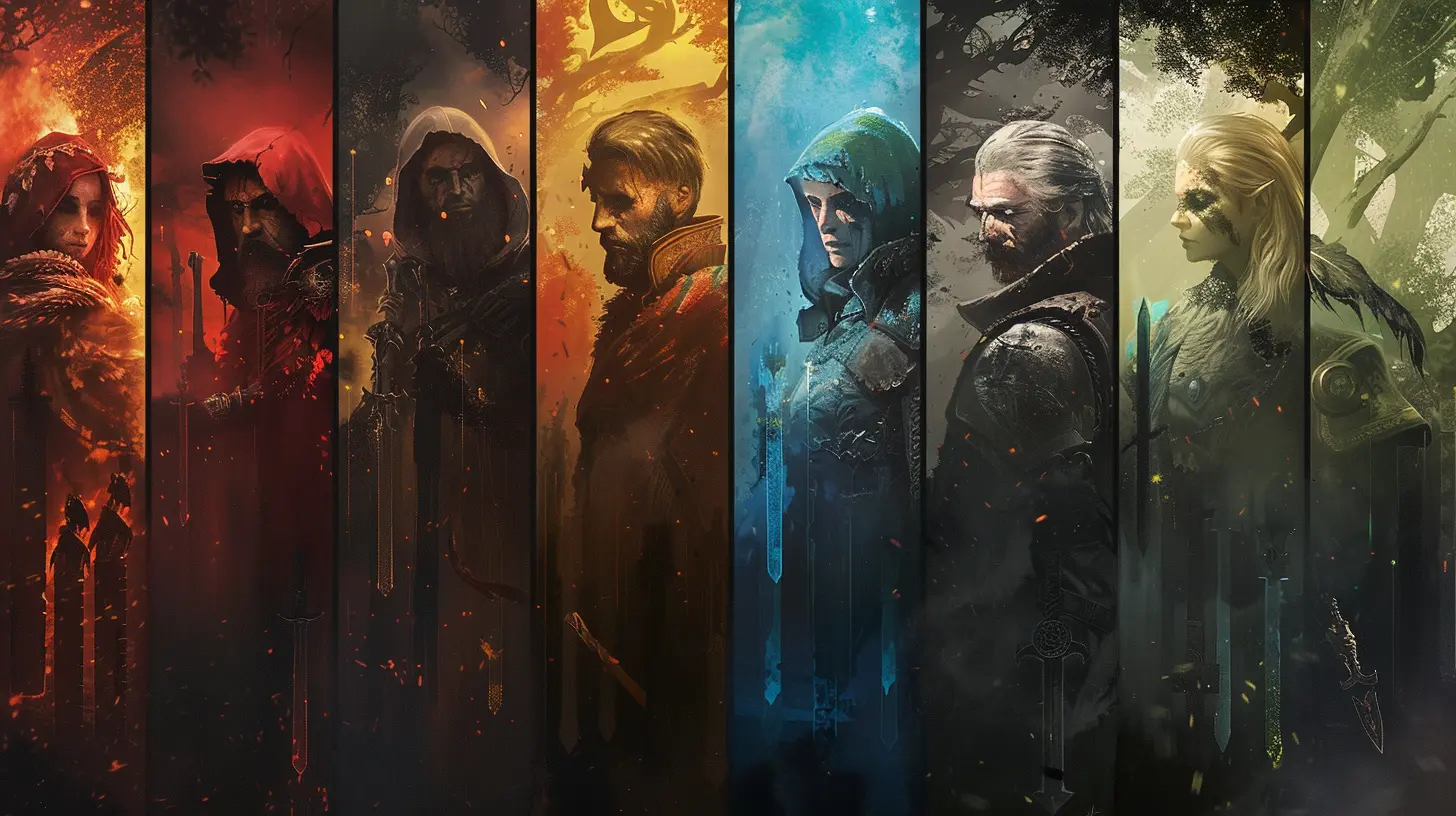
Customization: More Than Just Looks
Who doesn’t love spending hours in character creation? We tweak noses, pick eye colors, scroll through hair options, and agonize over the perfect shade of blue for armor. But it’s not just about aesthetics.Visual customization is the first step toward identity. It’s the moment you say, “This is me… or at least, this is who I’m gonna become in this game.”
As you progress and unlock new outfits, tattoos, gear, or even stances—your character evolves visually. This visual evolution mirrors your emotional connection to them. The more you identify with that character, the more meaningful those changes become.
Skill Trees = Personality Trees?
Yes, absolutely!Skill trees or ability unlocks are often seen as gameplay tools, but they also act as personality definers. Choosing to be a stealthy rogue versus a brute-force warrior isn’t just a mechanics choice—it’s a decision about how you want to express yourself in the game world.
Over time, your build reflects your playstyle, which often reflects your personality. Are you careful and calculating? You'll love sniping from shadows. Bold and impulsive? Maybe big hammers and fireballs are more your thing.
The cool part? You didn’t just learn new skills—you shaped your own digital identity.
Player Identity: Why It Actually Matters
Let’s get real for a second. Games aren't just games. They're experiences. And how you see yourself in these experiences can actually affect how immersed and invested you feel.When you identify with your character, several magical things happen:
- You care more about outcomes.
- You start making decisions based on your in-game morals.
- You get more emotionally attached to stories, companions, and the game world.
- You find yourself thinking, “What would I do?” instead of “What should the character do?”
This makes the experience way more personal and meaningful.
Success Feels Personal
Leveling up isn’t just “oh yay, I got stronger”—it’s “I did it.” The sense of personal accomplishment from character progression is huge.Think about when you finally beat that boss you’ve been stuck on. It’s not just your character succeeding. You internalize it. It validates your effort, your growth, your strategy.
In that moment, you are your character. And that’s incredibly powerful.
Dynamic Storytelling Deepens the Bond
Games that adapt based on our character’s progression? Chef’s kiss.When the story changes based on your decisions—say, old allies betray you, new factions welcome you, or love interests change attitudes—that narrative feedback loop deepens your sense of identity.
You’re not just passively watching a story unfold. You’re shaping it. Living it. Owning it.
And through that, your character’s identity becomes yours.
Multiplayer and How Others See “You”
Character progression affects how other players perceive you, too—especially in multiplayer games.Your armor, title, gear, or even emotes reflect your in-game journey. They say, “Hey! Look what I’ve done!” It’s like wearing a badge of honor, or driving a car with a "Level 100 Mage" bumper sticker.
This external recognition enhances your in-game identity. You want to be known as the tank who always shows up, or the sneaky sniper who never misses. Your progression isn’t just internal—it becomes social currency.
The Dark Side: Identity Crisis?
Not all progression systems are sunshine and rainbows.Sometimes, games lock you into decisions early on that later don’t vibe with how you want to play. Or maybe you looked up a guide and picked the “meta” build but it doesn’t feel… well, you.
That’s when things get tricky. Disconnection creeps in, and suddenly you feel like you’re playing someone else’s character. That disconnect can break immersion and even push players to restart from scratch.
The best games? They allow flexibility. They let players grow, adapt, and rediscover who they are—just like real life.
Character Progression Is Immersion Fuel
When a game nails progression, you’re no longer pressing buttons—you’re diving into another world. That’s the secret sauce.You see the evolution of your character and feel the ripple effects in the world around them. Villagers start recognizing you. Foes fear you. Your name carries weight. Your identity isn't just formed—it's acknowledged.
That reflection? That validation? That's what makes a game memorable.
It's All About The Journey
In the end, character progression isn't about reaching level 99. It’s about everything in between.It’s about how you went from a clueless newcomer to a confident champion. How your choices shaped your path. How your gear, abilities, and story evolved with you.
You didn’t just play a game. You became the character.
And trust me, that’s what keeps us coming back. Again and again.
Final Thoughts: You Are Who You Play
So, how does character progression impact player identity? In every way possible.It lets you step into someone else's shoes and gradually mold them into your own. It gives your choices weight, your actions meaning, and your character a soul.
Whether you're a battle-scarred warrior or a peaceful gardener in Stardew Valley, character progression tells your story—and makes it yours.
And in that moment, behind the controller or keyboard, you’re not just playing a game. You're being the hero of your own little world.
So next time you level up or unlock a new ability, take a second. Smile. Because that’s not just your character growing—it's a reflection of how far you’ve come, too.
all images in this post were generated using AI tools
Category:
Game ProgressionAuthor:

Avril McDowney
Discussion
rate this article
1 comments
Julian Sharp
Character progression is crucial for player identity. When players invest time into developing a character, it creates a sense of ownership and connection that enhances their overall gaming experience. It's all about personal investment.
June 29, 2026 at 5:09 AM