From the Tabletop to the Screen: Digital Adaptations of Board Games
16 December 2025
Board games have always had a special place in our hearts. There’s just something magical about gathering around a table, rolling dice, moving tiny pieces, and occasionally flipping the board when things don't go your way (we’ve all been there). But as technology has evolved, so too have our favorite tabletop games. Many have made the leap from cardboard and figurines to glowing screens, bringing the world of board gaming to a whole new audience. Let’s dive into the fascinating journey of digital adaptations of board games and why they’ve become such a big deal.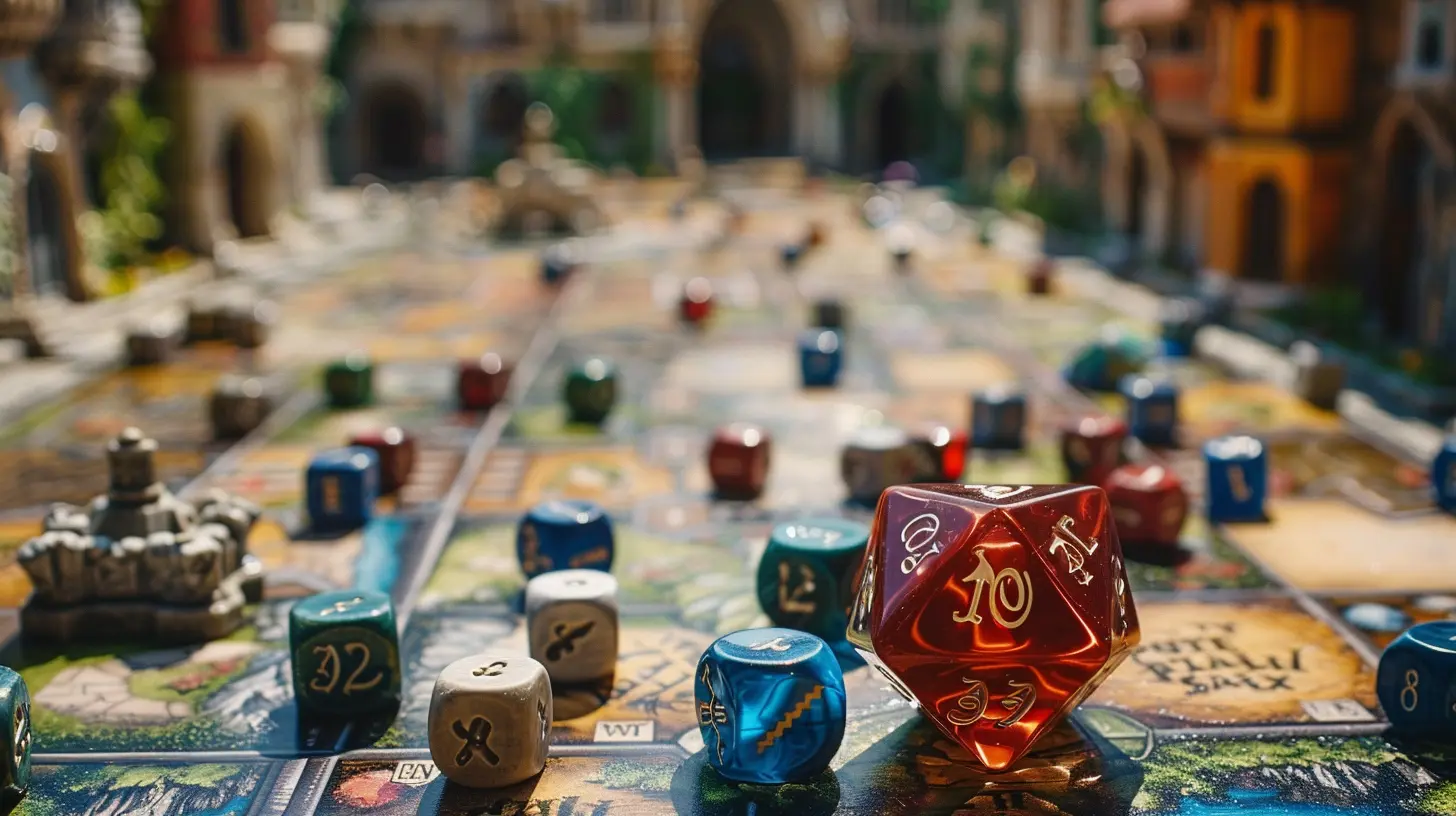
Nostalgia Meets Innovation: Why the Shift to Digital?
If you think about it, board games and digital gaming seem like polar opposites. One involves face-to-face interaction and tactile components, while the other thrives on pixels and online connectivity. But here’s the thing: the shift to digital doesn’t take away from the essence of board games. Instead, it enhances them in ways we never thought possible.Remember those times when you couldn’t find enough people to play your favorites like Catan or Monopoly? Digital versions completely solve that. You can now play these games with friends across the globe or even with AI opponents if no one's around. Plus, the convenience is unmatched. No need to set up the board, shuffle cards, or clean up after a game. And let’s be honest—digital games are a lifesaver when it comes to avoiding “lost piece syndrome” (looking at you, missing Monopoly houses).
The Best of Both Worlds: What Makes Digital Adaptations Shine?
The beauty of digital adaptations lies in their ability to retain the charm of the original game while introducing exciting new features. Let’s break down what makes them so appealing:1. Accessibility Like Never Before
Digital adaptations make board games more accessible to people who might not have physical copies or live near a gaming community. Whether you’re on your lunch break at work or lying in bed late at night, you can easily hop into a game. With platforms like Steam, mobile apps, and consoles, your favorite board games are just a click away.2. Automated Gameplay
Let’s admit it—keeping track of complex rules, points, and turns in some board games can feel like herding cats. Digital versions take care of all that. Scoring? Automated. Turn order? Handled. Rules? Enforced. This means you can focus on strategy and having fun without worrying about messing something up.3. Stunning Visuals and Effects
A tabletop game has its tactile charm, but digital adaptations sprinkle in some pizzazz with animations, sound effects, and immersive visuals. Imagine playing Gloomhaven and seeing dramatic spell effects or a digital version of Risk where the battles play out on-screen with epic animations. It transforms the experience into something fresh and exhilarating.4. Multiplayer Gaming, Anytime, Anywhere
In the digital realm, geography and schedules aren’t a problem. You can play with friends or family even if they’re halfway across the world. Online matchmaking also allows you to connect with other passionate players. Plus, some games support cross-platform play, meaning you can team up with friends whether they’re on their phone, computer, or console.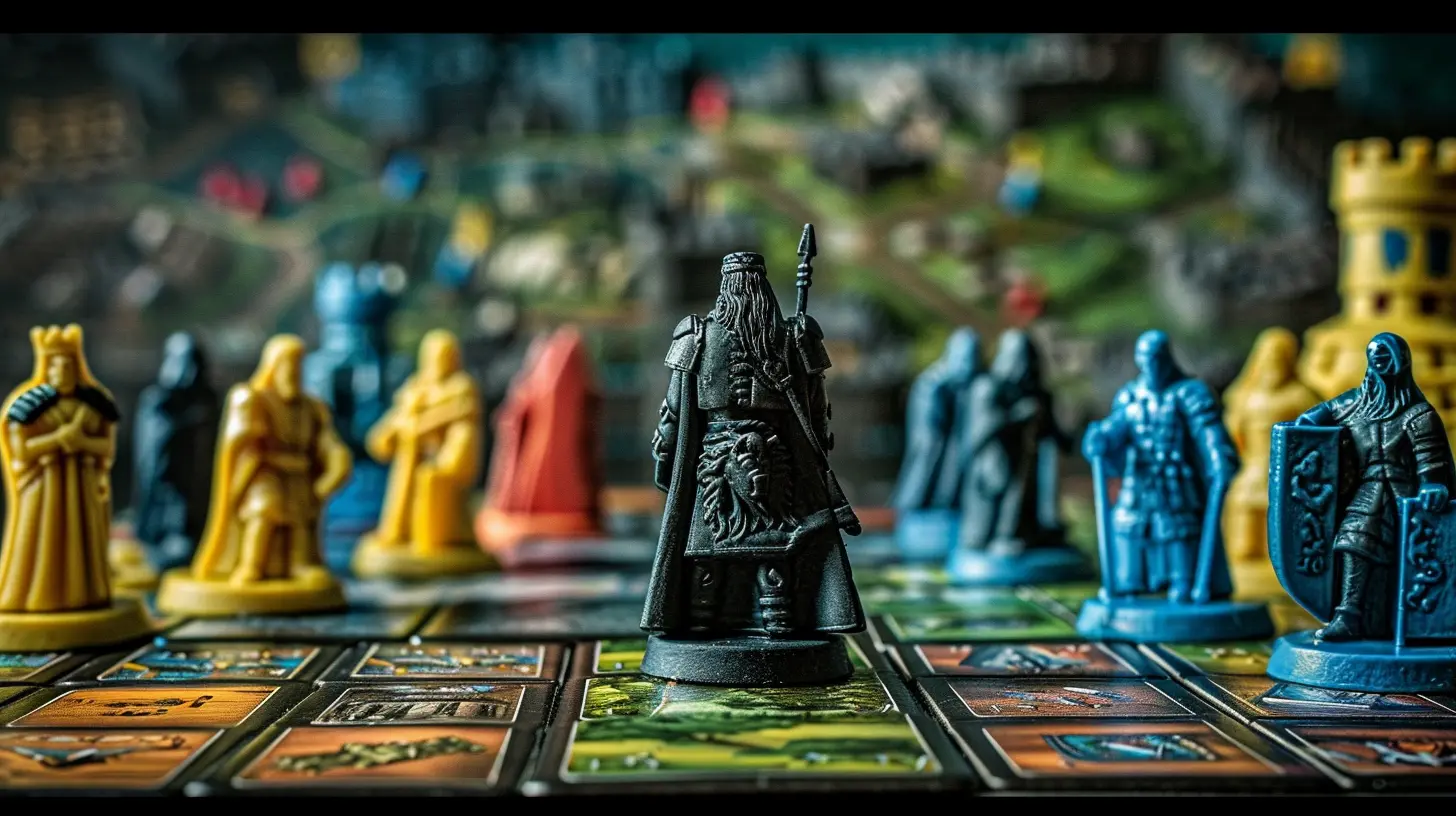
Notable Digital Adaptations of Classic Board Games
Some board games have made this transition in spectacular ways, capturing the essence of the original while adding unique features. Let’s highlight a few gems:1. Catan Universe
Settlers of Catan is arguably one of the most iconic modern board games. Its digital adaptation, Catan Universe, brings the trading, settlement-building, and friendly squabbles to your devices. It offers ranked play, AI opponents, and even expansions to keep things fresh.2. Ticket to Ride
Love trains and strategy? The digital version of Ticket to Ride is a faithful recreation of the beloved board game, complete with additional maps and multiplayer modes. The clean interface and beautiful graphics make planning your rail empire a delight.3. Tabletop Simulator
Okay, this one is a bit of a game-changer (pun intended). It’s not a single board game but a platform where you can play hundreds of them virtually. From Chess to more complex games like Terraforming Mars, Tabletop Simulator replicates the tabletop experience—complete with flipping the board if you’re feeling dramatic.4. Carcassonne
This tile-placement classic has a polished digital version that keeps the charm of the original intact. The digital adaptation makes calculating points a breeze—no more arguments about who has control over that city!5. Gloomhaven
Gloomhaven is a beast of a game, both in scope and setup. The digital version eliminates the hours it takes to organize the game, making it easier to dive straight into its tactical RPG goodness. It’s a fantastic option for fans of the tabletop version who want to experience it without the logistical hurdles.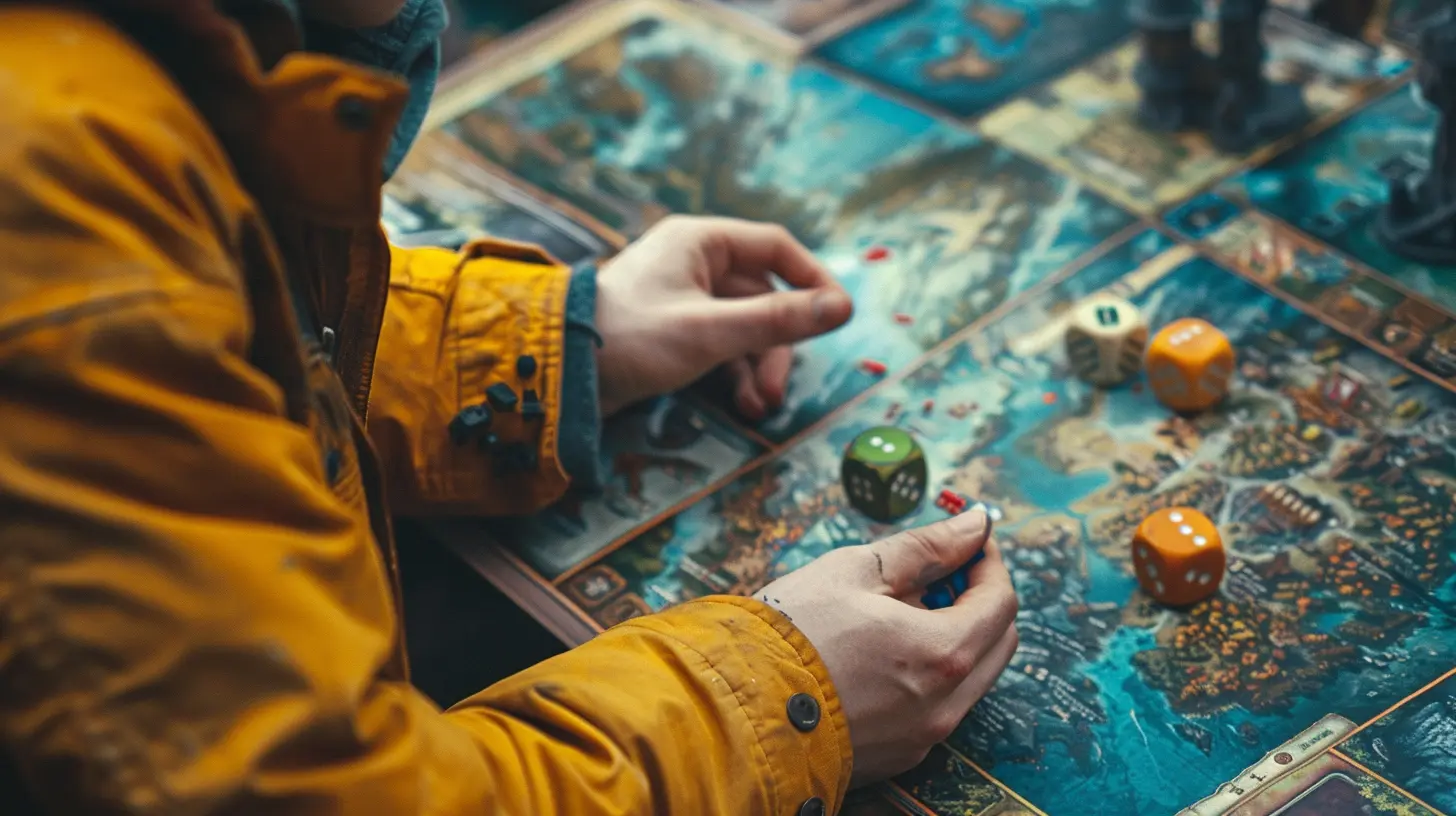
Challenges of Digital Adaptations
Of course, it’s not all rainbows and sunshine when it comes to digital adaptations. There are some quirks that need to be considered:1. Losing the Human Connection
Part of what makes board games special is the face-to-face interaction: the banter, the laughter, the sneaky side deals. While online gaming connects people, it can’t fully replicate the social aspects of sitting at a table surrounded by friends.2. Tech Hiccups
Let’s be real—technology isn’t perfect. Servers can crash, apps might glitch, and your internet connection could drop mid-game. And nothing’s more frustrating than losing a hard-earned victory because of tech issues, right?3. Learning Curve
Digital adaptations often feature streamlined controls and interfaces, but they still require players to learn how to navigate the platform. It’s not as simple as physically rolling a die or flipping a card, which might turn off less tech-savvy players.The Future of Board Games in the Digital Age
So, what’s next for digital board games? With the rise of VR and AR technology, we might soon see fully immersive board games where you can almost touch the components in a virtual space. Imagine playing Dungeons & Dragons with your friends, and instead of visualizing the dragon, you see it towering over you in a virtual environment. Cool, right?There’s also the potential for AI advancements that could make in-game opponents smarter and more challenging. And let’s not forget cross-platform play, which will likely continue to grow, making it even easier to connect with fellow gamers worldwide.
But here’s the thing: no matter how advanced digital adaptations become, they’ll never truly replace the experience of sitting around a table with friends, rolling dice, and arguing over house rules. And maybe that’s okay. Maybe they don’t have to. Instead, they’re a complement—an evolution of the board gaming experience that brings it to more people than ever before.
Wrapping It Up
Whether you’re a hardcore board game enthusiast or someone who’s just looking for a quick gaming fix, digital adaptations have something to offer. They’ve made board games more accessible, streamlined, and visually captivating while keeping the fun and strategy intact. Sure, they have their challenges, but they’ve opened up a world of possibilities for gamers everywhere.So the next time you’re itching to play a board game but don’t have the time (or a willing group of friends), give the digital version a try. Who knows? You might just discover a new way to enjoy your favorite pastime.
all images in this post were generated using AI tools
Category:
Board GamesAuthor:

Avril McDowney
Discussion
rate this article
2 comments
Lincoln Carrillo
Digital adaptations of board games bridge nostalgia and innovation, merging tactile experiences with interactive technology. They not only broaden accessibility but also enhance gameplay with dynamic elements. As developers refine these translations, the potential for captivating narratives and immersive worlds continues to grow.
December 24, 2025 at 4:02 PM
Avril McDowney
Thank you for your insightful reflection! You've captured the essence of how digital adaptations enrich the gaming experience by blending nostalgia with innovation.
Antonia Rogers
Thank you for this insightful article! It’s fascinating to see how board games transition to digital formats while maintaining their core spirit and community.
December 20, 2025 at 3:25 AM
Avril McDowney
Thank you for your kind words! I'm glad you found the article insightful and appreciate the evolution of board games into digital formats.