Exploring the Rise of Mini-LED in Gaming Displays
26 May 2026
If you’ve been keeping a pulse on the latest tech trends in gaming, you’ve probably heard the buzzword “Mini-LED” being tossed around like health packs in a battle royale. But what does this flashy term really mean? And more importantly, why is it being hailed as the next big leap in gaming tech?
Whether you’re a competitive esports warrior or a laid-back couch gamer, your screen is your portal. And with Mini-LED displays stepping into the spotlight, that portal is about to get a serious facelift. Let's peel back the layers of this pixel-packed mystery and dive deep into why Mini-LED tech is shaking up the gaming world.
What Exactly Is Mini-LED, Anyway?
Alright, let’s clear the fog. Mini-LED stands for—you guessed it—miniature light-emitting diodes. But don’t confuse it with OLED or the standard LED monitors we've all grown used to.In traditional LED displays, a bunch of fairly large LEDs light up the screen from the back. In contrast, Mini-LEDs are, well, mini. We're talking about diodes that are up to 50 times smaller than regular ones. This means manufacturers can pack thousands of these tiny lights into one panel.
Why should you care? Because more lights = more precise control. And more control = better contrast, deeper blacks, and brighter highlights. In other words, your game worlds will look dramatically more lifelike and immersive.
The Perfect Marriage: Gaming and Mini-LED
Now here’s where things get interesting. Gaming is all about immersion, speed, and responsiveness. Traditional display tech? It tries, but it has its limits. Here’s how Mini-LED is solving some of gaming’s biggest visual headaches:1. ? Ultra-Deep Blacks & Eye-Popping Contrast
Have you ever been ambushed in a dark corridor because you couldn’t see the enemy lurking in the shadows? Been there. That’s where Mini-LED’s local dimming zones come into play.With thousands of tiny LEDs that can individually brighten or dim specific screen sections, Mini-LEDs offer black levels that come dangerously close to OLED. Think pitch-black nights with glowing neon signs—just like Night City in Cyberpunk 2077.
2. ? Vivid Colors That Jump Off the Screen
Color accuracy is another battlefield where Mini-LED holds the high ground. With more precise lighting control, colors appear richer, more vibrant, and more realistic. Whether you're exploring alien jungles or sprinting through post-apocalyptic wastelands, your games will feel like living, breathing worlds.3. ⚡ Blistering Brightness for HDR Glory
Most standard monitors can't flex with high-brightness HDR content. Mini-LED, on the other hand, laughs in the face of brightness limitations. With some panels pushing over 1,000 nits, you get true HDR on full blast. Sunrises actually glow. Explosions dazzle. Lava looks... well, lava-like.4. ? Reduced Blooming for Crystal-Clear Detail
A common pain with traditional LED displays is blooming—that annoying halo around bright objects on dark backgrounds. Mini-LED’s precision lighting minimizes that, giving you clean edges and crisp visuals. No more angelic auras around your crosshair.
Mini-LED vs OLED: The Showdown We All Wanted
Let’s be honest, OLED has ruled the visual throne for a while. Inky blacks, infinite contrast, brilliant colors—it’s been the golden standard. But OLED has its demons: burn-in issues, lower peak brightness, and a bigger price tag.That’s where Mini-LED is rewriting the rules.
| Feature | OLED | Mini-LED |
|----------------------|------------------------------|--------------------------------|
| Black Levels | ✔️ Excellent (Perfect Black) | ✔️ Great (Near OLED) |
| Brightness | ❌ Moderate | ✔️ Very High (Ideal for HDR) |
| Burn-In Risk | ❌ Yes | ✔️ None |
| Color Accuracy | ✔️ Excellent | ✔️ Excellent |
| Lifespan | ❌ Shorter | ✔️ Longer |
| Cost (Generally) | ❌ High | ✔️ Becoming More Affordable |
So, while OLED remains elite-tier eye candy, Mini-LED is like the new prodigy—safer, brighter, and more versatile, especially for long gaming sessions.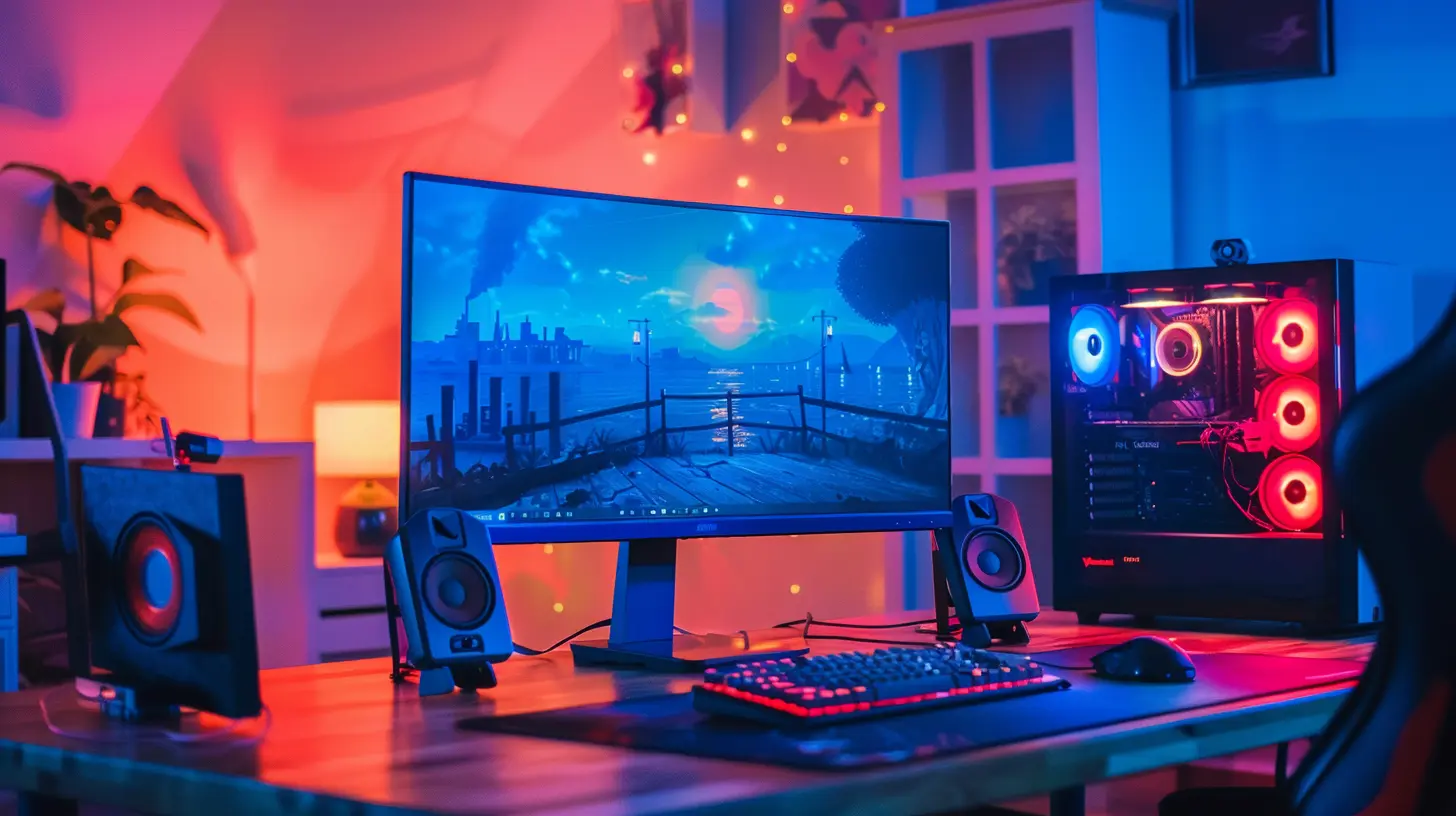
Who’s Bringing Mini-LED to Gaming?
You know a tech is about to pop off when the heavyweights start jumping on board. The likes of ASUS, MSI, Samsung, Apple, and Acer have already launched or announced Mini-LED gaming displays.From laptops like the ASUS ROG Zephyrus Duo with dual Mini-LED panels to high-refresh-rate, 34” ultrawide monitors that make your jaw drop—Mini-LED is now actively shaping the gaming gear landscape.
Even TV giants like LG and TCL are throwing their hats into the Mini-LED arena, giving console gamers a reason to upgrade their living room setups.
Gaming Laptops Leveling Up With Mini-LED
For years, gaming laptops lagged behind desktop monitors in terms of display quality. But not anymore. Mini-LED laptops are rewriting the rules of mobile gaming.Imagine a 16-inch laptop panel with 240Hz refresh rate, 3ms response time, 1,000+ nits brightness, and full-array local dimming. Yes, it exists. These displays are tailor-made for competitive players who want insane visuals and performance on the go.
And let's not overlook one very underrated feature—battery efficiency. Surprisingly, Mini-LED panels are often more power-efficient than OLED, meaning you might actually finish a match on battery without sprinting for your charger.
But Wait… Is Mini-LED Perfect?
As much as we’d love to say Mini-LED is a flawless unicorn, it does have some kinks to iron out.- Price: While cheaper than OLED, Mini-LED still costs more than your typical LED LCD monitor.
- Bulkier Designs: Packing thousands of LEDs can add thickness, especially in laptops.
- Not True "Self-Emissive": Unlike OLED, Mini-LED still uses backlighting, which means it's not technically per-pixel lit.
Still, these are minor trade-offs considering what you gain in brightness, performance, and longevity.
Should You Upgrade?
Alright, the million-dollar question—is it worth making the jump to Mini-LED right now?If you’re already rocking a high-end OLED or a solid gaming monitor that does the job, you might not feel an urgent need. But if your current display looks like it was made during the Dark Ages of gaming, then yes—Mini-LED can be a game changer.
Especially if you're playing HDR-rich titles like Red Dead Redemption 2, God of War Ragnarök, or Microsoft Flight Simulator. These games deserve to be seen in all their high-fidelity glory.
The Future Looks Bright (Literally)
The gaming world is evolving fast—ray tracing, AI upscaling, insane frame rates. But all that tech means nothing if your display can't keep up. That’s why Mini-LED is more than just a flashy fad. It’s a necessary upgrade.With developers pushing visuals harder than ever, and with GPUs getting more powerful by the year, your screen needs to be just as capable. Mini-LED is that middle ground—bringing premium visuals without OLED’s baggage.
Looking ahead, things are only going to get better. Prices will drop, refresh rates will surge, and brightness will keep climbing. Who knows, maybe the next evolution is Micro-LED, but for now, Mini-LED is the shiny new shield in every gamer’s arsenal.
Final Thoughts
Gaming isn’t just buttons and pixels anymore. It’s art. It’s emotion. It’s adrenaline. And your display? That’s your window into all of it. Mini-LED brings clarity, contrast, and color that makes everything feel more… real.So next time you step into a fantasy world, gun down enemies in a hectic firefight, or lose yourself in a slow-burning RPG—you’ll want Mini-LED lighting the way.
Get ready, gamer. The future’s looking pixel-perfect.
all images in this post were generated using AI tools
Category:
Gaming MonitorsAuthor:

Avril McDowney
Discussion
rate this article
1 comments
Ulysses McIlroy
Mini-LED technology is a game changer for gaming displays, offering enhanced brightness and contrast. The improved color accuracy and reduced blooming elevate the gaming experience. As more manufacturers adopt this tech, players can look forward to visuals that truly bring their favorite worlds to life.
June 15, 2026 at 3:50 PM
Avril McDowney
I completely agree. Mini-LED really enhances the gaming experience with its vibrant visuals and improved detail. Exciting times ahead for gamers!