Connecting Generations Through Classic Games
16 June 2026
There's a magical kind of nostalgia in the air when we talk about classic games. Whether it’s the click-clack of Tetris blocks falling into place, the pixelated joyrides in Mario Kart, or that heated match of Monopoly where someone always flips the board – these moments carry more than just digital pixels or cards and dice. They carry stories, laughter, memories... connections.
Welcome to the beautiful world of classic games, where the past meets present, and generations of players come together over shared, timeless fun.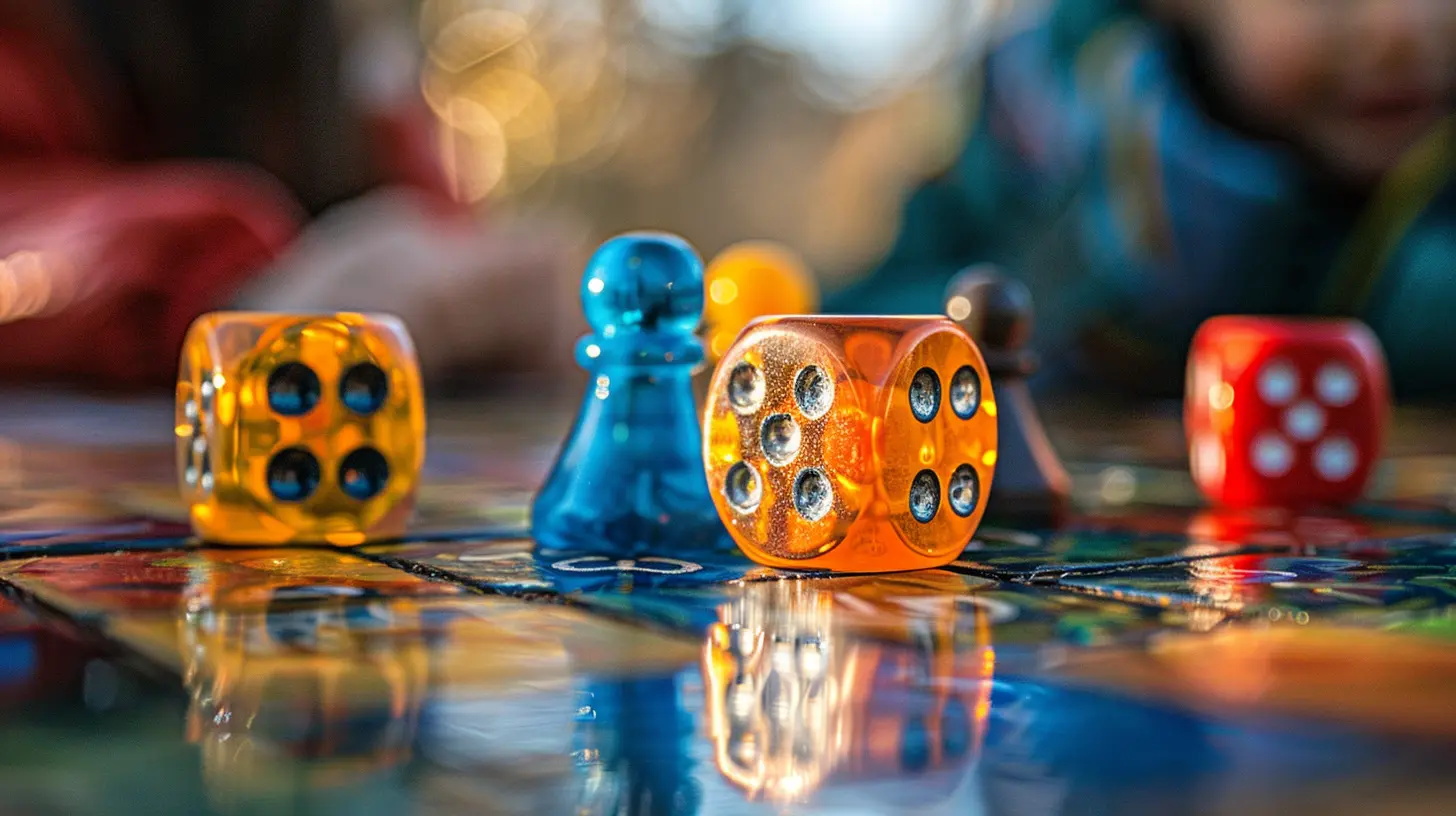
Why Classic Games Still Matter Today
You might be wondering – with all the flashy graphics, VR headsets, and huge open worlds available today, why should we even bother with games that are decades old?Well, think about your favorite family recipe. Sure, there are fancy new dishes trending on Instagram, but nothing quite hits like grandma’s lasagna, right? Classic games are the same – they’re comfort food for the soul. They remind us of simpler times, they’re easy to pick up, and most importantly, they’re made for togetherness.
Classic games bridge the gap between generations. Kids, parents, even grandparents can join in. No confusing controls. No steep learning curves. Just good, clean, competitive fun.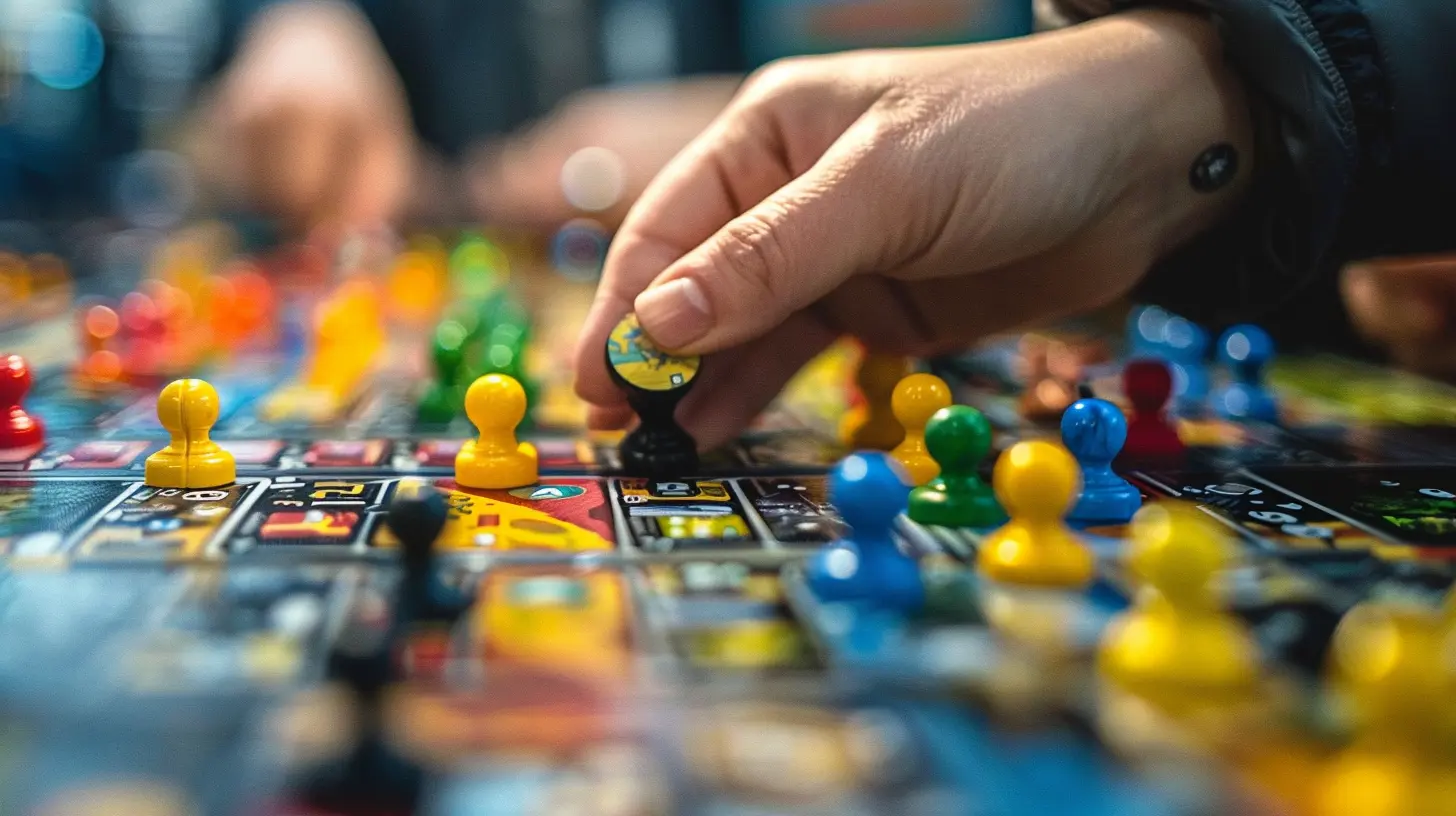
The Universal Language of Play
Classic games have a special power – they speak a universal language. You could sit down a group of people of all ages from different backgrounds, toss them a deck of Uno cards or boot up a game of Pac-Man, and suddenly everyone’s laughing, shouting, bonding.These games don't need translation. They don’t age out. They’re intuitive, familiar, and often based on simple concepts that anyone can grasp in a few minutes.
Think About It...
Remember sitting cross-legged on the floor playing Snake on your dad’s old Nokia? Or racing your older cousin in Sonic the Hedgehog on the Sega Genesis? Those moments weren’t just about the game – they were about connection. That’s the magic sauce.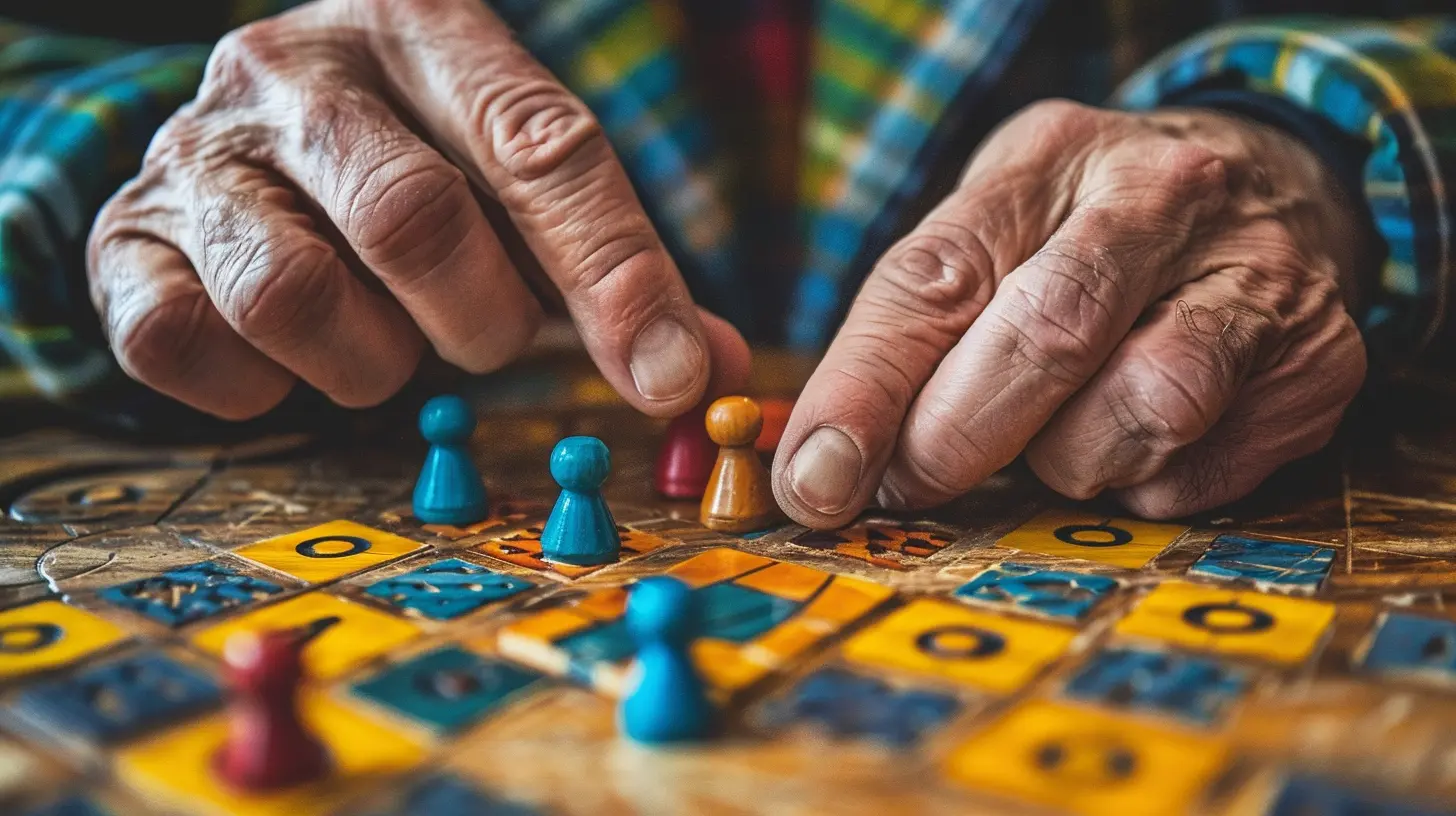
Board Games: Bringing Families Around the Table
Before digital screens ruled our lives, there were board games. And guess what? They’re still going strong – maybe stronger than ever.Monopoly, Scrabble, Clue – Oh My!
These classics didn’t just survive the test of time, they became legends. Grandparents who learned them in their youth can teach the rules to their grandkids without a manual.- Monopoly teaches financial smarts (and patience).
- Scrabble sharpens vocabulary and spelling.
- Clue builds critical thinking and logic.
But more than that, they spark real conversations. No headphones. No screens. Just people, around a table, sharing stories, laughing at inside jokes, and yes, maybe arguing over whether "QAT" is a real word.
The Social Glue
In a world where families often communicate more through WhatsApp than face-to-face, board games bring everyone into the same room. Eye contact, real smiles, high-fives – it’s the kind of social interaction that can be hard to come by these days.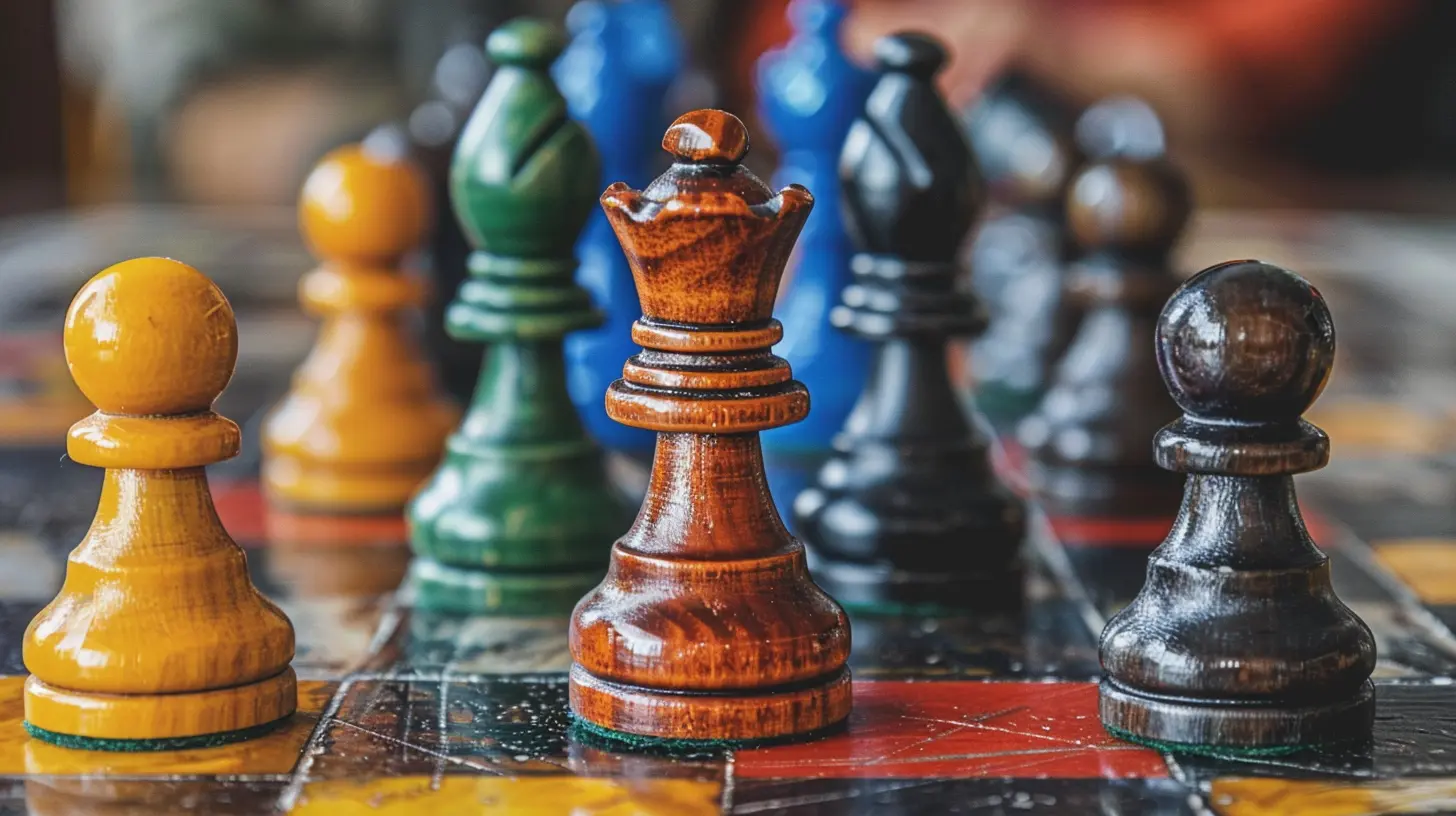
Retro Video Games: Pixelated Bridges Across Time
Now, let’s talk screens – the old ones. The ones that came before 4K, before ray tracing, before online multiplayer.Retro video games are seeing a huge comeback. Why? Because they’re pure, they’re fun, and they’ve got that nostalgic punch that hits just right.
From Arcades to Living Rooms
Remember arcade machines? (You might’ve seen one in a barcade recently.) These coin-chompers brought strangers together, shoulder to shoulder. And when consoles like the NES and PlayStation brought those games home, they became family staples.Parents who grew up playing Street Fighter are now teaching their kids how to pull off a Hadouken. That’s what we call a generational bond – through pixels!
Why Retro Still Rocks
Games like Super Mario Bros., The Legend of Zelda, and Donkey Kong may look simple compared to today’s titles, but they’re masterpieces in their own right. They’ve got unforgettable soundtracks, catchy mechanics, and that "just one more try" gameplay loop that hooks you fast.They’re also short and sweet – you don’t need to sink 100 hours to have fun. Perfect for fitting around family time.
Card Games & Outdoor Play: Our First Controllers
Let’s not forget the original multiplayer games – card games and good ol’ outdoor play.Crazy Eights, Go Fish, and Grandpa’s Poker Face
Card games have always been the great equalizer. Grandma might not be into Fortnite, but she’ll definitely school you in Rummy. These games are portable, quick to learn, and awesomely addictive.Plus, card games are packed with life lessons: strategy, bluffing, risk-taking, and that frustrating-yet-important thing called losing gracefully.
Tag, Hide and Seek, and Kick the Can
Outdoor games are the earliest form of multiplayer mayhem. They’re physical, spontaneous, and full of laughter. And while they might not technically be "classic games" in the digital sense, they’re part of that same timeless tradition of childhood fun – shared across generations.The Modern Revival: Classic Games Go Digital
Now here’s the twist – these old games aren’t staying in the past. They’re getting a full-on digital makeover and reaching new audiences like never before.Remastered and Reimagined
Classic titles are being re-released with updated graphics, soundtracks, and extra features. Think Crash Bandicoot N. Sane Trilogy or The Legend of Zelda: Link’s Awakening. They stay faithful to the original charm but add a modern polish that invites both old fans and fresh eyes.Online Multiplayer for the Win
Remember having to wait for your turn on the couch? Well, now you can play Mario Kart with your uncle in another state or challenge grandma to online Scrabble. Tech has made it easier than ever to stay connected – and classic games are riding that wave.How to Create a Cross-Generational Gaming Night
All this sounds great, but how do you actually make it happen? Hosting a game night that appeals to both 9-year-olds and 90-year-olds is easier than you think.1. Mix It Up
Offer a variety of games – a couple of board games, an easy-going retro video game, and maybe a card deck or two. Everyone can gravitate toward what they enjoy.2. Keep It Simple
Skip the games with complicated 40-page manuals. Choose games that are easy to explain and fast to play.3. Turn Off the Distractions
Phones in airplane mode. TV off (unless it’s for the game). Create an environment where people can focus on each other.4. Celebrate the Stories
Encourage storytelling. Ask how people learned a game. Share your first memory of playing it. This turns game night into something deeper – a way to share lives, not just laughs.Why This Matters More Than Ever
Let’s face it: today’s world can feel pretty fragmented. Families are busy, kids are glued to screens, and meaningful connection feels like a rare treasure.But classic games are one of the few things that effortlessly bring people together. They’re not just about scoring points or winning rounds – they’re about pausing the chaos and making real, human connections.
It’s Not Just Nostalgia
Yes, nostalgia is a big part of the charm. But beyond that, classic games remind us of who we are. They reconnect us with our childlike joy and help us pass that joy on to the next generation. They create shared memories that last long after the final card is played or the last life is lost.A Final Thought: Play Is Timeless
In a world of constant change, classic games are like old friends. They remind you of who you were, help you connect with who you are, and let you bond with others along the way.So whether you’re dusting off a board game, firing up a retro console, playing a hand of Go Fish, or just running around the backyard playing tag with your nieces and nephews — you’re doing something beautiful.
You’re connecting generations.
You’re sharing laughter, stories, and love — one game at a time.
And really, isn’t that what games are meant to do?
all images in this post were generated using AI tools
Category:
Classic GamesAuthor:

Avril McDowney
Discussion
rate this article
1 comments
Zina Rios
Classic games aren't just nostalgia; they're a bridge across generations. They spark connections, fuel conversations, and create shared memories. Let's celebrate the power of play that knows no age.
June 16, 2026 at 3:22 AM
Avril McDowney
You're absolutely right. Classic games bring us together, allowing different generations to bond over shared experiences and memories. Let's keep celebrating that connection.